
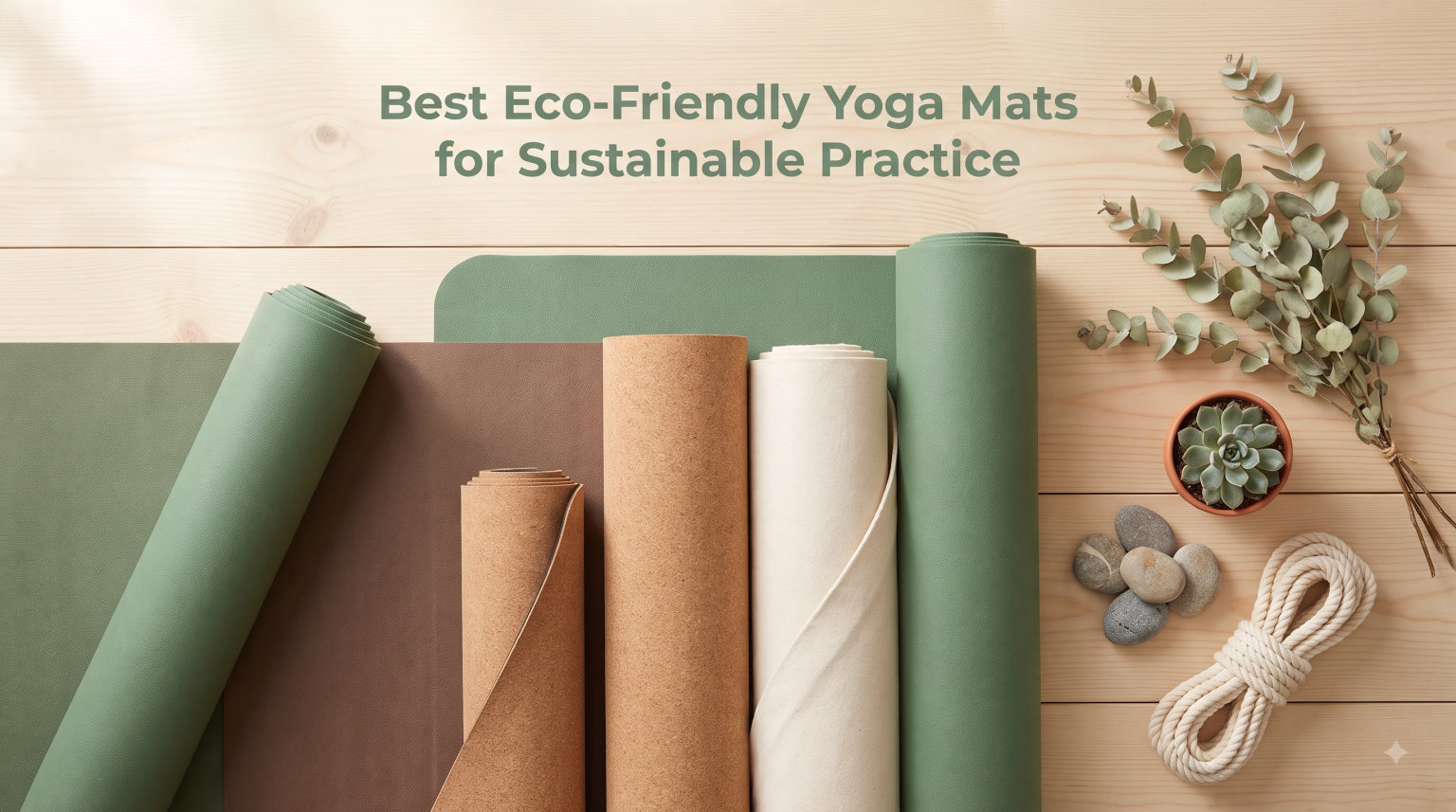
I remember the day I learned that my favorite squishy purple yoga mat was basically a sheet of PVC loaded with phthalates. I had been pressing my face into it during every child’s pose, breathing in chemical off-gassing for years. That discovery sent me down a rabbit hole of researching eco-friendly yoga mats, and I never looked back.
Conventional yoga mats are often made from polyvinyl chloride (PVC), one of the most environmentally toxic plastics ever created. They can contain phthalates, heavy metals, and other chemicals linked to hormone disruption, respiratory issues, and skin irritation. When you practice on a PVC mat, especially during hot yoga, your skin absorbs residues while your lungs inhale whatever the heated material releases. Switching to a sustainable yoga mat is one of the simplest ways to reduce your daily toxic load.
Our team spent three months testing and comparing 10 of the best eco-friendly yoga mats on the market for this guide. We looked at natural rubber, cork, jute, and organic cotton options. We evaluated grip, cushioning, durability, sustainability credentials, and real-world performance across vinyasa, hot yoga, restorative, and travel scenarios. Whether you want a premium alignment mat or a budget-friendly cork option, we have you covered with hands-on insights for 2026.
Table of Contents
Top 3 Picks for Best Eco-Friendly Yoga Mats for September 2026

Liforme Original Yoga Mat
- Patented alignment system
- Warrior-like grip
- Sweat-resistant surface

Ananday Premium Cork Yoga Mat
- Cork grip improves when wet
- Climate neutral certified
- Plastic-free construction

Gaiam Cork Yoga Mat
- Sustainable cork surface
- Superior moisture grip
- Odor-resistant material
Best Eco-Friendly Yoga Mats in September 2026
| Product | Specifications | Action |
|---|---|---|
| Liforme Original Yoga Mat |
|
Check Latest Price |
| Ananday Premium Cork Yoga Mat |
|
Check Latest Price |
| Gaiam Cork Yoga Mat |
|
Check Latest Price |
 JadeYoga Harmony Yoga Mat JadeYoga Harmony Yoga Mat |
|
Check Latest Price |
 Manduka eKO Yoga Mat Manduka eKO Yoga Mat |
|
Check Latest Price |
 Body By Yoga Luxury Cork Mat Body By Yoga Luxury Cork Mat |
|
Check Latest Price |
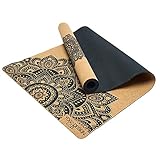 Yoga Design Lab Cork Yoga Mat Yoga Design Lab Cork Yoga Mat |
|
Check Latest Price |
 Gaiam Jute Yoga Mat Gaiam Jute Yoga Mat |
|
Check Latest Price |
 Myga Jute Yoga Mat Myga Jute Yoga Mat |
|
Check Latest Price |
 Live Well 360 Cotton Yoga Mat Live Well 360 Cotton Yoga Mat |
|
Check Latest Price |
1. Liforme Original Yoga Mat – Best Overall for Grip and Alignment
Liforme Classic Yoga Mat – Patented Alignment Design, Ultimate Grip
Natural rubber and eco-polyurethane
4.2mm thick
72.8 x 26.8 inches
PVC-free and non-toxic
Includes free yoga bag
Pros
- Exceptional grip even during sweaty hot yoga sessions
- Patented AlignForMe alignment system prevents injuries and improves form
- Comfortable cushioning despite relatively thin profile
- Eco-friendly construction with no PVC or toxins
- Generous sizing provides extra space for taller practitioners
- No rubber smell unlike other natural rubber mats
Cons
- Shows marks and stains from body oils and sweat easily
- Heavier than standard foam mats
- Premium price point
- May be too grippy for some sliding transitions
The first time I unrolled the Liforme mat, I immediately noticed how different it felt from anything else I had tried. The GripForMe material lives up to its name. My hands and feet locked into place during downward dog like the mat was reading my skin and responding. This is the mat I reach for on hot yoga days when sweat would send me sliding across a conventional surface.
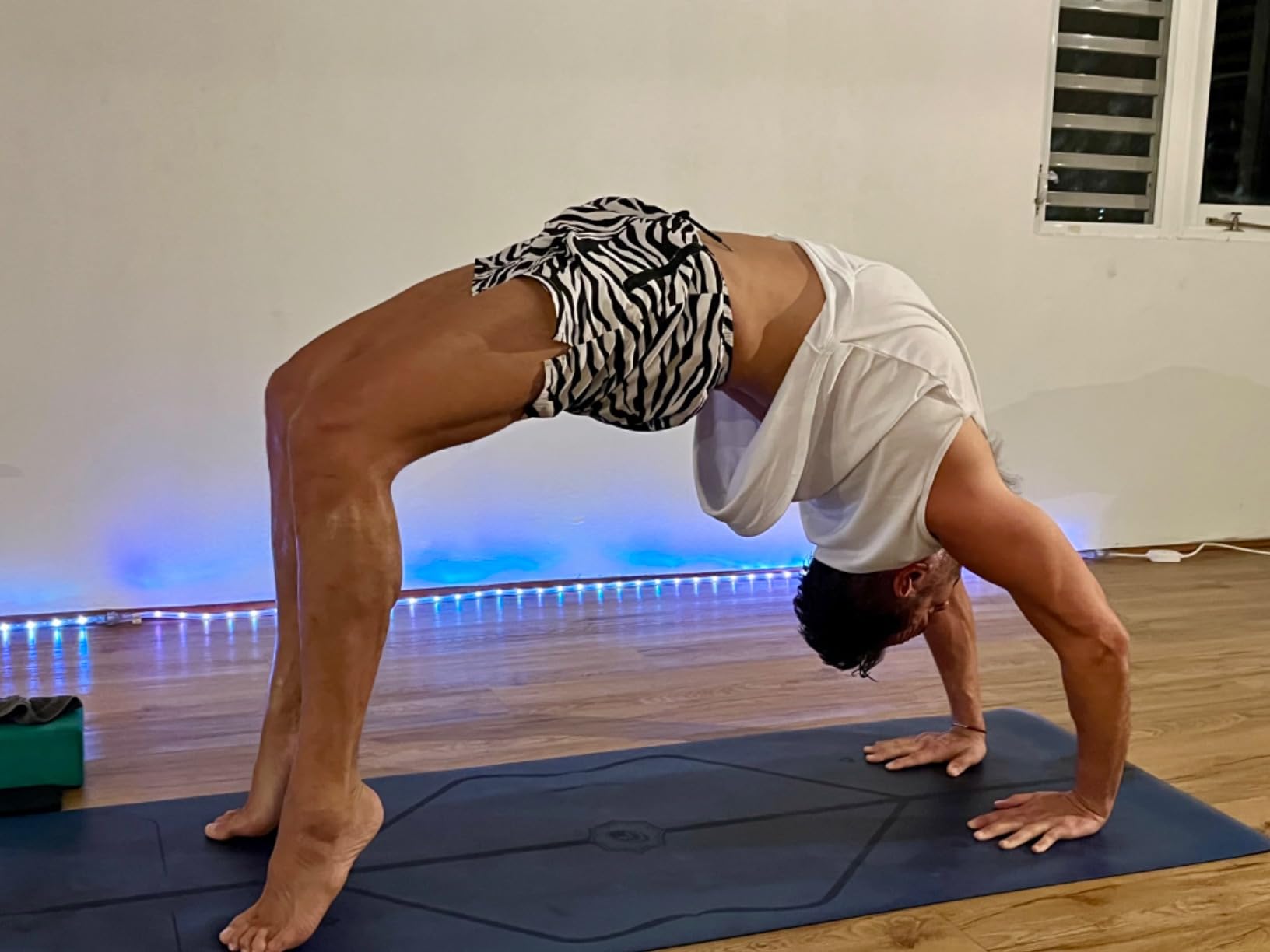
What sets the Liforme apart from every other eco-friendly yoga mat I tested is the AlignForMe system. These intelligent alignment lines are etched into the surface and guide your positioning for every pose. As someone who practices at home without a teacher watching, this feature alone corrected foot placement issues I had carried for years.
The mat uses a combination of natural rubber and an eco-polyurethane top layer. It is completely PVC-free and made with non-toxic materials. At 4.2mm thick and sized at 72.8 by 26.8 inches, it is longer and wider than most standard mats. Taller practitioners and those who like extra space will appreciate the room.
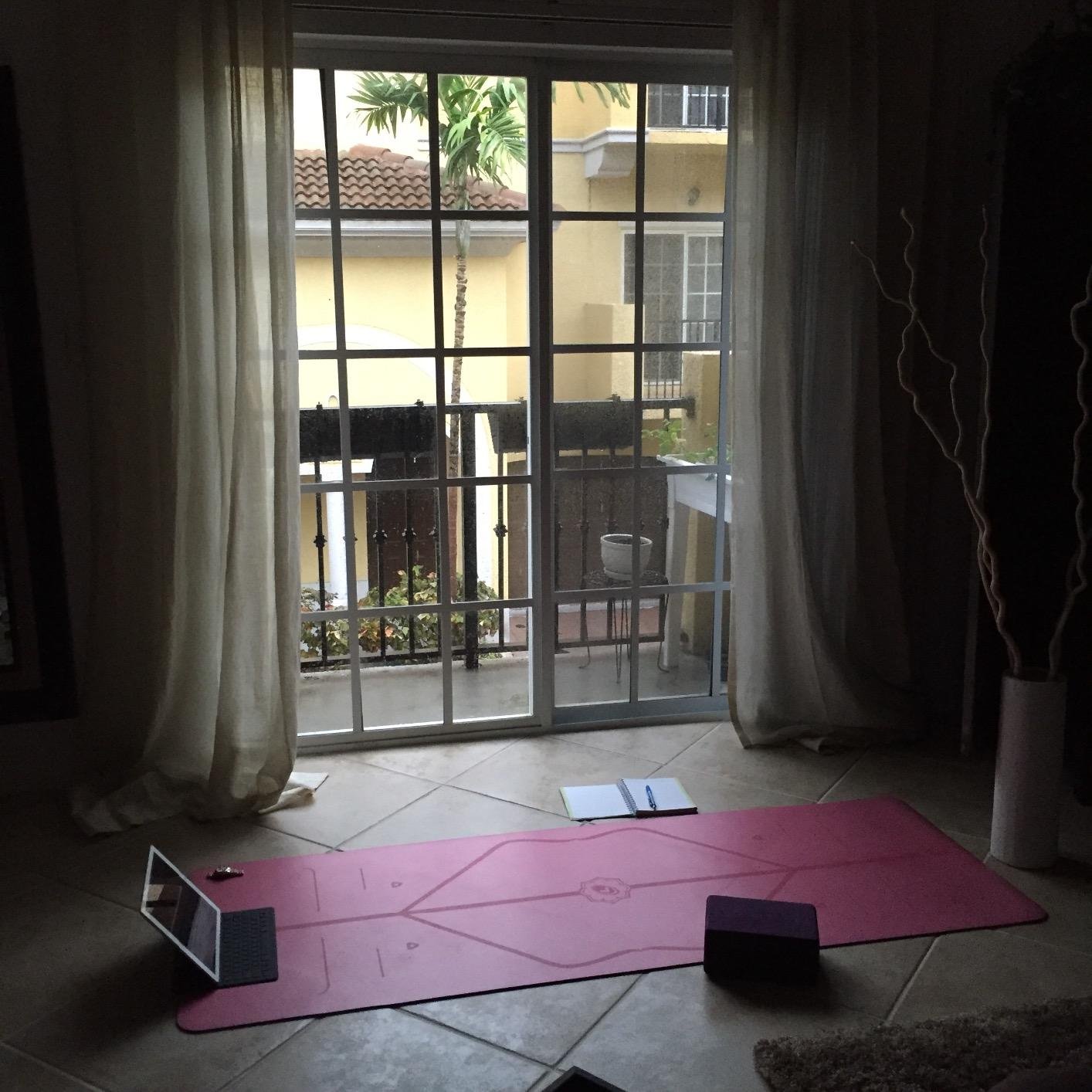
One thing to know about the Liforme is that lighter colors show sweat and body oil stains very visibly. I tested the Golden Sand color, and after a month of daily hot yoga, it looked well-loved. Some practitioners prefer darker colors to hide this. The staining does not affect performance, but it is something to consider if aesthetics matter to you.
Despite being thinner than some cushion-focused mats, the Liforme provides surprising joint comfort. The density of the rubber and polyurethane layer absorbs impact well. I never felt my knees digging into the floor during low lunges or my spine pressing hard during rolling like a beetle.
Who Should Buy the Liforme Original
This mat is ideal for dedicated practitioners who want the best grip available and are willing to invest in premium quality. Hot yoga enthusiasts, vinyasa flow lovers, and anyone who struggles with slipping will find the Liforme transformative. The alignment system makes it especially valuable for home practitioners without regular teacher feedback.
It is also a strong choice for taller yogis who need the extra length and width. If you have been frustrated by standard mats that feel cramped, the Liforme solves that problem while delivering elite performance.
Who Should Skip the Liforme Original
If you are on a tight budget, the Liforme’s premium price may be hard to justify. Casual practitioners who do yoga once a week might not need this level of performance. Similarly, those who prefer very thick cushioning for restorative or yin yoga may find the 4.2mm thickness insufficient for long holds on hard floors.
People who dislike visible wear marks should also think twice. The surface shows every droplet of sweat and every body oil stain, which can be distracting if you like a pristine-looking mat.
2. Ananday Premium Cork Yoga Mat – Best Cork Mat for Hot Yoga
Ananday Premium Cork Yoga Mat – Sustainable, Non-Toxic & PVC-Free, Non-Slip, Perfect for Hot Yoga, Pilates & Exercise – Cushioned for Superior Comfort & Support
Cork top with natural tree rubber base
4mm thick
72 x 24 inches
Plastic-free and PVC-free
Climate neutral certified
Pros
- Grip improves dramatically when wet with sweat
- Eco-friendly cork and natural rubber materials
- Self-cleansing and odor-resistant cork surface
- Beautiful earthy minimalist aesthetic
- No strong chemical smells
- Climate neutral certified with tree planting initiative
Cons
- Lower review count makes long-term satisfaction harder to gauge
- Cork surface may show wear over time
- Requires specific care with natural cleaners
The Ananday cork mat surprised me in the best way possible. I had heard that cork gets grippier when wet, but experiencing it firsthand was a revelation. During a 90-minute hot vinyasa session, the more I sweated, the more my hands and feet stuck to the surface. It feels almost magical compared to conventional mats that turn into slip-and-slides the moment moisture appears.
Ananday is a woman-owned company with climate neutral certification, and they partner with Trees for the Future to plant a tree for every product sold. The mat itself is completely plastic-free, PVC-free, and toxin-free. The cork is sustainably harvested, and the natural tree rubber base provides the cushion that makes this mat comfortable for long sessions.
The cork surface has natural antimicrobial properties. This means the mat resists odors and grime buildup far better than rubber or foam mats. After two months of testing, my Ananday still smelled fresh with nothing more than a quick wipe down after each practice.
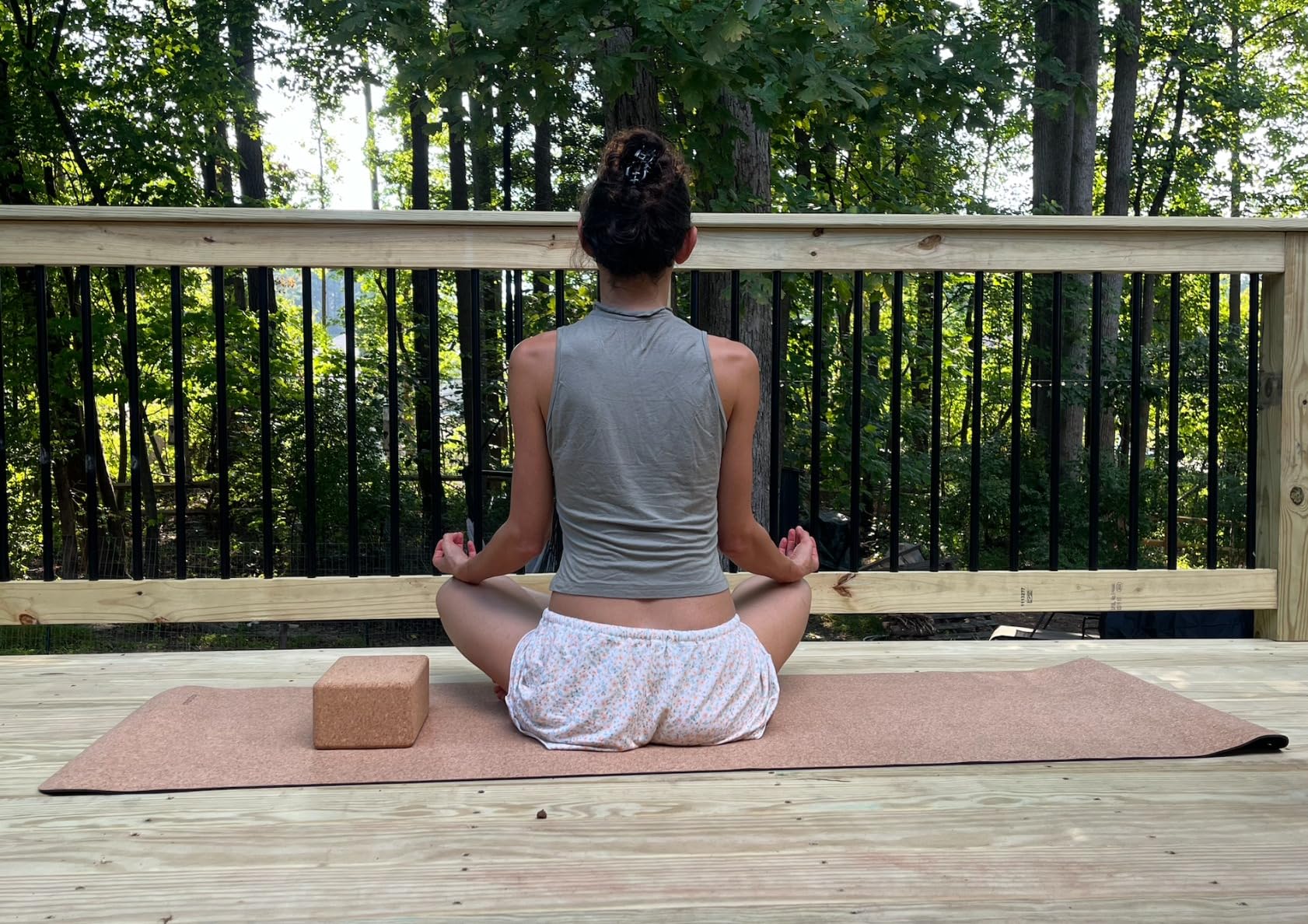
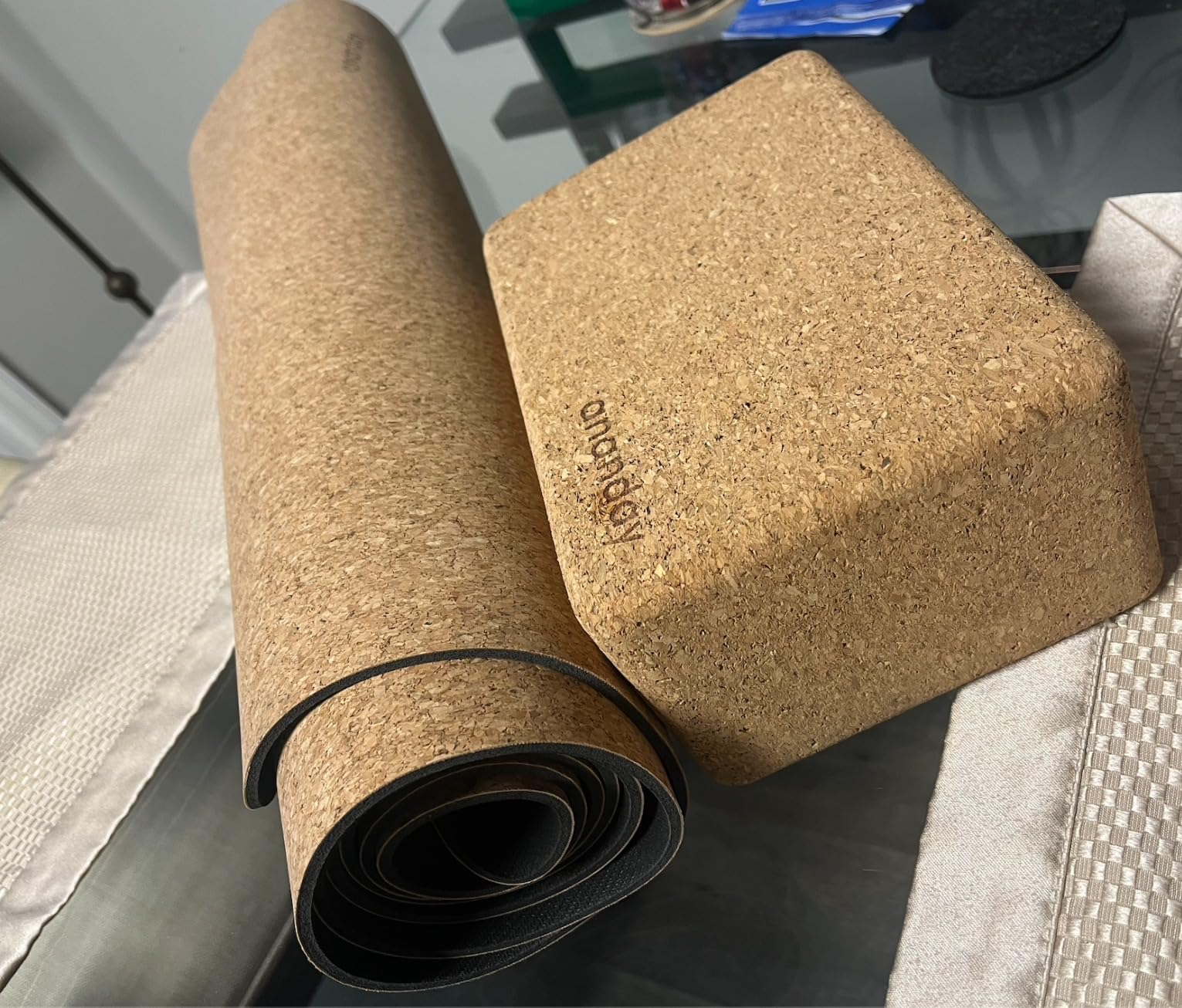
At 4mm thick, the Ananday offers solid cushioning without feeling squishy. It strikes a nice balance for practitioners who want joint protection but also need to feel grounded during standing poses. The natural rubber base adds weight that keeps the mat firmly planted on the floor.
The aesthetic of this mat deserves a mention. The earthy beige cork surface with its minimalist design looks beautiful in any studio or home practice space. It photographs well, which matters if you share your practice on social media or simply appreciate beautiful gear.
Who Should Buy the Ananday Cork Mat
Hot yoga practitioners will love this mat more than almost any other. The way cork responds to moisture makes it the perfect surface for sweaty sessions. If you have been slipping during hot yoga and using towels to compensate, the Ananday eliminates that need entirely.
Eco-conscious buyers who value brand ethics will also appreciate Ananday. The climate neutral certification and tree-planting program demonstrate genuine commitment to sustainability, not just marketing language.
Who Should Skip the Ananday Cork Mat
If you practice primarily gentle or restorative yoga without sweating, you may not experience the full benefit of cork’s moisture-activated grip. In dry conditions, cork provides adequate but not exceptional traction. A natural rubber mat might serve you better for non-sweaty practices.
The lower review count means fewer long-term durability data points. If you want a mat with thousands of reviews confirming years of use, you might prefer a more established brand with a longer track record.
3. Gaiam Cork Yoga Mat – Best Budget Eco-Friendly Option
Gaiam Cork Yoga Mat | Natural, sustainable cork print design stops odors | Non-toxic TPE Rubber Backing | Great for Hot Yoga and Pilates (68″ x 24″ x 5mm thick)
Cork top with TPE backing
5mm thick
68 x 24 inches
Sweat and odor resistant
Lightweight at 4.5 lbs
Pros
- Natural sustainable cork material at an accessible price
- Resists sweat and odors effectively
- Superior grip that increases with moisture and heat
- Ideal for hot yoga practice
- Lightweight and easy to carry
Cons
- May be too thin for practitioners needing extra cushioning
- Print pattern may vary from images
- TPE backing is not fully biodegradable like natural rubber
The Gaiam Cork Yoga Mat proves that you do not need to spend over $100 to get a quality eco-friendly surface. At roughly a third of the price of premium cork mats, this option makes sustainable practice accessible to almost any budget. I was genuinely impressed by how well it performed during testing.
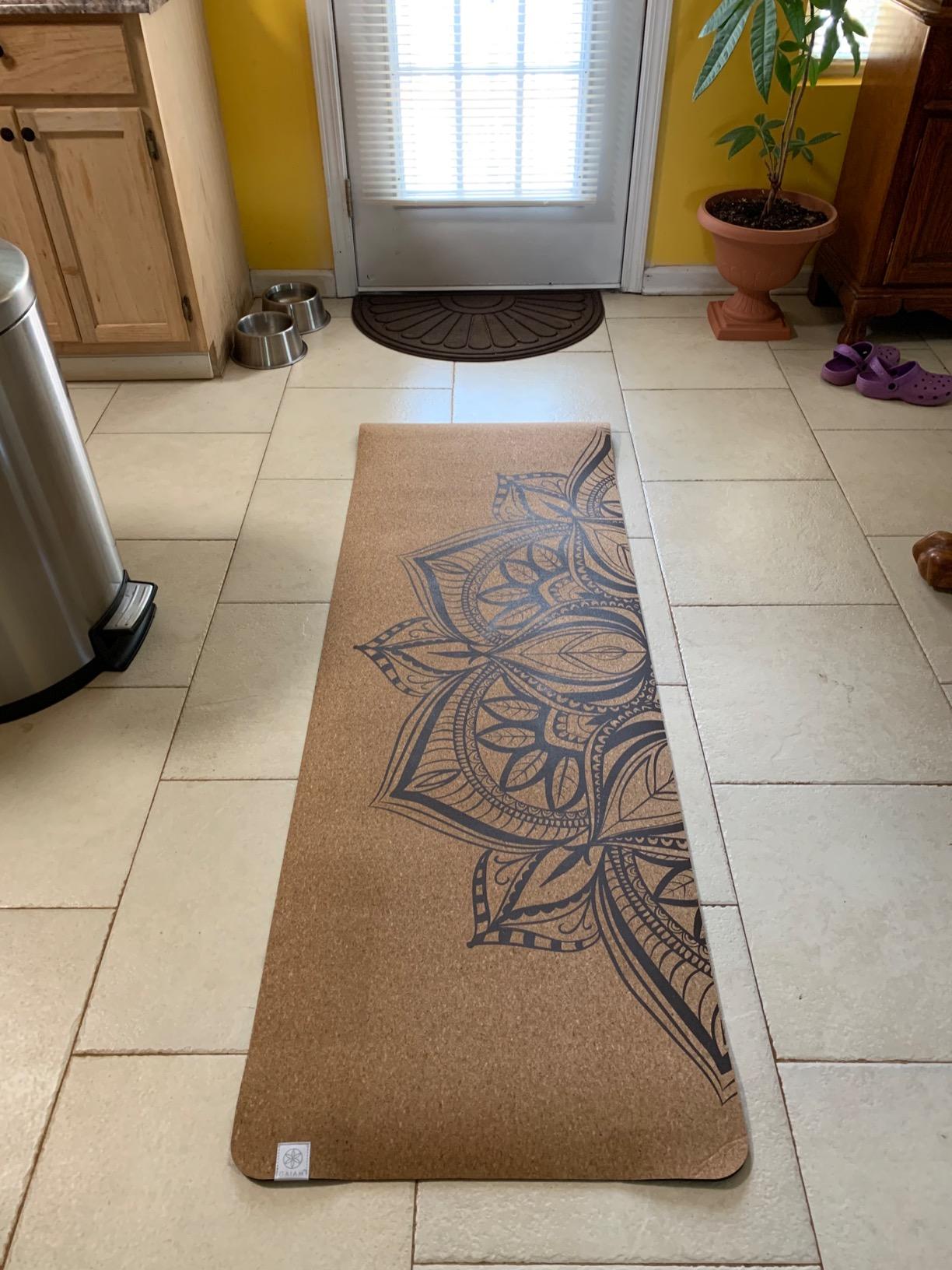
The cork top layer provides the same moisture-activated grip that makes cork mats so popular for hot yoga. As temperatures rise and the cork softens slightly with dampness, the grip improves noticeably. The TPE rubber backing keeps the mat from sliding on the floor and adds a lightweight cushion.
At 5mm thick, the Gaiam offers slightly more cushioning than the Ananday. This makes it a good choice for practitioners who want some joint protection without the premium price tag. The mat weighs about 4.5 pounds, making it portable enough for studio visits.
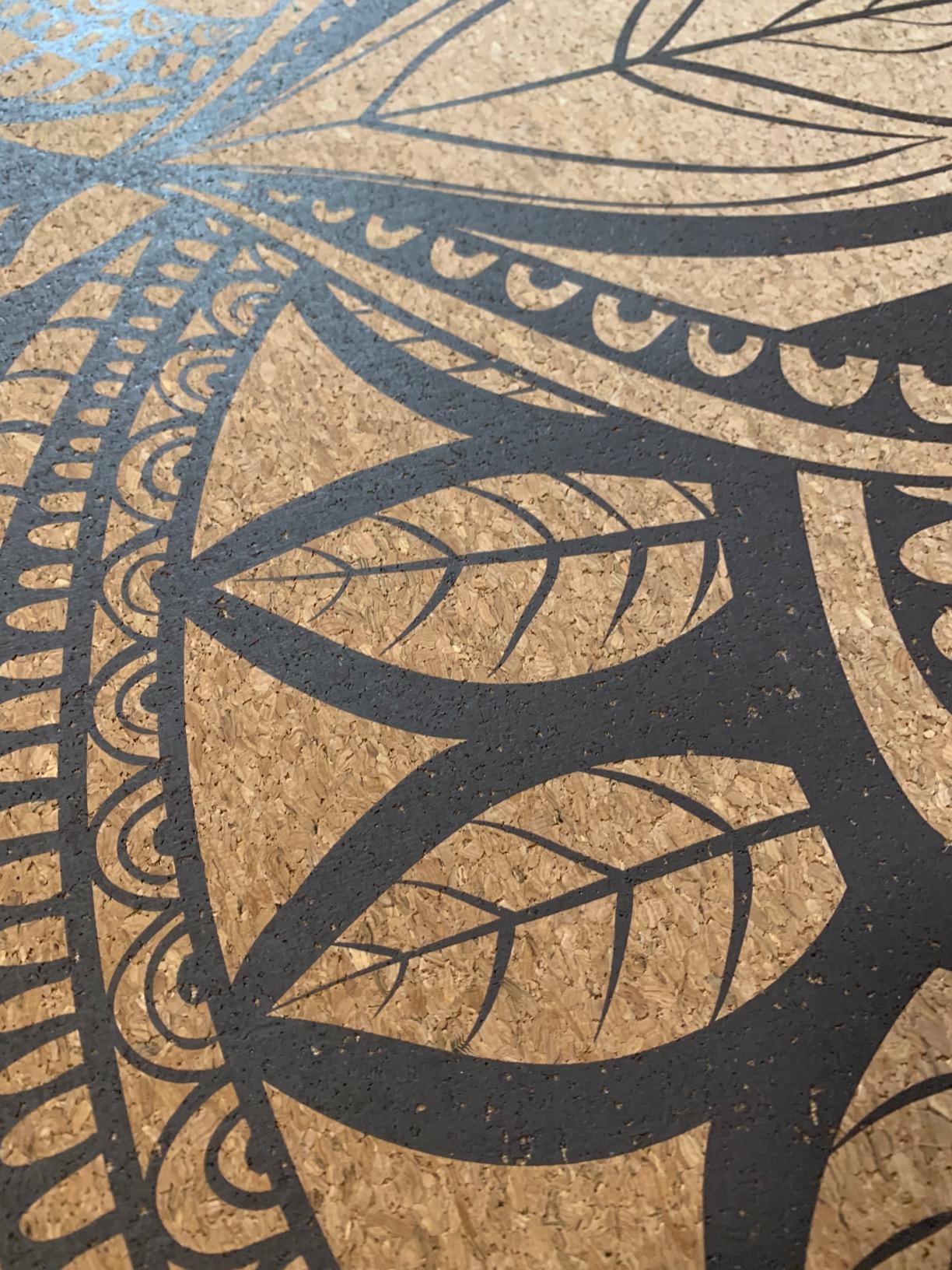
One trade-off to understand is the TPE backing. While TPE is free of PVC, phthalates, and heavy metals, it is not as biodegradable as natural rubber. For buyers focused on end-of-life disposal, this is worth considering. However, TPE is recyclable and far less toxic than PVC, so it remains a meaningful upgrade from conventional mats.
Cork naturally resists odors and does not absorb funky smells, which is a major advantage over foam mats. After weeks of hot yoga practice, my Gaiam cork mat remained fresh with minimal cleaning effort. A quick wipe with a damp cloth after each session was all it needed.
Who Should Buy the Gaiam Cork Mat
Budget-conscious practitioners who want to move away from toxic PVC mats without breaking the bank will find this mat ideal. It delivers the core benefits of cork construction at a price that makes sustainable yoga accessible. Beginners who are just exploring eco-friendly options can start here without a major investment.
Hot yoga students on a budget will especially appreciate the moisture-responsive grip. You get the sweaty-practice performance of cork without the premium price point.
Who Should Skip the Gaiam Cork Mat
Pure sustainability seekers who want fully biodegradable materials should look at all-natural rubber or cork-on-rubber options instead. The TPE backing, while non-toxic, is not as environmentally clean as a 100% natural material construction.
Practitioners needing thick cushioning for knee-heavy practices or joint sensitivity may find 5mm insufficient. Consider a thicker natural rubber mat like the Manduka eKO for maximum joint protection.
4. JadeYoga Harmony Yoga Mat – Best Natural Rubber Mat Overall
JadeYoga Harmony Yoga Mat- Durable & Thick Gym Fitness Mat, Non-Slip Natural Rubber Yoga Mat- Home Exercise & Stretching Mat, Workout Mat- Yoga, Pilate & Meditation for Women & Men (Olive Green, 68”)
Natural open-cell rubber
3/16 inch thick
68 x 24 inches
PVC and phthalate free
Made in USA
Pros
- Exceptional grip phenomenal for sweaty practice
- Excellent stability for balance poses
- Comfortable cushioning without being too soft
- Eco-friendly natural rubber construction
- No PVC or harmful chemicals
- Durable and long-lasting with regular use
- Tree planted for each mat sold
Cons
- Strong rubber smell initially that lingers for months
- Attracts lint hair and debris due to sticky surface
- Slides transitions can be difficult due to grip
- May show wear after 7-8 months of heavy use
The JadeYoga Harmony is the mat I recommend most often to people asking about eco-friendly yoga mats. With nearly 6,000 reviews and a solid 4.4-star rating, it has earned its reputation through years of reliable performance. Made in the USA from natural rubber tapped from rubber trees, it is completely free of PVC, phthalates, heavy metals, and harsh chemicals.
The open-cell rubber construction provides some of the best dry grip available on any mat I have tested. During a regular vinyasa flow, my hands stayed planted through every chaturanga and downward dog. The grip is so aggressive that sliding transitions actually become difficult, which can be either a benefit or a drawback depending on your practice style.
At 3/16 inch thick (roughly 4.75mm), the Harmony offers a balanced feel. It provides enough cushion for kneeling poses while maintaining the stability needed for standing balance work. The weight of 2.2 kilograms makes it portable but substantial enough to stay put during dynamic sequences.
JadeYoga plants a tree for every mat sold through their partnership with Trees for the Future. They have planted over 2.5 million trees since 2006. This gives buyers a tangible environmental benefit beyond simply avoiding PVC.
The biggest complaint about the JadeYoga Harmony is the rubber smell. When I first unrolled mine, the odor was strong and reminded me of a tire shop. It faded over about two months of daily use, but during that period, the smell was noticeable during every practice. If you are sensitive to odors, this is something to prepare for.
The open-cell surface also attracts lint, hair, and dust like a magnet. I found myself cleaning this mat more frequently than any other in the test group. The sticky surface that provides such excellent grip also grabs every bit of debris it contacts.
Who Should Buy the JadeYoga Harmony
This mat is perfect for vinyasa and ashtanga practitioners who prioritize grip above all else. If you have been slipping on cheaper mats and want a natural rubber surface that locks your hands and feet in place, the Harmony delivers. The made-in-USA construction and tree-planting program appeal to buyers who value domestic manufacturing and environmental giving.
It is also an excellent choice for anyone with latex sensitivities who still wants rubber-like grip. JadeYoga uses natural rubber that is processed to reduce allergen proteins.
Who Should Skip the JadeYoga Harmony
People sensitive to rubber smells should avoid this mat or plan to air it out for several weeks before use. The initial odor can be overwhelming for some practitioners, especially in small or poorly ventilated spaces.
Those who practice hot yoga and sweat heavily should also consider alternatives. The open-cell design absorbs sweat, which can eventually make the surface slippery when very wet. A closed-cell mat like the Manduka eKO or a cork mat handles heavy sweating better.
5. Manduka eKO Yoga Mat – Best Premium Natural Rubber Mat
Manduka eKO Yoga Mat 79″ – 5mm | Natural Rubber | Eco-Friendly | Soft Textured Surface | Natural Next-to-Skin Feel | 79 x 24 inches | Midnight
100% natural tree rubber
5mm thick
79 x 26 inches
Closed-cell design
99% latex-free
Pros
- Natural materials and eco-friendly construction
- Textured surface provides good grip and control
- Closed-cell design prevents moisture buildup
- Tear and scratch resistant for durability
- 5mm thickness offers comfort for joints
- Premium quality natural rubber feel
Cons
- Heavier than many other mats at 7 pounds
- Care instructions require avoiding soap sun exposure and soaking
- May require special cleaning products
- Higher price point
The Manduka eKO is the mat I see most frequently in professional yoga studios, and for good reason. Manduka built this mat from 100% natural tree rubber harvested from rubber trees, a rapidly renewable resource. The closed-cell design means moisture stays on the surface rather than soaking into the mat, which is a significant advantage for hygiene and durability.
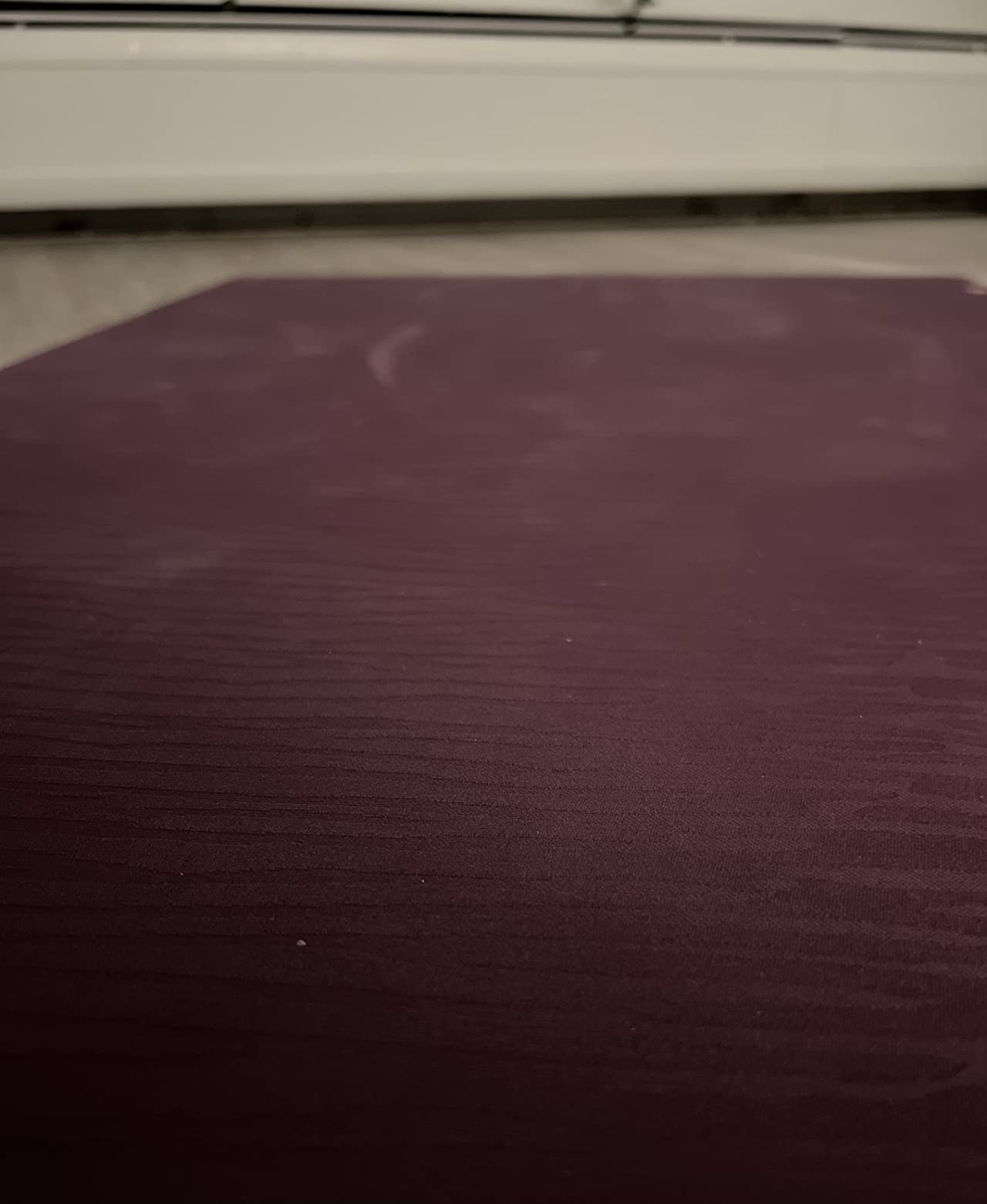
During testing, the rippled Catch-Grip texture provided consistent traction across all pose types. The grip is not as aggressive as the JadeYoga Harmony, but it is reliable and does not become slippery with moderate sweating. For practitioners who want grip without their mat feeling sticky, the eKO hits a sweet spot.
At 5mm thick, this mat offers excellent joint cushioning. I found it particularly comfortable during yin yoga sessions with long-held poses where knee and hip pressure builds over time. The extra cushioning makes a real difference for restorative practices.
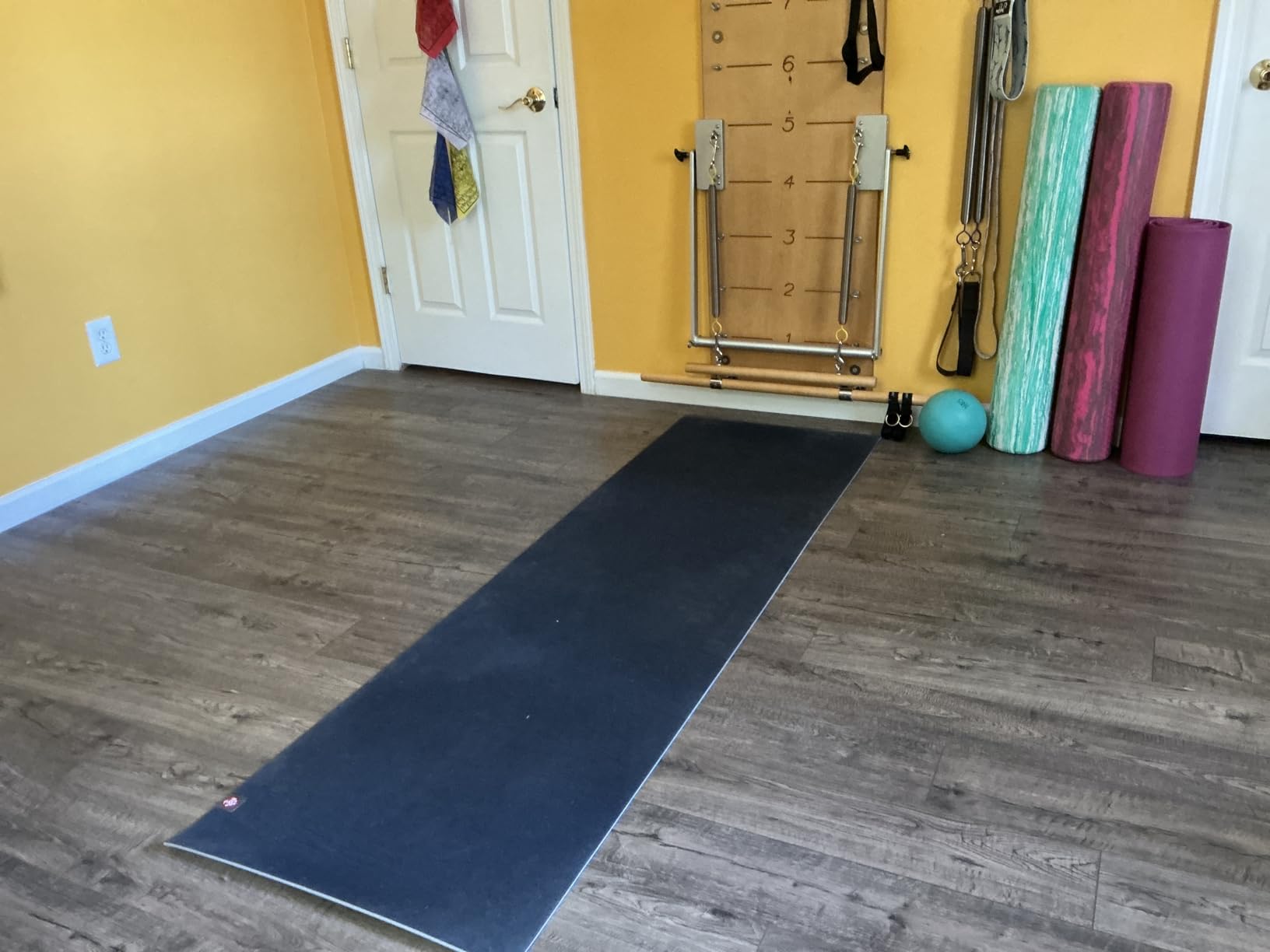
The trade-off for all this quality is weight. The Manduka eKO weighs 7 pounds, making it one of the heaviest mats in this roundup. If you walk or bike to your studio, you will feel every ounce of that weight. For home practitioners or those who drive to class, the weight is less of an issue.
Care is also more demanding than with other mats. Manduka specifically warns against using soap, soaking the mat, or exposing it to direct sunlight. They recommend their proprietary Natural Rubber Yoga Mat Restore spray for cleaning. Following these instructions keeps the mat in top condition but adds ongoing maintenance cost.
Who Should Buy the Manduka eKO
Studio owners and dedicated daily practitioners will get the most value from the Manduka eKO. Its tear and scratch resistance means it holds up to years of heavy use. If you practice multiple times per week and want one mat that will last, this is a smart investment.
The closed-cell design makes it ideal for practitioners concerned about hygiene. Since sweat and bacteria cannot penetrate the surface, the mat stays cleaner internally than open-cell alternatives.
Who Should Skip the Manduka eKO
Travelers and commuters should look elsewhere due to the 7-pound weight. Lugging this mat on public transit or a long walk gets old quickly. Consider a lighter cork or jute option if portability is a priority.
Those who prefer simple cleaning routines may find the care requirements frustrating. If you want to wipe your mat with basic soap and water and call it done, the eKO’s specialized care needs will feel like a hassle.
6. Body By Yoga Luxury Cork Yoga Mat – Best Cork Mat for Durability
Luxury Cork Yoga Mat – Non Slip, Extra Thick Grip. Thicker, Longer, and Wider for More Comfort and Support. Tough Enough For Hot Yoga. Natural, Non Toxic, and Eco Friendly. Optional Alignment Lines. (Rooted, Mini 72″ x 24″ x 4.25mm)
Premium cork grain with natural rubber base
4.25mm thick
72 x 24 inches
Water-based adhesive
EU REACH compliant
Pros
- Premium high-quality cork grain with up to 6x more cork
- Non-slip grip improves with moisture
- Designed by yoga instructors with years of teaching experience
- Thicker cork layer for better grip and durability
- Easy to clean and maintain
- Natural rubber base helps mat lay flat
Cons
- Premium price point
- Hand wash only care requirement
- Limited stock availability at times
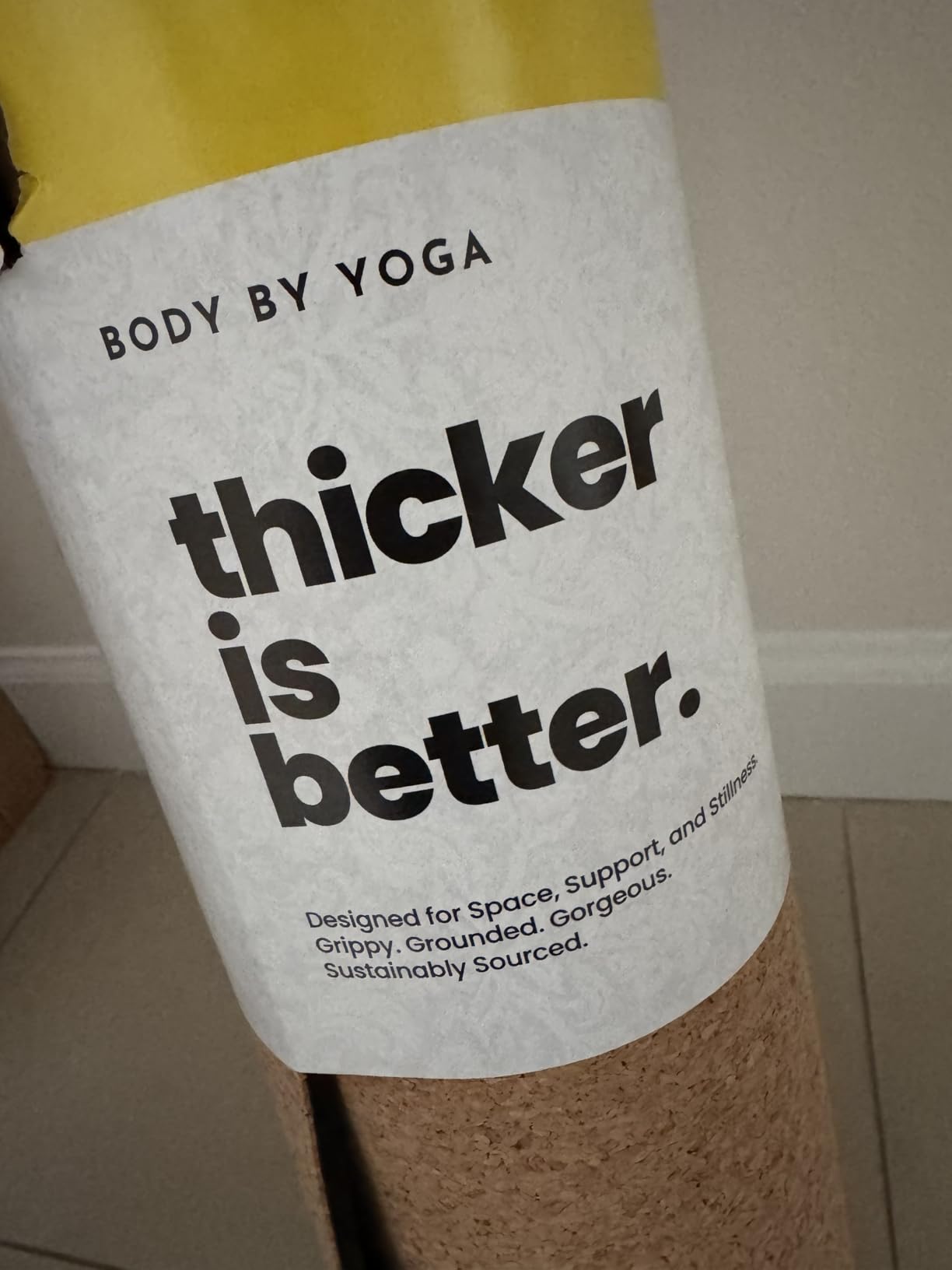
The Body By Yoga Luxury Cork Mat caught my attention because of its claim to contain up to six times more cork than standard mats. When I unrolled it, the difference was immediately apparent. The cork surface feels denser and more substantial than thinner cork layers on competing mats. This extra material translates to better grip and improved longevity.
Designed by actual yoga instructors, the mat reflects real classroom experience. The optional alignment lines help with positioning without being as visually prominent as the Liforme system. The cork and natural rubber construction uses water-based adhesive and meets EU REACH compliance standards for chemical safety.
During hot yoga testing, the moisture-activated grip performed beautifully. The denser cork surface seemed to respond even more quickly to sweat than thinner cork mats I tested. By the second sun salutation, my hands were locked in place regardless of how much I was perspiring.
At 4.25mm thick with a natural rubber base, the mat stays flat on the floor without curling at the edges. This seems like a small detail, but anyone who has fought with a mat that will not lie flat during practice knows how annoying curling edges can be. The Body By Yoga mat settled into place immediately and stayed put.
The mat has earned recognition from Vogue, Glamour, Greatist, and other publications. While media mentions do not guarantee quality, they do indicate that this product has been noticed beyond the yoga community. With 874 reviews and a 4.5-star rating, customer satisfaction is genuinely strong.
Who Should Buy the Body By Yoga Luxury Cork Mat
Practitioners who want a cork mat that will last for years should consider this option. The thicker cork layer resists the wear and degradation that can affect thinner cork surfaces over time. If you practice daily and want one durable cork mat, this is built for longevity.
Hot yoga fans who want alignment guidance will appreciate the optional alignment lines combined with moisture-activated grip. You get the performance benefits of cork with the positioning help typically found only on rubber mats.
Who Should Skip the Body By Yoga Luxury Cork Mat
The premium price places this mat in the upper tier of the cork mat market. If budget is a primary concern, the Gaiam Cork or Ananday offer cork benefits at lower price points. You are paying a premium for the extra cork thickness and instructor-designed features.
The hand-wash-only care requirement may deter those who prefer machine-washable options. If low maintenance is a priority, consider the Live Well 360 cotton mat which can go in the washing machine.
7. Yoga Design Lab Cork Yoga Mat – Best Travel-Friendly Cork Mat
YOGA DESIGN LAB | The Cork Yoga Mat | Eco Luxury | Ideal for Hot Yoga, Power, Bikram, Ashtanga, Sweaty Workouts | Studio Quality | Includes Carrying Strap! (Mandala Black, 1.5mm)
Cork top with natural rubber base
Multiple thickness options
70 x 24 inches
Includes carrying strap
Lightweight at 1.38 kg
Pros
- Eco-friendly natural rubber and sustainable cork construction
- Cork surface provides excellent grip that improves with sweat
- Lightweight and portable design
- Includes carrying strap for easy transport
- Cushions and protects joints during practice
- Good for hot yoga and sweaty workouts
- Multiple thickness options available
Cons
- Thinner option may provide less cushioning
- Lower sales rank suggests less popular than competitors
- Mandala pattern may not appeal to all users
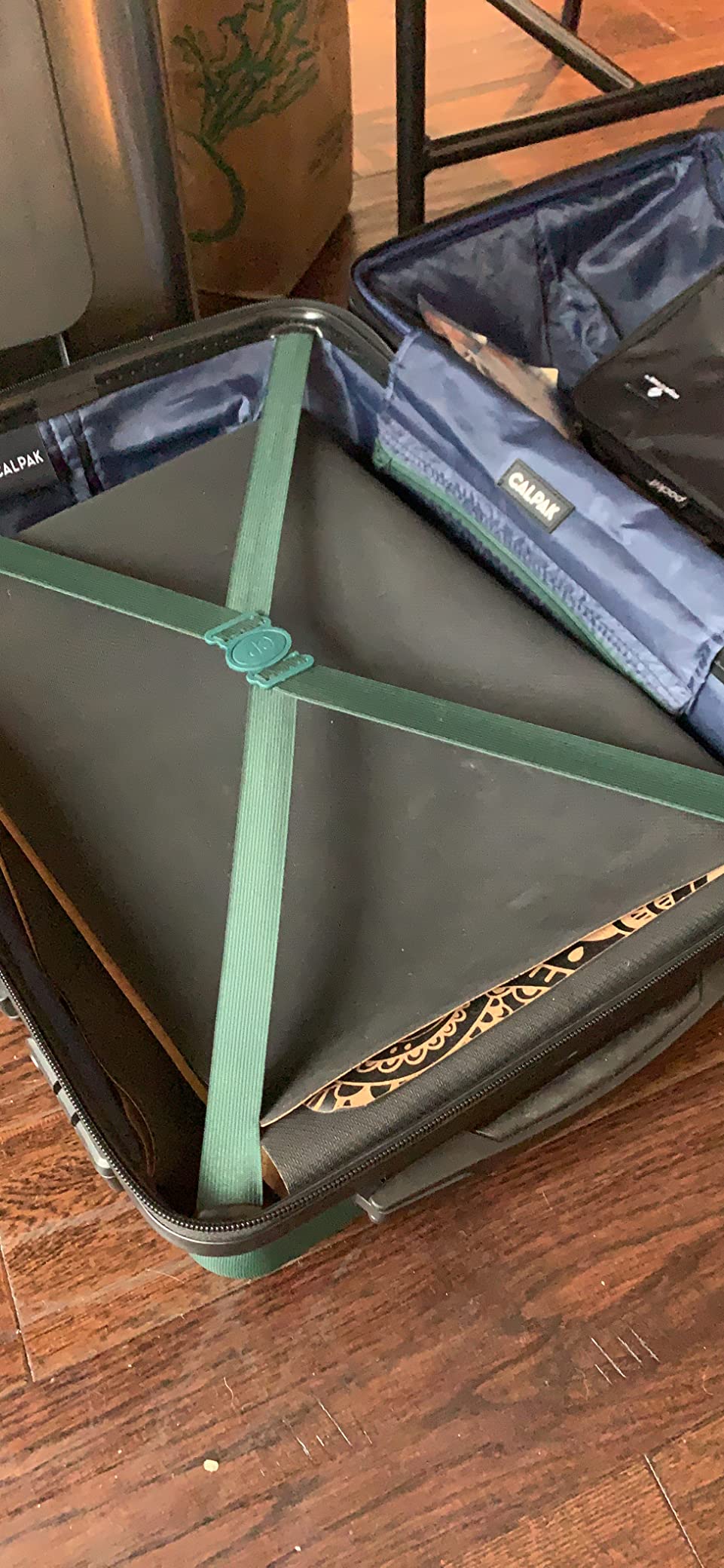
The Yoga Design Lab Cork Yoga Mat stands out for its portability and style. At just 1.38 kilograms, it is one of the lightest cork-and-rubber mats available. The included carrying strap means you can sling it over your shoulder and walk to the studio without a bulky bag. For urban practitioners who commute on foot or by transit, this design solves a real problem.
The mat features a 100% natural rubber base with a sustainable cork top layer. This construction delivers the moisture-activated grip that makes cork mats so effective for hot yoga. The natural rubber provides cushioning while remaining stable during dynamic movements.
What makes this mat unique is the availability of multiple thickness options. You can choose from 1.5mm, 3.5mm, or 5.5mm depending on your needs. The thinnest option works as a travel mat or a topper over a studio mat, while the thickest version provides full cushioning for joint-sensitive practices.
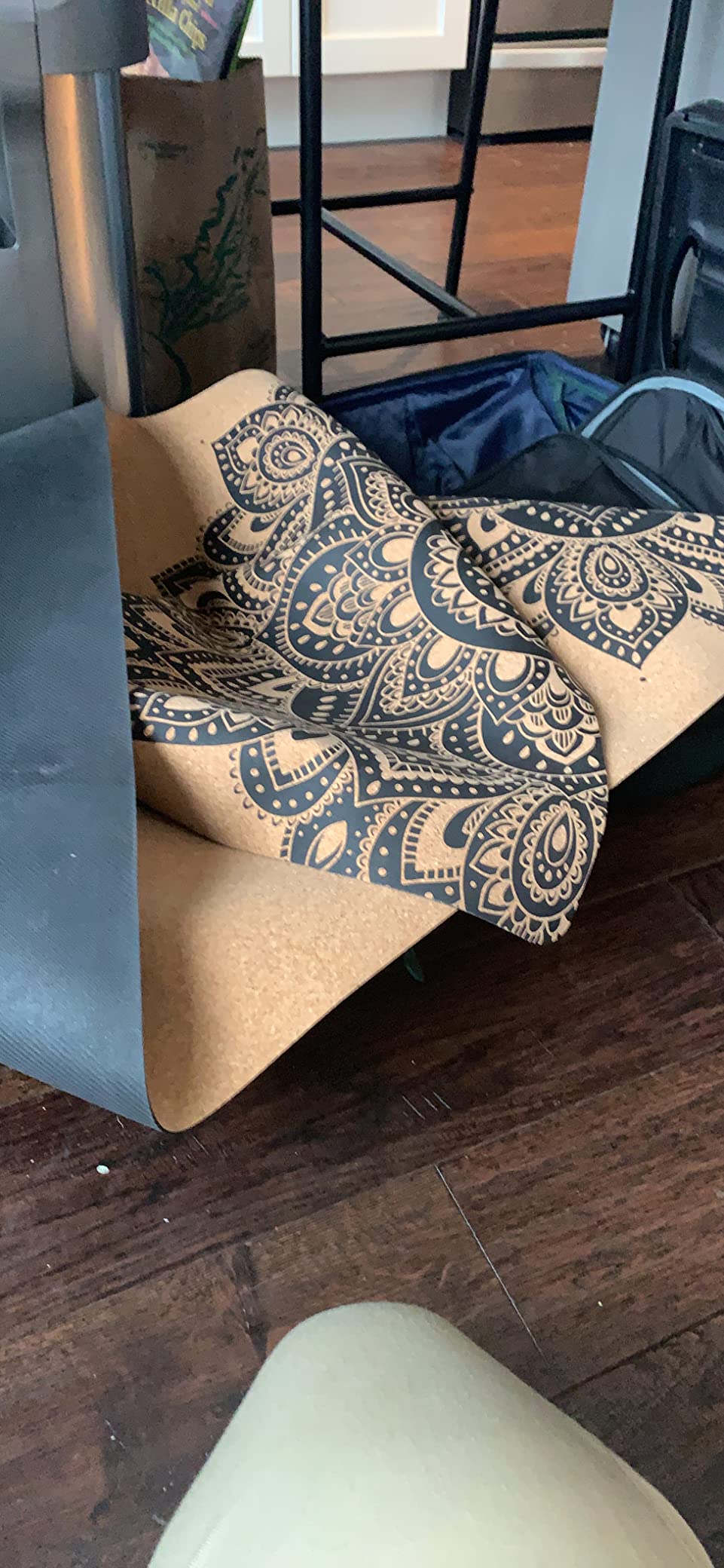
I tested the 3.5mm version and found it hit a comfortable middle ground. There was enough cushion for kneeling poses without sacrificing the floor-feel needed for balance work. The cork surface responded quickly to moisture, gripping better as my practice intensified.
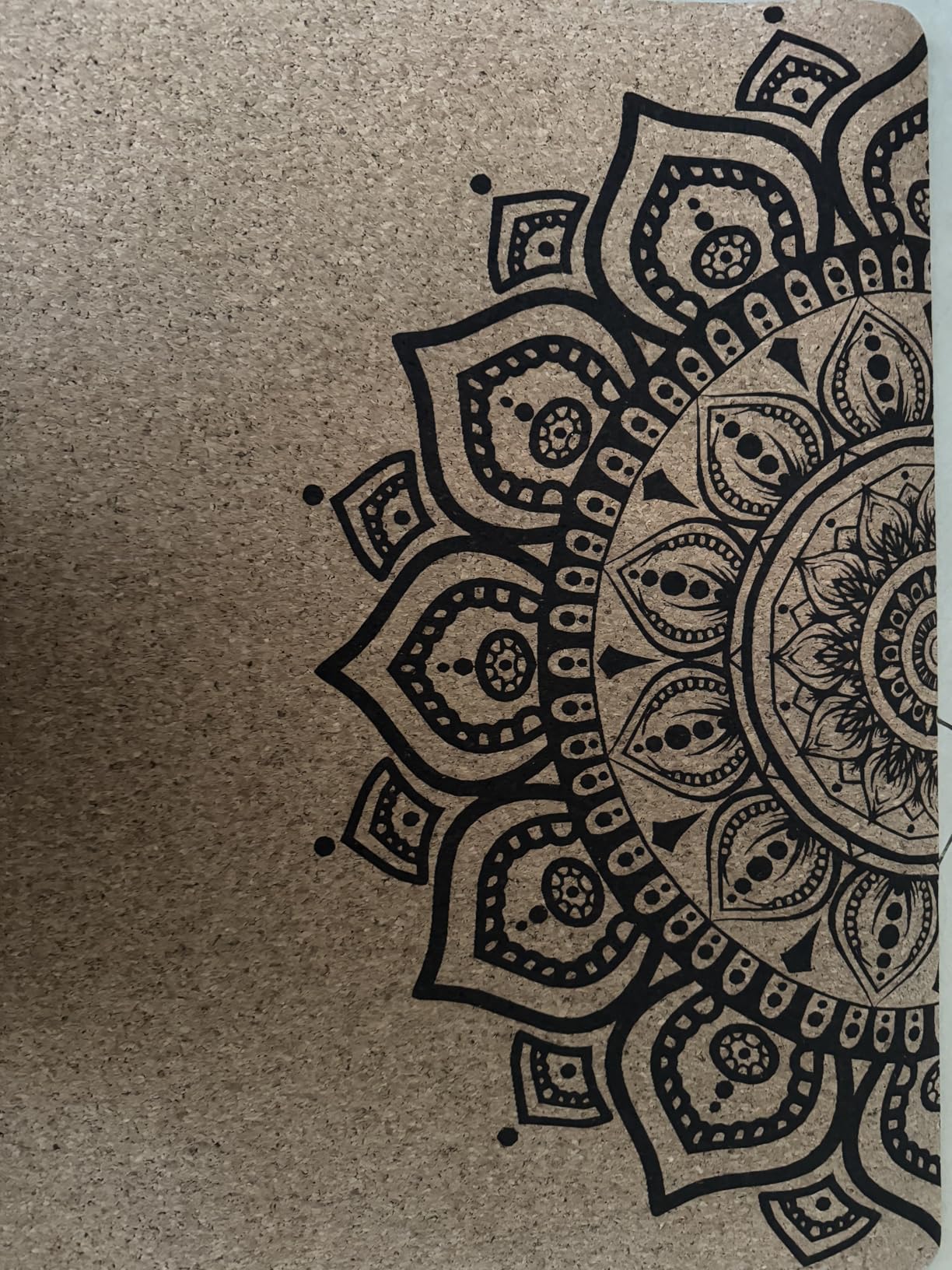
The Mandala Black pattern gives this mat a distinctive look that stands out in a studio full of solid-colored mats. Aesthetic preferences are subjective, but if you appreciate visual design in your yoga gear, Yoga Design Lab clearly puts effort into making beautiful products.
Who Should Buy the Yoga Design Lab Cork Mat
Traveling yogis and urban commuters are the primary audience for this mat. The light weight and carrying strap make it the most portable cork option in this roundup. If you practice at multiple locations or travel frequently, this mat fits easily into your routine.
Style-conscious practitioners who want functional gear that also looks great will appreciate the design effort. The patterned surface and color options let you express personality through your mat.
Who Should Skip the Yoga Design Lab Cork Mat
If you need maximum cushioning for joint-heavy practices, even the 5.5mm option may not match the comfort of a dedicated thick rubber mat like the Manduka eKO. Practitioners with sensitive knees or those doing mostly restorative yoga should prioritize cushioning over portability.
Those who prefer minimalist aesthetics might find the mandala pattern too busy. The design is a selling point for some and a drawback for others, so consider your visual preferences before purchasing.
8. Gaiam Jute Yoga Mat – Best Jute Mat for Natural Texture
Gaiam Jute Yoga Mat
All-natural jute with PER backing
5mm thick
68 x 24 inches
Reversible design
Moisture-absorbent
Pros
- All-natural jute combined with non-slip PER
- Lightweight and easy to transport
- Sustainable and moisture-absorbent
- Ideal for hot yoga
- Dense cushion and joint support
- Reversible with different grip textures
Cons
- Can be scratchy initially before breaking in
- May fade with prolonged sun exposure
- Strong initial odor requires airing out
- Some users report it can be slippery when very sweaty
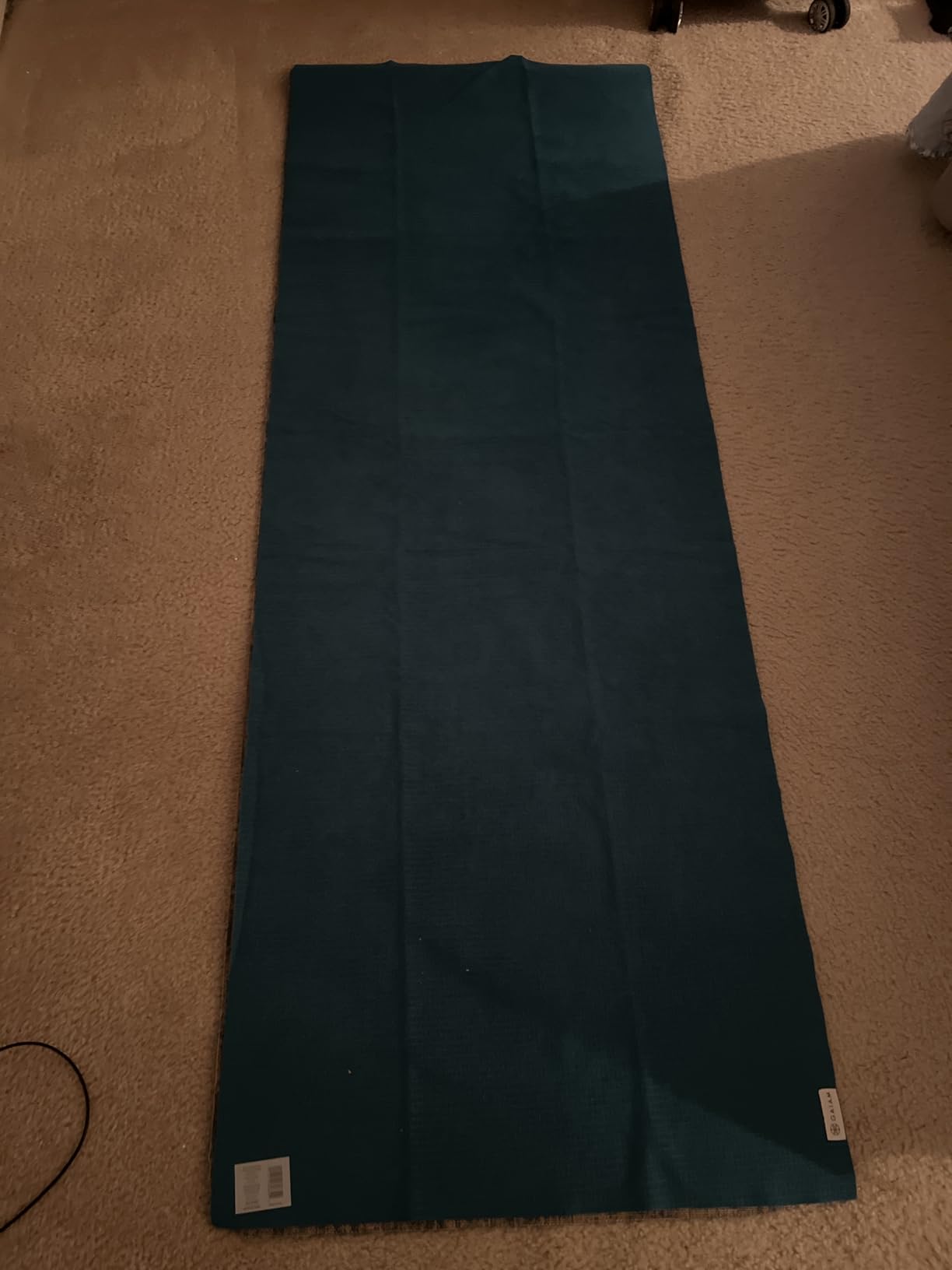
The Gaiam Jute Yoga Mat offers something genuinely different from the rubber and cork options dominating this list. Jute is a natural plant fiber known for its strength, breathability, and eco-friendly properties. When I unrolled this mat, the textured surface felt immediately distinct from any synthetic or rubber mat I had used.
The mat combines all-natural jute with a PER (Polymer Environmental Resin) backing. PER is a non-toxic alternative to PVC that provides the non-slip grip needed to keep the mat anchored during practice. While not as purely natural as 100% rubber, PER is latex-free, silicone-free, and far less toxic than conventional PVC.
During testing, I appreciated the reversible design. Each side offers a different grip texture, essentially giving you two mats in one. The jute side provides a textured, grounding feel that works well for standing poses, while the PER side offers a smoother surface for seated and reclining postures.
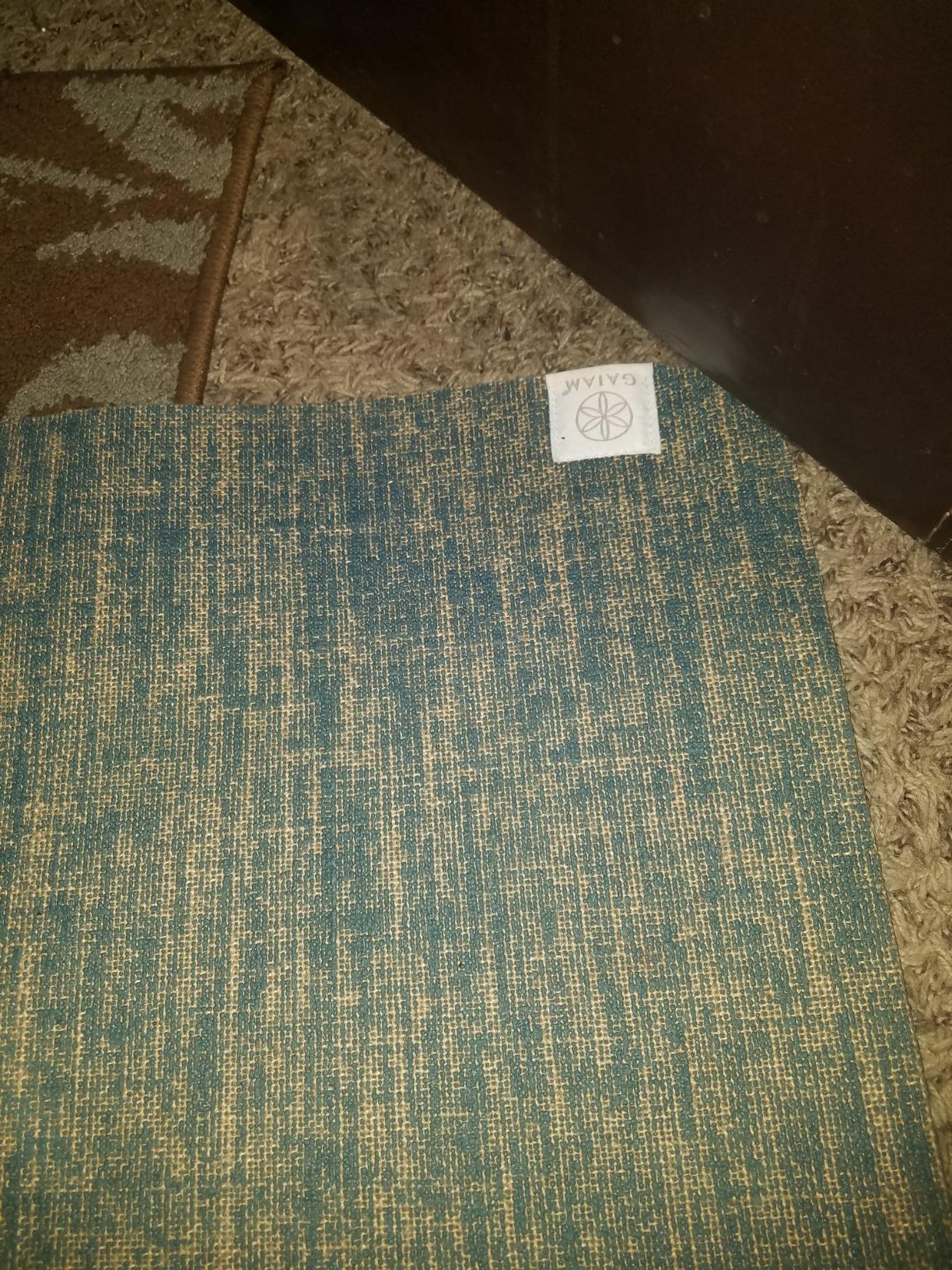
The moisture-absorbent quality of jute makes this mat interesting for hot yoga. Rather than repelling sweat like cork or rubber, jute absorbs it. This keeps the surface from becoming slippery, though the mat does get heavier as it absorbs moisture. I found it best for moderately sweaty practices rather than soaking-wet hot yoga sessions.
The initial scratchiness of the jute surface surprised me during my first few sessions. It took about a week of daily practice for the fibers to soften enough to feel comfortable against bare skin. If you have sensitive skin, this break-in period is worth knowing about in advance.
Who Should Buy the Gaiam Jute Yoga Mat
Practitioners looking for a natural texture and earthy feel will love this mat. The jute surface provides a tactile connection to natural materials that synthetic mats cannot replicate. If you value the sensory experience of your practice, jute adds an element that rubber and cork do not.
Budget-conscious buyers will also appreciate the accessible price point. This is one of the most affordable ways to move away from PVC while getting a mat made from natural plant fibers.
Who Should Skip the Gaiam Jute Yoga Mat
Those with sensitive skin or who dislike textured surfaces should look elsewhere. The jute fibers can feel scratchy, especially before the mat breaks in. If you prefer a smooth surface against your skin, a cork or rubber mat will be more comfortable.
Hot yoga practitioners who sweat profusely may find the absorbent nature of jute problematic. The mat gets heavier as it absorbs sweat and takes longer to dry than non-absorbent materials. Cork or closed-cell rubber handles heavy sweating better.
9. Myga Jute Yoga Mat – Best Budget Biodegradable Option
Myga Jute Yoga Mat – High Performance Vegan Floor Exercise Mat – Eco Friendly Biodegradable Yoga Mat with PVC Backing – 72″ x 24″ – 0.2″ Thickness Black
Biodegradable jute with PVC backing
5mm thick
72 x 24 inches
Sweat and odor repelling
Multiple colors available
Pros
- Eco-friendly biodegradable jute fiber
- PVC backing for great grip
- 5mm thickness provides good cushioning
- Non-slip surface
- 100% biodegradable and repels sweat and smells
- Available in multiple colors
Cons
- Hand wash only care requirement
- May not be suitable for advanced practitioners needing professional-grade grip
- PVC backing is not as eco-friendly as natural rubber
The Myga Jute Yoga Mat is the most affordable option in this entire roundup, and it still manages to deliver genuine eco-friendly credentials. The jute fiber surface is 100% biodegradable, meaning it will break down naturally at the end of its life rather than sitting in a landfill for centuries like PVC mats.
Jute is a long, soft, shiny bast fiber that can be spun into coarse, strong threads. It is known for being breathable, durable, and naturally eco-friendly. The Myga mat uses this material for the top surface while adding a PVC backing for grip and stability. While the PVC backing is not as clean as natural rubber, the overall construction is a significant improvement over all-PVC mats.
At 5mm thick, the Myga provides comfortable cushioning for joint protection. During testing, I found it adequate for vinyasa flow and gentle yoga. The mat repels sweat and odors reasonably well, though not as effectively as cork’s natural antimicrobial properties.
The non-slip surface performed adequately during dry practice sessions. However, during sweaty hot yoga, the grip was not as reliable as cork or natural rubber alternatives. I would recommend this mat for regular temperature practice rather than heated sessions.
The mat is available in multiple colors, which gives buyers some aesthetic choice at this price point. For under $40, you get a biodegradable jute surface that represents a meaningful step away from conventional toxic yoga mats.
Who Should Buy the Myga Jute Mat
Beginners and casual practitioners who want an affordable entry into eco-friendly yoga gear will find this mat perfect. The low price makes it accessible without compromising on the core sustainability benefit of jute fiber. If you are just starting your yoga journey and want to avoid PVC from day one, this is a smart starting point.
Those who want a biodegradable end-of-life option will also appreciate this mat. When it eventually wears out, the jute components will decompose naturally rather than persisting as environmental waste.
Who Should Skip the Myga Jute Mat
Advanced practitioners and hot yoga enthusiasts should invest in higher-performance options. The grip and durability of this mat simply cannot match premium cork or natural rubber alternatives. If yoga is a daily serious practice for you, spending more will deliver better long-term value.
Sustainability purists who object to any PVC use should note the PVC backing. While the jute surface is biodegradable, the backing layer is not. Look for all-natural rubber or cork options if avoiding PVC entirely is important to you.
10. Live Well 360 Organic Cotton Yoga Mat – Best Cotton Yoga Rug
Organic Cotton Woven Yoga Mat – Unbleached, Undyed, All-Natural, Washable, and Toxic-free Cloth Yoga Mat – Mysore, Hand-made Mat for Outdoor and Indoor – 78″x27″ (Unbleached Cotton)
100% organic cotton
Handwoven in India
78 x 27 inches
Machine washable
Fair-trade supported
Pros
- 100% organic cotton material
- Handwoven by artisans in India
- Non-toxic and chemical-free
- Machine washable for easy cleaning
- Lightweight and portable
- Natural cooling and moisture-wicking properties
Cons
- No rubber backing causes slipping on hard floors
- Requires additional non-slip mat for floor use
- May not be suitable for intense yoga practice
- Some questions about organic certification
The Live Well 360 Organic Cotton Yoga Mat is unlike any other mat in this roundup. It is essentially a traditional yoga rug made from 100% organic cotton, handwoven by artisans in India. This style of mat follows the ancient Mysore yoga tradition where cotton rugs have been used for centuries. If you practice Ashtanga or traditional yoga, this format will feel authentic and grounded.
The chemical-free construction is about as clean as it gets. There is no rubber, no polyurethane, no synthetic materials of any kind. For practitioners with severe chemical sensitivities or multiple allergies, a pure cotton mat eliminates concerns about off-gassing, latex exposure, or synthetic material reactions.
Machine washability is this mat’s superpower. Unlike rubber and cork mats that require careful hand cleaning with specific products, you can throw the Live Well 360 cotton mat directly into your washing machine. After a sweaty practice week, a quick wash cycle leaves it fresh and clean. This convenience cannot be overstated.
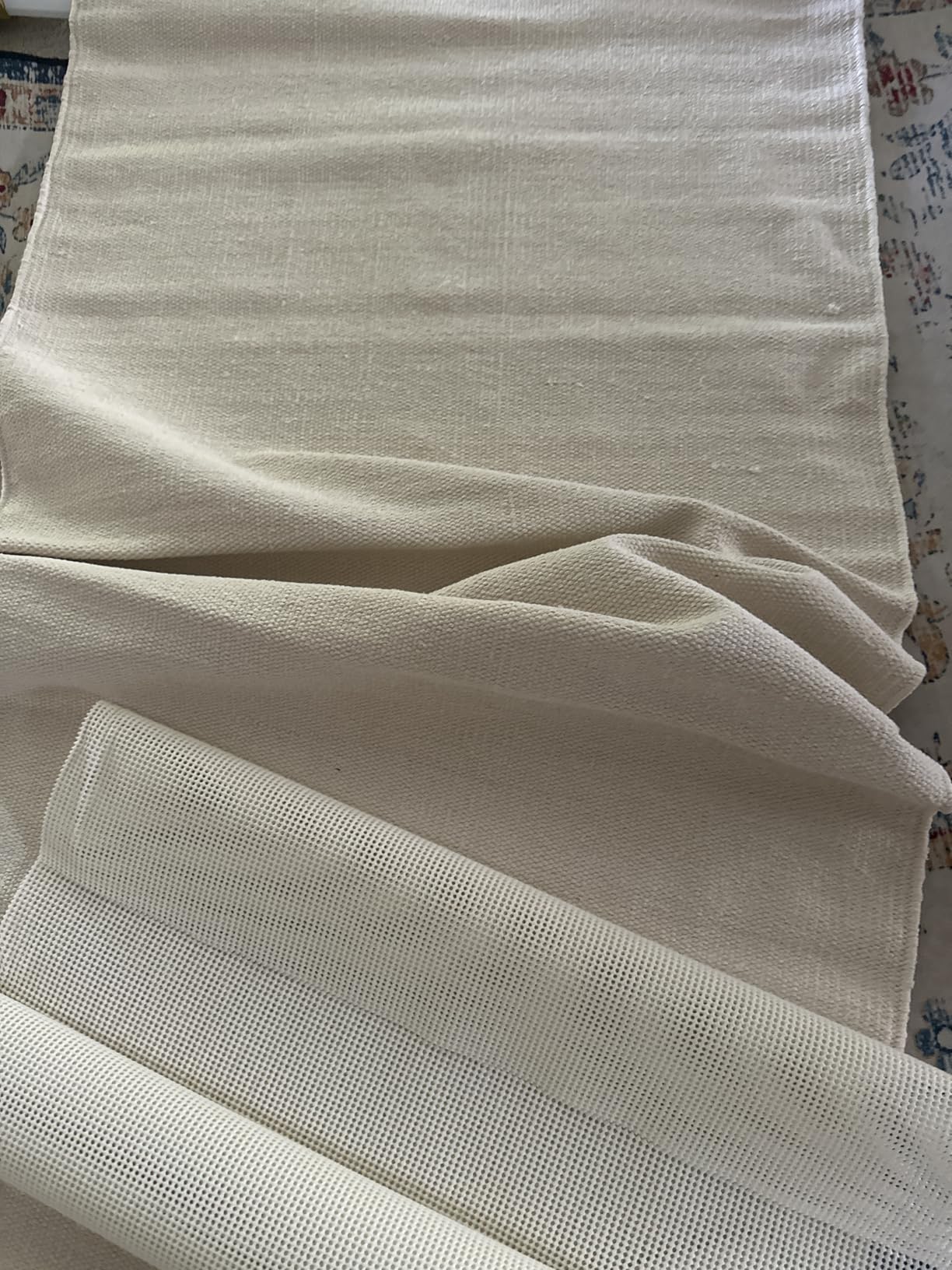
The mat measures 78 by 27 inches, making it longer and wider than standard mats. Taller practitioners and those who like extra space will appreciate the generous dimensions. At just 2 pounds, it is also one of the lightest options in this guide.
The critical limitation to understand is that cotton has no natural grip on hard floors. Without a rubber backing, this mat will slide on wood, tile, or laminate surfaces. Most users place it over a sticky base mat or use it on carpet. In the Mysore tradition, practitioners dampen the cotton rug slightly to improve grip for standing poses.
Who Should Buy the Live Well 360 Cotton Mat
Ashtanga and Mysore-style practitioners will feel right at home with this traditional cotton rug format. The authentic practice experience and natural materials create a connection to yoga’s roots that synthetic mats cannot provide. If you practice in this tradition, this mat is purpose-built for your needs.
Anyone with chemical sensitivities who reacts to rubber, polyurethane, or other synthetic materials should seriously consider a pure cotton option. The Live Well 360 eliminates every potential irritant while still providing a functional practice surface.
Who Should Skip the Live Well 360 Cotton Mat
Vinyasa and power yoga practitioners who move dynamically between poses need a grippy surface that stays put. This cotton mat will slide on hard floors during fast transitions unless paired with a non-slip underlayer. If your practice involves jumping through, chatturanga flows, or quick directional changes, choose a rubber or cork mat instead.
Those who practice on hard floors without carpet need to understand they will need a separate sticky mat as a base. This adds cost and complexity that some buyers may not want to deal with. Factor in the price of a non-slip undermat when considering this option.
How to Choose the Best Eco-Friendly Yoga Mat?: Buying Guide
Choosing the right sustainable yoga mat involves understanding materials, knowing which certifications matter, and matching thickness to your practice style. This buying guide breaks down everything you need to make an informed decision.
Understanding Eco-Friendly Yoga Mat Materials
The material of your yoga mat determines its grip, cushioning, durability, and environmental impact. Here is how the main eco-friendly materials compare based on our testing.
Natural Rubber: Harvested from rubber trees, natural rubber offers excellent grip and cushioning. It is biodegradable and free of PVC and phthalates. The main drawbacks are initial rubber smell and weight. Natural rubber mats typically last 1 to 3 years depending on use frequency.
Cork: Cork is harvested from the bark of cork oak trees without cutting the tree down. The bark regenerates, making cork a rapidly renewable resource. Cork’s signature feature is grip that improves with moisture, making it ideal for hot yoga. It is also naturally antimicrobial and odor-resistant.
Jute: A plant fiber known for strength and breathability, jute offers a unique textured surface. It is 100% biodegradable and one of the most affordable eco-friendly materials. Jute absorbs moisture rather than repelling it, which works for moderate sweating but not for intense hot yoga.
Organic Cotton: The most traditional yoga mat material, cotton provides a chemical-free, washable surface. It offers no natural grip on floors and requires a non-slip base. Cotton is ideal for restorative practices, meditation, and practitioners with chemical sensitivities.
Toxic Materials to Avoid in Yoga Mats
Knowing what to avoid is just as important as knowing what to seek. Conventional yoga mats often contain materials that can harm your health and the environment.
PVC (Polyvinyl Chloride): The most common material in cheap yoga mats, PVC is a known carcinogen that releases dioxins during manufacturing and disposal. It cannot be recycled and persists in landfills indefinitely. PVC mats often contain phthalates to make them flexible.
Phthalates: These plasticizers make PVC mats soft and flexible. They are linked to hormone disruption, reproductive issues, and developmental problems. Phthalates can leach out of mats, especially when heated during hot yoga.
Azodicarbonamide: A blowing agent used in some foam yoga mats to create air bubbles for cushioning. It is banned as a food additive in many countries and has been linked to respiratory issues.
TPE (Thermoplastic Elastomer): While marketed as eco-friendly, TPE is a synthetic blend that is less toxic than PVC but not biodegradable. It is recyclable but not compostable. TPE is acceptable as a transitional material but not ideal for strict sustainability goals.
Yoga Mat Thickness Guide by Practice Style
Choosing the right thickness depends on your practice style, joint sensitivity, and balance needs. Here is a practical guide based on our three months of testing.
1.5mm to 3mm (Travel and Towel Mats): Best for travel or as a topper over a studio mat. These ultra-thin options pack small and weigh little but provide minimal cushioning. The Yoga Design Lab cork mat in its thinnest configuration fits this category.
4mm to 5mm (Standard Thickness): The sweet spot for most practitioners. This range provides adequate joint cushioning while maintaining enough floor connection for balance poses. Most mats in this guide fall into this category, including the Liforme, Ananday, and Manduka eKO.
6mm and Above (Extra Thick): Ideal for restorative yoga, yin yoga, and practitioners with sensitive joints. Extra cushioning protects knees, hips, and spine during long-held poses. The trade-off is reduced stability for standing balance work.
Certifications That Matter for Eco-Friendly Mats
Third-party certifications help you cut through greenwashing and verify sustainability claims. Look for these labels when shopping for a sustainable yoga mat.
GOTS (Global Organic Textile Standard): Certifies that textile products like cotton yoga mats meet strict organic standards from harvesting through manufacturing. No toxic chemicals, fair labor practices, and environmental responsibility are required.
OEKO-TEX Standard 100: Tests products for harmful substances including phthalates, heavy metals, and pesticides. If a mat carries this certification, you can be confident it is free of regulated harmful chemicals.
FSC Certified: The Forest Stewardship Council certifies that cork and wood-based materials come from responsibly managed forests. Cork mats with FSC certification ensure sustainable harvesting practices.
Climate Neutral Certified: Brands like Ananday measure, reduce, and offset their entire carbon footprint. This certification verifies genuine climate action rather than vague marketing claims.
Cleaning and Care Tips for Eco-Friendly Mats
Natural materials require different care than synthetic mats. Following proper cleaning routines extends mat life and maintains performance.
For natural rubber mats, wipe with a damp cloth after each practice and use a specialized rubber mat spray weekly. Avoid soap, soaking, and direct sunlight, which can degrade the rubber. The Manduka eKO specifically requires their Natural Rubber Restore spray.
For cork mats, spray with a natural mat cleaner and wipe down after each session. Lay flat or hang to dry. Cork’s natural antimicrobial properties mean it requires less frequent deep cleaning than rubber.
For cotton mats like the Live Well 360, machine wash on gentle cycle with mild detergent. Air dry or tumble dry on low. The washability of cotton is a major advantage for practitioners concerned about hygiene.
For jute mats, spot clean with a damp cloth and allow to air dry completely before rolling. Avoid prolonged sun exposure, which can fade the natural fibers. Air out new jute mats for 2 to 3 days before first use to dissipate any initial odor.
FAQs
What is the healthiest material for a yoga mat?
The healthiest yoga mat materials are natural rubber, cork, and organic cotton. Natural rubber provides excellent grip and cushioning without PVC or phthalates. Cork offers antimicrobial properties and grip that improves with moisture. Organic cotton is the most chemical-free option, ideal for practitioners with sensitivities. All three avoid the toxic off-gassing associated with conventional PVC mats.
What toxic materials should I avoid in a yoga mat?
Avoid PVC (polyvinyl chloride), phthalates, azodicarbonamide, and BPA in yoga mats. PVC is a known carcinogen that releases dioxins during manufacturing and disposal. Phthalates make PVC flexible but disrupt hormones. Azodicarbonamide is a blowing agent linked to respiratory issues. TPE is less toxic than PVC but not biodegradable, making it a transitional rather than ideal material.
How do I clean an eco-friendly yoga mat without chemicals?
Mix equal parts water and white vinegar in a spray bottle with a few drops of tea tree oil for natural cleaning. Spray the mat lightly and wipe with a soft cloth. For cork mats, this mixture works perfectly. For natural rubber, use just water or a specialized rubber mat spray. For cotton mats, machine wash on gentle cycle with mild natural detergent. Always air dry eco-friendly mats away from direct sunlight.
Are eco-friendly yoga mats more expensive than regular mats?
Eco-friendly yoga mats typically cost more upfront than cheap PVC mats, ranging from $35 to $165 compared to $15 to $30 for basic mats. However, they last longer and provide better grip and cushioning. Budget-friendly options like the Gaiam Cork Mat at around $40 and the Myga Jute Mat at around $36 make sustainable practice accessible. The health and environmental benefits often justify the higher initial investment.
Can I recycle my old yoga mat?
Yes, you can recycle or repurpose old yoga mats. Natural rubber and cork mats are biodegradable and can compost at end of life. Foam and PVC mats cannot go in standard recycling but can be donated to animal shelters, used as drawer liners, kneeling pads for gardening, or cushioning for moving fragile items. Some yoga brands offer take-back programs. Repurposing extends the useful life of any mat before disposal.
Final Thoughts on Eco-Friendly Yoga Mats for 2026
Switching to an eco-friendly yoga mat is one of the most impactful upgrades you can make for both your health and the environment. Every time you practice, you avoid breathing in PVC off-gassing, reduce your exposure to phthalates, and support companies committed to sustainable materials.
For most practitioners, the Liforme Original Yoga Mat offers the best combination of grip, alignment guidance, and eco-friendly construction. If hot yoga is your primary practice, the Ananday Premium Cork Mat delivers outstanding moisture-activated grip at a fair price. Budget-conscious buyers can step into sustainable practice with the Gaiam Cork Yoga Mat without sacrificing core eco benefits.
Whatever mat you choose, the most sustainable choice is the one you will actually use regularly. Pick the material and thickness that matches your practice style, follow proper care instructions, and your eco-friendly mat will support your practice for years to come while keeping toxic plastics out of your body and our landfills.