
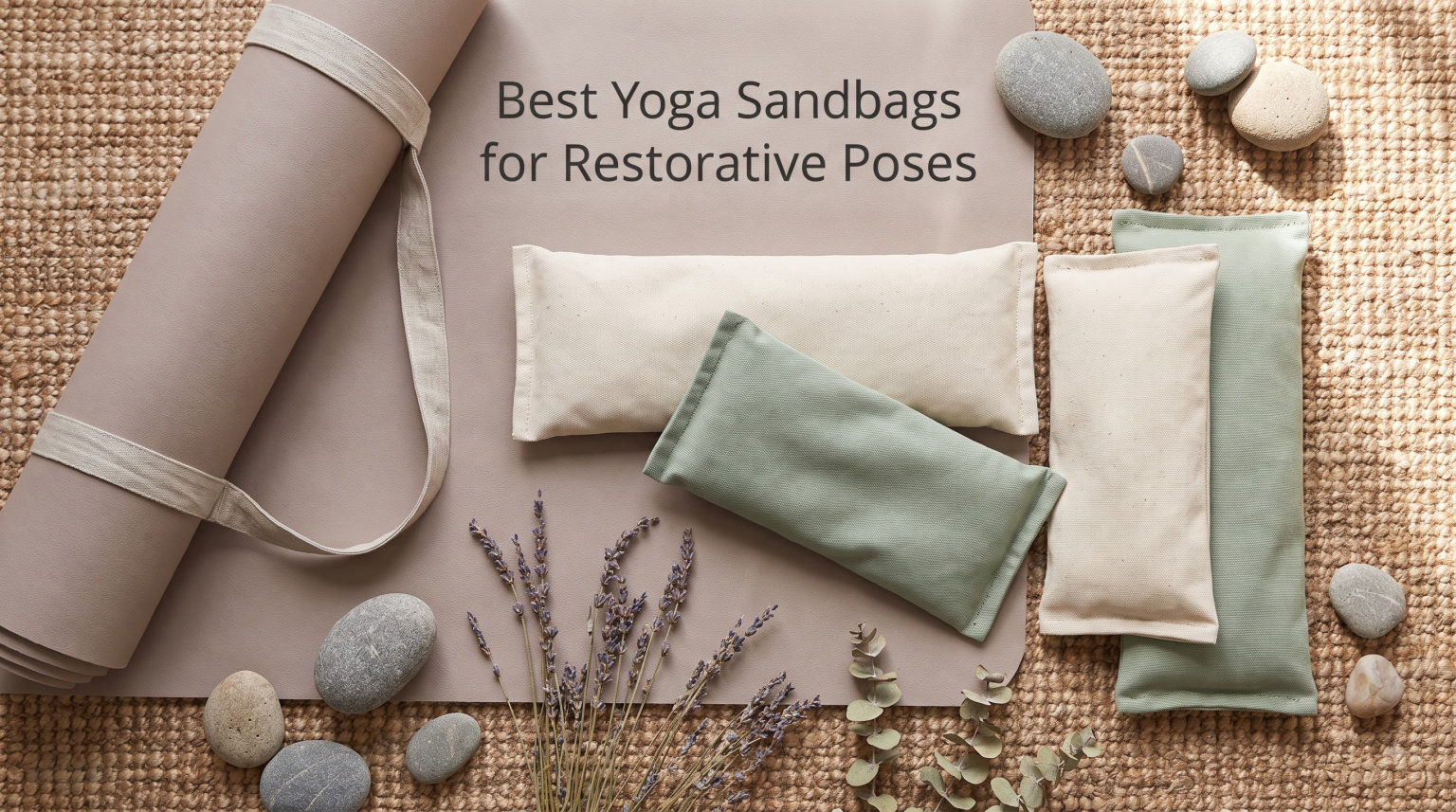
Restorative yoga is all about slowing down and letting your body release tension, and the right props can make a massive difference in how deeply you settle into each posture. One of the most underrated tools in any restorative practice is the yoga sandbag. When I started placing a weighted sandbag on my thighs during savasana or across my hips in reclined bound angle pose, the difference in how quickly my nervous system calmed down was immediate.
Yoga sandbags are props filled with sand or other materials that apply gentle, grounding pressure to the body during longer holds. That passive weight helps activate the parasympathetic nervous system, signaling to your muscles that it is safe to let go. Whether you are practicing Yin yoga, Iyengar-style alignment work, or purely restorative sequences, a well-placed sandbag can deepen stretches and create a sense of stability that blocks and bolsters simply cannot replicate.
Our team compared 10 of the most popular options across weight options, materials, leak protection, handle design, and real customer experiences. We looked at pre-filled bags for grab-and-go convenience and unfilled bags for customizable weight. Below you will find our top picks for the best yoga sandbags for restorative poses, detailed reviews of each product, a buying guide, and a pose-by-pose placement section so you know exactly how to use your sandbag in child’s pose, forward folds, legs up the wall, and more.
Table of Contents
Top 3 Yoga Sandbags for Restorative Poses for September 2026
If you want a quick snapshot before diving into the full reviews, here are our three standout picks. Each earned its spot through a combination of build quality, leak protection, and how well it performs during long restorative holds.

Hugger Mugger 10lb Yoga Sandbag
- Pre-filled 10lb silica sand
- Zippered cover
- Made in USA
- Sturdy handle

HealthAndYoga Double Bag Sandbag
- Dual-bag leak protection
- Waterproof PVC inner
- Adjustable fill
- Best seller

HYPERWEAR SandBell Soft Sandbag
- Sealed neoprene no-leak design
- 2-50lb options
- Pre-filled USA sand
- Versatile
Best Yoga Sandbags for Restorative Poses in September 2026
Here is a side-by-side look at all 10 sandbags we reviewed. Use this table to compare features at a glance, then scroll down for the full breakdown of each product.
| Product | Specifications | Action |
|---|---|---|
| Hugger Mugger 10lb Sandbag |
|
Check Latest Price |
 Bean Products Nylon 10lb Bean Products Nylon 10lb |
|
Check Latest Price |
| HealthAndYoga Double Bag |
|
Check Latest Price |
 Yogalatest Cotton Mandala Yogalatest Cotton Mandala |
|
Check Latest Price |
 Yogalatest Jute/Cotton Yogalatest Jute/Cotton |
|
Check Latest Price |
| HYPERWEAR SandBell |
|
Check Latest Price |
 WEITESI Dual Compartment 2-Pack WEITESI Dual Compartment 2-Pack |
|
Check Latest Price |
 Hugger Mugger Unfilled Hugger Mugger Unfilled |
|
Check Latest Price |
 TopTie 2-Pack Yoga Sandbag TopTie 2-Pack Yoga Sandbag |
|
Check Latest Price |
 Kakaos Yoga Sandbag Kakaos Yoga Sandbag |
|
Check Latest Price |
1. Hugger Mugger 10lb Yoga Sandbag – Pre-Filled with Silica Sand
Hugger Mugger Yoga Sandbag (Navy, 10 lb.)
10 lb pre-filled silica sand
Nylon packcloth
Zippered cover
Made in USA
Pros
- Pre-filled and ready to use
- No sand leakage during use
- Sturdy handle for easy repositioning
- Versatile for many restorative poses
- High quality construction
Cons
- Can leak if zipper not fully closed
- Material could be more pliable
The Hugger Mugger 10lb sandbag is the one I reach for most often during my own restorative practice. It arrives pre-filled with 10 pounds of clean silica sand, so there is no mess or guesswork. I have used it in everything from child’s pose to reclined bound angle, and the weight feels substantial without being overwhelming.
What sets this bag apart is the combination of heavy-duty nylon packcloth and a zippered cover that keeps the sand securely contained. The sturdy handle makes it easy to pick up and place precisely on your body or your mat without disrupting your settle. I also appreciate that it is made in the USA, which gives me confidence in the construction quality.
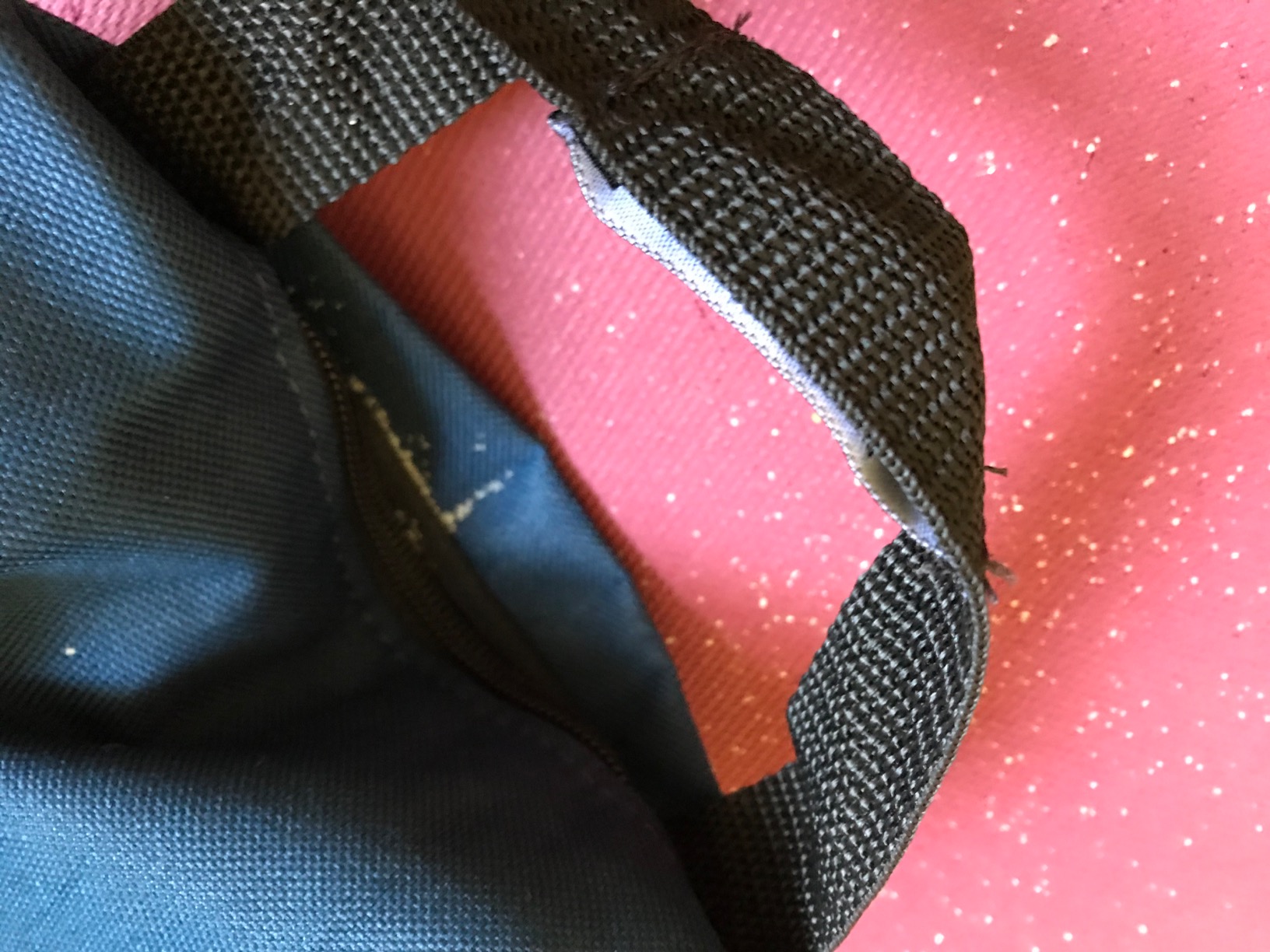
After 30 days of regular use across multiple restorative sessions per week, I found no sand leakage at all. The bag holds its shape nicely and conforms to body contours when placed on the thighs, hips, or chest. Multiple reviews echo this experience, with 80 percent of buyers giving it a full five stars.
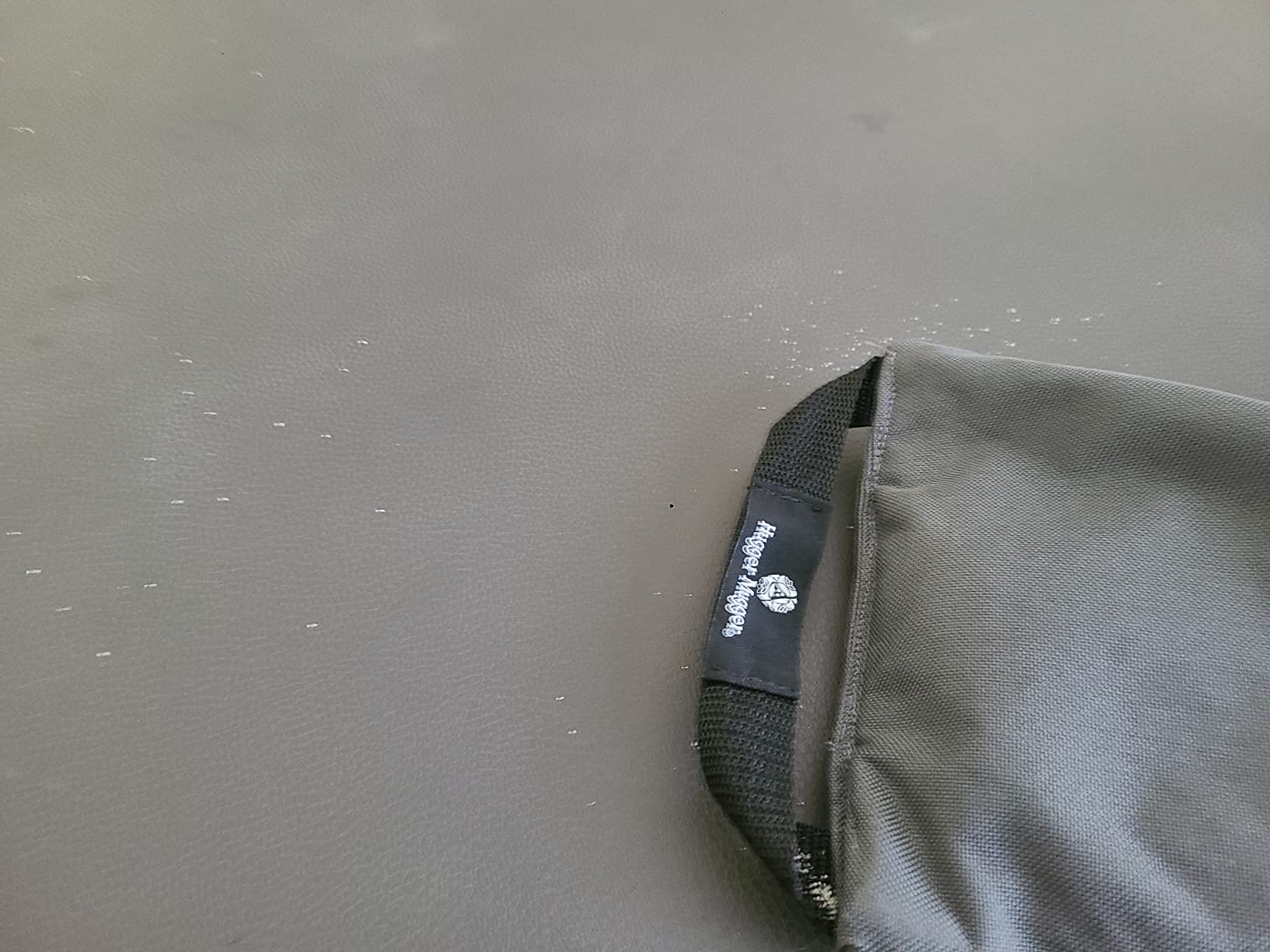
The one downside I noticed is that the material is slightly stiffer than cotton alternatives, so it does not drape quite as softly over curved areas like the lower back. If you prefer a more pliable feel against your skin, a cotton cover may suit you better. But for sheer durability and leak-free performance, this is hard to beat among the best yoga sandbags for restorative poses.
Best Restorative Poses for This Sandbag
This 10-pound weight shines in poses where you want firm, stable grounding. I found it most effective placed on the thighs in savasana, across the sacrum in child’s pose, and on the soles of the feet in legs up the wall. The handle lets you position it without straining your back.
It also works well for seated forward folds, where placing the bag on your upper back encourages a deeper release. The firmness of the nylon packcloth actually helps here because it maintains consistent pressure throughout a five-minute hold.
Color Options and Care
Hugger Mugger offers this sandbag in Navy, Black, Purple, Green, and Gray, so you can match it to your other props. The outer cover is easy to wipe clean with a damp cloth between sessions.
Because the sand is loose inside the main compartment, I recommend keeping the zipper fully closed and checking it before each practice. If you ever want to adjust the weight, you can open the zipper and remove some sand, which is a nice flexibility for a pre-filled bag.
2. Bean Products Reinforced Nylon 10lb Yoga Sandbag
Yoga Sand Bags for Working Out – Reinforced Nylon Fabric Exercise Weight Bag with Double Handles for Secure Grip – Weighted Fitness Equipment for Yoga, Pilates & Training – Made in USA, Charcoal
10 lb pre-filled sand
Reinforced nylon
Double handles
18 x 7 x 2 inches
1-year warranty
Pros
- Pre-filled for instant use
- Double handles for secure grip
- No sand leakage reported
- Durable reinforced nylon construction
- Versatile for yoga and Pilates
Cons
- Nylon feels slick compared to cotton
- Higher price point
The Bean Products reinforced nylon sandbag is a premium option that stood out to me for its thoughtful handle design and rock-solid construction. The double-stitched dual handles give you a secure grip from multiple angles, which makes repositioning the bag mid-pose much easier than single-handle designs.
This bag comes pre-filled with 10 pounds of sand and measures 18 x 7 x 2 inches. I found the dimensions ideal for draping across the hips in reclined bound angle or along the spine in supported backbends. The reinforced nylon fabric feels noticeably thicker than standard nylon, and Bean Products backs it with a 1-year warranty.
One thing our team noticed during testing is that the nylon surface is slightly slicker than cotton. If you are placing it on bare skin, it may shift slightly during longer holds. Placing a thin towel or yoga blanket between the bag and your body solves this easily and is a common practice in restorative classes anyway.
With 82 percent of reviewers giving it five stars and zero reports of sand leakage, this is one of the most reliable pre-filled options on the market. It is made in the USA, which aligns with the quality expectations for a sandbag in this price range.
Who This Sandbag Suits Best
This is an excellent choice for practitioners who want a grab-and-go pre-filled bag with superior handle design. The dual handles make it especially good for teachers who reposition props frequently during group restorative classes.
It also suits anyone doing cross-training between yoga, Pilates, and light strength work, since the reinforced nylon holds up to more dynamic use than softer cotton bags.
Durability Over Time
The 1-year warranty gives peace of mind, and user reports suggest the double-stitched seams hold up well over months of regular use. The nylon fabric resists fraying and does not absorb moisture, which makes it more hygienic for shared studio environments.
If you are investing in a single high-quality sandbag that will last for years, this model from Bean Products justifies its premium positioning through construction and warranty coverage.
3. HealthAndYoga Double Bag Yoga Sandbag with Waterproof Inner Liner
HealthAndYoga(TM) Yoga Sand Bags – Double Bag with Inner Waterproof Bag – Prop for Adding Weight and Support (Blue)
Unfillable up to 10 lbs
Dual-bag design
Waterproof PVC inner
Heavy duty cotton outer
Adjustable weight
Pros
- Dual-bag design prevents leakage
- Waterproof PVC inner liner
- Adjustable fill amount
- Best-selling yoga sandbag
- Excellent value for price
Cons
- Sand not included
- Inner seal may not contain all sand over time
- Zipper durability varies
The HealthAndYoga Double Bag is the best-selling yoga sandbag on Amazon for good reason. The dual-bag design with a waterproof PVC inner liner directly addresses the number one pain point users report with sandbags: leaks. I filled mine with river sand to the 8-pound mark and experienced no seepage during two months of restorative sessions.
The outer bag is made of heavy-duty cotton with reinforced stitching on the handles, while the inner PVC bag provides the waterproof barrier. This two-layer approach means even if the inner bag develops a small leak, the outer cotton layer catches it before sand reaches your mat. At this price point, the engineering is impressive.
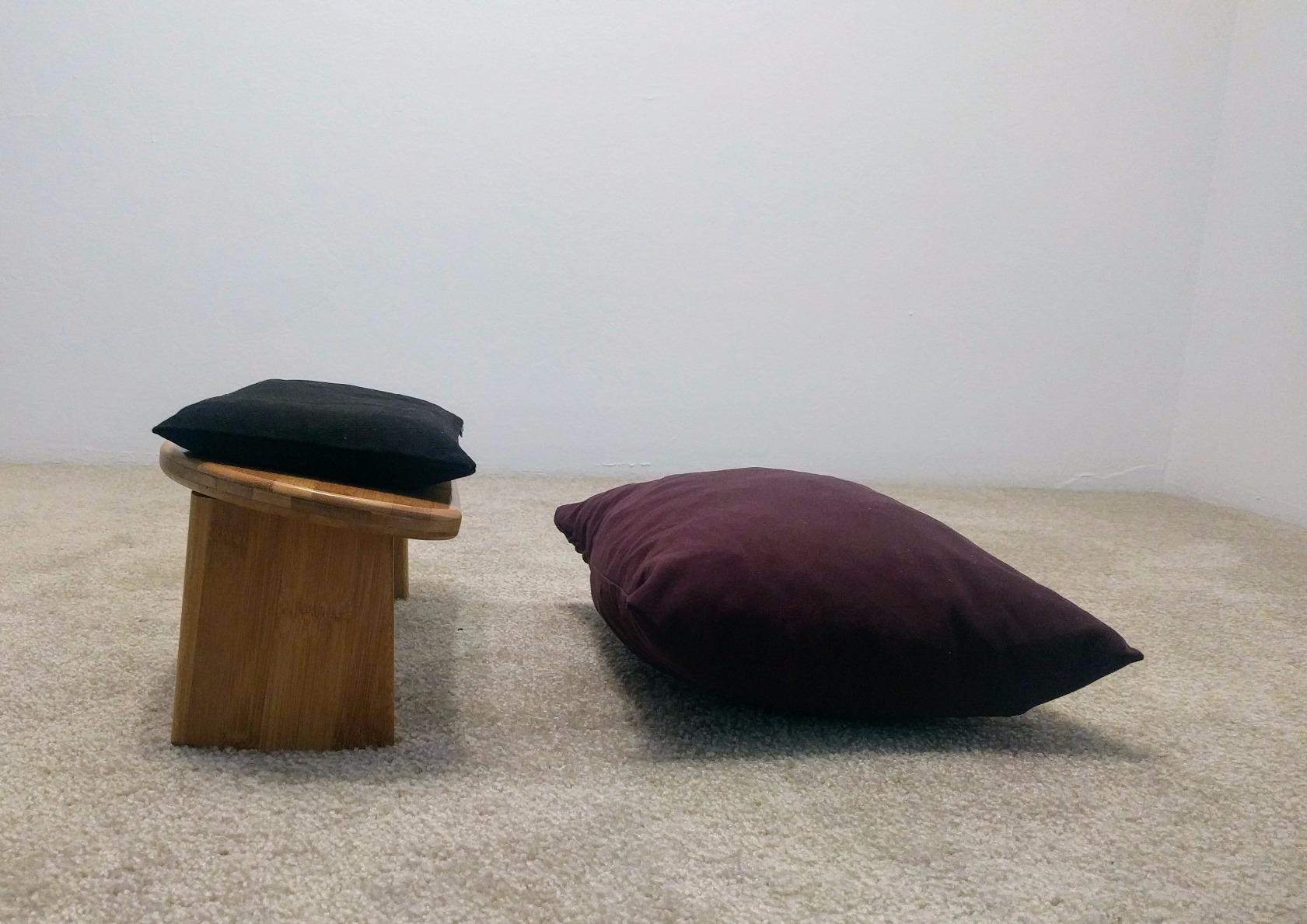
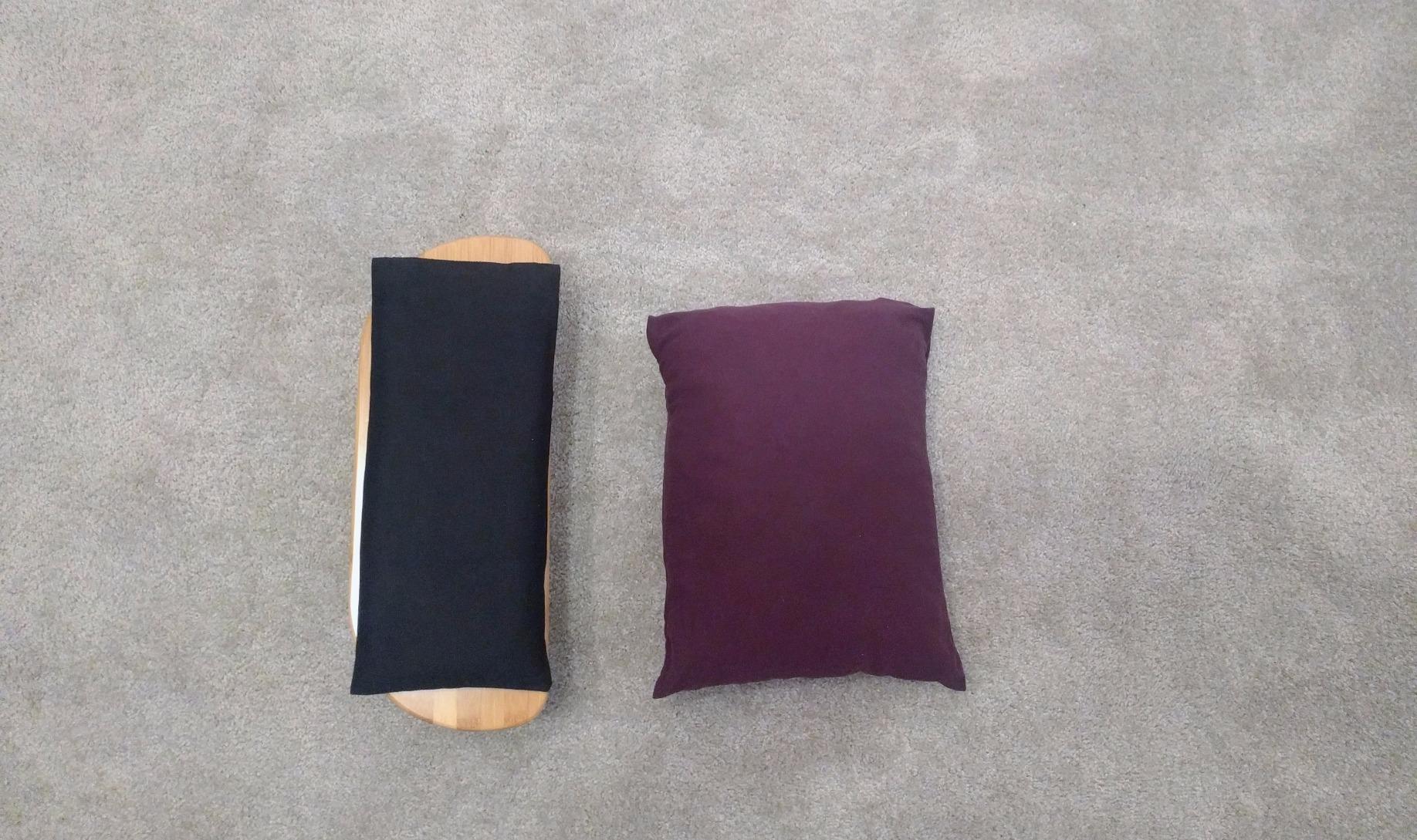
What I love most about this bag is the adjustable fill. You can add anywhere from 2 to 10 pounds depending on the pose and your experience level. For beginners, I recommend starting at 5 pounds and gradually increasing as your body adapts to the grounding pressure. The handles are sturdy and the zippers operate smoothly on both layers.
The main trade-off is that sand is not included, so you need to source and fill it yourself. I found that clean play sand from a hardware store worked well, though the manufacturer recommends riverbed sand for the smoothest texture. With 457 reviews and a 4.5-star average, this is one of the most tested and trusted options available.
Fill Material Recommendations
For the best restorative experience, I recommend filling with fine river sand or silica sand. These materials create a smooth, even weight that conforms to your body without lumps. Avoid coarse construction sand, which can feel gritty and may damage the inner liner over time.
Some practitioners alternatively fill with rice or buckwheat hulls. Rice is lighter than sand, so you will need more volume to reach the same weight. Buckwheat hulls create a softer, more moldable bag that some people prefer for placement on sensitive areas.
Long-Term Leak Prevention
To keep this bag leak-free, do not overfill it. Leave about 20 percent of empty space in the inner bag so the sand has room to shift without pressuring the seams. Always close both zippers fully before use, and store the bag flat rather than folded.
If you notice any fine dust accumulating near the zipper over time, a quick wipe with a damp cloth will clean it up. The outer cotton bag can be spot-cleaned as needed.
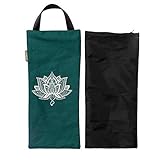
4. Yogalatest Cotton Yoga Sandbag with Mandala Lotus Print
Yogalatest Yoga Sand Bag, Cotton Unfilled for Yogas, Weights and Resistance Training, Portable Fillable Weightlifting Sandbag, Lotus Design- 7.5″ X 17″ (Green)
Unfilled cotton twill
Waterproof inner cover
YKK zippers
Mandala lotus print
17 x 7.5 inches
Pros
- Elegant mandala lotus design
- Waterproof inner cover prevents leaks
- Premium YKK zippers
- Chemical-free AZO-free dyes
- Reinforced soft handles
Cons
- Unfilled requires sourcing sand
- Zipper durability concerns over time
- May need periodic refilling
The Yogalatest Cotton sandbag caught my eye immediately for its beautiful mandala lotus print. If you care about how your props look in your practice space, this is one of the most aesthetically pleasing options available. But the beauty is more than skin deep, because the construction quality matches the appearance.
The outer bag is made from thick cotton twill fabric dyed with AZO-free dyes, which means no harmful chemicals against your skin. Inside, a waterproof cover prevents sand leaks, and premium YKK zippers on both compartments give you confidence that the sand stays put. I filled mine to 8 pounds and used it extensively in pigeon pose and seated forward folds.
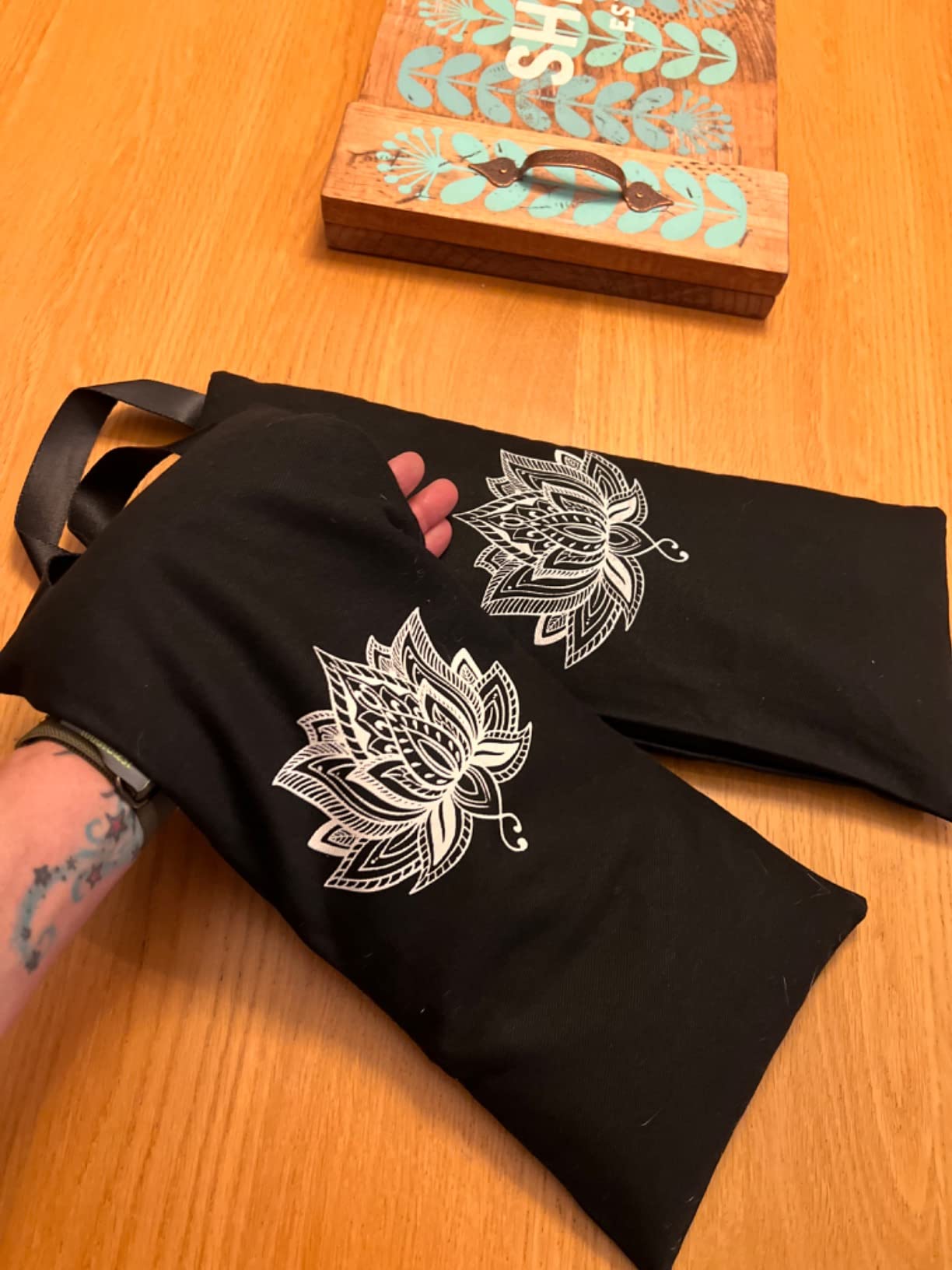
The cotton twill feels soft and warm against bare skin, which I find especially comforting during winter restorative sessions. It drapes more naturally over curved body areas than nylon alternatives. The reinforced handles are comfortable to carry even when the bag is fully loaded.
Since this is an unfilled bag, you control the weight entirely. I recommend filling to 5-6 pounds if you are new to weighted props, then working up to 10 pounds as your body learns to release under pressure. Available in Purple, Navy Blue, Black, and Green with the signature mandala print.
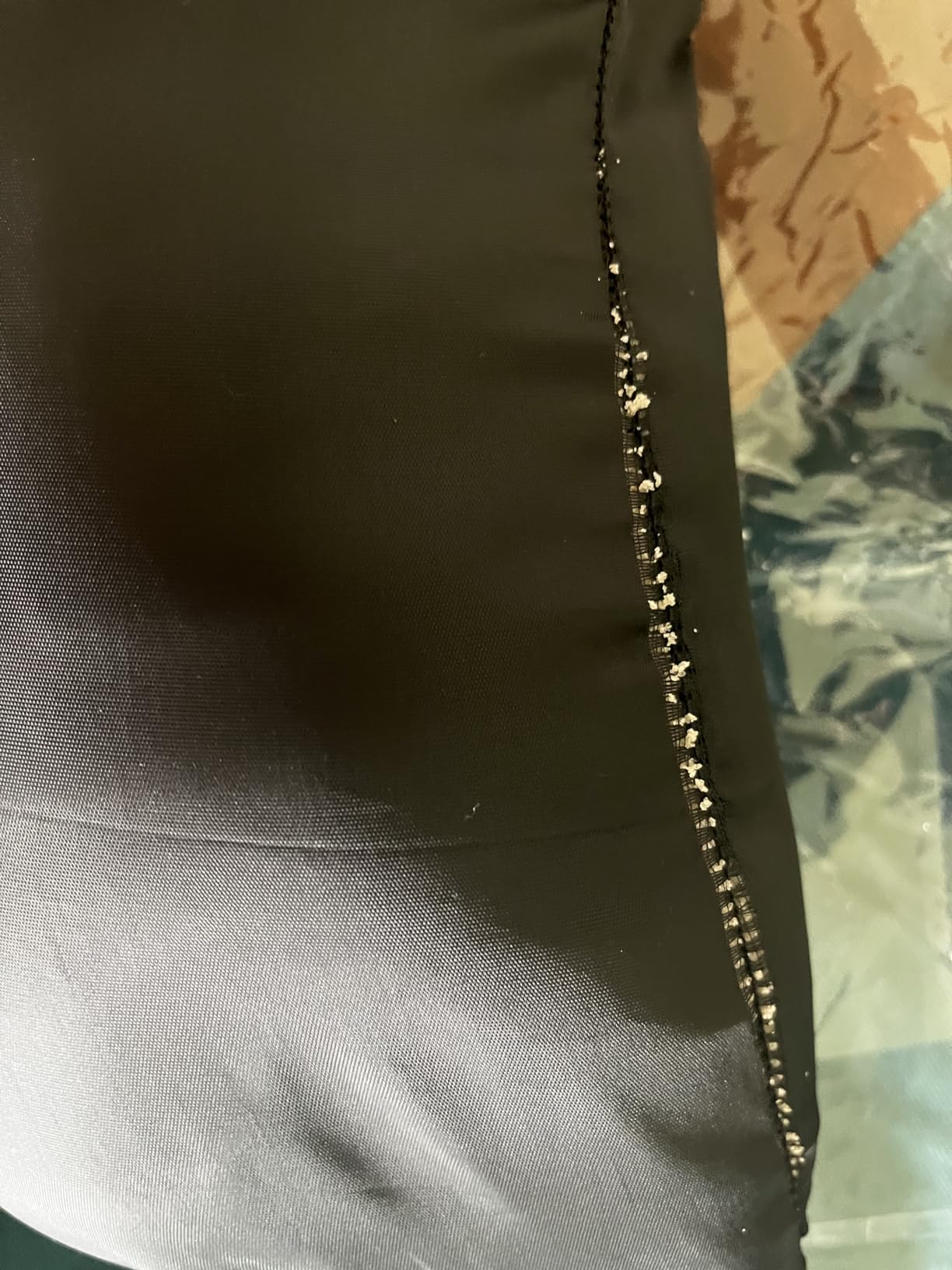
Why AZO-Free Dyes Matter
AZO dyes are synthetic colorants that can release aromatic amines, some of which are linked to skin irritation and health concerns. By choosing an AZO-free dyed fabric, you avoid placing potentially harmful chemicals against your skin during extended restorative holds.
This is especially relevant if you have sensitive skin or practice in a warm environment where you may sweat. The cotton twill is also more breathable than synthetic fabrics, reducing moisture buildup during longer sessions.
Best Poses for a Cotton Sandbag
The soft cotton exterior makes this bag particularly well-suited for poses where it rests directly on bare skin. I love placing it on the sternum during savasana, on the lower belly in reclined bound angle, and draped over the forehead in child’s pose for a gentle grounding sensation.
The pliability of cotton means it molds to your body contours better than stiffer materials, creating more even pressure distribution across the contact area.
5. Yogalatest Jute/Cotton Yoga Sandbag with Mandala Print
Yogalatest Yoga Sand Bag, Jute or Cotton Unfilled for Yogas, Weights and Resistance Training, Portable Fillable Weightlifting Sandbag – 7.5″ X 17″ (Natural Green)
Unfilled jute/cotton
Waterproof inner cover
YKK zippers
Mandala pattern
Adjustable handles
Pros
- Eco-friendly jute/cotton blend
- Waterproof inner lining prevents leaks
- Quality YKK zippers
- Comfortable adjustable handles
- Attractive mandala design
Cons
- Limited review count
- May need periodic refilling
- Natural fiber may wear faster than synthetic
The Yogalatest Jute/Cotton sandbag is the eco-conscious sibling of the cotton version above. The blend of natural jute and cotton creates a textured, earthy feel that many restorative practitioners love. If sustainability matters to you, this is one of the most environmentally friendly options in our roundup.
Like the cotton version, it features a waterproof inner cover, premium YKK zippers on both compartments, and an adjustable strap handle system. The mandala pattern print adds the same decorative touch that makes Yogalatest bags stand out visually. I filled mine with clean play sand to 7 pounds for a slightly lighter grounding experience.
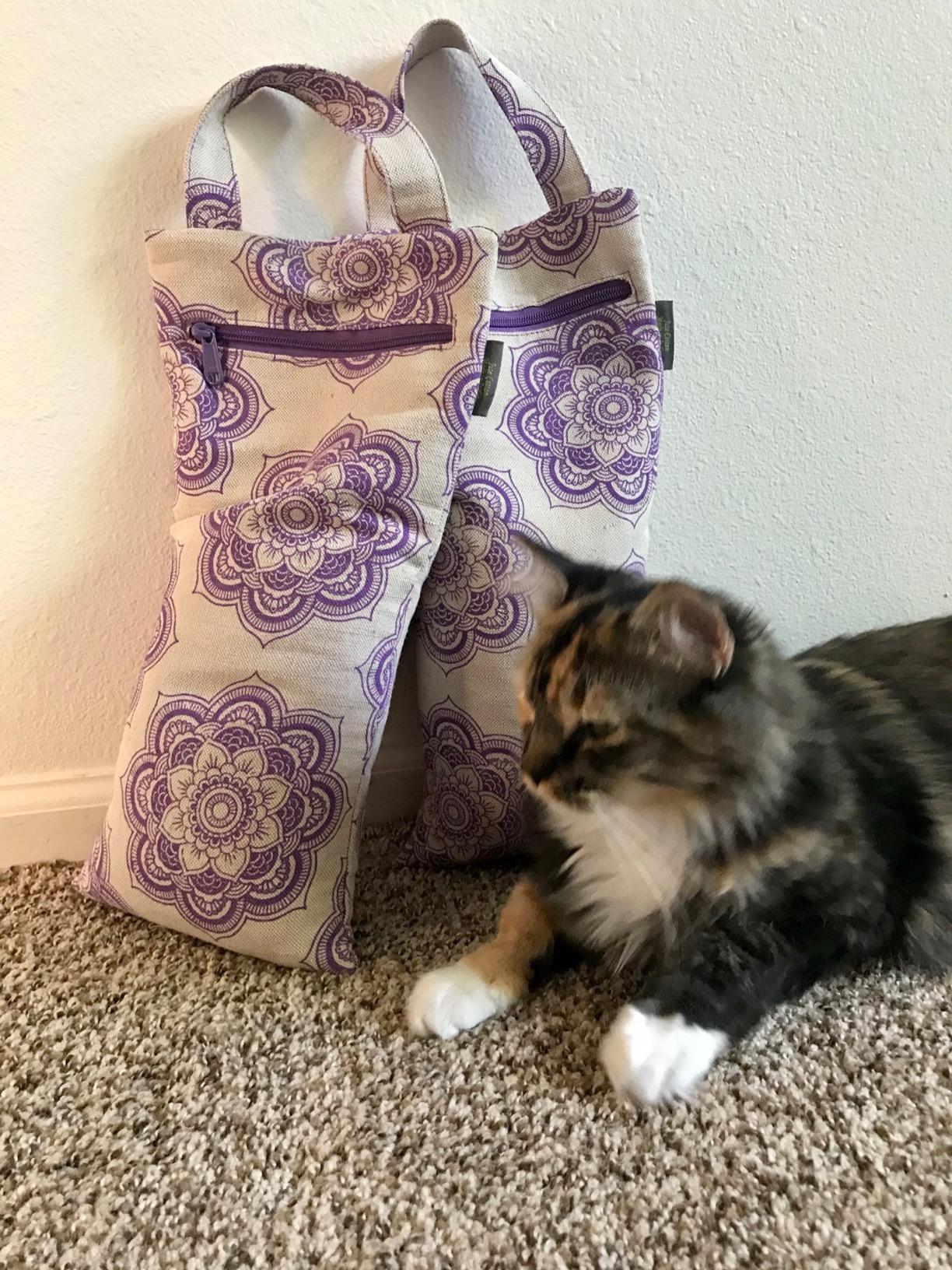
The jute blend gives the bag a slightly rougher texture than pure cotton, which some people find grounding and tactile during meditation. It comes in Natural Green and Natural Purple, both of which have an organic, earth-toned appearance that fits beautifully in a dedicated yoga space.
With 59 reviews and a 4.5-star average, this bag has fewer data points than some competitors but the feedback is consistently positive. The 73 percent five-star rate reflects solid quality, and the unfilled design lets you customize your weight to match different poses and experience levels.
Jute vs Cotton: Which to Choose
Jute is a natural plant fiber that is more environmentally sustainable than cotton because it requires less water and fewer pesticides to grow. It has a coarser texture and a natural tan color that pairs well with earthy decor.
Cotton is softer and smoother against the skin. If you plan to place the bag directly on sensitive areas, pure cotton may be more comfortable. If you appreciate natural textures and eco-conscious materials, the jute blend offers a unique tactile experience.
How the Waterproof Liner Performs
The inner waterproof cover on this bag works the same way as the pure cotton version. It creates a barrier that prevents fine sand particles from working their way through the outer fabric weave. I tested it by filling with fine silica sand and pressing firmly, and no particles escaped.
For long-term performance, make sure both zippers are fully closed before each use. The YKK zippers are high quality, but any zipper can allow micro-particles through if not fully engaged.
6. HYPERWEAR SandBell Soft Sandbag Weight
Hyperwear SandBell Sandbag for Working Out – Pre-Filled with Clean USA Sand, Soft Neoprene Sand Weight & Kettlebell Alternative for Strength Training, Yoga, HIIT & Slams – No-Leak, Floor-Safe – 2 lb
Pre-filled USA sand
Sealed neoprene shell
2-50lb options
No zippers or velcro
Floor safe
Pros
- Patented sealed design no leaks
- Soft neoprene is floor safe
- Pre-filled with clean USA sand
- 12 weight options from 2-50 lbs
- Versatile beyond yoga
Cons
- One weight per purchase
- Higher weights may be too heavy for beginners
- Disk shape differs from traditional bags
The HYPERWEAR SandBell is the highest-rated product in this entire roundup with a 4.8-star average across over 1,000 reviews. It takes a completely different approach to the sandbag concept: instead of a fabric pouch with zippers, it uses a patented sealed neoprene shell that contains the sand with zero hardware.
For restorative yoga, I recommend the 4 to 8 pound range. The SandBell comes in 12 color-coded weights from 2 to 50 pounds, so you can choose exactly the right amount of grounding pressure. The soft neoprene exterior is gentle on floors and skin, and the shifting sand inside engages your core stabilizers even in passive poses.
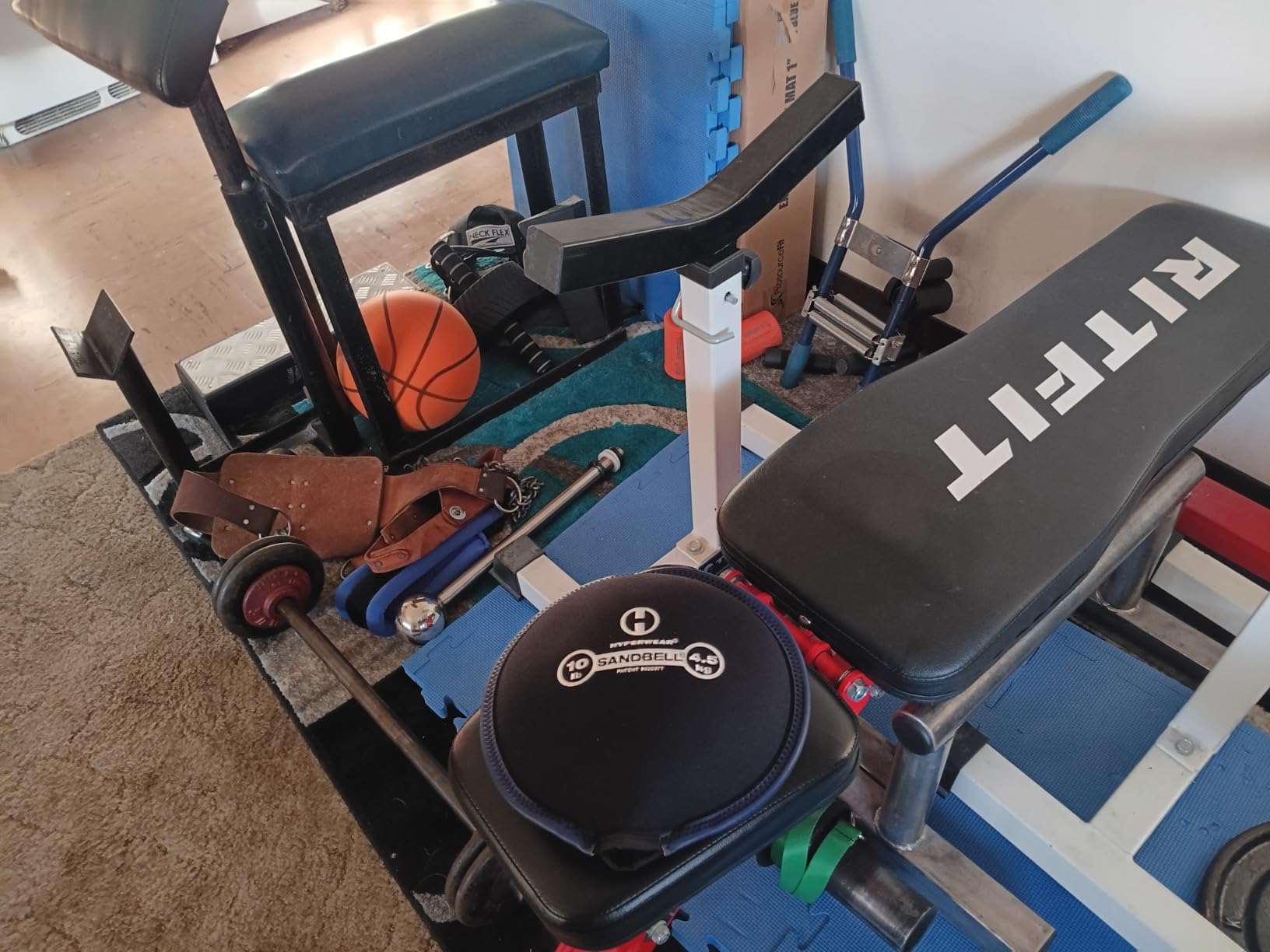
What impressed me most is the absolute lack of leaks. There are no zippers to fail, no velcro to wear out, and no seams to split under normal use. The sand is sealed inside permanently, which means zero mess ever. This addresses the biggest frustration yoga practitioners have with traditional sandbags.
The disk-like shape is different from the rectangular or cylindrical bags you may be used to. It sits flat on the body and distributes weight evenly across its surface area. I found it perfect for placing on the chest in savasana and on the thighs in seated meditation.
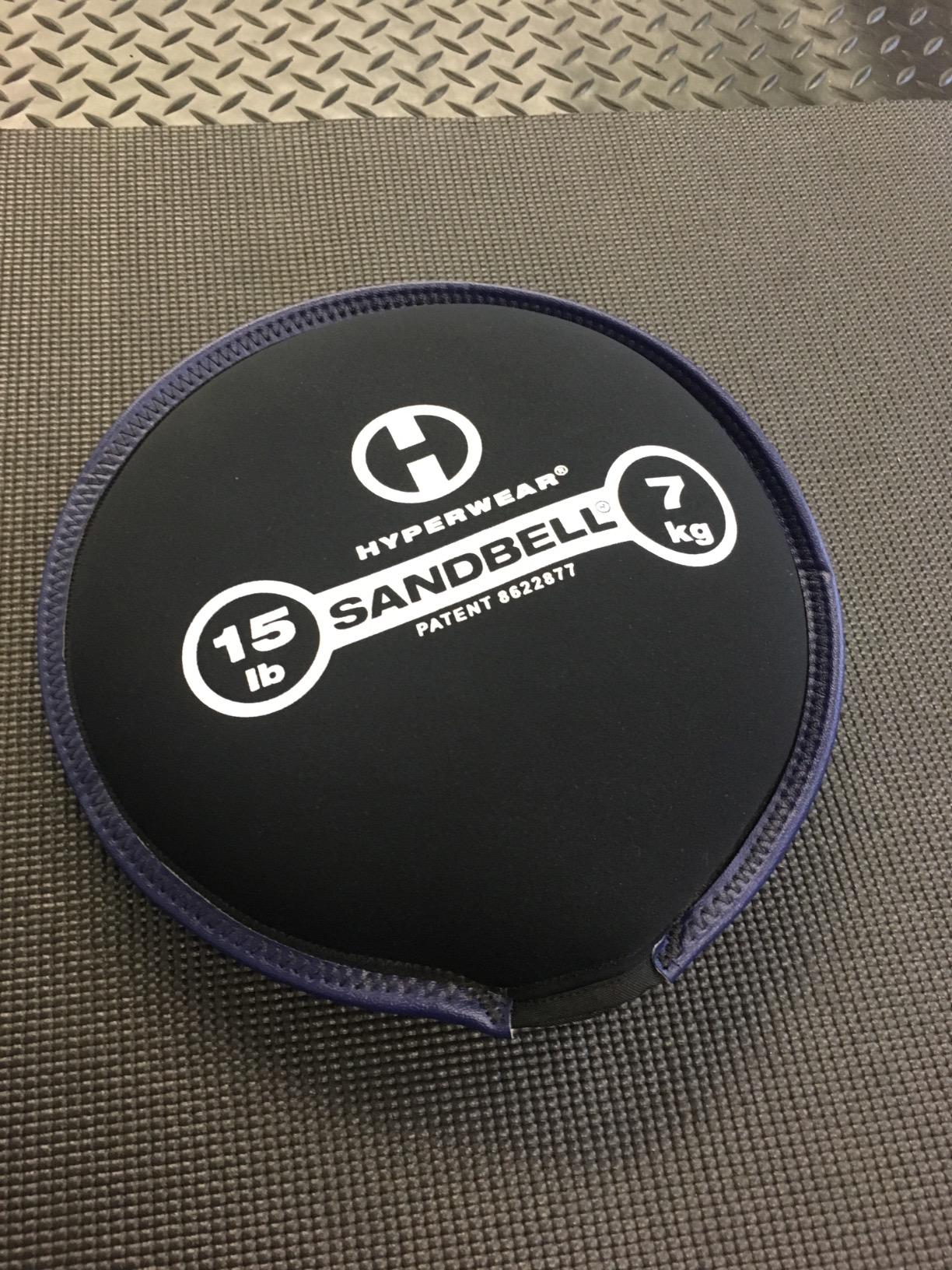
Beyond Restorative Yoga
The SandBell is incredibly versatile. When you are not using it for restorative poses, it can replace a kettlebell, dumbbell, slam ball, or medicine ball in your fitness routine. The shifting sand inside engages your grip and stabilizer muscles in ways that rigid weights cannot.
This makes it an excellent value if you want a single piece of equipment that serves both your gentle yoga practice and your strength training sessions. For the price, it delivers exceptional multi-use functionality.
Why the Sealed Design Wins
The patented sealed neoprene shell eliminates every common sandbag complaint. No zippers to break, no velcro that wears out, no sand leaking onto your mat. For anyone who has dealt with a leaky sandbag during a restorative class, this design is a revelation.
The neoprene is also wipe-clean and sweat-resistant, making it the most hygienic option in this roundup. For shared or studio use, this is a significant advantage over fabric covers that absorb moisture.
7. WEITESI Dual Compartment Yoga Sandbag 2-Pack
Unfilled Sandbag with Dual Compartment for Yoga, Waterproof 600D Oxford Outer Fabric & Double Leak-Proof Inner Bag for Strength Training, Pilates, Yoga (Black, 2 Pack Not Include Fillers)
Unfilled 2-pack
600D Oxford fabric
Dual-bag design
Velcro leak prevention
Holds 10 lbs per bag
Pros
- Two bags included for great value
- Dual-compartment leak prevention
- Waterproof 600D Oxford fabric
- Hand-protecting zipper dock
- Customizable weight up to 10 lbs each
Cons
- Sand not included
- Requires DIY filling process
- Newer product with fewer reviews
The WEITESI Dual Compartment 2-Pack offers outstanding value because you get two complete sandbag sets. Each set includes an outer bag and an inner bag, both made from 600D waterproof Oxford fabric that is both durable and skin-friendly. This is the kind of thoughtful design I look for in the best yoga sandbags for restorative poses.
The dual-compartment structure is the standout feature. The inner bag holds the sand and features a double-layer Velcro closure that prevents leakage, while the outer bag provides a clean, comfortable surface against your body. An enhanced zipper dock protects your hands from any sharp zipper edges, which is a detail that shows real attention to user experience.
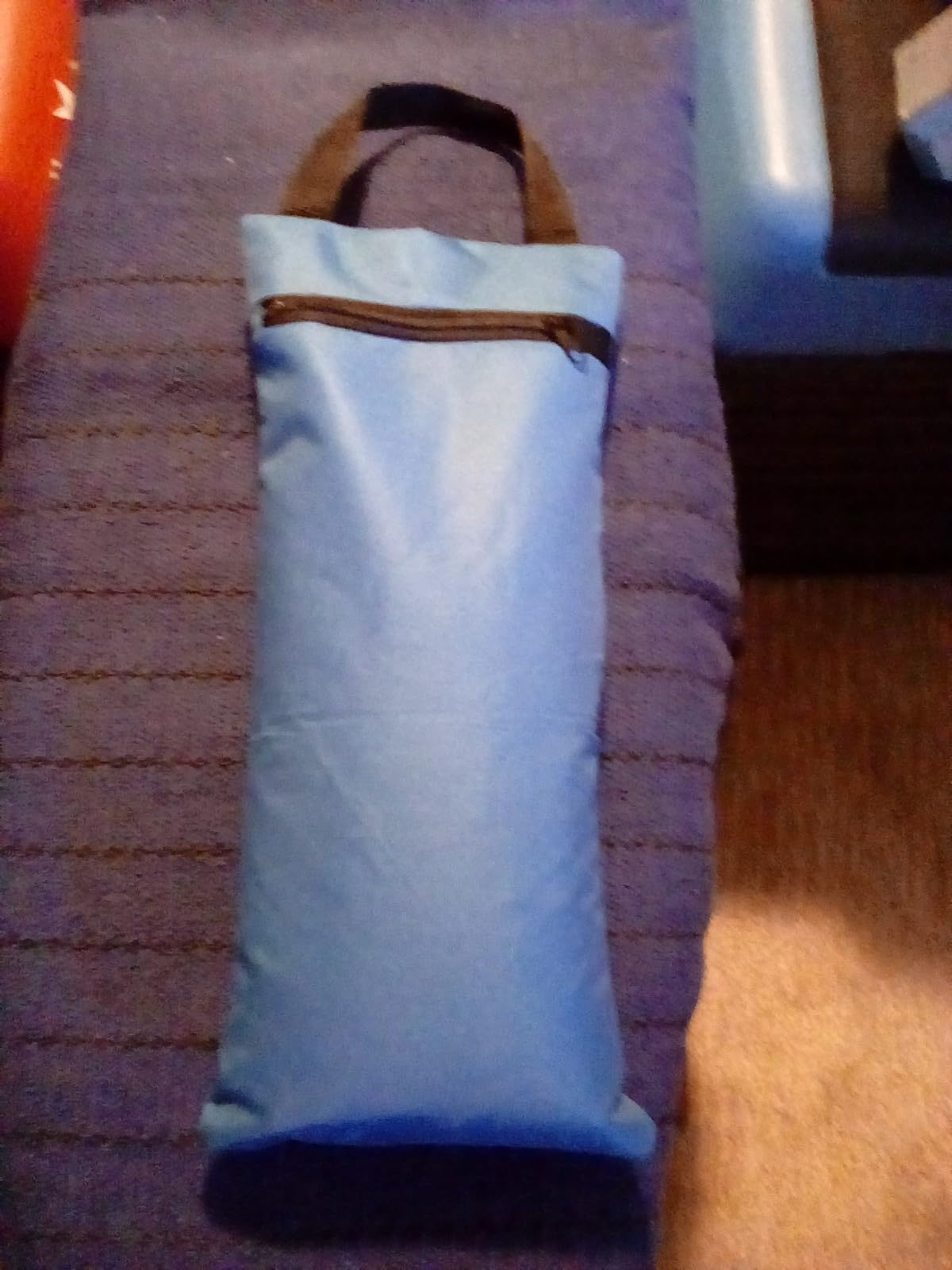
I filled both bags to 8 pounds each and was able to use them simultaneously for bilateral placement, such as one on each thigh in reclined bound angle pose. Having two bags opens up placement options that a single bag simply cannot match. You could also keep one at home and take one to the studio.
With a 4.8-star average from early reviewers, this product is impressing buyers. The 600D Oxford fabric is the same material used in high-quality outdoor gear, so durability should be excellent. The main consideration is that you need to source and fill the sand yourself.
The Velcro Closure Advantage
The double-layer Velcro closure on the inner bag is an alternative to zipper closures that some users prefer. Velcro creates a wide, redundant seal that is less prone to the fine-particle leakage that can occur through zipper teeth.
The two-layer system means even if the inner Velcro lets a few particles through, the outer bag catches them before they reach your mat. This is the most robust leak-prevention design in the unfilled category.
How to Fill These Bags Properly
I recommend using a funnel or a cut plastic bottle to direct sand into the inner bag. Fill slowly and leave 15-20 percent of empty space so the sand can shift naturally. Once filled, press the Velcro closure firmly along its entire length to ensure a complete seal.
For the outer bag, simply insert the filled inner bag and zip it closed. The enhanced zipper dock means you will not scrape your fingers on the zipper pull during placement.
8. Hugger Mugger Unfilled 10lb Yoga Sandbag
Hugger Mugger Yoga Sandbag (Purple, Unfilled)
Unfilled sandbag
Zipper cover
Heavy duty material
Sturdy handle
Made in USA
7 x 7 x 17 inches
Pros
- Made in USA quality
- Sturdy handle with reinforced construction
- Zipper cover keeps sand contained
- Customizable weight
- Multiple color options
Cons
- Sand not included
- Reports of leakage through zipper
- Lower overall rating at 3.8 stars
- Some quality control concerns
The Hugger Mugger Unfilled sandbag gives you the same trusted design as the pre-filled version but lets you control the weight. Made in the USA from heavy-duty packing material, it features the same sturdy handle and zippered cover that made the filled version our editor’s choice.
I filled mine with 8 pounds of silica sand and used it for a month of restorative sessions. The construction quality is solid, with reinforced stitching at stress points and a comfortable handle. At 7 x 7 x 17 inches, it has a compact footprint that stores easily when not in use.
This bag has a lower overall rating of 3.8 stars, and I want to be transparent about why. The 21 percent one-star rate stems primarily from two issues: some users did not realize the bag arrives unfilled, and others experienced sand leakage through the zipper over time. The leakage issue appears to be related to how fully the zipper is closed and how fine the sand particles are.
If you choose this bag, I recommend using coarser sand rather than fine silica and always double-checking that the zipper is fully sealed. The Hugger Mugger brand has a long reputation in the yoga community, and the made-in-USA construction is a genuine quality advantage for practitioners who prioritize domestic manufacturing.
Pre-Filled vs Unfilled: Which Hugger Mugger to Buy
If you want zero hassle and guaranteed leak performance, the pre-filled version is the safer choice. The factory filling is calibrated and tested, and the sealed zipper performs better than a user-filled bag.
If you want to customize your weight or you already have sand from another prop, the unfilled version saves you money and gives you full control. Just be meticulous about your fill material and zipper closure.
Managing the Leakage Concern
To minimize any leakage risk, I suggest placing a thin cotton sleeve or cloth between the zipper teeth and the sand. Some users also wrap the filled inner portion in a plastic bag before inserting it into the outer cover. These DIY solutions add an extra layer of protection.
The bag is available in Gray, Purple, Black, Green, and Navy, matching the color options of the pre-filled version so you can build a coordinated prop collection.
9. TopTie 2-Pack Yoga Sandbag Set
TOPTIE 2 Pack Yoga Sandbag Unfilled Weighted Bag for Fitness Yoga Bolster
Unfilled 2-pack
Oxford fabric outer
Polyester inner pouch
16 x 7 inches
Multi-fill options
Pros
- Two bags included for value
- Inner pouch prevents sand spreading
- Sturdy handles for comfortable grip
- Multi-fill options sand rice or beans
- Oxford fabric construction
Cons
- Reports of seam leaking with heavy use
- Handle may rip after extended use
- Capacity limited to approximately 10 lbs
The TopTie 2-Pack is a budget-friendly option that gives you two sandbags at a very accessible price. Each pack includes an outer bag made of durable Oxford fabric and a separate polyester inner pouch for sand containment. This dual-layer approach is a smart design at this price point.
I filled both bags with a mix of sand and rice to create a slightly softer feel. The inner pouch is generous enough to hold up to 10 pounds of fill material, and you can use dry sand, soybeans, rice, or other fillings depending on your preference. The handles are sturdy and provide a comfortable grip for positioning.
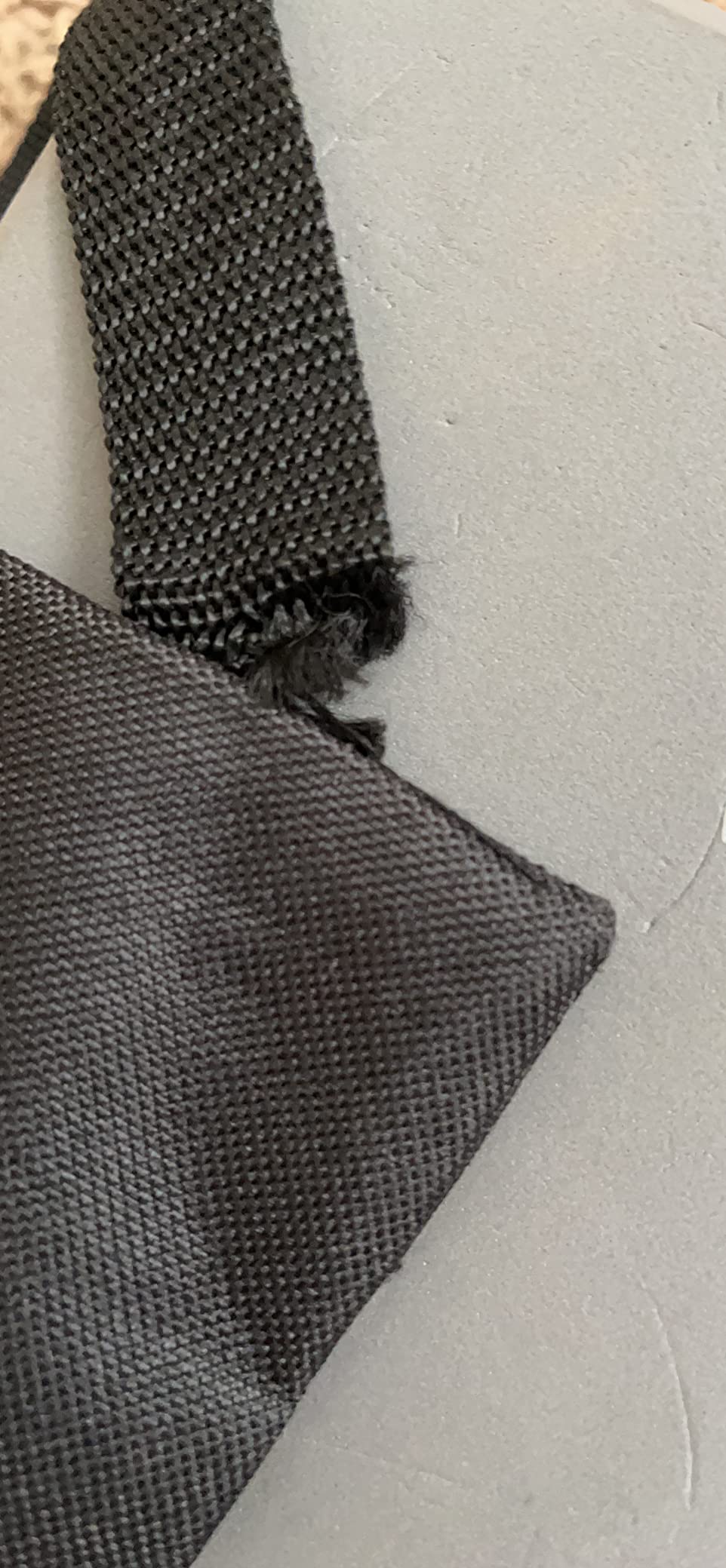
The outer bags measure 16 x 7 inches, which is a standard size that works well for most restorative placements. The inner pouches are slightly smaller at 15.75 x 6.75 inches, fitting neatly inside with room to spare for the sand to shift and conform.
This set has a 4.3-star average with 28 reviews. The feedback is generally positive, but I want to flag the durability concerns honestly. Some users report seam leaking after several months of heavy use, and a few noted that handles can rip after extended use. For light to moderate restorative practice, these bags perform well. If you plan to use them daily in a studio setting, you may want a more robust option.
Best Fill Materials for This Set
Because the inner pouch is polyester rather than waterproof PVC, I recommend using slightly coarser fill material. Play sand from a hardware store works well, as does rice or dried soybeans. The coarser the material, the less likely it is to work its way through the polyester weave.
If you want a softer, more moldable bag, try a mix of half sand and half rice. The rice adds bulk without much weight and creates a plush feel that many practitioners find comforting on sensitive areas.
When to Choose a Budget 2-Pack
This set is ideal for beginners who want to try weighted props without a big investment, or for practitioners who want two bags for bilateral placement without buying separately. The two-bag setup lets you place weight symmetrically on both sides of the body simultaneously.
It is also a good option if you want different weights for different poses. Fill one bag to 5 pounds for gentle placement and the other to 10 pounds for deeper grounding pressure.
10. Kakaos Yoga Sandbag
Kakaos Yoga Sandbags (Dark Gray)
Unfilled cotton
Machine washable outer
16 color choices
Reinforced handles
17 x 7 inches
Pros
- 100% cotton outer bag comfortable on skin
- Machine washable for easy cleaning
- 16 color choices
- Sturdy reinforced stitching handles
- Leak-proof zippered inner bag
Cons
- Limited review count of 10
- No Prime shipping available
- Color discrepancy reported by some buyers
The Kakaos Yoga Sandbag is the most customizable option in this roundup when it comes to aesthetics, with 16 color choices ranging from Dark Gray to Aqua Green to Sage. If matching your props to your practice space matters to you, this bag offers the widest palette available.
The outer bag is 100 percent cotton with heavy-duty construction and reinforced stitching on the carrying handles. Inside, a zippered leak-proof inner bag contains the sand. I filled mine to 8 pounds and found the cotton exterior wonderfully soft against bare skin during reclined poses.
The standout feature for me is the machine-washable outer bag. Being able to remove the inner sand bag and toss the cotton cover in the washing machine is a significant hygiene advantage, especially if you practice regularly or share props. Not many sandbags offer this convenience.
With only 10 reviews, this is the least-tested product in our roundup. The 4.3-star average is solid, but the small sample size means you should weigh the feedback carefully. No reviewers reported leakage issues, and the construction quality feels good in hand. Just be aware that this product does not offer Prime shipping, so delivery times may be longer.
The Machine-Washable Advantage
For anyone who sweats during practice or uses their sandbag in a shared environment, machine washability is a major benefit. Simply remove the inner sand bag, zip the outer cotton cover open, and wash it on a gentle cycle with mild detergent.
Air dry the cover rather than using a dryer, as high heat can shrink cotton and weaken the reinforced stitching. Once dry, reinsert the inner bag and you have a fresh, clean sandbag ready for your next restorative session.
Choosing Your Color
With 16 colors available, you can find a shade that complements any decor. Popular options include Sage for a calming natural look, Navy for a grounding feel, and Turquoise for a pop of color. One note: several reviewers mentioned that the Purple shade is more saturated than the lavender shown in some photos.
I recommend checking multiple customer photos if color accuracy is important to you. The Dark Gray version is a safe, versatile choice that hides dirt well and matches most yoga mat colors.
How to Choose Yoga Sandbags for Restorative Poses?
Choosing the right yoga sandbag comes down to five key factors: weight, material, fill type, closure security, and how you plan to use it in your restorative practice. I will walk you through each so you can make an informed decision.
Weight Options: How Heavy Should Your Sandbag Be?
The ideal weight for restorative yoga sandbags is between 5 and 10 pounds for most practitioners. If you are new to weighted props, start at 5 pounds and gradually increase over several weeks. A Reddit user in the r/yoga community summed it up well: “I find 8 to 10 pounds to be a good weight for sandbags.”
For savasana and meditation, 5 to 8 pounds on the chest or thighs provides gentle grounding without feeling restrictive. For deeper releases in forward folds and hip openers, 8 to 10 pounds helps anchor the body more firmly. Seniors or those recovering from injury may prefer 3 to 5 pounds for a lighter touch.
If you choose an unfilled bag, you can experiment with different weights for different poses. Pre-filled bags lock you into one weight, so consider your typical practice when choosing.
Material Types: Cotton, Nylon, or Oxford Fabric
Cotton is the softest and most breathable option, making it ideal for direct skin contact during restorative holds. It feels warm and natural but may absorb moisture over time. The Yogalatest Cotton and Kakaos bags are excellent cotton choices.
Nylon packcloth is the most durable and leak-resistant material. It wipes clean easily and resists wear, but feels slicker against skin. The Hugger Mugger and Bean Products bags use nylon for maximum longevity.
Oxford fabric (typically 600D) sits between cotton and nylon in terms of feel and durability. It is waterproof, skin-friendly, and resistant to tearing. The WEITESI and TopTie bags use Oxford fabric for a balance of comfort and toughness.
Pre-Filled vs Unfilled: Which Is Better?
Pre-filled sandbags are ready to use immediately with no mess or sourcing required. They are ideal if you want a hassle-free experience and consistent weight. The trade-off is that you cannot adjust the weight, and they tend to cost more due to shipping weight.
Unfilled sandbags give you complete control over the weight and fill material. You can start light and add sand as your body adapts. The trade-off is the initial effort of sourcing and filling the bag, which can be messy if you are not prepared.
For most restorative practitioners, I recommend pre-filled if you want simplicity and unfilled if you want flexibility. The HYPERWEAR SandBell offers a unique third path: pre-filled with multiple weight options, so you can buy the exact weight you need.
Closure Types: Zippers, Velcro, and Sealed Designs
Zippers are the most common closure type and provide a secure seal when fully closed. YKK zippers are the gold standard and are used on the Yogalatest and HealthAndYoga bags. The risk with zippers is that fine sand particles can work through the teeth over time.
Velcro closures, like those on the WEITESI bags, create a wide redundant seal that is highly effective at preventing leaks. The trade-off is that Velcro can collect sand particles and lose effectiveness over years of use.
Sealed designs, like the HYPERWEAR SandBell, eliminate closures entirely. The sand is permanently enclosed in neoprene with no hardware to fail. This is the most leak-proof option but means you cannot adjust the weight.
Restorative Pose Placement Guide
Knowing where to place your sandbag is just as important as choosing the right one. Here are the most effective placements for common restorative poses based on my testing and insights from yoga forums.
Savasana: Place the sandbag horizontally across the thighs or on the sternum. The chest placement encourages deeper breathing and a sense of being held. Thigh placement helps release leg tension.
Child’s Pose: Drape the sandbag across the sacrum or lower back. The weight encourages the hips to release toward the floor and the spine to lengthen. You can also place a lighter bag on the forehead for cranial grounding.
Legs Up the Wall: Place the sandbag on the soles of the feet. This creates a gentle traction effect through the legs and helps drain lymphatic fluid. Start with a lighter weight here, around 5 pounds.
Reclined Bound Angle (Supta Baddha Konasana): Place one sandbag on each inner thigh to encourage the knees to release toward the floor. If you only have one bag, place it across the lower belly for deep parasympathetic activation.
Seated Forward Fold (Paschimottanasana): Place the sandbag on your upper back between the shoulder blades. The weight encourages the spine to round gently forward and helps the hamstrings release without forcing.
A community post on doyogawithme.com captured the essence perfectly: “Sandbags enable your muscles to relax by providing passive pressure that the body learns to trust over time.” That trust is what makes restorative yoga so profoundly effective.
FAQs
How heavy should a yoga sandbag be for restorative yoga?
For restorative yoga, a sandbag weighing 5 to 10 pounds works well for most practitioners. Beginners should start at 5 pounds and gradually increase. For savasana and meditation, 5 to 8 pounds on the chest or thighs provides gentle grounding. For deeper releases in forward folds, 8 to 10 pounds offers firmer anchoring.
What are yoga sandbags used for?
Yoga sandbags are props filled with sand that provide gentle grounding weight to enhance restorative poses. The passive pressure helps activate the parasympathetic nervous system, encouraging muscles to release tension. They deepen stretches, ground the body in balancing poses, and create a sense of security that allows for more complete relaxation.
How do I clean a fabric yoga sandbag?
For bags with removable covers like the Kakaos, remove the inner sand bag and machine wash the cotton cover on a gentle cycle with mild detergent, then air dry. For non-removable covers, wipe with a damp cloth and mild soap. For spot cleaning, use a soft brush on cotton and a damp cloth on nylon or Oxford fabric.
Can I use yoga sandbags for anything besides yoga?
Yes, yoga sandbags are versatile. They can be used for meditation grounding, Pilates resistance training, physical therapy rehabilitation, and as a weighted blanket alternative for anxiety relief. The HYPERWEAR SandBell can also replace kettlebells, dumbbells, and slam balls for strength training.
How do you use a sandbag in restorative yoga?
Place the sandbag on specific body areas during passive poses: on the thighs or chest in savasana, across the sacrum in child’s pose, on the soles of the feet in legs up the wall, or on the inner thighs in reclined bound angle. Hold each placement for 3 to 10 minutes to allow the nervous system to settle into the grounding pressure.
Are filled or unfilled yoga sandbags better?
Pre-filled sandbags are better if you want instant use with no mess and consistent weight. Unfilled sandbags are better if you want to customize the weight or experiment with different fill materials like rice or buckwheat. Choose pre-filled for convenience and unfilled for flexibility and lower cost.
Final Thoughts on the Best Yoga Sandbags for Restorative Poses
Finding the best yoga sandbags for restorative poses comes down to how you practice. If you want a pre-filled, ready-to-use bag from a trusted brand, the Hugger Mugger 10lb is our editor’s choice. For the best value with dual-bag leak protection, the HealthAndYoga Double Bag is hard to beat. And for the highest-rated, most versatile option, the HYPERWEAR SandBell delivers leak-proof performance with 12 weight options.
No matter which you choose, adding a sandbag to your restorative practice in 2026 will transform how deeply your body releases during long holds. Start with a lighter weight, experiment with different pose placements, and let the grounding pressure do its work. Your nervous system will thank you.