
If you are choosing a paint sprayer for walls, ceilings, trim and cabinets, there are only three formats to understand. Airless sprayers push paint through a hydraulic pump at around 3000 PSI and cover large interior surfaces fastest. HVLP turbine guns use a fan of air at low pressure and give the smoothest finish on trim, doors and cabinetry. Pneumatic guns need a separate compressor and suit fine detail only. For most homeowners repainting rooms, the winner is a mid-tier airless unit for the walls and an HVLP gun for the detail work.
We put twelve of the most-wel-reviewed interior sprayers through their paces, weighing what actually matters inside a house: overspray control, cup size, how often you refill, whether the cord reaches the far corner of a bedroom, and how long cleaning takes once the roller is put away. The list spans budget HVLP handheld guns, stationary units with hoses, and airless machines that pull paint straight from a bucket.
Spraying gets one thing right that rolling never will. A roller leaves stipple you can see under raking light from a window, and a brush leaves strokes in the same place. An atomised spray lays down a uniform film in one pass, and it is roughly ten times faster than brushing on a flat wall. The catch is preparation: a sprayer finds every gap in your masking, and floorboards three rooms away will tell you about it. We spend a section below on protecting the room, because that is where most indoor spray jobs are won or lost.
A note on how we chose. Ratings and review counts came from live retailer listings, and every specification below is drawn from the manufacturer data for that exact model. Where reviewers disagree with the spec sheet, we say so. The heat gun guide for paint removal covers the prep work that has to happen before any sprayer comes out of the box.
Table of Contents
Top 3 Paint Sprayers for Home Interiors in 2026

Graco Magnum X5 Airless
- 3000 PSI airless with adjustable pressure control
- Draws from 1 or 5 gallon buckets
- Supports up to 75 ft of paint hose
- Handles projects up to 10 gallons
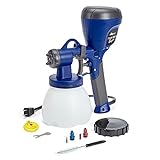
HomeRight Finish Max HVLP
- 450W motor with 3 spray patterns
- Three brass tips from 1.5mm to 4.0mm
- 40 fl oz cup
- 3.5 lb body

Wagner Control Spray Max
- Two-stage HVLP turbine
- 20 ft hose to a stationary base
- Pressure dial and flow adjuster
- Plastic and metal cups included
All 12 Interior Sprayers Compared Side by Side in 2026
| Product | Specifications | Action |
|---|---|---|
| Graco Magnum X5 Airless Paint Sprayer |
|
Check Latest Price |
| HomeRight Super Finish Max HVLP |
|
Check Latest Price |
| Wagner Spraytech Control Spray Max |
|
Check Latest Price |
 Fuji Spray 2202 Semi-PRO 2 Fuji Spray 2202 Semi-PRO 2 |
|
Check Latest Price |
 VONFORN 700W Spray Paint Gun VONFORN 700W Spray Paint Gun |
|
Check Latest Price |
 InoKraft NEO 3000 PSI Airless Kit InoKraft NEO 3000 PSI Airless Kit |
|
Check Latest Price |
 VEVOR 750W Stand Airless Sprayer VEVOR 750W Stand Airless Sprayer |
|
Check Latest Price |
 Batavia 700W HVLP Stationary Sprayer Batavia 700W HVLP Stationary Sprayer |
|
Check Latest Price |
 LESONJOY 1000W HVLP Sprayer LESONJOY 1000W HVLP Sprayer |
|
Check Latest Price |
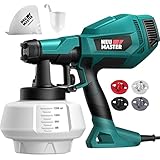 NEU MASTER 1200ml Paint Sprayer NEU MASTER 1200ml Paint Sprayer |
|
Check Latest Price |
 Wagner Spraytech FLEXiO 595 Wagner Spraytech FLEXiO 595 |
|
Check Latest Price |
 DOTOOL 950W 3300 PSI Airless DOTOOL 950W 3300 PSI Airless |
|
Check Latest Price |
1. Graco Magnum X5 Airless Paint Sprayer – Best All-Round Interior Sprayer
Graco Magnum X5 Airless Paint Sprayer, Interior & Exterior
3000 PSI airless
Adjustable pressure control
75 ft hose support
15 lb stand unit
Pros
- Sprays unthinned interior latex and stains
- Highest rated airless option in this group at 4.6 stars
- Suction tube feeds straight from 1 or 5 gallon buckets
- Stainless steel construction with a one year warranty
Cons
- Heaviest and priciest unit in the group
- Airless mist demands serious masking
- Flushing a full airless system takes far longer than an HVLP gun
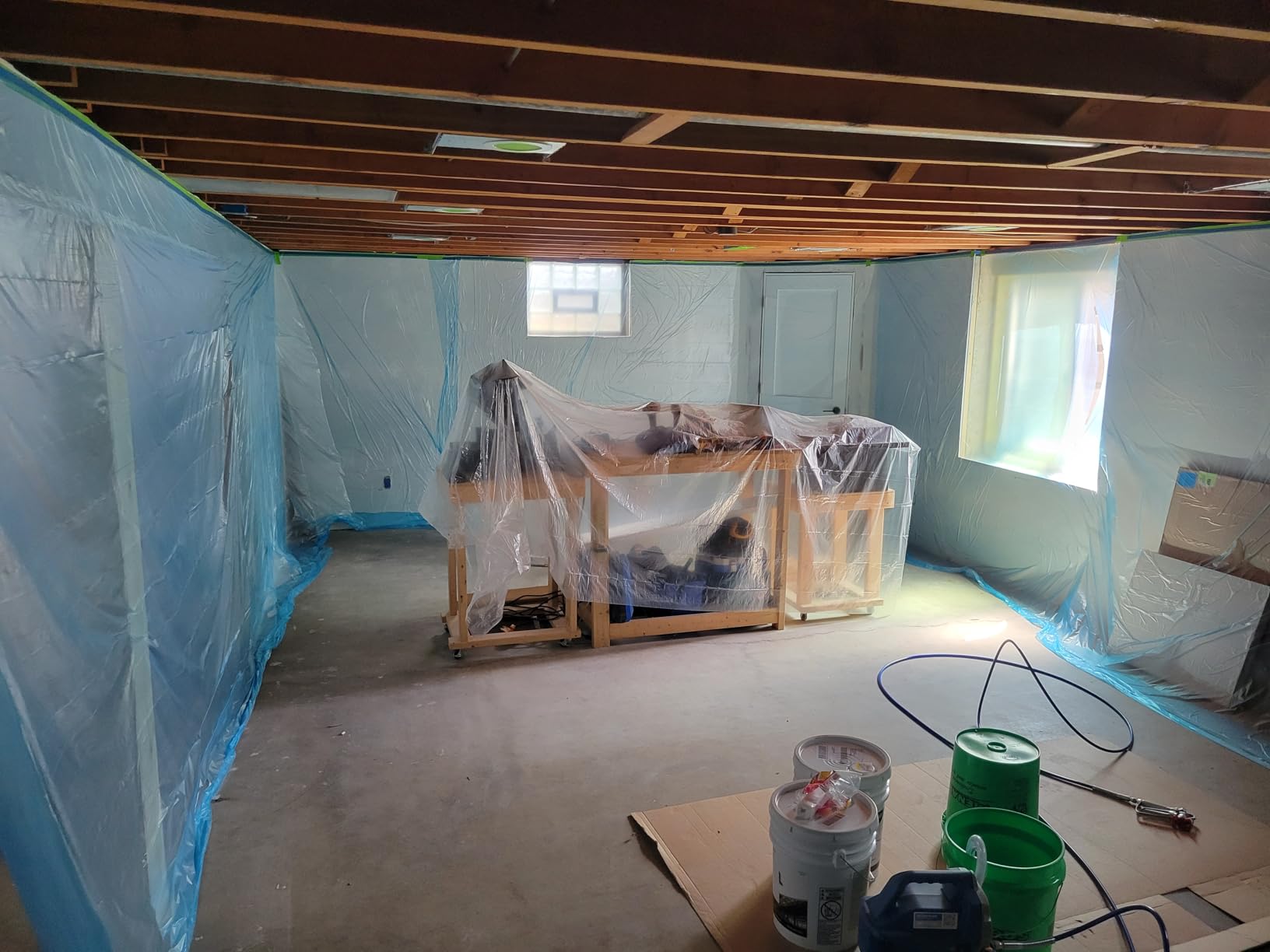
I used the X5 on a twelve-room repaint and it never once needed a refill mid-wall. The flexible suction tube draws straight from a one gallon or five gallon bucket, which removes the single most annoying part of handheld spraying: stopping every four minutes to top up a cup.
Pressure is fully adjustable, so you can run heavy primer through it and then dial back for a finish coat. The stainless steel frame and one year manufacturer warranty make it feel like a tool that will still be here for the next project, not a seasonal purchase.
At 15 lb it is a stand unit, not a hand tool, so you set it in a corner and work with a hose. The system supports up to 75 ft of hose, which means a two-storey wall or a garage-adjacent workshop is within reach without moving the pump.
Owners routinely describe it as the go-to airless step up for DIY work, with the finish coming out smooth and even and the time saving over rolling real but obvious. The catch is discipline: this is not a machine you set down halfway through a job and come back to.
Who the Graco Magnum X5 suits
Anyone painting whole rooms, multiple rooms, or a home over several weekends. It handles unthinned interior latex out of the box, and the project ceiling of roughly 10 gallons matches a medium to large interior job rather than a single touch-up.
Who it does not suit
First-time sprayers with no tolerance for cleanup, and anyone working in a small apartment where fine mist and a 25 ft hose are more liability than help. If your project is trim and cabinets only, this is the wrong shape of tool and you will be flushing a hydraulic pump for nothing.
2. HomeRight Super Finish Max HVLP – Best Value for Trim, Doors and Cabinets
HomeRight Super Finish Max HVLP Paint and Stain Sprayer, 3 Brass Tips
450W turbine
40 fl oz cup
3 brass tips
3.5 lb
Pros
- Sprays most latex unthinned
- Smooth factory-like finish on doors and trim
- Three brass tips cover stains through to primer
- Lightweight at 3.5 lb for long sessions
- Cleaning kit included in the box
Cons
- 40 fl oz cup means constant refills on room jobs
- Unit warms up and needs tip wiping between coats
- Noisy operation comparable to a leaf blower
- Tip can clog on thicker ceiling coatings
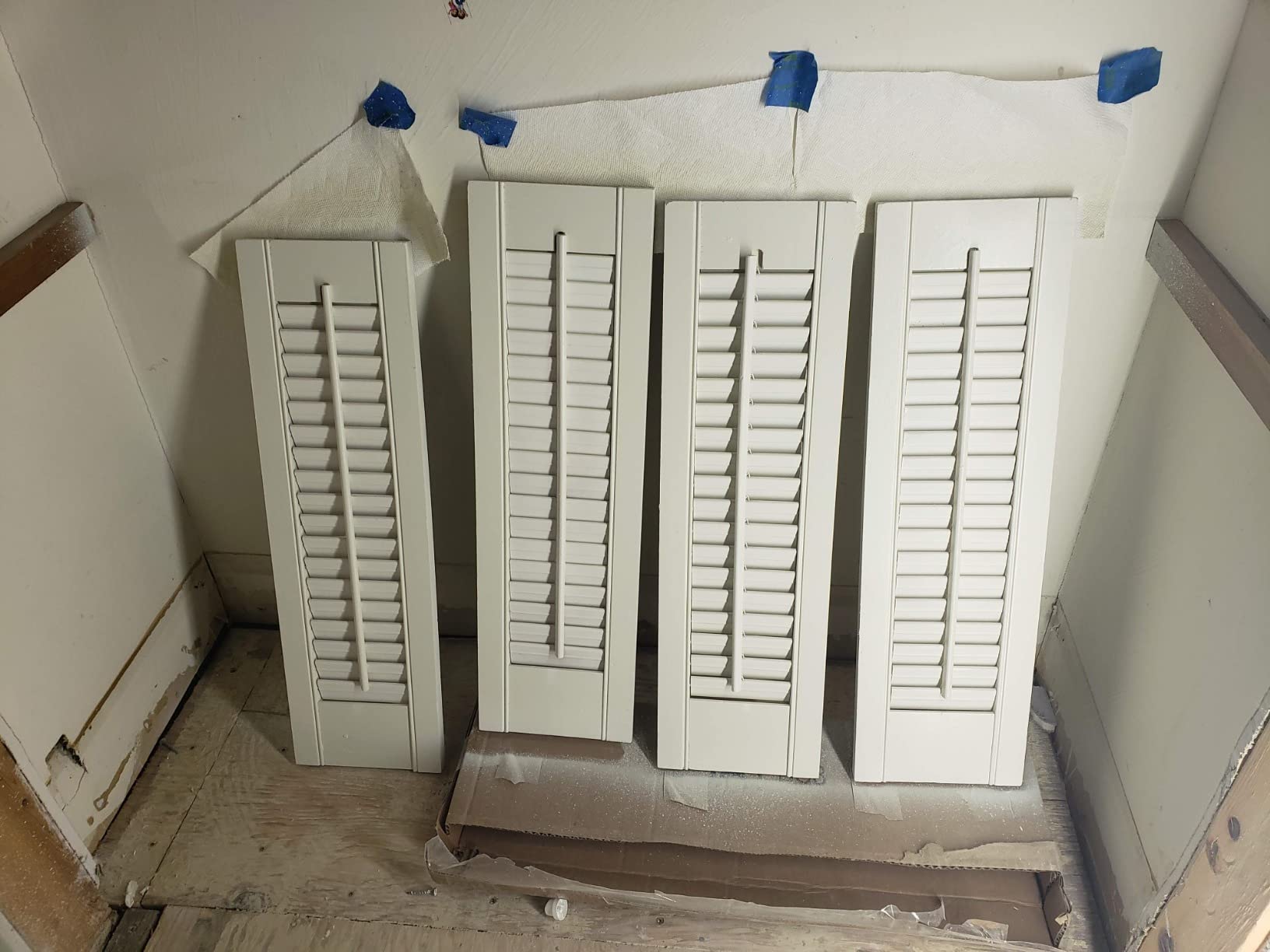
More than 10,000 reviews sit behind this one, and the pattern in them is consistent: owners treat it as a detail machine, not a wall machine. Interior doors, baseboards, casings, shutters, cabinet fronts and furniture are where the Finish Max genuinely outperforms a brush.
The three brass tips are the reason. A 1.5mm for stains and sealers, 2.0mm for chalk and thinner latex, 4.0mm for primer and heavier coatings. That range means you are not stuck buying a new gun the first time you switch paint.
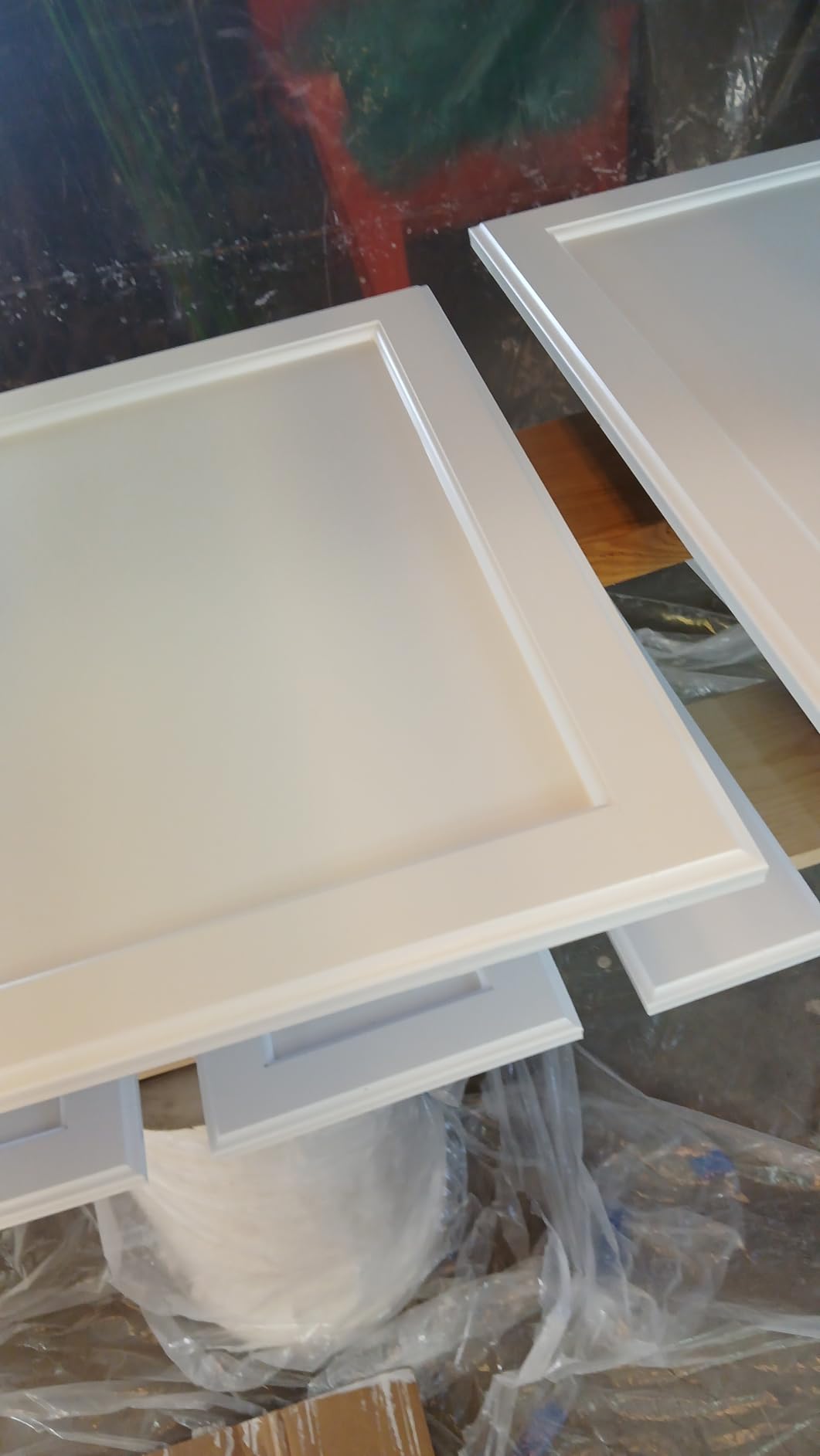
At 3.5 lb it is the lightest gun here, and that matters more than it sounds when you are cutting in around a room for an afternoon. The air cap rotates between horizontal, vertical and round patterns, and a material flow knob lets you slow the output right down for edges.
Cleaning is a flush-and-wipe routine once you have practised it, and the included kit covers the parts that actually need scrubbing. Reviewers are candid that the first session takes longer to learn than later ones.
Who the HomeRight Finish Max suits
Cabinet, trim and door projects, and anyone repainting a single room who wants a better finish than a roller on the walls. The unthinned-latex capability makes it forgiving if you are not confident about thinning ratios.
Who it does not suit
Large wall fields. A 40 fl oz cup on a 12 by 14 foot wall means refilling between every few passes, and the noise level is genuinely loud for an occupied home. If you are painting ceilings in a bedroom at night, this is not the tool.
3. Wagner Spraytech Control Spray Max – Best for Long Sessions With a Hose
Wagner Spraytech Control Spray Max Electric Corded HVLP Paint Sprayer
Two-stage HVLP turbine
20 ft hose
Stationary base
1.5 qt and 1 qt cups
Pros
- Stationary base and 20 ft hose remove the motor weight from your hand
- Pressure dial and flow adjuster handle thin latex through poly
- Metal cup option and cleaning kit in the box
- Smooth glassy finish on wainscoting and baseboards
Cons
- Not a non-bleed gun so it constantly blows dust around
- Turbine can overheat during long continuous runs
- Hose connection can pop out mid-spray
- Only one tip size limits finish versatility
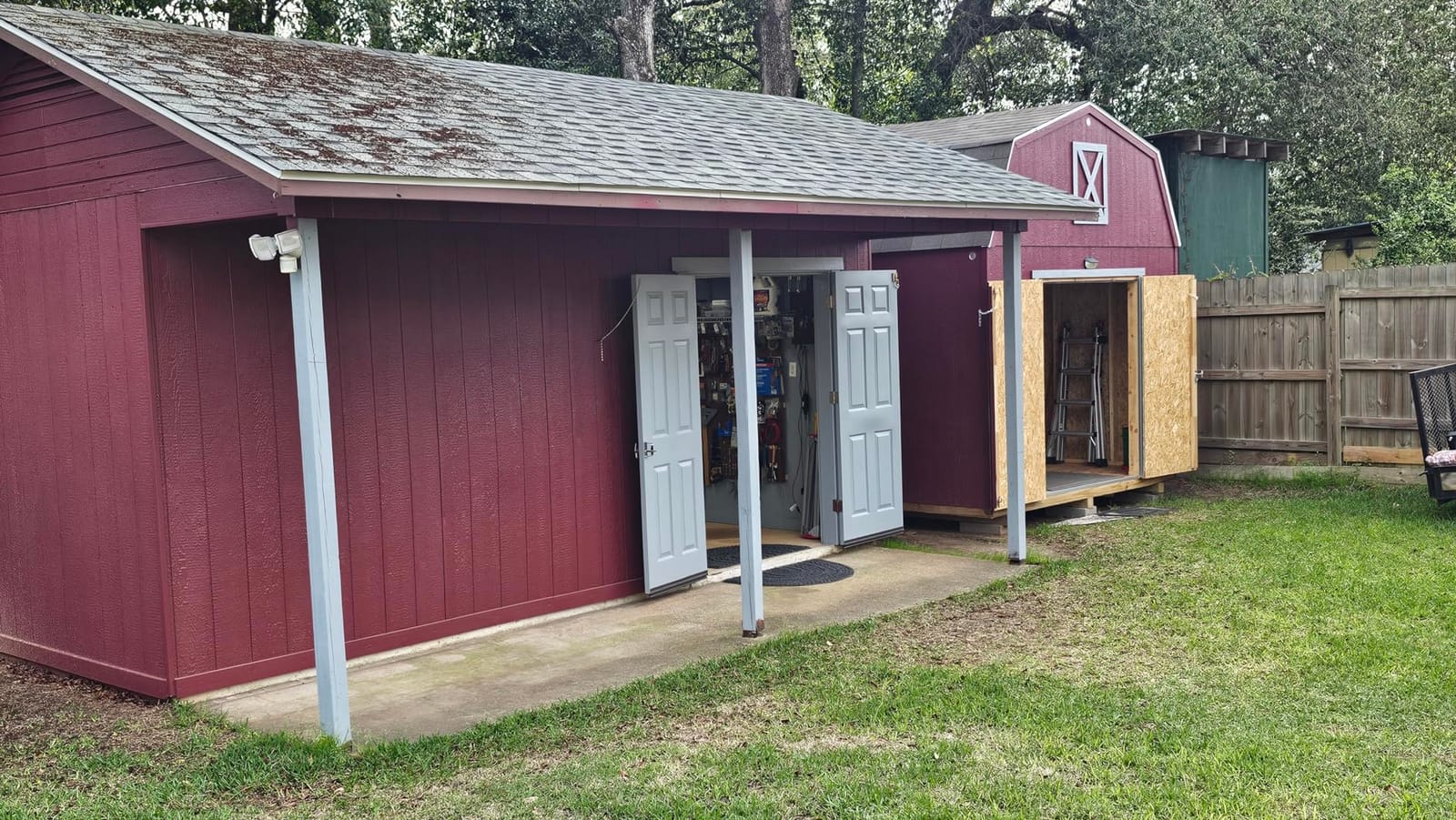
The Control Spray Max answers a problem most HVLP handhelds create: the motor lives in the gun, so your wrist carries the whole machine. This one puts the turbine in a stationary base and hands you a light gun on a 20 ft hose.
For an interior that means you can set the base in the hallway and work a whole room without setting the unit down on a drop cloth. Long baseboard runs and stairwell walls become far less tiring.
Two-stage turbine pressure plus a material flow adjuster cover a wide range of products. Long-standing owners compare it to far costlier professional rigs and find it handles both water-based and oil-based work, with quick cleanup afterwards.
It ships with a 1.5 qt plastic cup and a professional-grade 1 qt metal cup, so you have a stainless option for coatings that eat plastic. The air cap rotates through round, horizontal and vertical patterns.
Who the Control Spray Max suits
Long sessions in larger rooms, wainscoting runs, and anyone who finds a handheld turbine tiring on the wrist. It is also a good fit if you want one machine that handles trim and furniture as well as walls in a single-home repaint.
Who it does not suit
Occupied homes during daytime or evening. This is a bleeder design, so it pushes air and dust outward continuously, which means every surface in the room needs covering before you switch it on. It is also the wrong tool if overspray control is your top priority.
4. Fuji Spray 2202 Semi-PRO 2 – Best for Cabinet and Factory Finishes
Fuji Spray 2202 Semi-PRO 2 – HVLP Spray System
Non-bleed HVLP gun
1.3mm air cap
25 ft hose
24-month warranty
Pros
- Non-bleed design produces the lowest overspray in this group
- Factory-level finish on cabinet doors and trim
- All-metal turbine case and gun built for long service
- Quiet operation relative to other turbines
Cons
- Highest cost in the group and 3M PPS cups add to that
- Included 1.3mm tip only suits thin materials
- Intake tube filter can fail early and must be ordered separately
- 25 ft hose is awkward to route in tight rooms
The Semi-PRO 2 is the only non-bleed system in this group, and that single design choice changes how you work indoors. A non-bleed gun only releases air when the trigger is pulled, so between passes the room stays still and dust stays put.
Owners describe the finish on cabinet doors, trim and refinished metal doors as genuinely professional. The metal turbine case and gun are built for service life rather than a single project, and it carries a 24-month parts and labor warranty.
At 25 lb this is a fixed installation, not a carry-around tool, which suits a garage or basement workshop where the sprayer lives between jobs. The 25 ft hose has an air control valve that helps cut bounce-back and overspray further.
It also runs quieter than the handhelds here, which matters in a house with people in the next room. The gun holder integrated into the turbine case keeps the hardware off the floor.
Who the Fuji Semi-PRO 2 suits
Cabinet refinishing, fine trim work, and homeowners who are particular about overspray in a furnished or occupied house. If you plan to do several refinishing projects over a few years, the metal hardware and warranty justify the outlay.
Who it does not suit
Large wall and ceiling fields, where a turbine system simply cannot move the volume, and buyers who want a plug-and-play kit. The installed 1.3mm air cap handles thin materials only, so expect to buy a larger tip and separate 3M PPS cups before spraying latex.
5. VONFORN 700W Spray Paint Gun – Best Budget Sprayer With the Most Complete Kit
VONFORN Paint Sprayer, 700W Spray Paint Gun with 4 Nozzles & 3 Patterns
700W motor
1200ml cup
4 nozzles
1.8 meter hose
Pros
- Four nozzle sizes cover thin sealers through thicker latex
- Viscosity cup
- filters
- needle and brush all in the box
- Tool-free assembly approachable for first-time users
- Dust blowing joint and cleaning connector speed up prep
Cons
- All-plastic body is less durable than metal tank models
- Paint generally needs thinning for consistent atomization
- Fine mist requires careful masking
- Cleaning must happen promptly to avoid tip clogs
The accessory kit is the story here. Most budget sprayers ship with a nozzle and a prayer, while this one includes a viscosity cup, five paint filters, a cleaning needle, a cleaning brush, a dust blowing joint and a faucet cleaning connector.
That kit is genuinely useful rather than filler. The viscosity cup lets you thin to a measured target instead of guessing, and the dust blower clears debris off the wall before atomised paint locks it down.
Four nozzle sizes from 1.0mm to 3.0mm and three spray patterns cover furniture, cabinets, fences and interior walls. Reviewers recommend it widely for furniture projects, where the 1200ml cup holds a workable amount without becoming a hand-ache.
At 1.9 kg it is heavier than the light handhelds but still manageable for a room-scale job. Assembly needs no tools, which removes a real barrier for someone who has never used a spray gun.
Who the VONFORN 700W suits
First-time sprayers on a tight budget, and anyone painting furniture or cabinets where a smooth, thin finish matters more than volume. The included measuring tools make the learning curve gentler.
Who it does not suit
Whole-house wall work. Thinning is close to mandatory for consistent atomization, and the fine mist means heavy masking. The all-plastic body is also the first thing to suspect if you want a tool that survives a rental-property workload.
6. InoKraft NEO 3000 PSI Airless Kit – Best for First-Time Airless Users
InoKraft NEO Airless Paint Sprayer Kit, 3000 PSI 0.26 GPM, Lightweight
3000 PSI airless
0.26 GPM flow
10 lb frame
25 ft hose
Pros
- Lightweight airless performance in a 10 lb frame
- Sprays unthinned latex and acrylic from 1 or 5 gallon containers
- Masking film
- tape
- strainer and touch-up brush included
- Flush-Ease valve makes cleanup fast
Cons
- Plastic hose keeps its coil memory and resists staying straight
- No inline pressure gauge so fine settings are guesswork
- 0.26 GPM suits small rooms more than whole houses
- Occasional tip clogs with thick coatings
This is the airless machine to buy if you have never run an airless sprayer. The 10 lb frame carries the pump, and a 12 inch leak-proof tip extension with a 360-degree swivel gets you into corners and up toward a ceiling without contorting your wrist.
Buyers treat it as a step up from rolling and report smooth, streak-free walls and furniture painted in a fraction of the time. At 0.26 GPM it is built for rooms and single floors rather than a full house in a weekend.
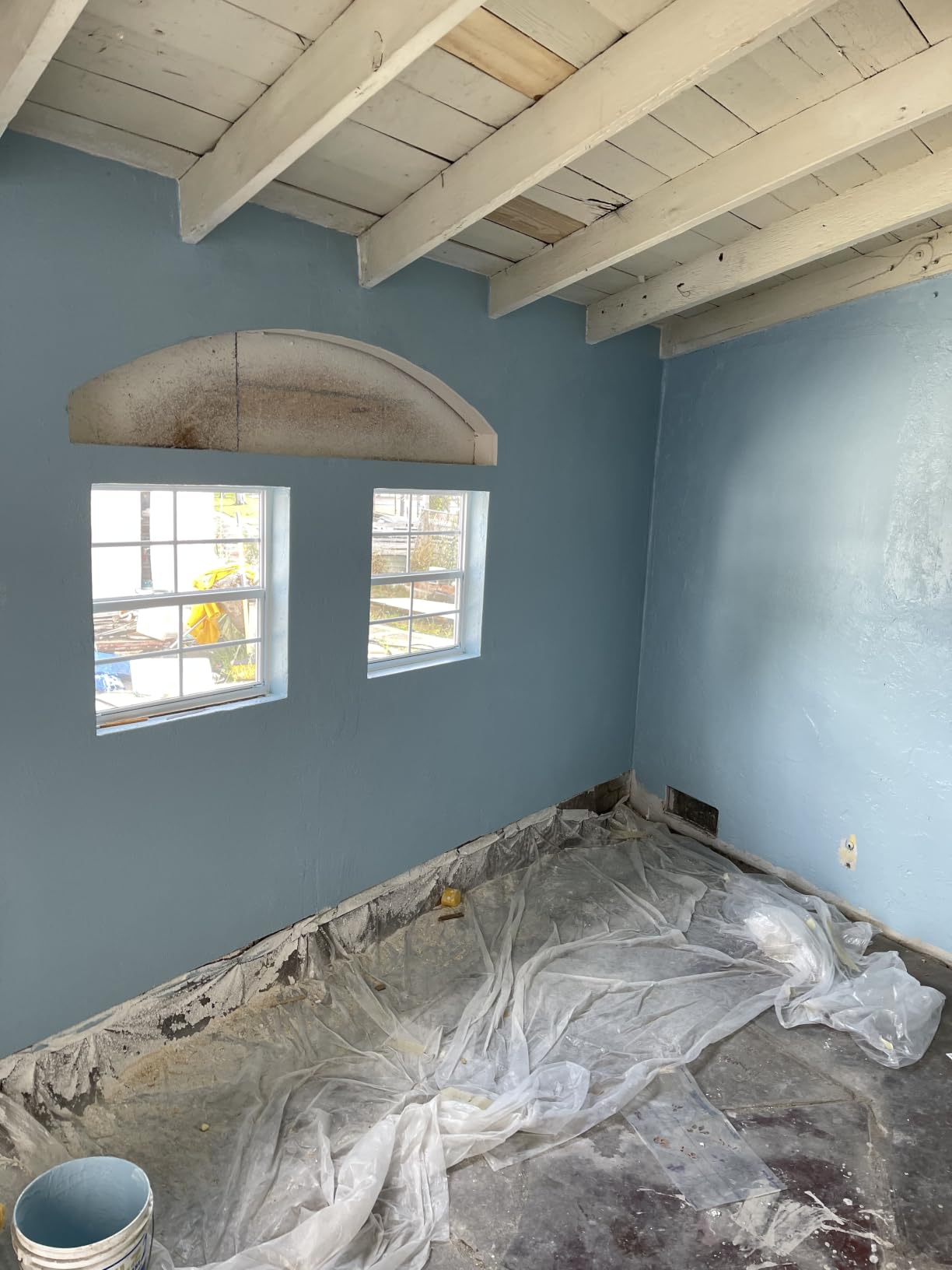
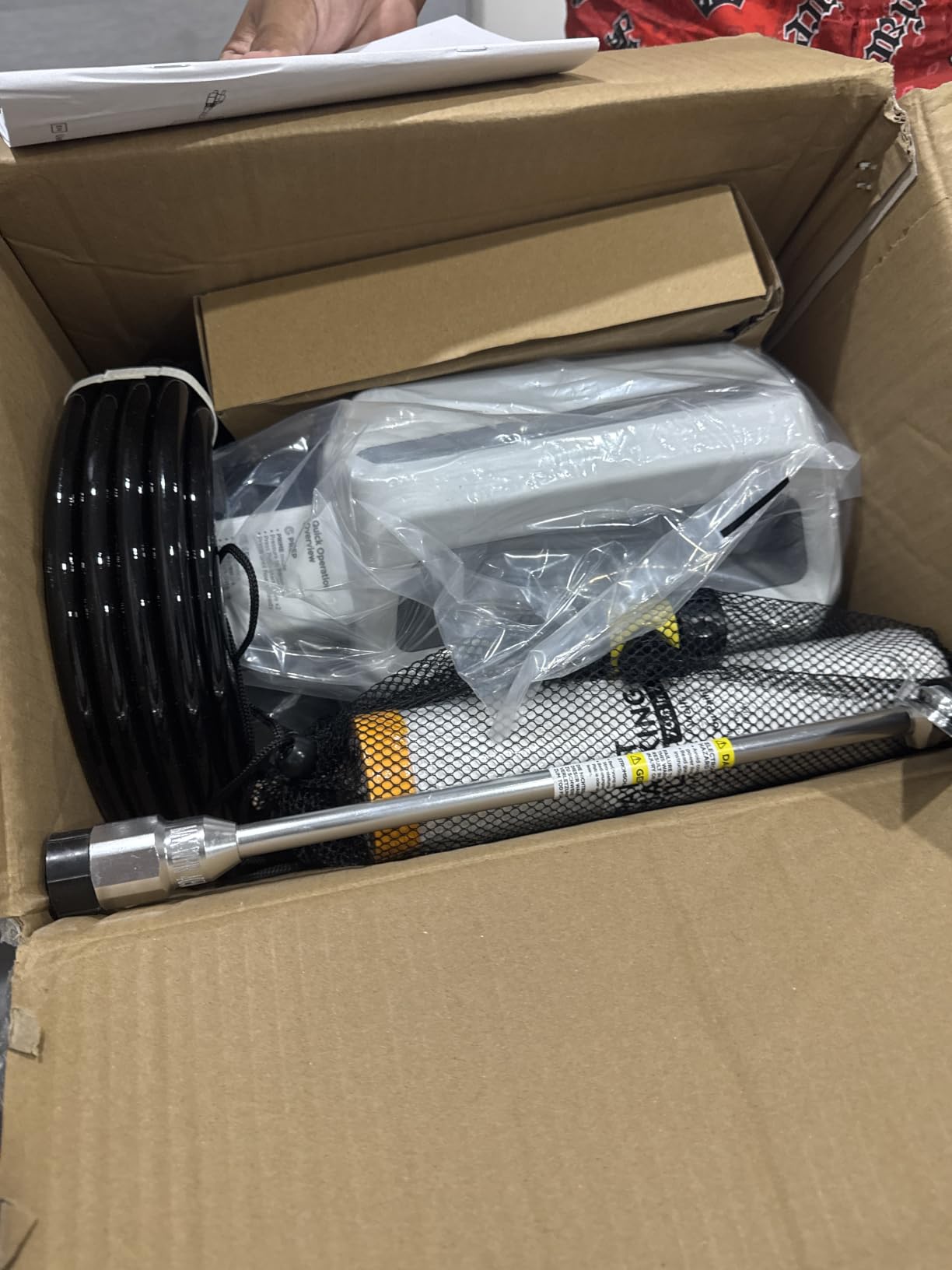
The bundled kit is unusually complete for an airless unit: masking film, masking tape, a 250um strainer, a 515 nozzle and adapter, a nozzle brush, a gun filter element, a cleaning brush and a wrench. You can mask a room and start spraying without a separate hardware run.
Cleanup runs through the Flush-Ease valve with minimal disassembly. Reviewers put cleaning at roughly ten minutes, which is the difference between using it twice a year and using it every project.
Who the InoKraft NEO suits
Homeowners repainting one to three rooms who want an airless result without a contractor-size machine. The 3000 PSI rating and included tip cover interior latex, acrylic, primer and stain without thinning.
Who it does not suit
Anyone needing to dial in a fine finish with precision, because there is no inline pressure gauge to read. The plastic hose also fights you on stairs and around corners, where a longer-lived hose would be easier to manage.
7. VEVOR 750W Stand Airless Paint Sprayer – Best for High Wall Volumes
VEVOR 750W Stand Airless Paint Sprayer, 3000PSI High Efficiency Electric Airless Sprayer, Fine and Even Painting Effect, Handheld Paint Sprayers for Home Interior and Exterior Furniture and Fences
750W motor
3000 PSI
1.2 LPM flow
19.6 lb stand unit
Pros
- Highest flow figure in the group at 1.2 LPM
- Full-metal frame and rubber hose for durability
- Detachable pump body with included cleaning brush
- Extension pole reduces bending and ladder work
- Adjustable motor speed for material thickness
Cons
- Heaviest unit here at 19.6 lb so it stays put
- Box includes only the sprayer so accessories are extra
- Some buyers find finish consistency varies with settings
Flow rate is the number that matters on a large wall, and 1.2 LPM is the highest in this group. That is what makes the VEVOR fast across a two-storey wall or a long hallway, rather than a machine that catches up on the second coat.
The full-metal frame and rubber hose feel more durable than plastic-bodied rivals of similar output, and the detachable pump body comes apart with the included brush for maintenance.
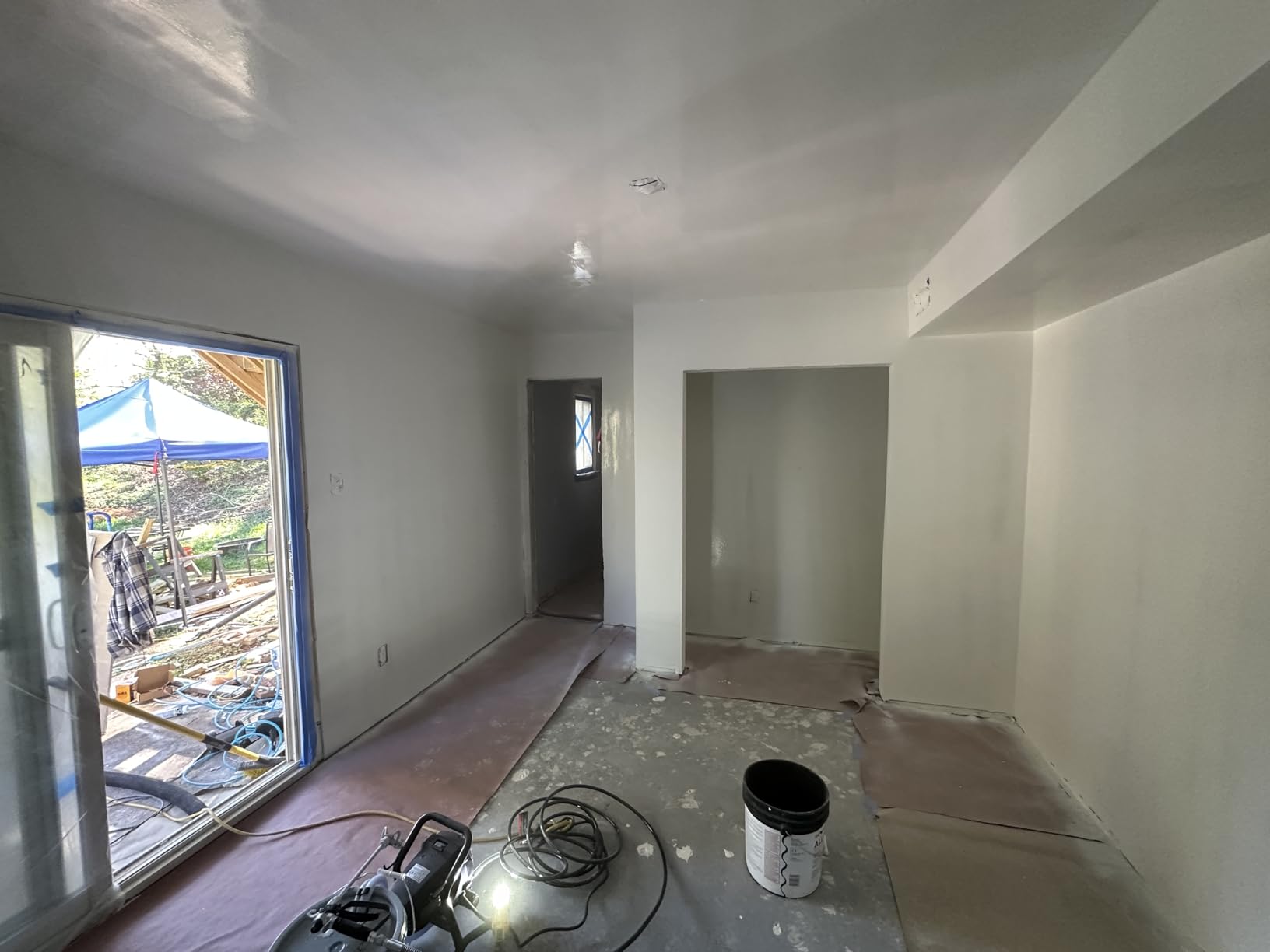
An extension pole is included, which is the feature interior painters care about most after flow rate. It keeps you off the ladder for the first eight feet of a wall and stops you bending to reach a skirting board.
Fan-shaped atomisation and adjustable motor speed let you move between primer and finish without changing hardware. At 19.6 lb this is a fixed job-site machine rather than a carry tool, so plan where it will sit before you start.
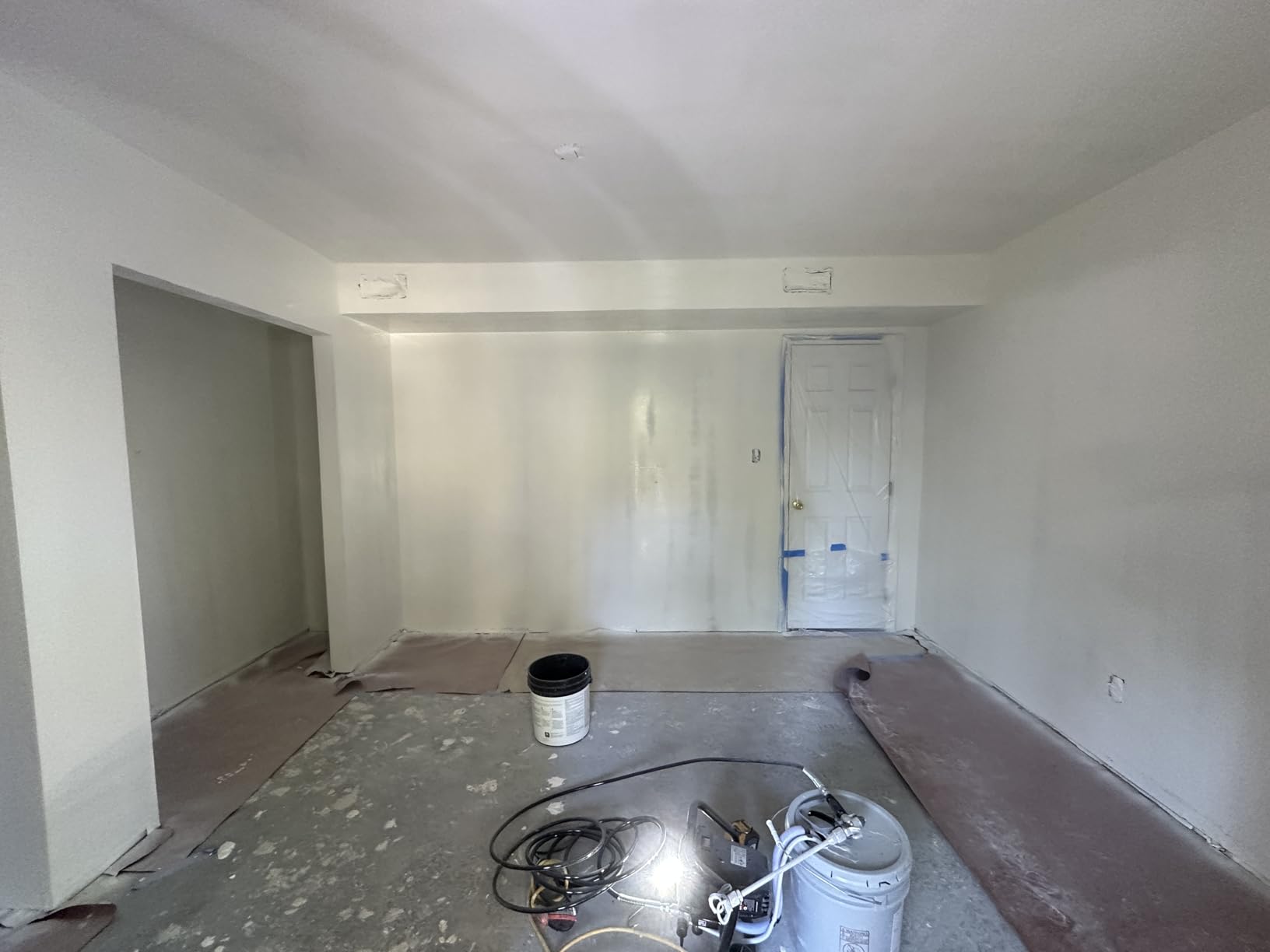
Who the VEVOR 750W suits
Homes with high ceilings, stairwells, long hallways or a large open-plan interior where paint volume is the constraint. It also handles furniture and fences if you are covering both inside and out.
Who it does not suit
Apartments, small rooms and anyone who needs to move the machine between floors regularly. The listed package covers the sprayer itself, so plan on sourcing nozzles, a gun and any tip you need separately.
8. Batavia 700W HVLP Stationary Sprayer – Best for a Lightweight Handpiece
Paint Sprayer – BATAVIA 700W HVLP High Power Spray Paint Gun with 6FT Air Hose, 4 Nozzles & 3 Patterns, Paint Gun for House Painting, Furniture, Cabinets, Fence, Home Improvement
700W motor
1 lb detachable gun
6.5 ft hose
4 nozzles
Pros
- Handpiece weighs 1 lb which cuts arm fatigue
- Four nozzle sizes and three patterns give good control
- Visible anti-backflow design helps reduce clogging
- Tool-free assembly with cleaning brush and needle
- ETL certified with a 24-month warranty
Cons
- Only 6.5 ft of air hose limits reach
- Plastic construction and 4.2 rating point to entry-level durability
- Occasional atomization and clogging complaints
The Batavia takes the motor out of the gun entirely and leaves you holding a 1 lb handpiece on a 6.5 ft air hose, with a shoulder strap to take the remaining load. On a full room of trim and baseboards, that difference shows up in your shoulders by evening.
Four nozzle sizes from 1mm to 3.0mm and three spray patterns give real control across materials, and the anti-backflow design is visible so you can see the feed path when a tip starts to struggle.
Maximum viscosity of 120 DIN-s is the highest figure in this group, which means it will take thicker interior coatings than most budget handhelds. It is ETL certified and carries a 24-month warranty with support behind it.
Reviewers respond well to the feature set and the light handpiece. The complaint that comes up most is reach: 6.5 ft of hose is fine for furniture and a bathroom, and short for a bedroom with a far corner.
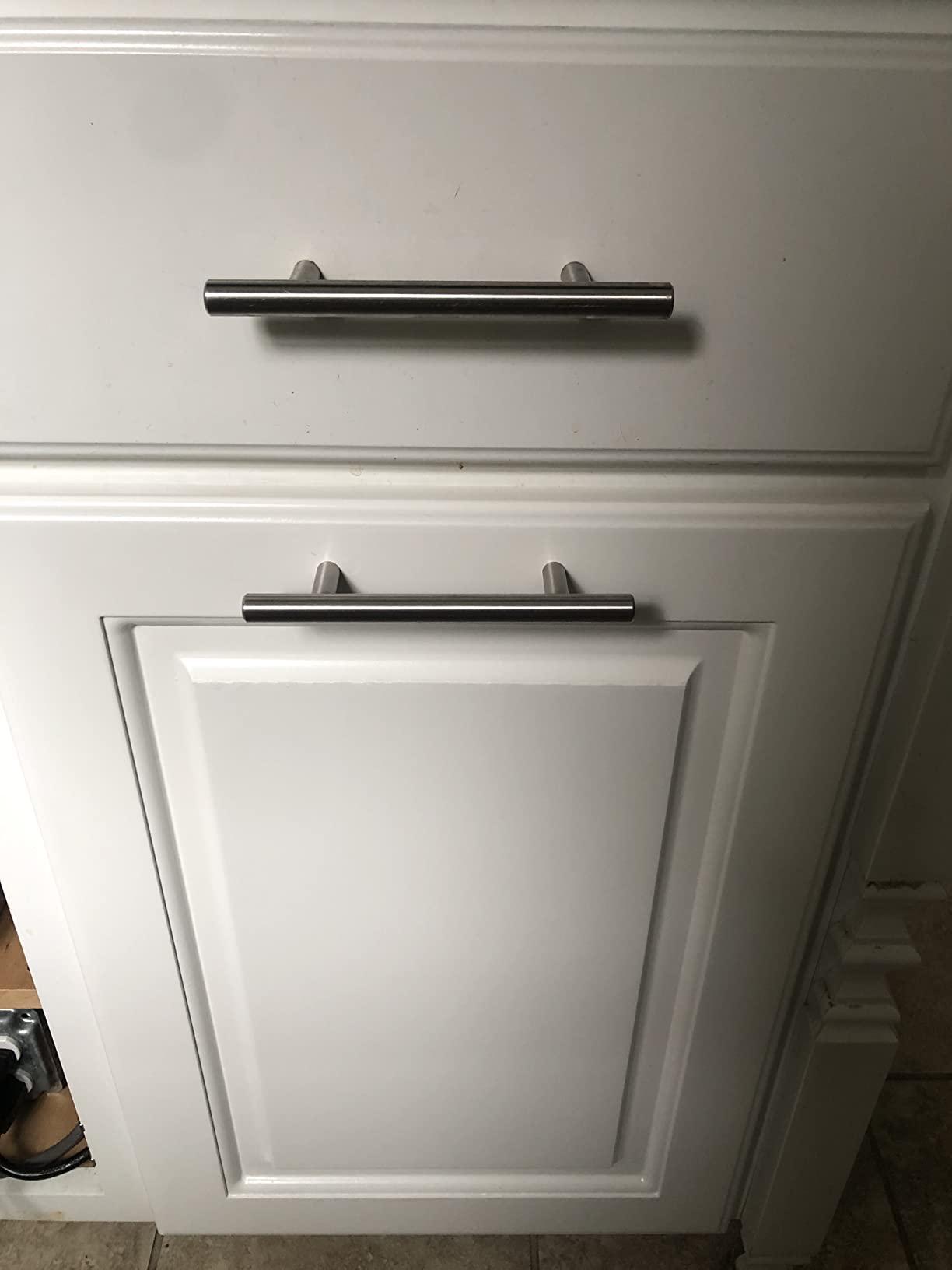
Who the Batavia 700W suits
Furniture, cabinet and small-room projects, and anyone who wants a stationary setup at an entry price. The 24-month warranty gives some confidence in a category where budget units often fail early.
Who it does not suit
Large rooms and any project where you would be constantly moving the motor base. The 4.2 star rating with a 9% one-star share suggests the atomization is good rather than exceptional, so a premium cabinet project deserves a better gun.
9. LESONJOY 1000W HVLP Sprayer – Best Budget Gun With a Large Cup
Paint Grids 1000W High Power Paint Sprayer – HVLP Electric Spray Paint Gun with 4 Copper Nozzles & 3 Patterns, Large Capacity Power Painter for Furniture, Cabinets, Fence & House Painting Yellow
1000W motor
1400ml cup
4 copper nozzles
3 patterns
Pros
- 1000W motor holds output through long sessions
- Four copper nozzles outlast plastic tips
- 1400ml cup cuts refill interruptions indoors
- Tool-free disassembly with cleaning brush and needle
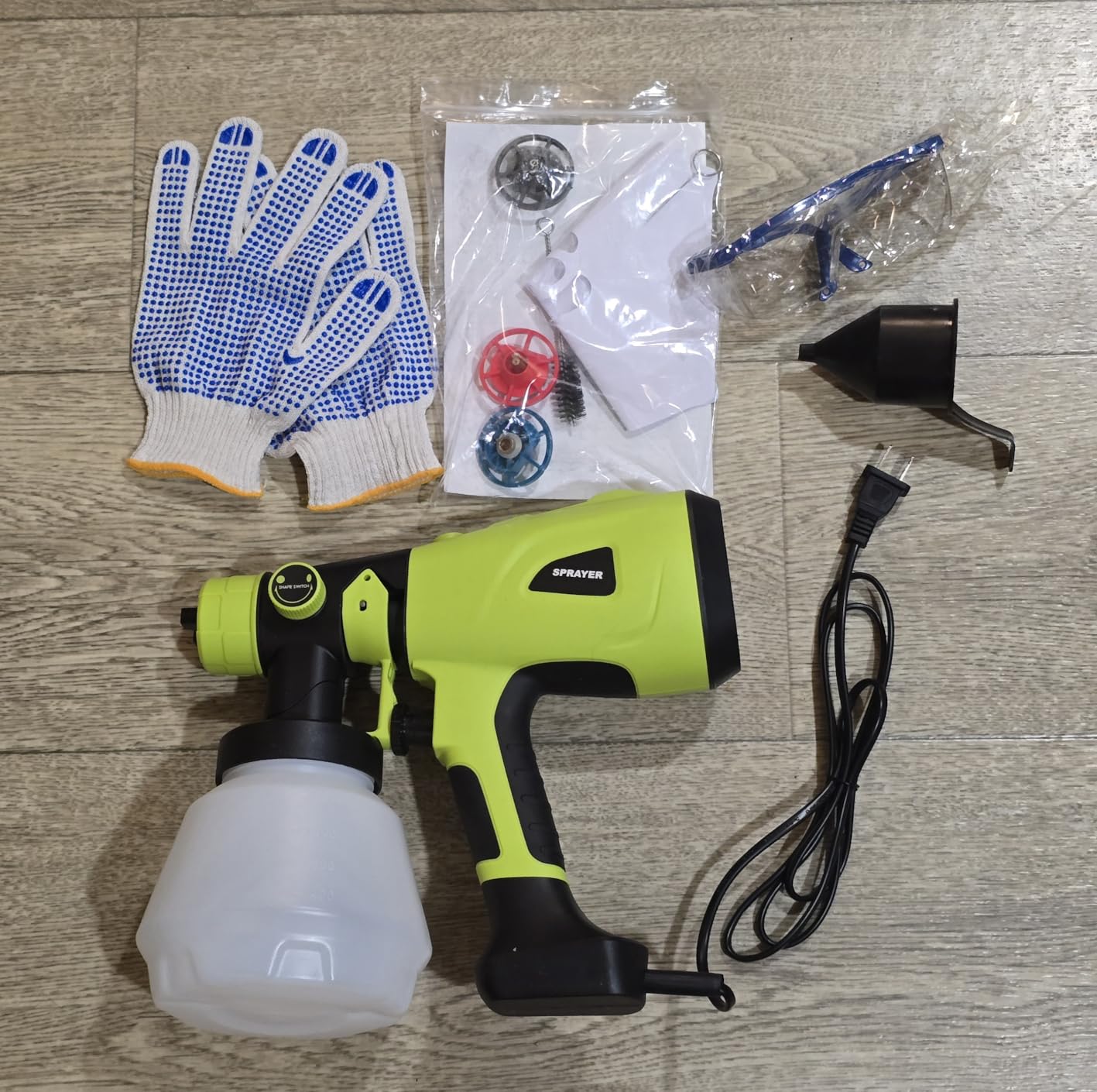
- Gloves
- viscosity cup and filter funnels included
Cons
- Some users report the pattern distorting mid-job and spitting globs
- Thinning by 15 to 20% usually needed for clean atomization
- Corded design with no battery option
Cup size is the underrated spec. At 1400ml, this gun holds roughly three times what a small handheld does, and on interior walls that difference shows up as fewer interruptions rather than a faster finish.
The four copper nozzles from 0.8mm to 2.5mm are a real upgrade over plastic tips. Reviewers note they last longer and cover thin stains through to thicker latex without needing a second set of hardware.
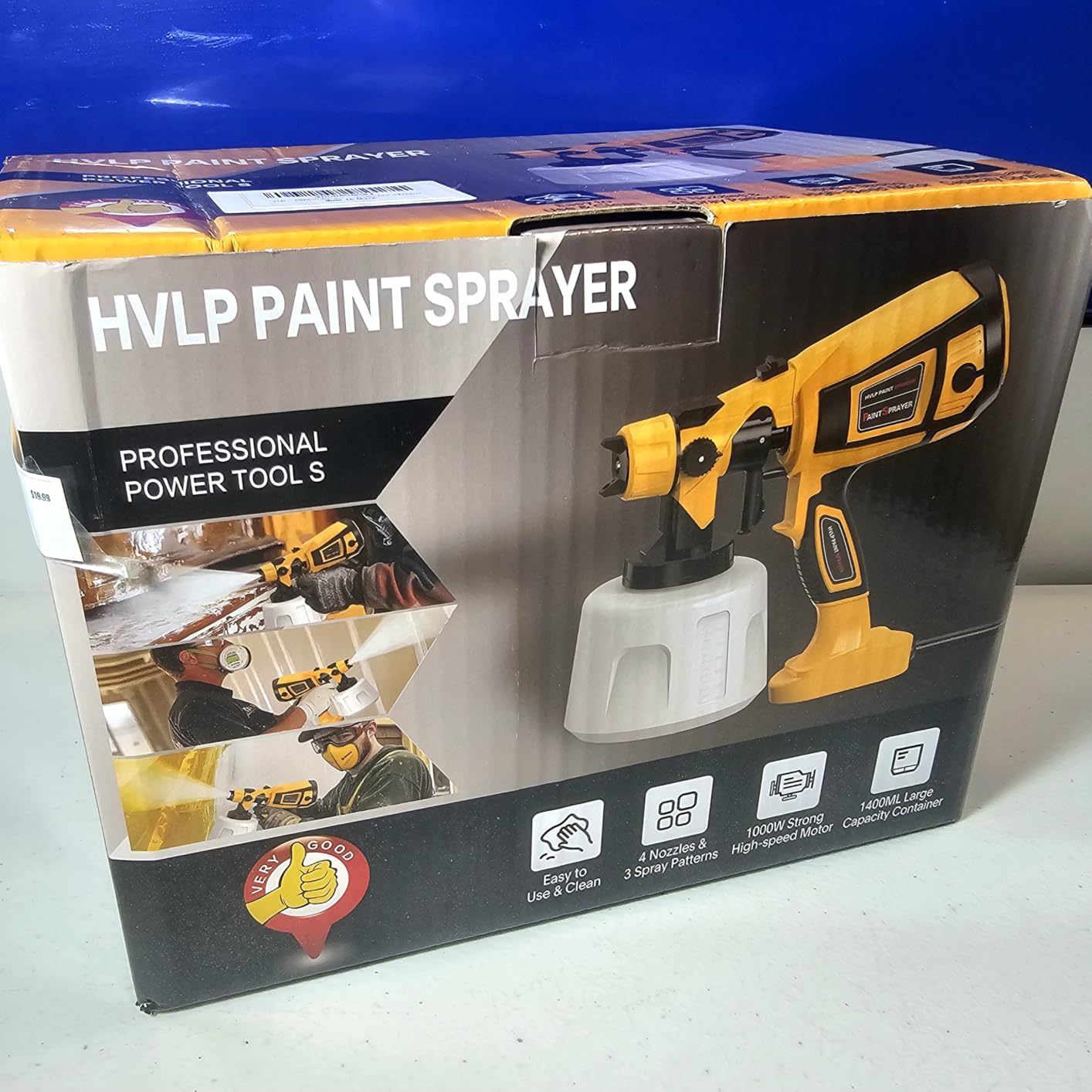
A 1000W motor holds its output through extended sessions without the power drop that trips up smaller units. Flow control and spray width adjustment knobs sit on the gun body, so you can narrow the fan for a door edge mid-pass.
Disassembly is tool-free and the box includes gloves, a viscosity cup and filter funnels. Cleanup is a quick rinse rather than a disassembly project, which is the single most common complaint people have with budget guns.
Who the LESONJOY 1000W suits
Interior walls and ceilings on a budget, particularly bedrooms and hallways where refill stops multiply. It also handles furniture with thinned paint once you have the technique down.
Who it does not suit
Jobs where a wandering spray pattern would cost you time. A minority of users report the pattern distorting partway through a session and spitting globs, so test spray on scrap cardboard for a full minute before you start a wall.
10. NEU MASTER 1200ml Paint Sprayer – Best for Furniture and Small Detail Work
NEU MASTER Paint Sprayer, 1200ML Container/4 Nozzles/3 Patterns Sprayer Gun
500W motor
1200ml cup
4 nozzles
6.65 ft cord
Pros
- Smooth even mist on furniture
- trim and interior doors
- Lightweight 3 lb body with balanced weight distribution
- Disassembles easily for thorough cleaning
- Strainers
- nozzles and viscosity tools included
Cons
- Air output cannot be regulated so mist is heavy and persistent
- Narrow spray pattern makes large wall coverage slow
- Paint must be thinned with water or dried flakes clog the tip
- Instructions can be confusing for beginners
Reviews of this gun split cleanly by project size, and that split is the most useful thing about them. On furniture, shutters, trim and interior doors, owners report smooth atomization and easy cleaning. On full walls, the same owners report a narrow pattern, slow coverage and a lot of mist.
At 3 lb with balanced weight distribution it stays comfortable through a furniture project, and it takes apart easily for the deep clean that prevents clogs later. Ten paint strainers are included, which is helpful given the water-thinning requirement.
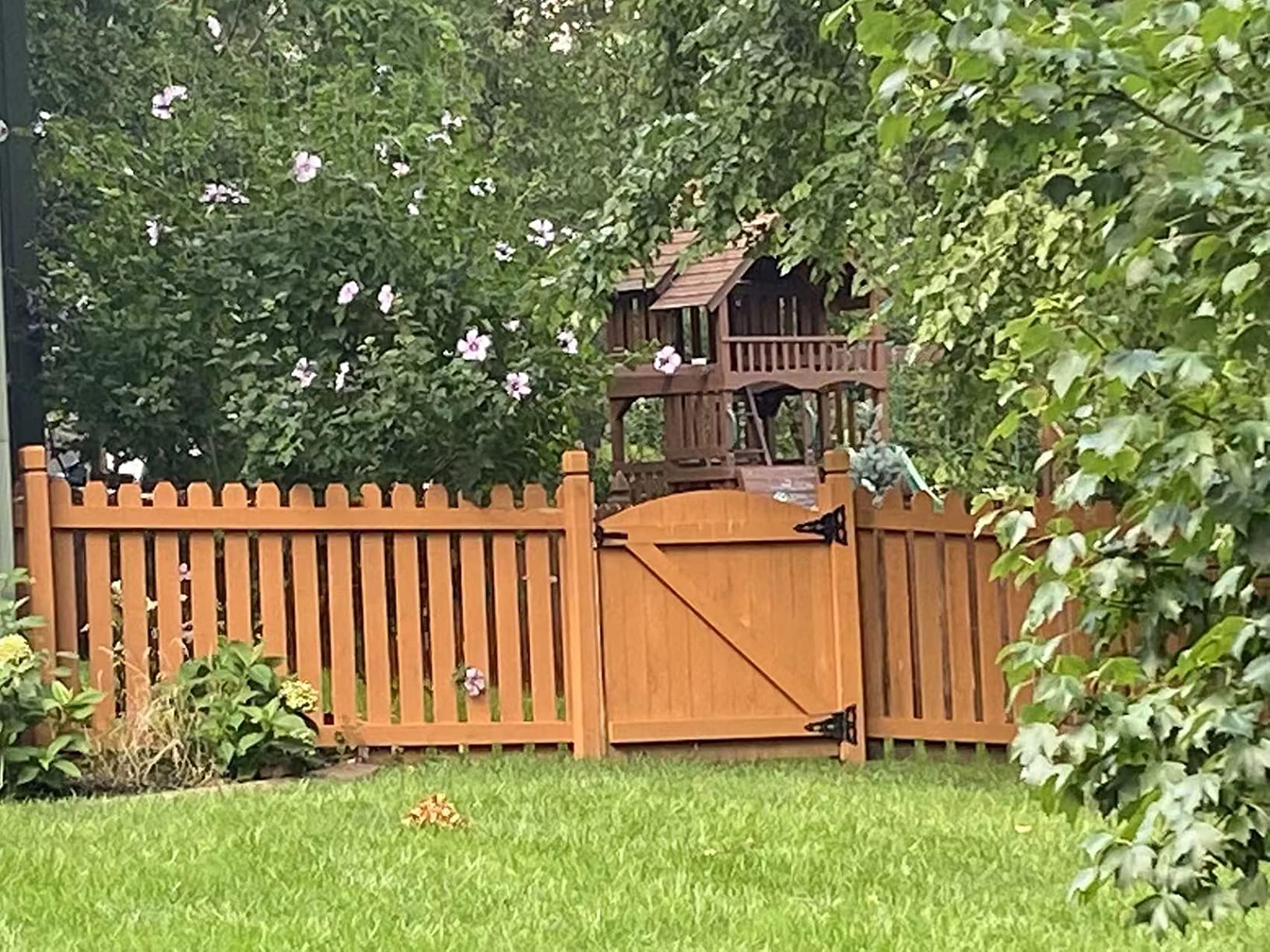
Four nozzle sizes from 1.5mm to 3.0mm cover thinned latex, chalk, stain, sealer and varnish up to 100 DIN-s. The detachable 6.65 ft UL-certified cord is long enough to reach around a workbench without an extension lead.
The fixed, unregulated air output is the design limitation reviewers mention most often. Once the trigger is released the blast continues, so overspray lands on the floor and the far wall until you set the gun down.
Who the NEU MASTER suits
Furniture refinishing, interior doors, shutters and trim in a single room. If your project is a weekend of detail work rather than whole walls, the light body and easy disassembly make it a pleasant tool to learn on.
Who it does not suit
Interior walls, and occupied rooms where a continuous blast is a problem. The 4.1 star rating with a 10% one-star share reflects that split, so buy it for what it does well rather than hoping it covers everything.
11. Wagner Spraytech FLEXiO 595 – Best Two-Nozzle All-in-One
Wagner Spraytech FLEXiO 595 Handheld HVLP Paint and Stain Sprayer
X-Boost turbine
iSpray and Detail Finish nozzles
9 speed settings
1.5 qt cup
Pros
- Two nozzles cover walls
- ceilings and fine cabinetry with one machine
- iSpray nozzle handles most unthinned latex and stains
- Nine speed settings with flow and width control
- Bonus cup liner speeds colour changes
- 10 percent lighter than earlier FLEXiO models
Cons
- Lowest average rating in this group at 4.1
- Durability questions relative to its cost
- Filters and accessories usually need a separate purchase
The FLEXiO 595 is the most interesting answer to the one-sprayer-or-two question. It ships with two nozzles: an iSpray nozzle for walls, ceilings and siding, and a Detail Finish nozzle for cabinets and furniture.
That pairing means one machine covers both halves of an interior job, which is exactly the compromise homeowners describe wanting. The X-Boost turbine sprays most unthinned interior latex and stains through the iSpray nozzle.
Nine power speed settings combine with variable paint flow and an adjustable spray width, so you can move from a wide fan on a wall to a narrow jet on a cabinet edge without swapping hardware. Pattern size and direction both change, horizontal or vertical.
The bonus cup liner is more useful than it sounds for a two-colour job, since you can swap the liner rather than scrub the cup between bedrooms. The body is 10% lighter than earlier FLEXiO models.
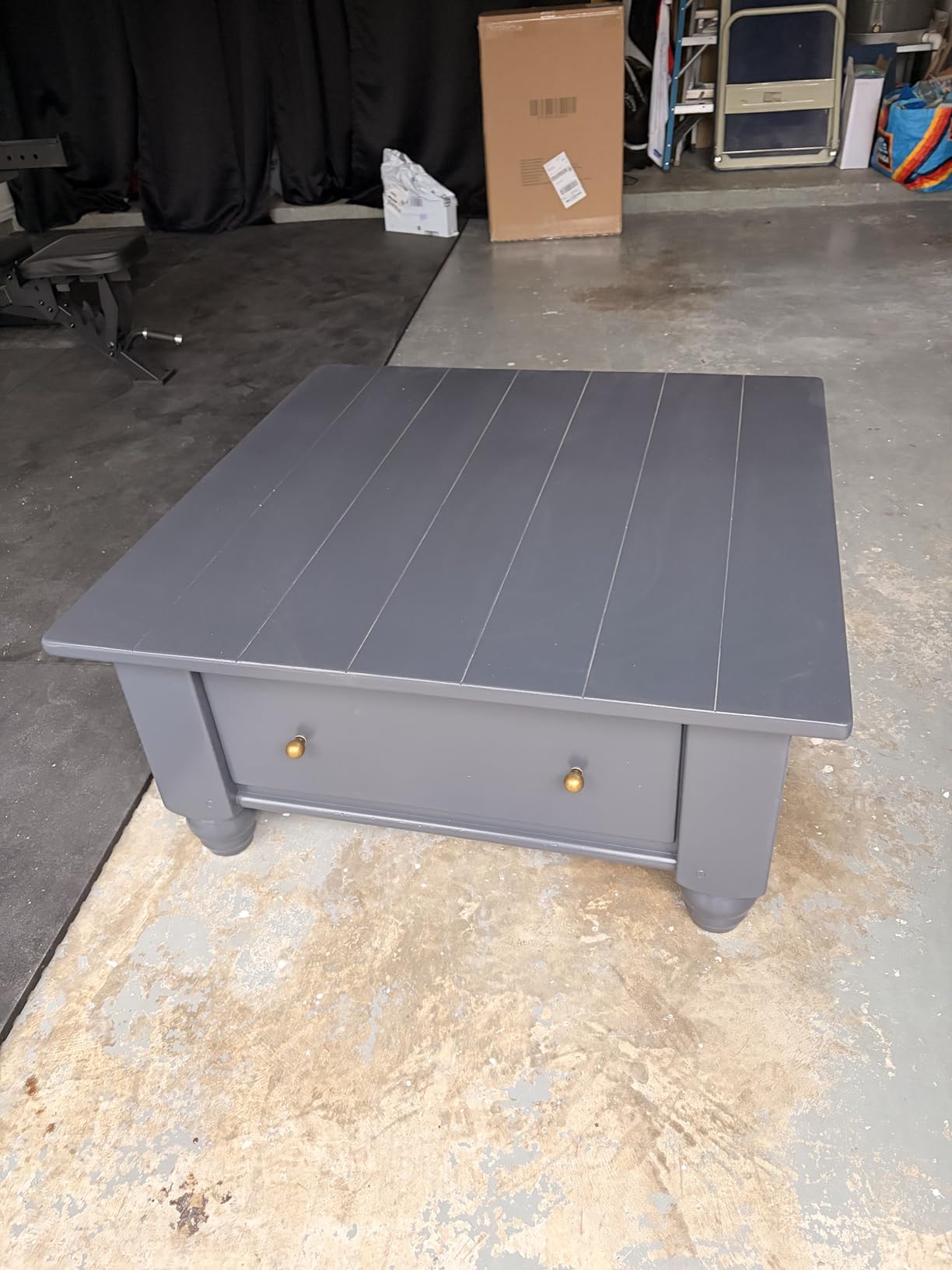
Who the FLEXiO 595 suits
Homeowners who want one handheld to cover a full interior repaint without buying a separate detail gun. The nozzle pairing and cup liner make it a good fit for a two-bedroom refresh in a weekend.
Who it does not suit
Buyers expecting a long service life. The 4.1 average and a 15% one-star share point to mixed experiences with reliability, and filters and accessories generally need buying separately, so the running cost is higher than the sticker suggests.
12. DOTOOL 950W 3300 PSI Airless Sprayer – Best for Multi-Room Reach
DOTOOL Airless Paint Sprayer, 950W 3300PSI High Pressure Paint Sprayer Gun
950W motor
3300 PSI
45 ft hose
extension wand
Pros
- Highest pressure figure in the group at 3300 psi
- Generous 45 ft hose means fewer moves between rooms
- Sprays straight from 1 or 5 gallon pails with no cup refills
- Swivel-jointed gun steers easily around furniture
- 515 and 517 tips
- cleaning kit and wrenches included
Cons
- Cleaning is demanding and must happen immediately
- Some units arrive with assembly and quality issues
- 45 ft hose is more hose than a small job needs
- Smallest review base at 194 ratings
Reach is the pitch. A 45 ft high-pressure hose means you can set the pump in a hallway or the garage and cover rooms on more than one floor without relocating it, and an 18-inch extension wand with swivel joints on the gun makes steering around furniture manageable.
At 3300 psi it produces dense, even atomization, and paint draws directly from one gallon or five gallon pails at any pressure. Both 515 and 517 tips are in the box along with two wrenches and a cleaning kit.
Owners single out the hose length as a real advantage over shorter competitors and report fast coverage on large surfaces. The gun is rated for up to 200 gallons of paint per year, so it is not a short-term rental unit.
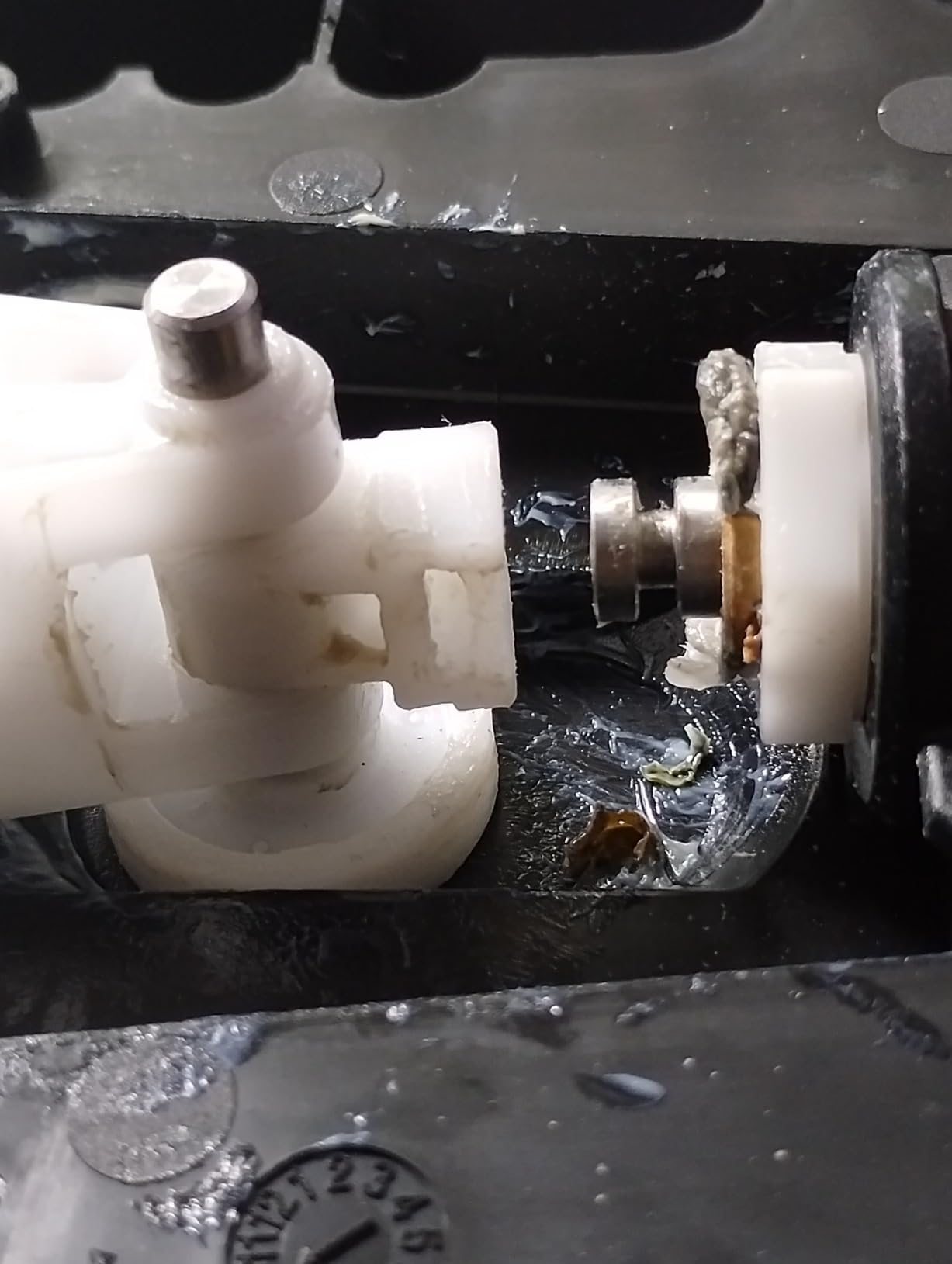
Cleaning is the part you have to plan around. It is a demanding flush that should happen the same day you finish, and detractors report some units arriving with stuck pump balls or a leaking return hose that need sorting before the first use.
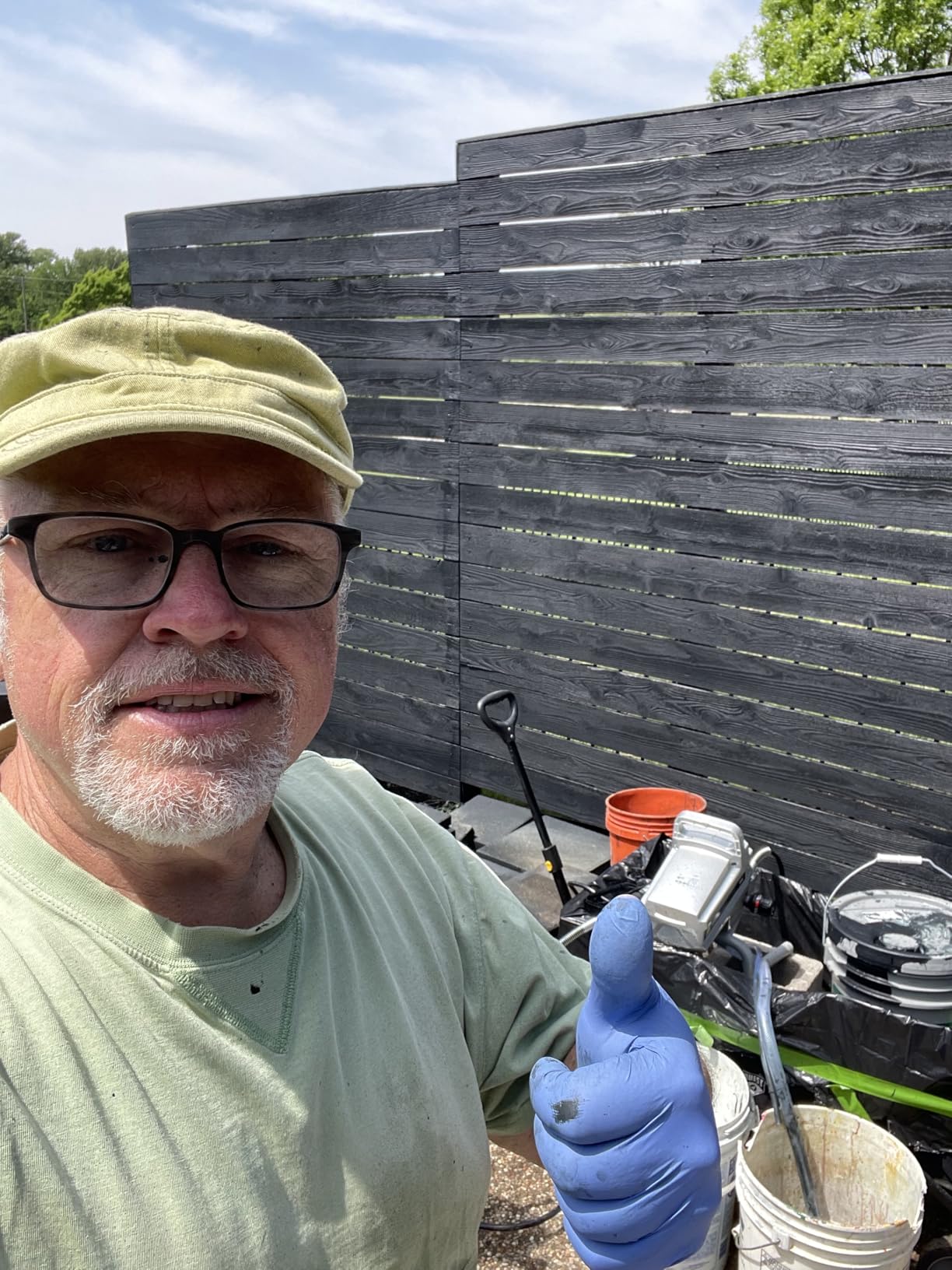
Who the DOTOOL 950W suits
Homes with several rooms across more than one floor, and landlords maintaining multiple properties who want to set a machine down once. The pail feeding means no cup refills across a long day.
Who it does not suit
Small jobs and single doors, where 45 ft of hose is dead weight and cleanup effort outweighs the benefit. With 194 ratings, long-term durability is also the least well documented in this group, so test it thoroughly in the first week.
Which Type of Paint Sprayer Is Best for Interior Walls?
Three formats cover almost every interior need, and the right one depends on how much wall versus how much detail you have. Here is the short version:
Airless sprayers are best for large wall and ceiling fields. A hydraulic pump pushes paint at roughly 3000 PSI through a fine tip, so you cover a bedroom in minutes with no thinning. The trade-off is a heavy unit, aggressive mist and a longer flush afterwards.
HVLP turbine guns are best for trim, doors, cabinets, furniture and small rooms. A fan of air at low pressure gives a smooth, controllable finish with less overspray, but the flow rate means refilling cups constantly on big surfaces.
Pneumatic spray guns are best for fine detail and controlled work only. They need a separate compressor, and the equipment is far too heavy and awkward to move around a home interior.
Beyond format, four specs decide how an interior job actually feels. Cup size controls how often you stop. Hose and cord length control whether you move the machine or stretch. Non-bleed design controls how much dust blows around an occupied room. And adjustable pressure or speed settings control whether you can spray unthinned latex or have to thin it first.
If you only read the category thread on r/Housepainting101, the recurring advice is to buy a known DIY-grade airless pump brand rather than an unbranded unit, because replaceable tips and parts are what decide whether a machine still works in year three. We would add one interior-specific point: a non-bleed gun like the Fuji Semi-PRO 2 is worth serious money in a furnished house, because it is the only design here that stops blowing dust between passes.
How to Protect Rooms From Overspray – and What Not to Spray
Overspray is the number one fear people have about spraying indoors, and it is justified. A fine mist travels further than most first-time sprayers expect, and it settles on floors, light fittings and furniture that you did not think to cover.
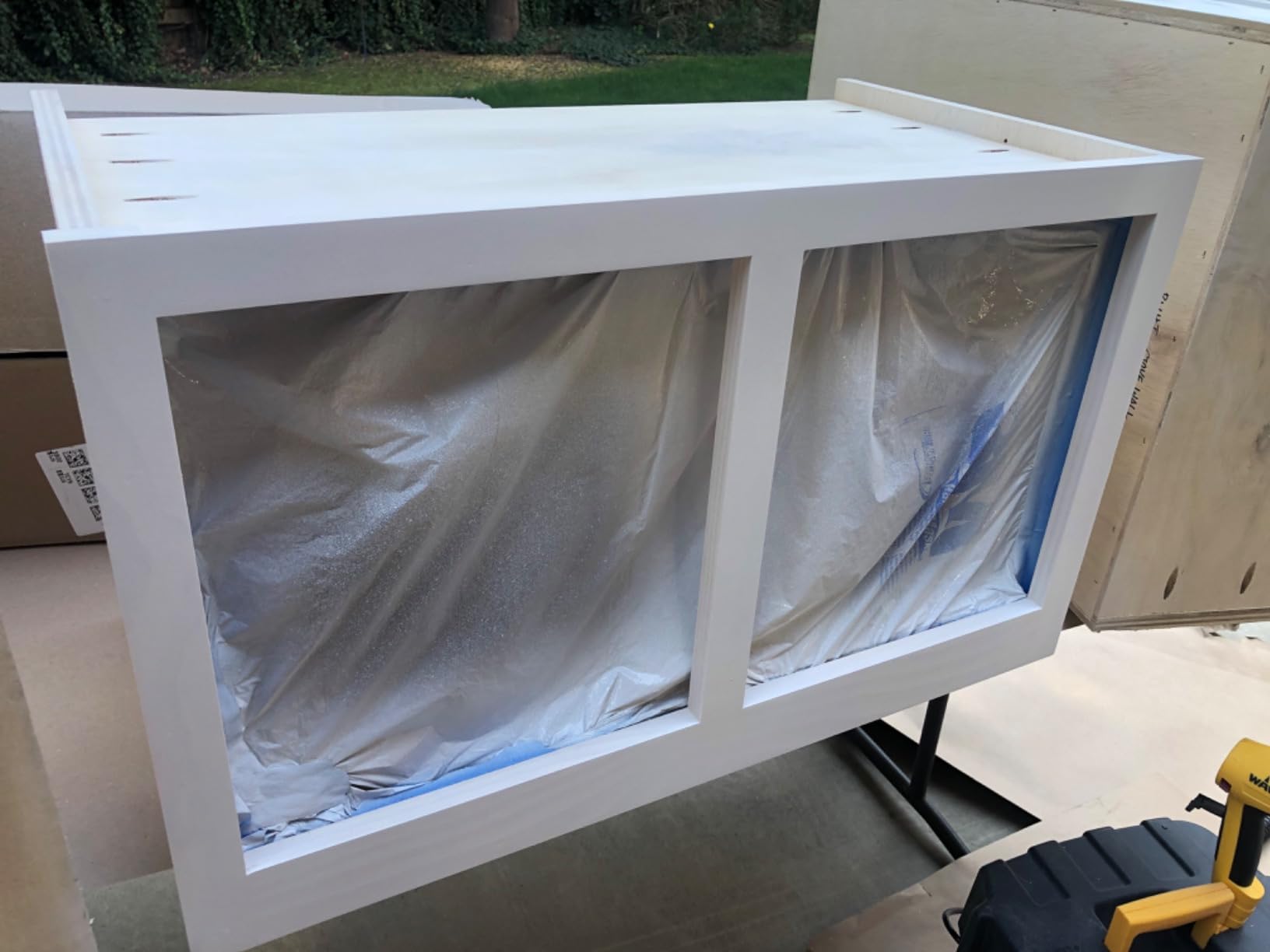
Mask in this order, before the machine comes out. Remove all furniture you can carry. Lay drop cloths on the floor first, overlapping them, because overspray lands on the floor before anything else. Then cover anything fixed: light fittings, radiators, vents, window frames, door hardware and skirting boards. Mask the trim you are not painting, and tape the baseboards of walls you are not rolling. Open windows on more than one side of the house for airflow, and close off doors to adjacent rooms.
Add an air purifier if you are working in a home where someone has asthma or a pet. Our air purifier guide for paint fumes covers the units that handle airborne particles well.
Noise is the other indoor factor. Most HVLP turbines are loud, and a bleeder design is loud even on the trigger. In an apartment or an occupied house, check with the people you live with before you start, and consider a non-bleed system if the noise is a genuine problem.
Do not spray these surfaces:
Popcorn or heavily textured acoustic ceilings. The texture traps the overspray, and you end up recoating a surface you were trying to preserve.
Heavily textured or embossed walls, unless the whole room is being painted. A sprayer flattens the high points and leaves the low ones bare, which looks worse than a roller.
Walls behind built-in appliances or fixed cabinets that you cannot move.
Fine art, paper, photographs and anything you cannot replace. Mist settles into paper fibres and is effectively permanent.
How to Spray Interior Walls and Ceilings Step by Step
The order matters more than the technique. Always spray ceilings before walls, then work from the top of the wall downward, and cut in trim with a brush before you roll a spray pass next to it.
Start with prep. Fill nail holes, sand the walls, wipe dust with a damp cloth and let them dry fully. A sprayer will find every speck of dust and turn it into a permanent bump. Mask, as described above, before anything else.
Next, thin the paint. Test it with the viscosity cup: draw paint through the dip tube and time the flow. If it runs out in under 20 seconds it is too thin, and if it will not flow at all it is too thick. Use distilled water for latex and clean water for cleaning, and mineral spirits for oil-based paint. Add thinner a little at a time and retest rather than guessing a percentage.
Test spray on scrap cardboard or the back of a closet for a full minute before you touch a wall. You are checking three things: the fan width, whether the droplets are fine and even, and whether the paint arrives wet enough to level out but not so wet that it sags.
Now spray. Hold the gun 8 to 12 inches from the surface, keep it moving at roughly the speed of a comfortable walk, and overlap each pass by 30 to 50 percent. Start at a corner, work in even strips, and keep your arm parallel to the wall so the fan width stays constant. Release the trigger before you move the gun away from the wall, and use a cardboard shield or a spare piece of card to mask around switches and fittings while your hand is occupied.
For ceilings, expect drips. Work in one direction, start at the far end of the room and back toward your exit, and keep a ceiling light on so you can see wet sheen. Stop and check for runs before the coat dries, because a sag is easy to fix wet and a dry sag means sanding and recoating.
Cleaning and Storing a Sprayer After an Interior Session
Cleaning is the single most common complaint we saw from owners, and it is the reason many people stop using a sprayer at all. The fix is to clean it the same day, every time.
For an HVLP gun, run clean water or the correct thinner through the gun until what comes out runs clear, then detach the cup, nozzle and air cap and wipe them individually. A toothbrush gets into the air cap slots where dried paint will block the pattern later. The cleaning needle in the box exists for the nozzle orifice, and it is the difference between a tip that sprays evenly and one that spits.
For an airless unit, the flush takes longer. Push water or thinner through the gun with the trigger open, then filter the fluid, then flush again. The InoKraft NEO has a Flush-Ease valve that does much of this in one step, which is worth remembering if cleanup is what puts you off.
Store the cup and nozzle separately from the body once dry, and keep a spare tip and a spare filter on hand. If you are painting a second colour, do the full clean between coats rather than hoping a rinse will do it. Users on r/DIY who anchor on a fixed budget for a sprayer tend to regret underestimating how much the cleaning routine costs in time, not money.
Frequently Asked Questions
What is the best type of paint sprayer for interior walls?
An airless sprayer is best for large interior wall and ceiling fields because it pushes paint at around 3000 PSI and covers a full room in minutes without thinning. An HVLP turbine gun is better for trim, doors, cabinets and furniture, where you want a smooth finish and controlled overspray. Pneumatic guns need a separate compressor and are only worth it for fine detail work.
Are paint sprayers worth it for interior painting?
They are worth it for whole rooms, multiple rooms, or surfaces a roller cannot reach such as textured walls and detailed trim, where spraying is roughly ten times faster than brushing. For one small room in good condition, a roller and brush is faster once you count setup and masking, so the sprayer pays off through the number of rooms you paint, not a single job.
What is the best paint sprayer gun for home use?
The Graco Magnum X5 is the best all-round choice for home interiors because it sprays unthinned latex, draws paint from a bucket and holds a 4.6 star rating across more than 6800 reviews. For detail work the HomeRight Finish Max is the best value pick, and the Wagner Control Spray Max suits long sessions because its hose removes the motor weight from your hand.
What is the best paint sprayer for homeowners?
Look for ease of cleaning, low overspray, an easy-clean cup and a material flow control that is forgiving when you are learning. First-time owners do best with a machine that sprays unthinned latex and has a straightforward flush routine, because those two features remove most of the beginner mistakes. The Graco Magnum X5 and the InoKraft NEO both fit that brief.
Is HVLP or airless better for interior walls?
Airless is better for interior walls and ceilings because the flow rate covers a whole room quickly, while HVLP is better for trim, doors and cabinets because it gives finer control and less overspray. If you are painting an entire home interior, owning both is ideal, but the Wagner FLEXiO 595 is a workable single-machine compromise with a wall nozzle and a detail nozzle.
Which Interior Sprayer Should You Buy?
For most people repainting the inside of a house, the best paint sprayers for home interiors start with the Graco Magnum X5. It sprays unthinned latex, feeds from a bucket so you are not stopping every four minutes, and it carries the strongest combination of rating and review history in this group at 4.6 stars across more than 6800 reviews.
Pair it with a handheld HVLP gun if you also have trim, doors or cabinets. The HomeRight Finish Max is the sensible second machine at 4.4 stars across more than 10,600 reviews, and its three brass tips cover stains, chalk and primer without new hardware. If your project is a single small room and you are only touching up, the VONFORN 700W is the cheapest credible place to start.
Whatever you buy, budget a real afternoon for masking and another for cleaning. A sprayer rewards a protected room and a disciplined flush, and it punishes both shortcuts. Set up your drop cloths, test spray on cardboard for a full minute, hold the gun 8 to 12 inches out, and check each pass for runs before it dries.