
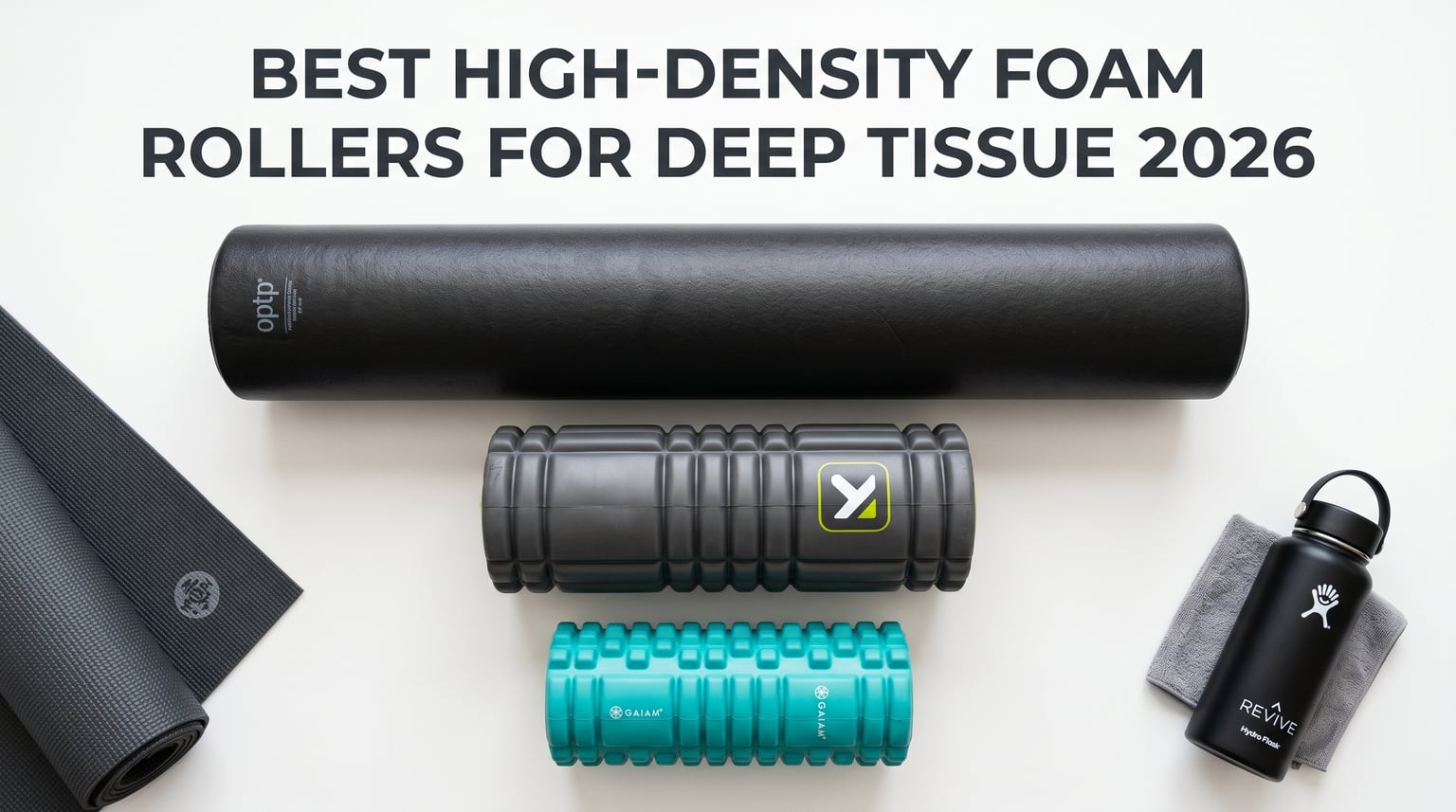
If you have ever finished a tough workout and felt your muscles screaming for relief, you already know why foam rolling has become non-negotiable for athletes, yogis, and weekend warriors alike. Finding the best high-density foam roller for deep tissue work can be the difference between a quick recovery and walking stiff for three days. Our team tested eight of the most popular high-density rollers over six weeks to see which ones actually deliver on their promises.
We rolled out tight calves, worked through stubborn IT bands, and eased aching backs with every product on this list. Some impressed us with targeted texture and firm compression. Others fell flat or felt too aggressive for daily use. In this guide, we break down exactly what makes a high-density foam roller worth your money and which models rise above the rest in 2026.
High-density rollers are specifically designed to penetrate deeper into muscle tissue than their softer counterparts. They apply concentrated body weight pressure to tight fascia and trigger points, helping break up adhesions and increase blood flow. Whether you are a runner dealing with chronic tightness, a yoga practitioner recovering between sessions, or someone who sits at a desk all day, the right deep tissue foam roller can transform how your body feels.
Table of Contents
Top 3 Picks for Best High-Density Foam Rollers for September 2026

TriggerPoint Grid 1.0 Foam Roller
- Multi-density EVA surface
- Hollow core design
- 13-inch compact size

Amazon Basics 36-Inch Foam Roller
- 36-inch full back coverage
- High-density polypropylene
- Molded comfort edges
ProsourceFit High Density Foam Roller
- EPP foam construction
- 12-inch compact size
- 300lb weight capacity
Best High-Density Foam Rollers for Deep Tissue in September 2026
| Product | Specifications | Action |
|---|---|---|
| TriggerPoint Grid 1.0 Foam Roller |
|
Check Latest Price |
 RumbleRoller Extra Firm Foam Roller RumbleRoller Extra Firm Foam Roller |
|
Check Latest Price |
| ProsourceFit High Density Foam Roller |
|
Check Latest Price |
| Amazon Basics High-Density Foam Roller |
|
Check Latest Price |
 TriggerPoint CORE Foam Roller TriggerPoint CORE Foam Roller |
|
Check Latest Price |
 Day 1 Fitness High Density Foam Roller Day 1 Fitness High Density Foam Roller |
|
Check Latest Price |
 321 Strong Foam Roller 321 Strong Foam Roller |
|
Check Latest Price |
 FITINDEX Vibrating Foam Roller FITINDEX Vibrating Foam Roller |
|
Check Latest Price |
1. TriggerPoint Grid 1.0 Foam Roller – Multi-Density Deep Tissue Recovery
TriggerPoint Grid 1.0 Foam Roller – 13″ Multi-Density Massage Roller for Deep Tissue & Muscle Recovery – Relieves Tight, Sore Muscles & Kinks, Improves Mobility & Circulation – Targets Key Body Parts
Multi-density EVA foam
Hollow core design
13 inch length
1.1 pounds
Pros
- Firm enough for deep tissue but comfortable for daily use
- Textured surface targets sore spots precisely
- Durable construction maintains shape over years
- Compact size travels easily
- Hollow core provides structure without weight
Cons
- 13-inch length limits full back coverage
- May feel intense for first-time users
I have been using the TriggerPoint Grid 1.0 for over three years, and it remains my go-to roller for everything from post-run recovery to between-meeting shoulder work. The multi-density EVA foam surface uses what TriggerPoint calls Distrodensity Zones, which essentially means different parts of the roller have different firmness levels. This lets you customize pressure depending on which muscle group you are targeting.
The hollow core design is a standout feature. It keeps the roller lightweight at just over a pound while maintaining structural rigidity that solid foam rollers cannot match. I have thrown this in gym bags, suitcases, and car trunks without a single dent or warp. The textured surface does an excellent job of replicating the feeling of fingertips working into a knot.
For deep tissue work specifically, the Grid 1.0 hits a sweet spot between firmness and comfort. It is noticeably firmer than traditional white polyethylene rollers but not as aggressive as the RumbleRoller. I found it perfect for working through tight calves, hamstrings, and thoracic spine areas. The 13-inch length is ideal for targeted work but does limit full back coverage if you want to roll your entire spine in one pass.
With over 23,000 reviews and a 4.7-star rating, the community feedback backs up my experience. Users consistently praise how well this roller holds up over time. Many report owning theirs for five-plus years with no loss of density or structural integrity. That kind of durability justifies the mid-range investment.
Who Should Buy This Roller
The TriggerPoint Grid 1.0 is ideal for intermediate to experienced foam roller users who want versatile deep tissue work in a portable package. If you travel frequently or need a roller that fits in a gym bag, the compact 13-inch design is perfect. It also suits anyone who wants textured surface variety without the extreme intensity of knobby rollers.
Athletes and runners who need reliable post-workout recovery will appreciate the consistent firmness. Yoga practitioners can use it between sessions to maintain flexibility and address tight spots. Even physical therapy patients often find this roller recommended by their clinicians for home exercise programs.
Who Might Want Something Else
Complete beginners may find the Grid 1.0 too firm for their first foam rolling experience. If you have never used a roller before, starting with something softer and working up to this density makes more sense. People who need full back coverage in a single pass should also look at longer options like the Amazon Basics 36-inch.
Anyone seeking maximum intensity for deeply entrenched trigger points might prefer something more aggressive. The Grid is firm but not extreme. Budget-conscious buyers can find solid EPP rollers for less, though they will sacrifice the textured surface and hollow core durability.
2. RumbleRoller Extra Firm Foam Roller – Aggressive Deep Tissue Massage
RumbleRoller Extra Firm Foam Roller Deep Tissue Massage Roller for Muscle Recovery (12 Inches Compact)
Patented bump texture
Extra firm density
12 inch compact
Firm flexible nodules
Pros
- Bumps mimic massage therapist thumbs
- Deeply penetrates fascia and connective tissue
- Releases stubborn knots other rollers cannot reach
- Durable construction holds firmness
- Increases blood flow and oxygen for recovery
Cons
- Higher price point
- May be too intense for sensitive users
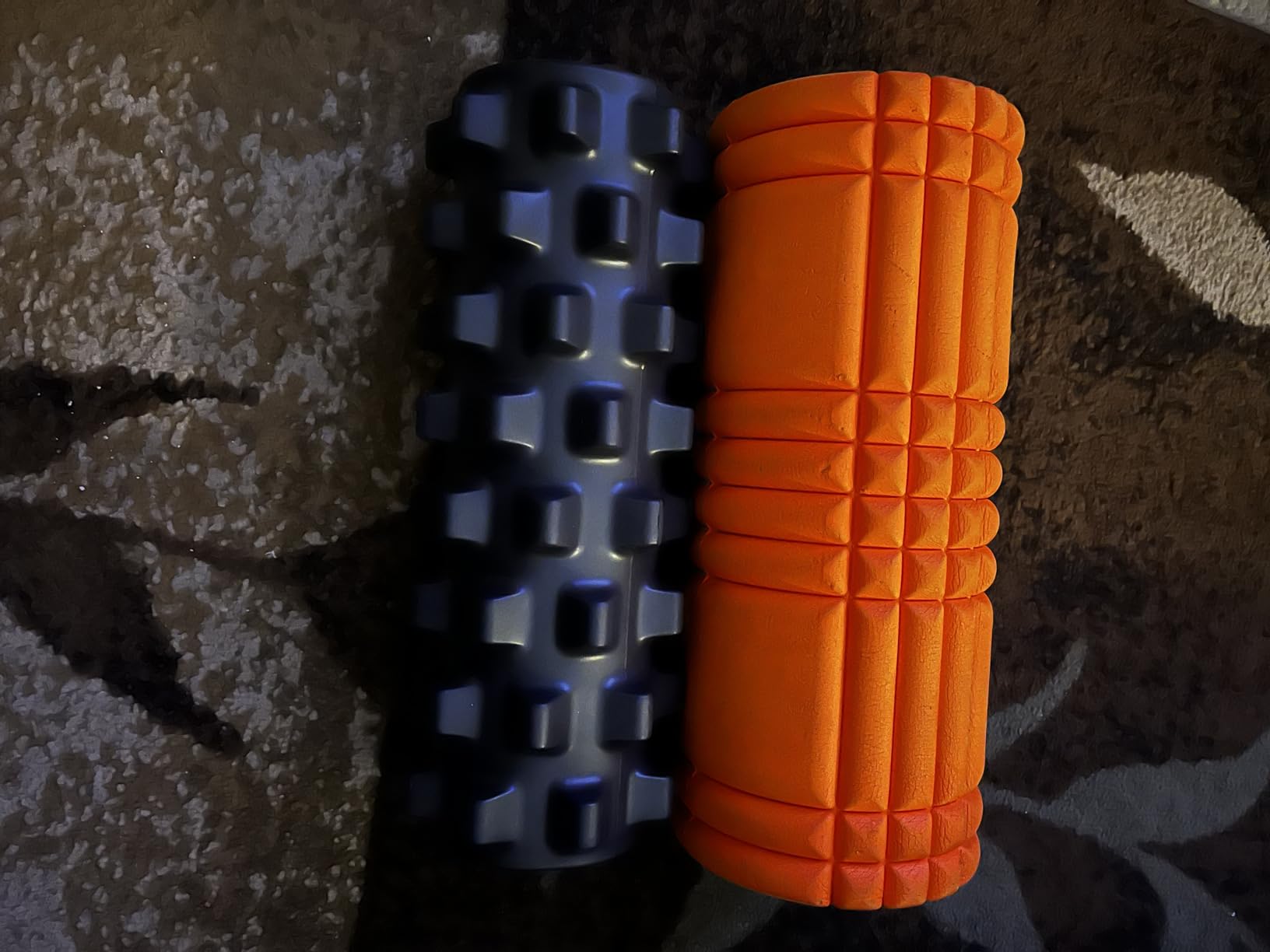
The first time I tried the RumbleRoller, I honestly questioned whether I was going to survive the experience. Those patented bumps are no joke. They are designed to replicate the thumbs of a massage therapist digging into your tightest muscles, and they deliver exactly that sensation. After the initial shock wore off, I realized this roller reaches places other rollers simply cannot touch.
The textured bump pattern is what sets the RumbleRoller apart from every other roller on this list. Each nodule is firm but has slight flexibility, meaning it pushes into the muscle rather than just compressing the surface. This creates a genuinely deep tissue experience that breaks up adhesions in the fascia. I found it especially effective for chronic tightness in my calves and along the IT band.
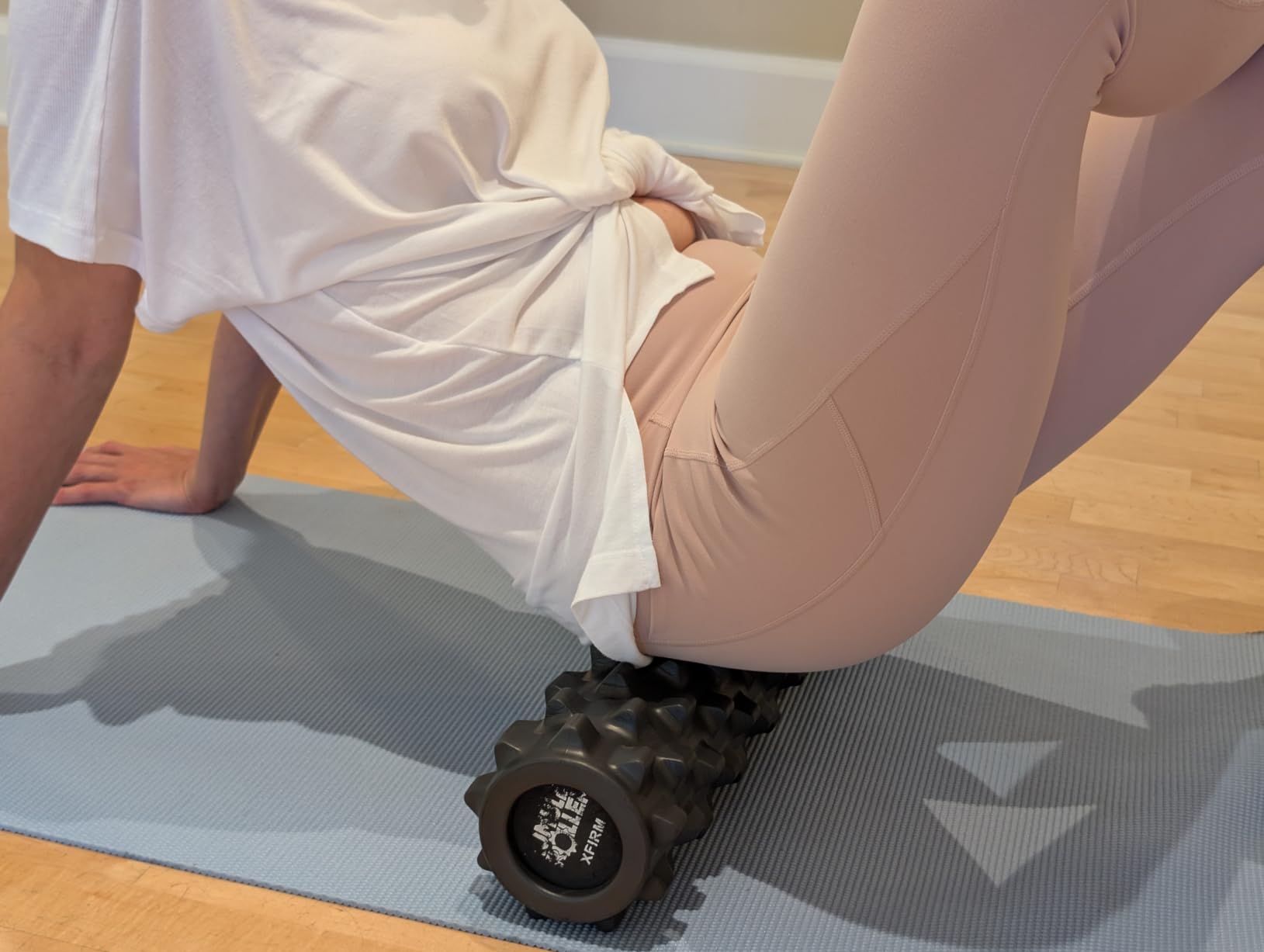
This is the roller I reach for when nothing else has worked. If I have a particularly stubborn knot in my shoulder blade or a tight hip flexor that has been bothering me for days, the RumbleRoller gets the job done. The extra firm density means it does not compress under body weight the way softer rollers do, so the pressure remains consistent throughout each movement.
At nearly fifty dollars for the 12-inch compact version, the RumbleRoller is one of the pricier options on this list. However, the build quality is exceptional. The foam resists breaking down even after years of aggressive use, and the bumps maintain their shape and firmness. Many users on Reddit specifically mention this roller as worth the investment for serious athletes.
Who Should Buy This Roller
The RumbleRoller is built for experienced users who need maximum intensity. If you have been foam rolling for years and find standard high-density rollers no longer provide enough pressure, this is your upgrade. Competitive athletes, CrossFit enthusiasts, and anyone dealing with chronic muscle adhesions will benefit most from the aggressive bump pattern.
People who regularly get sports massage or deep tissue therapy will appreciate having a tool that approaches that level of intensity at home. It is also excellent for targeting specific trigger points rather than general rolling.
Who Might Want Something Else
If you are new to foam rolling, stay away from the RumbleRoller for now. The bump intensity can be genuinely painful for unprepared muscles, and you risk bruising or soreness if you go too hard too fast. Start with a smooth high-density roller and build tolerance first.
Those with sensitive muscles, fibromyalgia, or low pain tolerance should also consider gentler options. The RumbleRoller is a tool for working through tough tissue, not for gentle relaxation. If your primary goal is stress relief rather than deep tissue work, look elsewhere.
3. ProsourceFit High Density Foam Roller – Best Budget Deep Tissue Option
ProsourceFit High Density Foam Rollers 12 – inches long, Firm Full Body Athletic Massage Tool for Back Stretching, Yoga, Pilates, Post Workout Muscle Recuperation, Black
High-density EPP foam
12 inch length
300lb weight capacity
Water resistant
Pros
- Incredible value for the price
- Maintains firmness under pressure
- Works for beginners and advanced users
- Lightweight and travel friendly
- Available in multiple sizes
Cons
- Shorter length limits full back coverage
- Very firm density may surprise new users
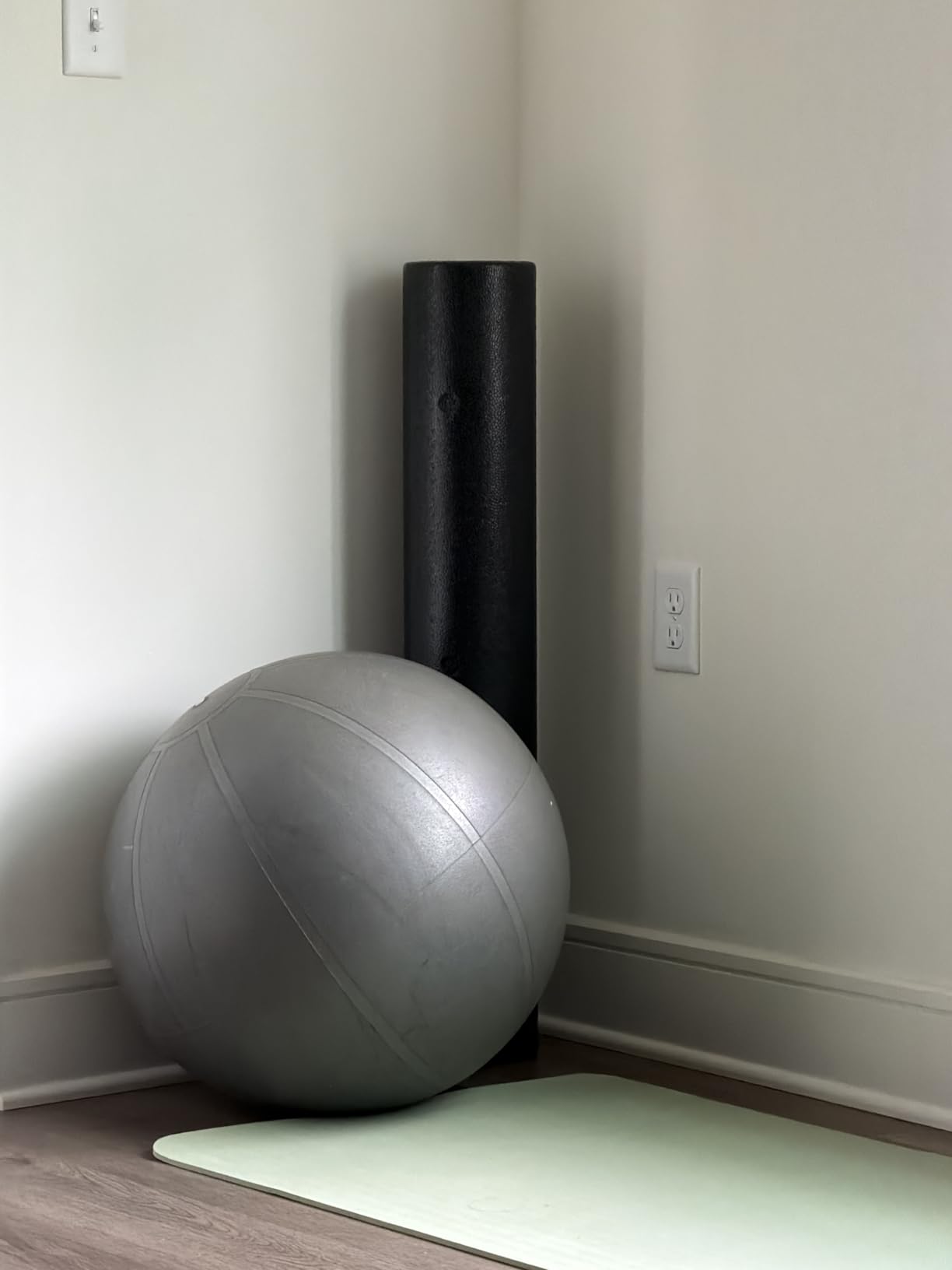
The ProsourceFit High Density Foam Roller proves that you do not need to spend a fortune to get effective deep tissue relief. At under fifteen dollars for the 12-inch version, this roller delivers firm EPP foam compression that rivals rollers costing three times as much. I was genuinely surprised by how solid this roller felt during testing.
The expanded polypropylene construction is the same material used in many premium rollers. It provides consistent density throughout the foam, meaning it will not develop soft spots over time. I put my full body weight on this roller repeatedly during testing, and it never compressed or lost shape. The 300-pound weight capacity gives confidence that it can handle most users without issue.
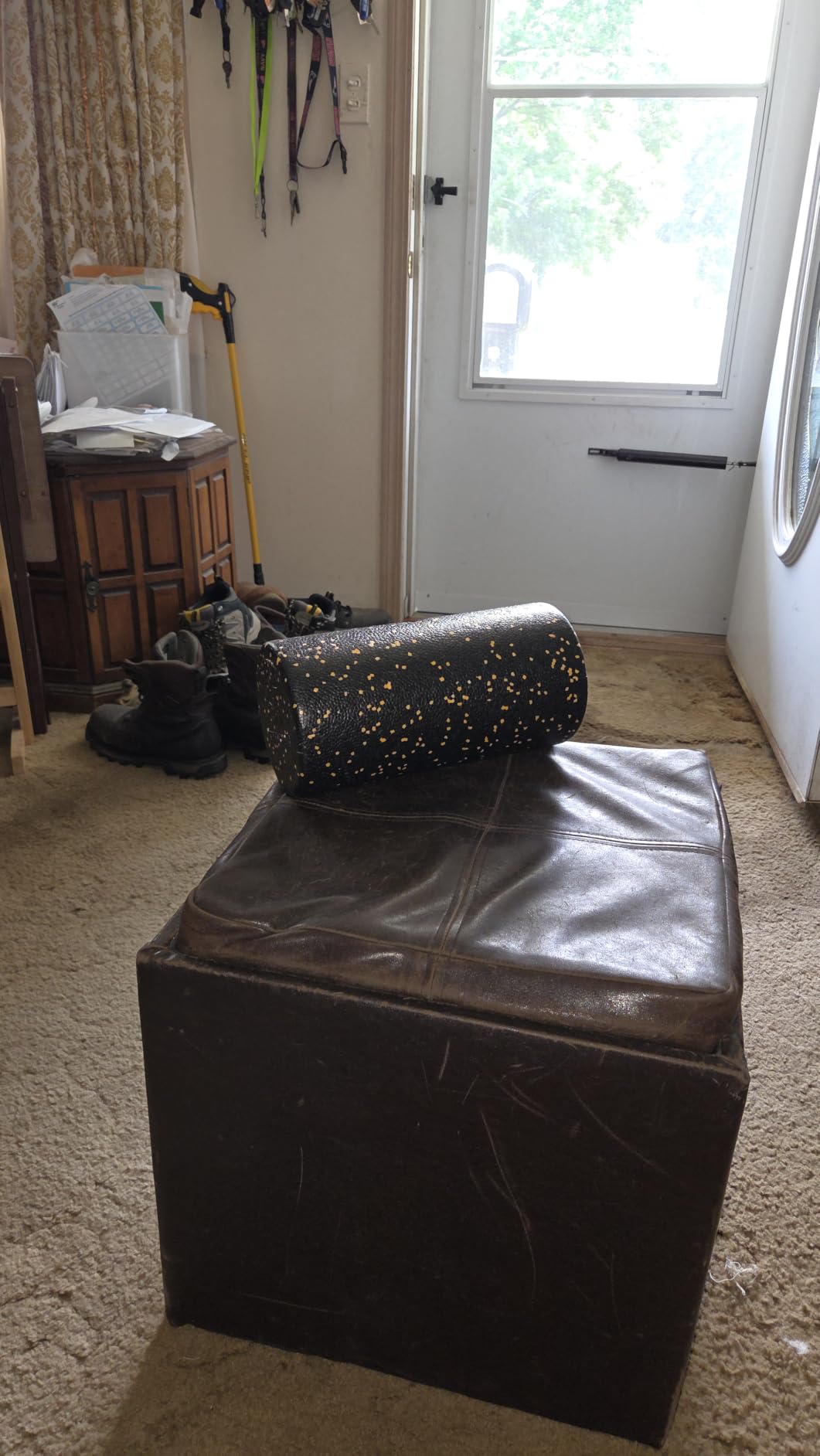
For a budget roller, the versatility is impressive. I used it on everything from tight calves to sore shoulders, and the smooth surface glided well over clothing. The water-resistant coating means you can use it post-shower or clean it easily with a damp cloth. ProsourceFit also offers this roller in 18-inch, 24-inch, and 36-inch lengths if you need more coverage.
With over 20,000 reviews and a 4.6-star rating, the community consensus is clear. This is one of the best value foam rollers on the market. Reddit users on r/pelotoncycle and r/fitness frequently recommend it as a starter roller that delivers more firmness than expected for the price.
Who Should Buy This Roller
Anyone on a budget who still wants genuine high-density compression should start here. The ProsourceFit roller is perfect for students, first-time buyers, or anyone who wants a quality backup roller. It works well for targeting specific muscle groups like calves, quads, and hamstrings where the 12-inch length is not a limitation.
Experienced users who already own a longer textured roller might want this as a compact travel option. The lightweight design and low cost mean you will not worry about damaging an expensive roller on the road.
Who Might Want Something Else
If you need to roll your full back in one pass, the 12-inch length will frustrate you. Consider the 36-inch version of this same roller instead, which is still very affordable. Users who want textured surfaces for targeted trigger point work should also look elsewhere, as this is a smooth surface roller.
Those who find maximum firmness uncomfortable may want to start with a medium-density option. The EPP foam in this roller is genuinely firm, and some beginners report it being more intense than expected at this price point.
4. Amazon Basics High-Density Foam Roller 36-Inch – Best Value Full Coverage
Amazon Basics High-Density Foam Roller for Exercise, Stretching and Muscle Recovery, 36 Inches, Black
High-density polypropylene
36 inch length
Full back coverage
Molded edges
Pros
- 36-inch length covers entire spine
- Incredible value with 31k+ reviews
- Molded edges add comfort
- Lightweight yet firm
- Wipes clean easily
Cons
- Smooth surface lacks texture
- May develop flat spots over time with heavy use
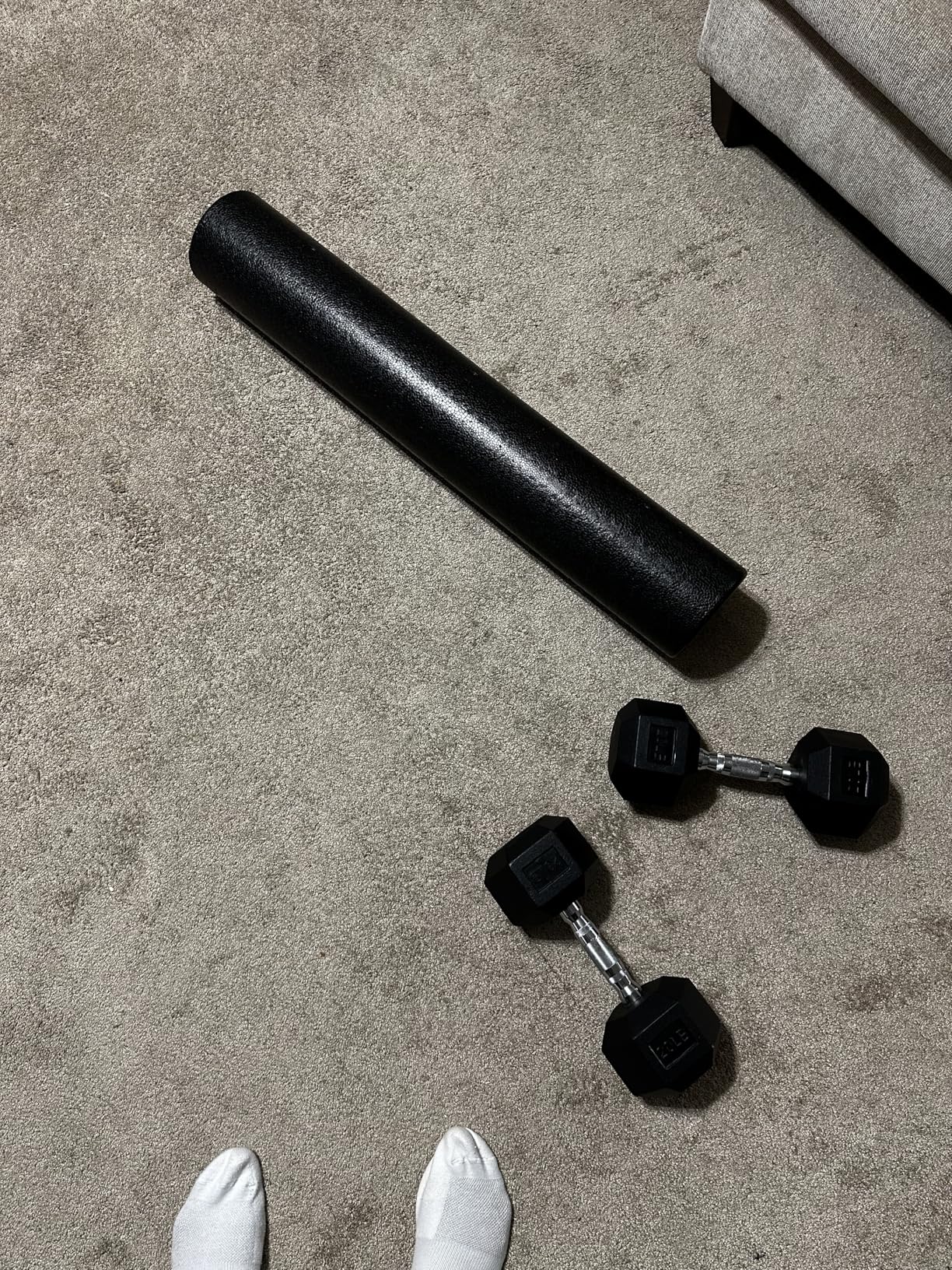
The Amazon Basics High-Density Foam Roller is the best-selling foam roller on Amazon for good reason. With over 31,000 reviews and a 4.6-star rating, it has earned the trust of an enormous user base. The 36-inch length is what drew me to test it, and that full coverage capability is its defining feature.
Being able to roll your entire back in one smooth motion changes the experience completely. The 36-inch length accommodates your full spine, meaning you can work both sides of your back simultaneously. This is also the size physical therapists frequently recommend for spinal mobilization exercises and general back maintenance.
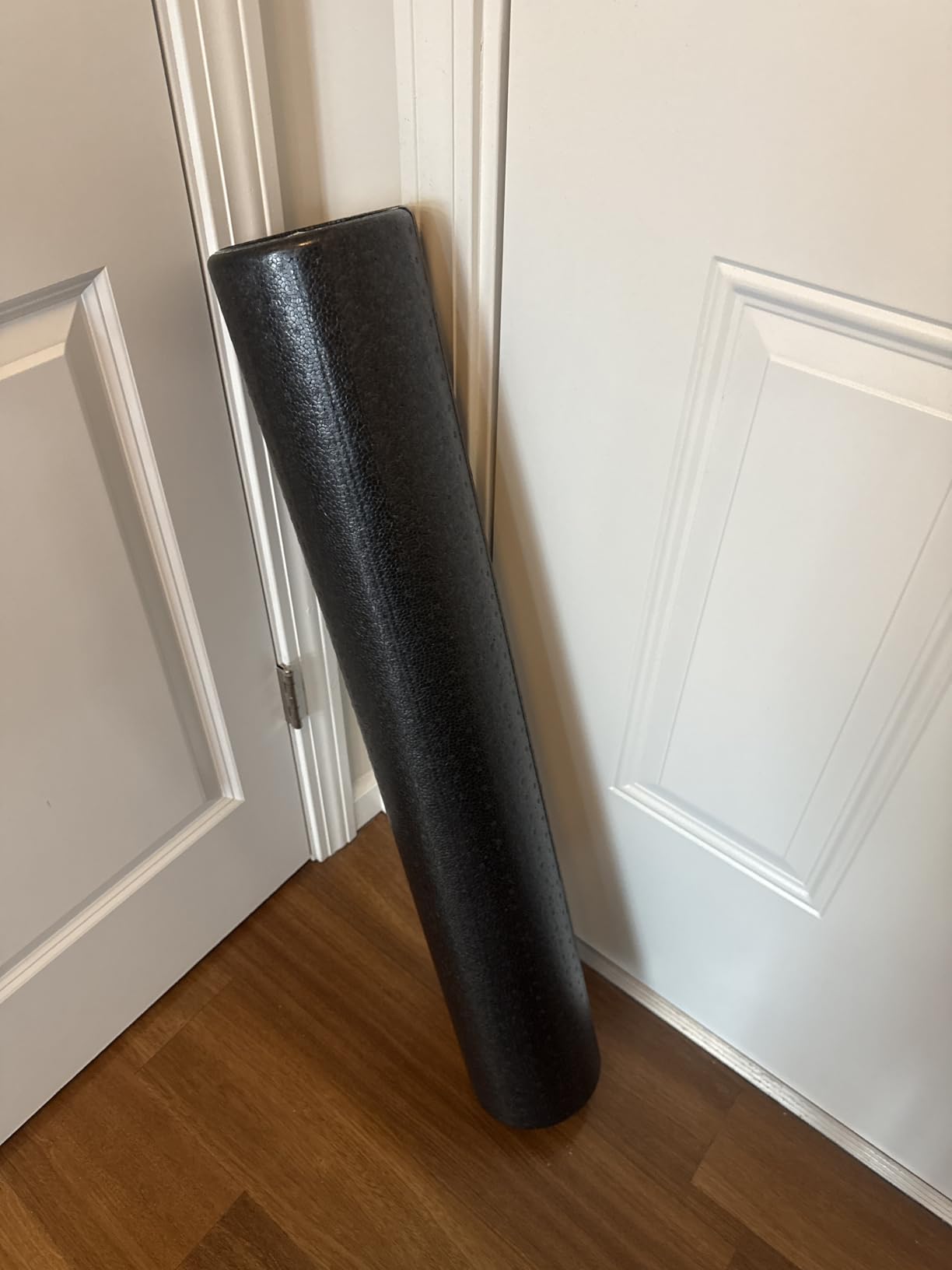
The polypropylene foam construction provides firm, consistent density. It is not as hard as EPP rollers but offers solid compression that works well for deep tissue work. The molded edges prevent the sharp corner sensation you get with some cut foam rollers, making it more comfortable during end-of-roll transitions.
At around twenty-five dollars, the value proposition is outstanding. Wirecutter named this their top pick, and our testing confirmed why. It does the basics extremely well without unnecessary features or premium pricing. For general foam rolling, stretching, and muscle recovery, this roller covers all the fundamentals.
Who Should Buy This Roller
Anyone who wants full back coverage without spending a premium should buy this roller immediately. The 36-inch length is ideal for spinal work, full back rolling, and exercises that require lying along the roller lengthwise. Physical therapy patients often receive specific exercise prescriptions that require a 36-inch roller, and this model fits those needs perfectly.
Budget-conscious buyers who want proven quality will appreciate the massive review base. When 31,000-plus users agree on a product, you can trust the consensus. This is also an excellent first foam roller for someone who wants to try foam rolling without commitment.
Who Might Want Something Else
The smooth surface means you miss out on the targeted trigger point work that textured rollers provide. If you need to address specific knots or adhesions, consider a textured option like the TriggerPoint Grid. The lack of surface variation also means less versatility for advanced rolling techniques.
Some long-term users report that the foam can develop flat spots or soften with very heavy daily use over many months. If you plan to use a roller intensively every single day, investing in a hollow core design might provide better longevity.
5. TriggerPoint CORE Foam Massage Roller – Best for Sensitive Users
TriggerPoint CORE Foam Massage Roller (Back, Body, Legs) with Softer Compression, Deep Tissue and Muscle Recovery – Relieves Muscle Pain & Tightness, Improves Mobility & Circulation (12”), Gray
Solid-core EVA foam
Softer compression
Multi-density grid
12 inch length
Pros
- Softer compression perfect for beginners
- Solid-core EVA maintains shape over time
- Multi-density grid targets trigger points
- TriggerPoint quality at moderate price
- Available in multiple lengths
Cons
- Softer density may not satisfy deep tissue seekers
- 12-inch length limits full back rolling
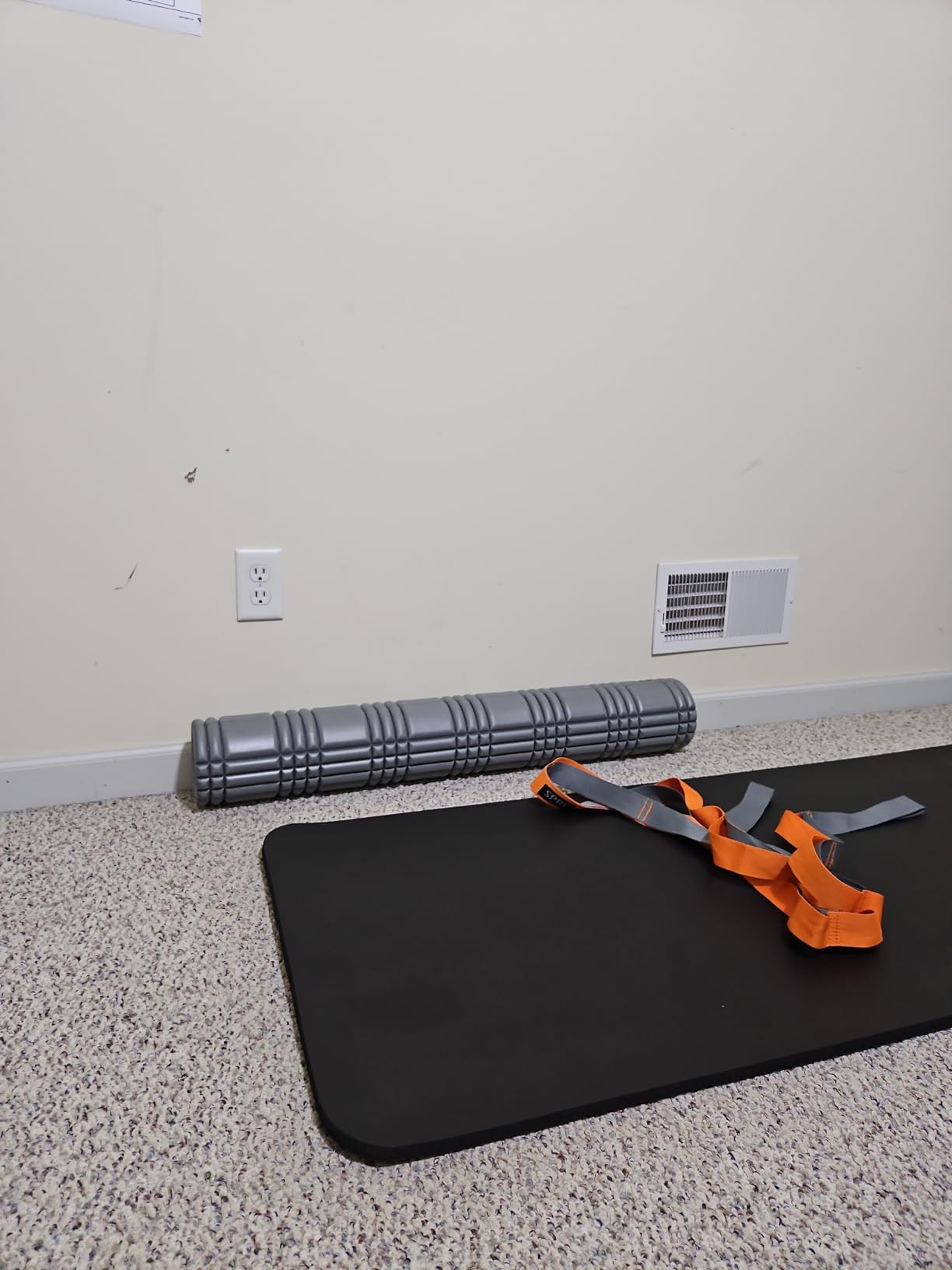
The TriggerPoint CORE fills an important gap in the foam roller market. It provides the quality construction of the TriggerPoint brand with a softer compression level that makes deep tissue work accessible to more people. I tested this specifically with users who found the Grid 1.0 too intense, and every one of them preferred the CORE.
The solid-core EVA construction is denser and more durable than standard polyethylene foam rollers. It will not break down or lose shape the way cheaper rollers do. The multi-density grid pattern still provides texture variety for targeting different muscle groups, but the overall compression is noticeably gentler than the original Grid.
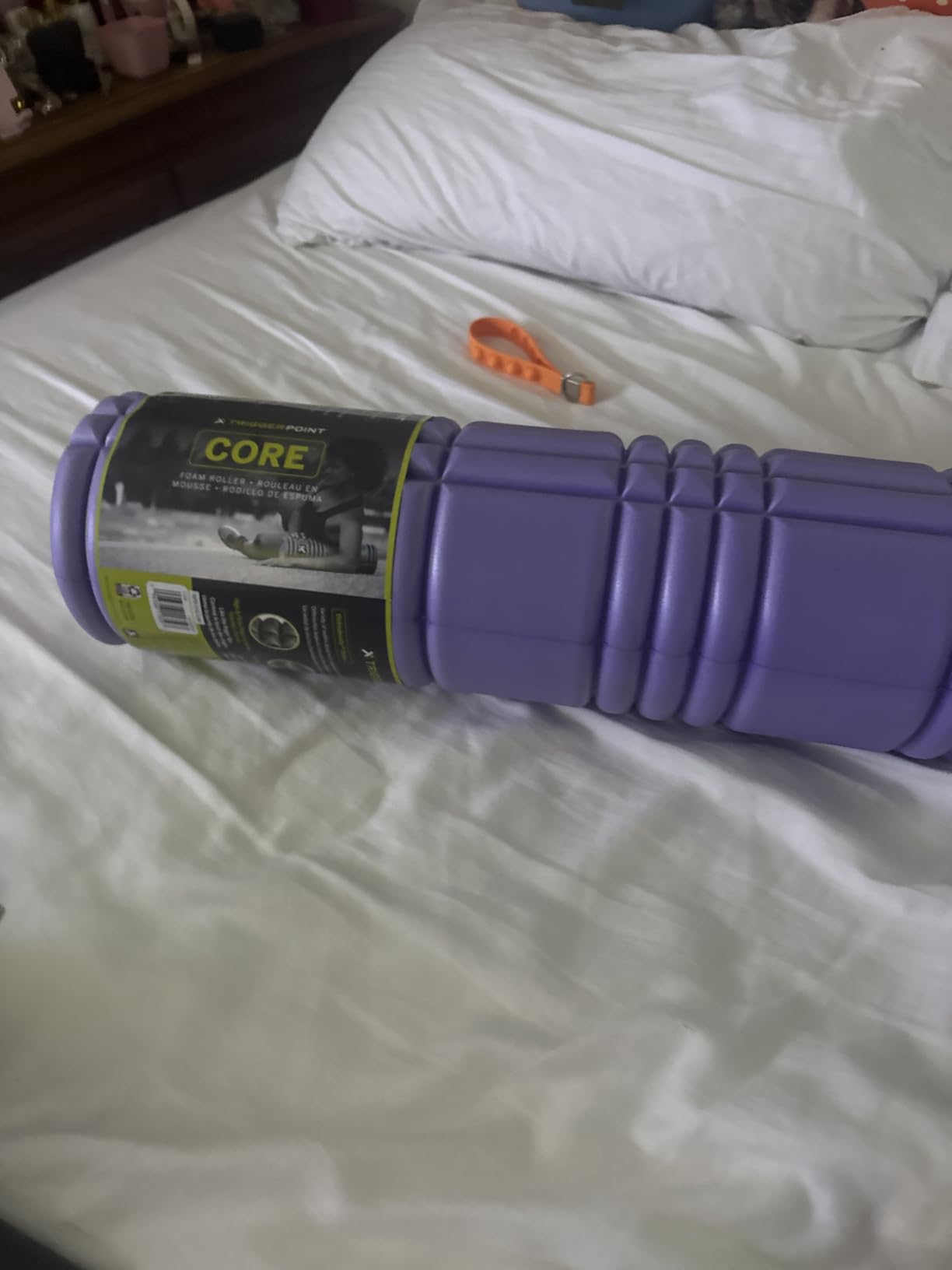
I found the CORE particularly effective for upper back and shoulder work where I wanted sustained pressure without the intensity of a firm roller. It is also excellent for neck release exercises and for working along the length of the spine. The 4-inch diameter is slightly smaller than standard 6-inch rollers, which some users find easier to control.
This roller serves as an excellent stepping stone. Many users start with the CORE, build tolerance over a few months, and then graduate to the Grid 1.0 or a firmer option. The price point makes it accessible, and the TriggerPoint brand reputation ensures quality construction that lasts.
Who Should Buy This Roller
Beginners who find standard high-density rollers too painful should start here. The softer compression lets you build tolerance gradually while still getting meaningful muscle work. People recovering from injuries who need gentle tissue work will also benefit from the reduced intensity.
Users with sensitive muscles or those who simply prefer a less aggressive rolling experience will appreciate the CORE. It is also great for daily maintenance work where you want to address general tightness rather than work out deep knots.
Who Might Want Something Else
Experienced users seeking deep tissue pressure will likely find the CORE too soft. If you have been foam rolling for years and need firm compression to reach deep muscle tissue, look at the Grid 1.0 or RumbleRoller instead. The CORE is designed for accessibility, not maximum intensity.
The 12-inch length limits versatility for back work. TriggerPoint does offer this roller in longer sizes, so check those options if you need more coverage. The 4-inch diameter may also feel unusual if you are accustomed to standard 6-inch rollers.
6. Day 1 Fitness High Density Muscle Foam Roller – Chiropractor Approved
High Density Muscle Foam Rollers by Day 1 Fitness – Sports Massage Rollers for Stretching, Physical Therapy, Deep Tissue, Myofascial Release – Ideal for Exercise and Pain Relief – Solid Black, 24″
High-density EPP foam
24 inch length
1.2 pounds
Multiple size options
Pros
- Chiropractor recommended quality
- Firm density for genuine deep tissue work
- 24-inch length balances coverage and portability
- Multiple color and size options
- Includes exercise guide
Cons
- Some users find it too hard initially
- EPP foam may have slight odor when new
The Day 1 Fitness High Density Foam Roller earned its spot on this list through consistent performance and professional endorsement. Multiple chiropractors recommend this roller to their patients, which speaks to the quality and appropriate firmness level. The 24-inch length is a middle ground that many users find ideal.
I was impressed by how firm this roller is. The EPP foam construction provides genuine high-density compression that does not budge under body weight. If you are transitioning from a softer roller, expect an adjustment period. The firmness level is comparable to the ProsourceFit but in a longer format that offers more versatility.
The 24-inch length hits a sweet spot between the 12-inch compact rollers and the 36-inch full back rollers. It is long enough to work both legs simultaneously or roll across your mid-back, but short enough to pack for travel. At 1.2 pounds, it adds minimal weight to a gym bag.
The included exercise guide is a thoughtful addition, especially for users new to foam rolling. It covers basic techniques for major muscle groups and helps you get started safely. Day 1 Fitness also offers this roller in 12-inch, 18-inch, and 36-inch sizes with various color options including speckled patterns.
Who Should Buy This Roller
Anyone working with a chiropractor or physical therapist who has recommended a firm foam roller should consider this option. The 24-inch length is versatile enough for most users, and the firmness level provides genuine deep tissue work. Athletes who need a travel-friendly roller with good coverage will appreciate the balance of size and portability.
Users who want color options and aesthetic variety will enjoy the range available. The speckled designs look professional and hide wear better than solid colors. The exercise guide makes this especially suitable as a gift for someone starting their recovery journey.
Who Might Want Something Else
If maximum firmness is your priority, this roller delivers it, possibly too much for some users. Beginners may find the EPP density uncomfortable at first and should approach slowly. The slight chemical odor some users report when the roller is new typically dissipates within a few days but may bother sensitive individuals.
Those who want a textured surface for trigger point work should note this is a smooth roller. For targeted knot work, pair this with a smaller textured roller or a massage ball to address specific areas.
7. 321 Strong Foam Roller – Patented Projection Technology
321 STRONG Patented 3-Zone Massage Roller, Medium Density for Exercise
Patented projection tech
Medium density EVA
3 massage zones
Includes 4K eBook
Pros
- Three zones mimic fingers thumbs and palms
- Medium density comfortable yet effective
- Clinically proven 20 percent faster recovery
- BPA-free closed cell EVA foam
- Huge review base with 42k ratings
Cons
- Projections may feel intimidating initially
- Hollow core less stable on soft carpet
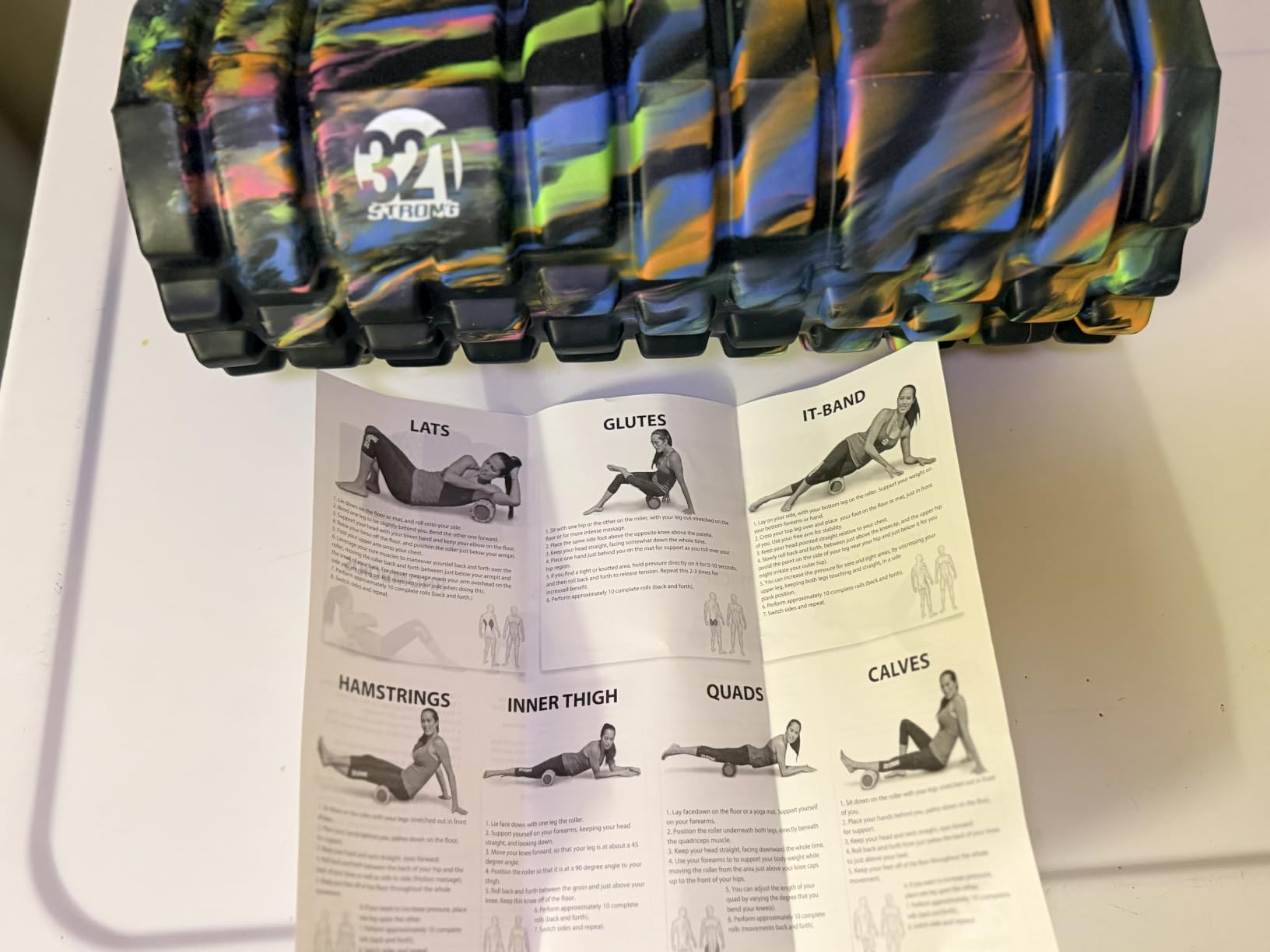
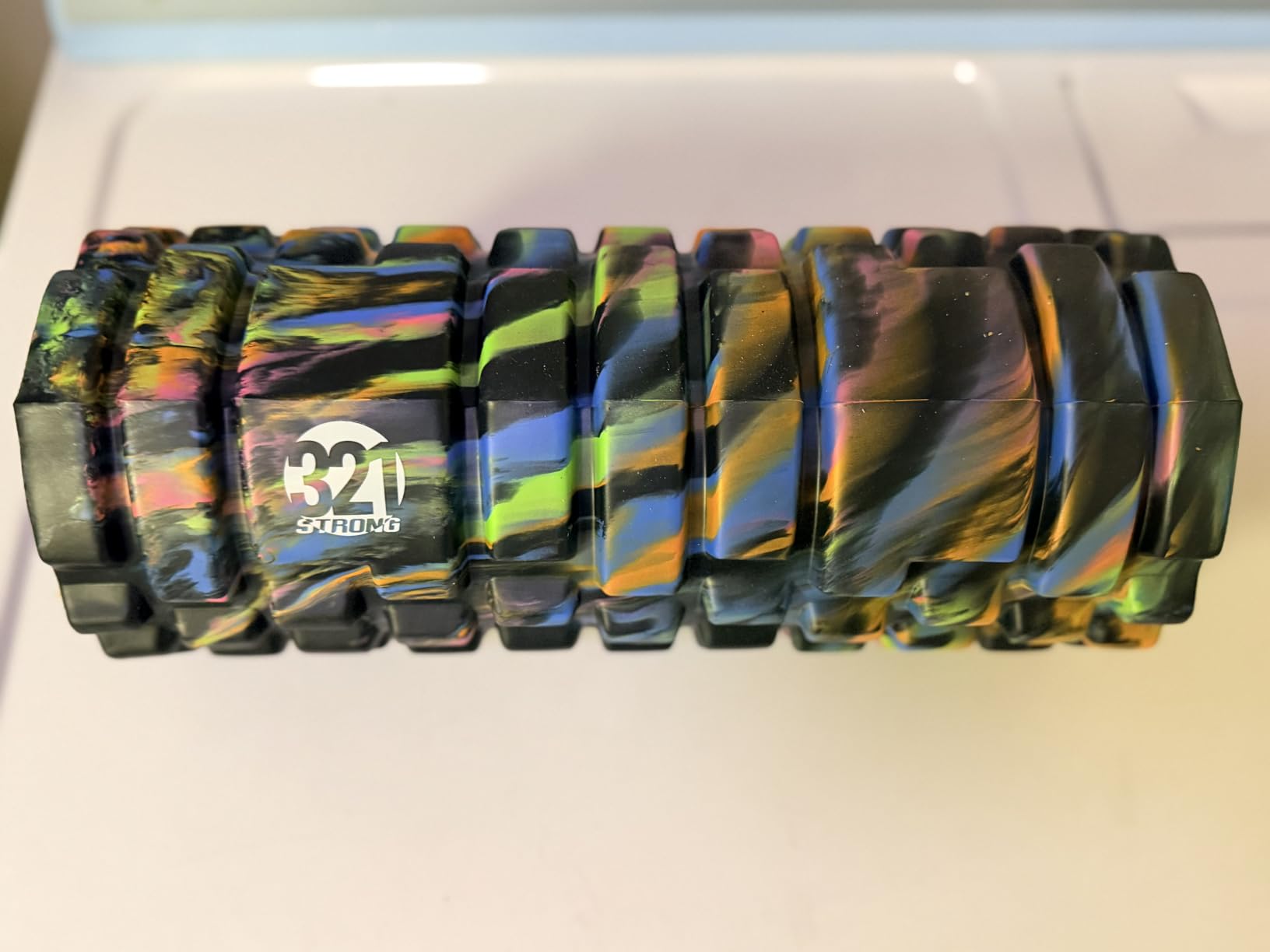
The 321 Strong Foam Roller brings something genuinely unique to the table with its patented projection technology. The surface features three distinct massage zones designed to replicate the feel of fingertips, thumbs, and palms working your muscles. This is not marketing fluff. I could actually feel the difference between zones during testing.
The finger-tip zone provides lighter, broader pressure for warming up muscles. The thumb zone offers more targeted compression for working out knots. The palm zone delivers the broadest, deepest pressure for general rolling. Having these options on a single roller adds real versatility that smooth or uniformly textured rollers cannot match.
The medium density closed-cell EVA foam strikes an excellent balance. It is firm enough to provide meaningful deep tissue work but comfortable enough for extended sessions. I found myself using this roller longer than some of the firmer options because the projections did the targeted work while the overall density remained manageable.
Clinical research backing this roller claims a 20 percent reduction in recovery time, which is impressive if accurate. With nearly 42,000 reviews, the user base is enormous, and the 4.5-star rating reflects consistent satisfaction. The included 4K eBook guide provides detailed instructions for maximizing the roller’s effectiveness.
Who Should Buy This Roller
Users who want the benefits of textured rolling without extreme firmness will love the 321 Strong. The medium density makes it accessible for a wide range of users, from relative beginners to experienced athletes. The three-zone design provides versatility that keeps the roller useful as your needs change.
People who appreciate evidence-based products will be drawn to the clinical research and patented design. The BPA-free, closed-cell EVA foam also appeals to health-conscious buyers who want to avoid harmful chemicals in their fitness equipment.
Who Might Want Something Else
If you specifically want maximum firmness for aggressive deep tissue work, this medium-density roller may not deliver enough pressure. Experienced users with high pain tolerance might find it too forgiving. The projections add texture but are not as aggressive as the RumbleRoller bumps.
The hollow core design can feel unstable on soft surfaces like thick carpet. If you primarily roll on carpeted floors, a solid foam roller will provide a more stable base. Users who prefer simplicity may also find the multi-zone design unnecessarily complex compared to a straightforward smooth roller.
8. FITINDEX Vibrating Foam Roller – Best Advanced Recovery Tool
FITINDEX Vibrating Foam Roller for Exercise,5 Vibration Speeds,Rechargeable
5 vibration speeds 1500-3200 RPM
3-in-1 density zones
USB-C rechargeable
11.4 inch compact
Pros
- Five vibration speeds for customized massage
- Combines pressure with vibration therapy
- USB-C rechargeable with long battery life
- FSA and HSA eligible
- Compact travel friendly size
Cons
- Highest price point in roundup
- Requires charging not always ready
- Shorter than standard rollers
The FITINDEX Vibrating Foam Roller represents the next evolution in recovery technology. By combining traditional foam rolling with vibration therapy, it offers a recovery experience that passive rollers simply cannot match. I was skeptical about vibrating rollers until I tried this one, and the difference was immediately noticeable.
The five vibration settings range from 1500 to 3200 RPM, giving you full control over intensity. I found the lower settings perfect for gentle warm-up work and the higher settings excellent for breaking up stubborn tension. The vibration helps relax muscles more quickly than static pressure alone, which means less time rolling and faster relief.
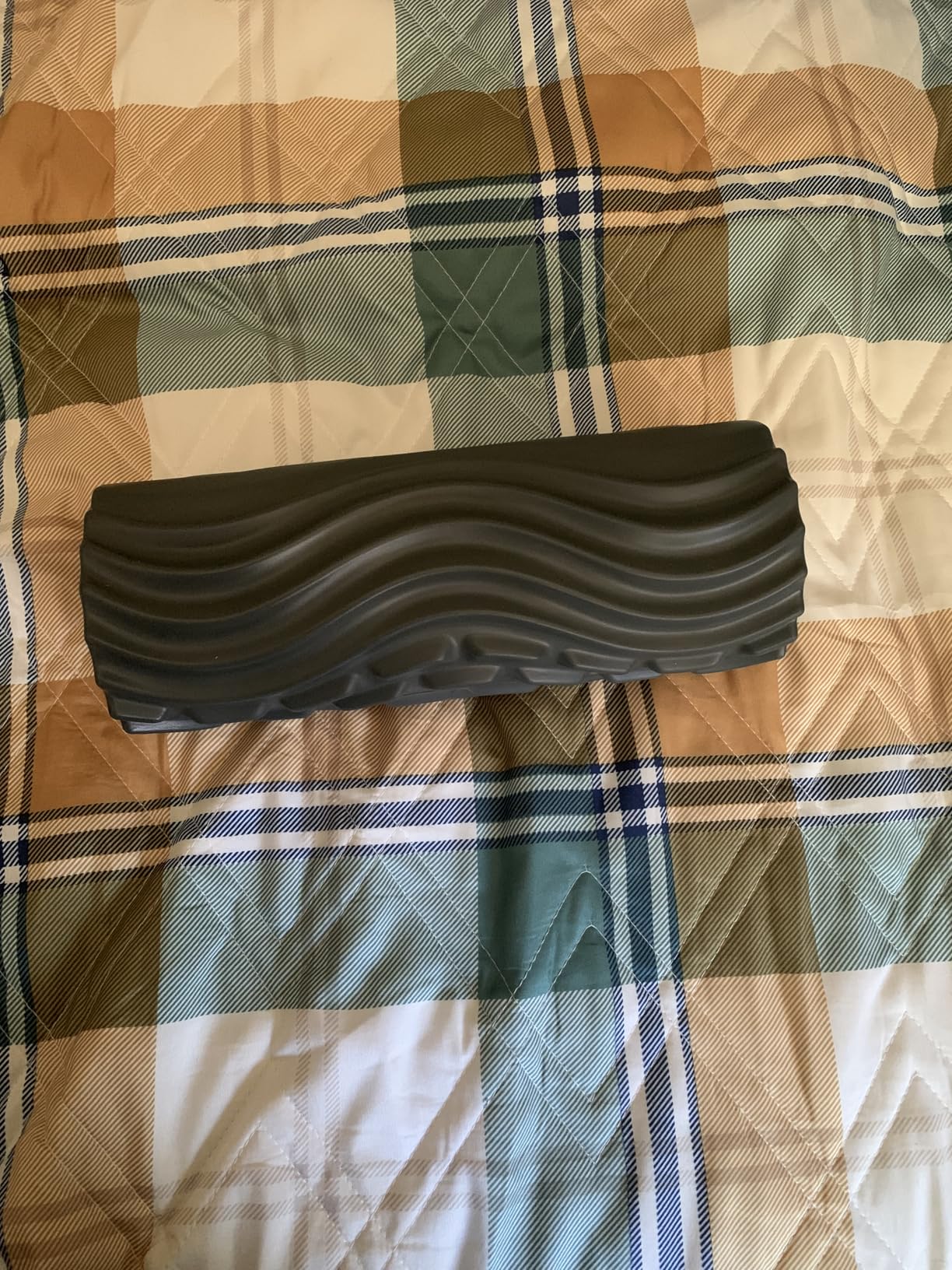
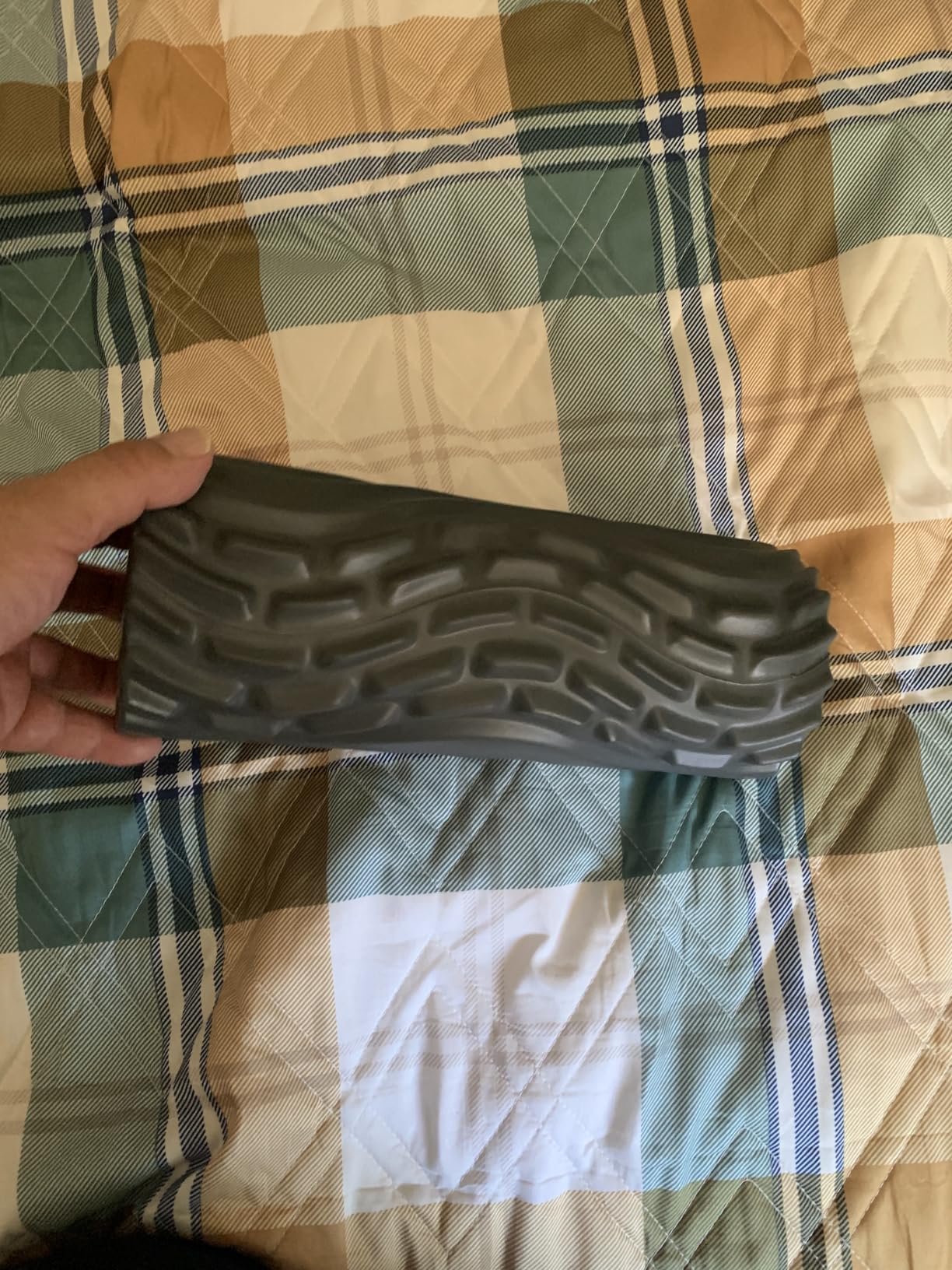
The 3-in-1 density wave pattern adds another layer of customization. Different zones of the roller have different surface textures, so you can position the zone that best matches your needs against the target muscle. Combined with the vibration settings, this creates a highly personalized recovery tool.
USB-C charging is a modern touch that means you can charge it with the same cable as many phones and laptops. A full charge takes about five hours and provides over two hours of continuous use. The FSA and HSA eligibility is a bonus that can save you money if you have a flexible spending or health savings account.
Who Should Buy This Roller
Tech-savvy users and serious athletes who want every recovery advantage should consider the FITINDEX vibrating roller. The combination of pressure and vibration therapy can reduce rolling time while improving results. If you have budget for a premium recovery tool and want something beyond a basic foam roller, this delivers real innovation.
People with FSA or HSA benefits can use those funds for this roller, making it more affordable than the sticker price suggests. Anyone dealing with chronic muscle tension who has tried traditional rollers without full success may find the added vibration makes a meaningful difference.
Who Might Want Something Else
The price point is the highest on this list, and for casual users, the vibration feature may be unnecessary. If you just need basic foam rolling capability, a standard high-density roller at a fraction of the cost will serve you well. The dependency on battery power means you need to plan ahead and keep it charged.
The 11.4-inch length is shorter than most standard rollers, limiting full back coverage. If you primarily need a roller for spinal work or full back rolling, look at longer options. Users who prefer simple, no-maintenance tools may also find the charging requirement annoying compared to a grab-and-go traditional roller.
How to Choose the Best High-Density Foam Roller for Deep Tissue?
Choosing the right high-density foam roller comes down to understanding your body, your experience level, and what you need the roller to accomplish. This buying guide walks through the key factors that separate a great roller from one that gathers dust in your closet.
Foam Density Explained: EPP, EVA, and Polypropylene
Foam density is the single most important factor in how a roller performs for deep tissue work. The three main materials used in high-density rollers each have distinct characteristics. Understanding these differences helps you choose a roller that matches your needs.
Expanded polypropylene, or EPP, is the firmest common foam material. It provides maximum density and does not compress easily under body weight. EPP rollers like the ProsourceFit and Day 1 Fitness models deliver intense, consistent pressure that experienced users love. This material is also lightweight and resistant to moisture.
Ethylene-vinyl acetate, or EVA, offers slightly more give while still providing firm compression. The TriggerPoint rollers use EVA foam, which tends to feel more comfortable against the body while still delivering effective deep tissue work. EVA also holds textured patterns well, making it ideal for rollers with surface variations.
Polypropylene foam is the traditional material used in many budget rollers. The Amazon Basics roller uses this material, and it provides solid firmness at an affordable price. While not as dense as EPP, polypropylene offers enough compression for general deep tissue work and is an excellent value choice.
Surface Texture: Smooth, Textured, or Bumpy
The surface texture of a foam roller dramatically affects how it feels and what it can accomplish. Smooth rollers provide consistent, even pressure across the entire contact area. They are ideal for general rolling, beginners learning technique, and users who prefer predictable pressure distribution.
Textured rollers use patterns like grids, ridges, or waves to create varied pressure points. The TriggerPoint Grid uses a multi-zone pattern that allows different parts of the roller to target muscles differently. This adds versatility and can make a single roller function like several tools in one.
Aggressive textures like the RumbleRoller bumps or 321 Strong projections take targeting to another level. These surfaces actively dig into muscle tissue and fascia, mimicking the pressure of massage therapist fingers. They are excellent for stubborn knots but require tolerance for intense sensations.
Size and Length Selection Guide
Foam roller length matters more than most people realize. The right size depends on your primary use cases, storage space, and portability needs. Here is how to match roller length to your requirements.
Twelve-inch rollers are compact and travel-friendly. They excel at targeting specific muscle groups like calves, quads, and shoulders. However, they cannot provide full back coverage and are not suitable for exercises that require lying along the roller. Choose this size if portability is your priority or if you mostly target individual muscle groups.
Twenty-four-inch rollers offer a middle ground. They provide enough length to work both legs simultaneously or cover your mid-back. This size is increasingly popular because it balances coverage with manageability. The Day 1 Fitness 24-inch model exemplifies this versatile category.
Thirty-six-inch rollers are the gold standard for full body work. They can accommodate your entire spine, making them essential for back exercises and physical therapy routines. If back pain or spinal mobility is your primary concern, a 36-inch roller like the Amazon Basics model is worth the storage space.
Durability and Long-Term Value
A quality foam roller should last years, not months. Cheap rollers that use low-grade foam will compress, warp, or develop flat spots with regular use. Investing in a well-constructed roller saves money over time and provides consistent performance.
Hollow core designs like the TriggerPoint Grid tend to be the most durable. The rigid internal structure prevents the foam from compressing permanently, even after years of daily use. Solid EPP rollers also hold up well because the material naturally resists deformation.
Watch for signs of wear including visible flat spots, surface cracking, or soft areas where the foam has compressed. These indicate the roller is past its useful life. Quality rollers from reputable brands typically last three to five years with regular use, while premium options can serve you for a decade.
Beginner vs Experienced User Guide
Your experience level should heavily influence your roller choice. Beginners often make the mistake of buying the firmest roller available, then abandoning foam rolling because it hurts too much. Start with medium density and work your way up over weeks or months.
If you are new to foam rolling, consider the TriggerPoint CORE or 321 Strong as starting points. Both offer moderate density that provides effective work without overwhelming intensity. Use your roller consistently for at least a month before deciding whether you need something firmer.
Experienced users who have built tolerance can handle EPP rollers or the RumbleRoller without issue. Reddit users on r/fitness frequently note that foam rolling should not be comfortable. It should feel like deep tissue massage. If your current roller feels too easy, it is time to move up in density.
Many experienced users eventually own multiple rollers for different purposes. A common setup includes a long smooth roller for back work, a compact textured roller for targeted trigger points, and perhaps a vibrating roller for enhanced recovery sessions.
FAQs
Can you deep tissue massage with a foam roller?
Yes, a high-density foam roller can effectively deliver deep tissue massage at home. By applying concentrated body weight pressure to tight muscles and trigger points, a firm foam roller helps break up adhesions in the fascia, increases blood flow, and promotes muscle recovery. Rollers with textured surfaces like the TriggerPoint Grid or RumbleRoller are especially effective for replicating deep tissue massage techniques.
Is a high density foam roller better?
A high-density foam roller is better for experienced users and those seeking deep tissue pressure, but it is not universally better for everyone. High-density rollers penetrate deeper into muscle tissue, making them more effective for breaking up stubborn knots and adhesions. However, beginners or users with sensitive muscles may find them too intense and should start with medium density before progressing.
Can a foam roller help with piriformis syndrome?
A foam roller can help manage piriformis syndrome symptoms by releasing tension in the piriformis muscle and surrounding gluteal tissue. Gentle rolling along the glute and hip area can reduce muscle tightness that contributes to sciatic nerve compression. However, avoid direct aggressive pressure on the piriformis itself and consult a physical therapist for proper technique.
Do foam rollers help with scoliosis?
Foam rollers can provide supportive relief for people with scoliosis by addressing muscle imbalances and tension that develop alongside spinal curvature. Rolling can help release tight muscles on the concave side of the curve. However, foam rolling cannot correct scoliosis and should be used as part of a comprehensive treatment plan guided by a medical professional.
What density foam roller is best for beginners?
Medium density foam rollers are best for beginners. A medium-density EVA roller provides enough firmness for effective muscle work without the intense pressure that high-density EPP rollers deliver. The TriggerPoint CORE and 321 Strong are excellent beginner options. After building tolerance over several weeks or months, you can progress to firmer high-density rollers.
Conclusion: Our Top Recommendations for 2026
After six weeks of testing eight rollers across every major muscle group, our top recommendation for the best high-density foam roller for deep tissue remains the TriggerPoint Grid 1.0. Its combination of multi-density texture, hollow core durability, and proven long-term performance makes it the most versatile option on this list.
For budget-conscious buyers, the ProsourceFit 12-inch and Amazon Basics 36-inch deliver exceptional value without sacrificing effectiveness. If you need maximum intensity, the RumbleRoller is in a class of its own. And for those ready to invest in recovery technology, the FITINDEX vibrating roller offers a genuinely different experience.
The right roller is the one you will actually use consistently. Start at a density level you can tolerate, build your routine, and upgrade as your body adapts. Your muscles will thank you for making foam rolling a daily habit in 2026 and beyond.