
If you are searching for the best down alternative pillows for allergies, you have already made one smart decision: you want the soft, moldable feel of down without feather proteins in your bed. The short version of our answer is that a down alternative pillow removes the feather and dander trigger completely, but it does almost nothing for a dust mite allergy on its own. What actually controls mites is a whole pillow that can be hot-washed at 130F, wrapped in an allergen-impermeable encasement, and kept in a bedroom held near 30-50 percent humidity.
That distinction is the spine of this guide. Most pillow roundups list fill types and stop there, and the highest-ranking editorial page for down alternative pillows does not mention allergies at all. So we built this roundup the other way around: every pick below carries an explicit allergy-suitability verdict, and every one of them names the condition it suits best and the condition it will not solve.
A note on language before we start. You will see the word hypoallergenic on most of these listings. Under the FTC Green Guides, that is an largely unregulated marketing term, not a regulated certification, so we attribute it to the manufacturer when a product uses it and never assert it as our own verdict. This guide is educational and is not a substitute for an allergist. If your symptoms persist or your reactions change after switching pillows, have that evaluated medically.
One more disclosure: we may earn a commission when you buy through the links on this page, at no extra cost to you. That does not change the order of the picks. If your bedroom has a bigger problem than the pillow, the [best air purifiers for allergies](/best-air-purifiers-for-allergies/) and [best mattress protectors for allergies](/best-mattress-protectors-for-allergies/) roundups cover the rest of the setup.
Table of Contents
Top 3 Down Alternative Pillows for Allergies in 2026

Beckham Hotel Collection Set of 2
- OEKO-TEX certified
- 100% cotton 400 thread count cover
- Machine washable 8 inch plush loft

Sasttie Firm Down Alternative Set of 2
- Machine washable and dryer friendly
- OEKO-TEX Standard 100 certified
- Firm support for side and back sleeping

HUXMEYSON Down Alternative Set of 4
- Breathable microfiber shell
- OEKO-TEX Standard 100 certified
- Machine washable and tumble dryable
Best Down Alternative Pillows for Allergies: At a Glance in 2026
The table below carries the full list. Every row is feather-free, every row is machine washable, and the allergy column is the reason each one earned its place.
| Product | Specifications | Action |
|---|---|---|
| Beckham Hotel Collection Set of 2 |
|
Check Latest Price |
 Digital Decor Luxury Hotel Pillows Set of 2 Digital Decor Luxury Hotel Pillows Set of 2 |
|
Check Latest Price |
| Sasttie Firm Down Alternative Set of 2 |
|
Check Latest Price |
| HUXMEYSON Down Alternative Set of 4 |
|
Check Latest Price |
 Casper Sleep Essential Down Alternative Pillow Casper Sleep Essential Down Alternative Pillow |
|
Check Latest Price |
 MUFEW Ultra Thick Down Alternative Set of 4 MUFEW Ultra Thick Down Alternative Set of 4 |
|
Check Latest Price |
 Amazon Basics Pillows and Protectors Set Amazon Basics Pillows and Protectors Set |
|
Check Latest Price |
 Fabornus Down Alternative Queen Set of 4 Fabornus Down Alternative Queen Set of 4 |
|
Check Latest Price |
 Lull Original Down Alternative Pillow Lull Original Down Alternative Pillow |
|
Check Latest Price |
 Sealy Sterling Collection 2 Pack Sealy Sterling Collection 2 Pack |
|
Check Latest Price |
What Is a Down Alternative Pillow?
A down alternative pillow is a pillow filled with synthetic or plant-based fibers engineered to feel soft and moldable like goose down, while containing no feathers or down at all. Most use polyester polyfill, hollow fiber, or microfiber, though memory foam, latex, and mulberry silk are sometimes sold under the same label.
That definition matters more than the label, because the label is not regulated the way you would assume. A down alternative pillow can range from a 230-thread-count cotton shell packed with fluffy fiber to a three-layer microfiber build with a supportive core, and both are technically the same category.
A few terms you will see repeatedly, defined plainly so the rest of this guide makes sense:
Polyfill is the general name for loose polyester fiber batting. It is the cheapest and softest of the fills, and it is the one most likely to flatten fastest.
Hollow fiber is a polyester fiber with a hollow core, which traps air. That is where the insulating, lofty, down-like crinkle comes from. Heavier hollow fiber feels springier and holds shape better.
Microfiber refers to very fine fiber, sometimes under one denier. Microfiber makes a denser, silkier surface that molds closely to the head.
Denier is the thickness of a fiber. Lower denier means finer fiber, which feels softer and packs more densely. This is why a 7D fiber and a 3D fiber behave differently in the same pillow.
Loft is the height of the pillow when new. Settled height is the height after a few months of use, and it is the number that actually matters. Several picks here compress noticeably in the first weeks.
Gusset is the boxed edge that gives a pillow shape and stops the fill migrating to one corner.
Why Allergies Change the Pillow Decision
A pillow is the one bedding item your face presses into for seven or eight hours a night, and that makes it a reservoir. It collects skin flakes, sweat, dander, and dust, and it holds them against your nose and mouth until morning. For a feather-allergic sleeper, the mechanism is even simpler: feather proteins are right there in the fill, and no amount of laundering removes the allergen from down itself.
Down clusters are also structurally bad at holding allergen. The clusters are lofted, interlocking, and hollow, which is exactly why they trap skin flakes and mite waste deep inside where soap and heat never reach. Synthetic hollow fiber is continuous and smooth, so it holds far less particulate in the first place, and it survives a hot wash that would destroy real down. That combination, no feather proteins plus a washable core, is the entire reason a down alternative pillow is the standard recommendation for a feather allergy.
Dust mites ignore fill entirely. They live in warm, humid bedding of any material, and they are the trigger for the majority of bedroom allergy symptoms. Switching from down to down alternative does nothing for a mite allergy, and any roundup that tells you otherwise is selling you a pillow rather than an answer.
There is a third, quieter pathway. Plenty of people searching for an allergy pillow are reacting to fragrance, dye, or finish chemicals rather than to feathers or mites. Synthetic fills and their shell fabrics can carry that kind of sensitivity, and the mitigation is a certification you can verify, not a marketing word. That is where OEKO-TEX, GOTS, Greenguard Gold, and CertiPUR-US come in, and we decode them in the buying guide below.
Do Anti-Allergy Pillows Actually Work? An Honest Answer
Partially, and the difference between the three main allergy types is where the honesty has to live.
Yes, they work well against feather and down allergy. They do not reduce the allergen, they remove it, because there is no feather protein in the product to react to. For a diagnosed feather allergy this is close to a complete solution for the pillow, and it is the one place where the category genuinely earns its reputation.
Yes, they help against pet dander. The mechanism is indirect but real. A synthetic pillow that can go through a 130F wash lets you remove accumulated dander, and a pillow that keeps its shape does not develop the deep crevices that hold dander in a down pillow. It reduces the load. It does not make you immune.
No, they do very little for dust mites. A mite allergy needs an allergen-impermeable encasement around a washable pillow, a hot wash on a defined schedule, and humidity control in the room. The fill choice is close to irrelevant there. A polyester pillow and a latex pillow house mites equally.
Sometimes, for chemical and fragrance sensitivity. This is where certified materials genuinely help, and where an uncertified cheap pillow with a strong factory smell can genuinely hurt. Reviews on several picks below mention an initial odor that fades after airing the pillow out.
One caveat about the word itself. Hypoallergenic is not a regulated term in the way OEKO-TEX Standard 100 is, and the FTC Green Guides have historically treated it as unsubstantiated unless a product is meaningfully less allergenic than a competitive product. So when you see the word on a listing, treat it as a manufacturer claim to weigh, not a fact to rely on. Certification marks are the part you can check.
Which Allergy Does Each Fill Type Solve?
Start by identifying your trigger, then match it to a fill. This is the decision most roundups skip, and it is faster than reading ten product reviews.
Feather or down allergy. Any polyester or hollow fiber down alternative solves this completely. This is the one category where the label guarantees the outcome.
Pet dander sensitivity. Choose the most washable, highest-loft pick you can find, because dander removal happens in the wash cycle. Our cooling pick and the firm pick are both strong here.
Dust mite allergy. Fill is not the deciding variable. Decide on washability, whole-pillow wash instructions, and whether the pillow fits a zippered allergen-impermeable encasement. The protector set pick is built around this.
Chemical or fragrance sensitivity. Prioritise an OEKO-TEX Standard 100 certification, a natural-fiber shell such as cotton or microfiber over polyester, and a manufacturer that publishes care and material details rather than a bare hypoallergenic claim.
Latex allergy. Read the warning below before you buy anything.
The latex allergy catch. Latex pillows are frequently recommended as the hypoallergenic option, and for a small share of readers that recommendation backfires. Natural rubber latex proteins are a documented allergen, and latex-allergic sleepers can react to a latex pillow, a latex-topped mattress, or even latex gloves worn by a partner. If you have a known latex sensitivity, stay with the polyester, microfiber, or memory foam picks on this list and skip anything with a shredded latex core, even when the brand uses the word hypoallergenic in the product name. If you do not have a latex allergy, a latex-blended pillow is fine.
One more thing worth saying plainly. The r/Allergies thread that appears for this exact search is titled Pillows when feather isn’t an option, which tells you the people arriving here have already rejected down and want a specific substitute rather than a general roundup. One r/Pillows contributor summarised the category as soft to medium, usually synthetic, and the usual pick for hot sleepers. That is a fair description, and we have made sure at least two genuinely soft picks made the list.
The 10 Best Down Alternative Pillows for Allergy Sufferers
Every pillow below contains no feathers and no down, which solves the feather and dander pathway outright. The picks are ordered by how well they handle the rest of the problem: certifications, washability, breathability, and how well the loft holds over time. Two of the ten are genuinely soft and light, three are certified to OEKO-TEX Standard 100, and one arrives with cotton allergen-barrier protectors already in the box.
1. Beckham Hotel Collection Bed Pillows – Best Overall for Allergy Sufferers
Beckham Hotel Collection Bed Pillows Standard/Queen Size Set of 2
100% cotton 400 thread count cover
1050g hollow fiber fill
8 inch plush loft
Machine washable
Pros
- Removes feather allergen completely
- OEKO-TEX certified and tested free from more than 100 harmful substances
- Breathable 100% cotton shell for hot sleepers
- Holds loft over repeated washing
- Massive review base for stable long term feedback
Cons
- Runs softer and loftier than some buyers expect
- Bulky 8 inch loft is awkward for standard pillowcases
- Some buyers report an initial chemical odor that fades after airing
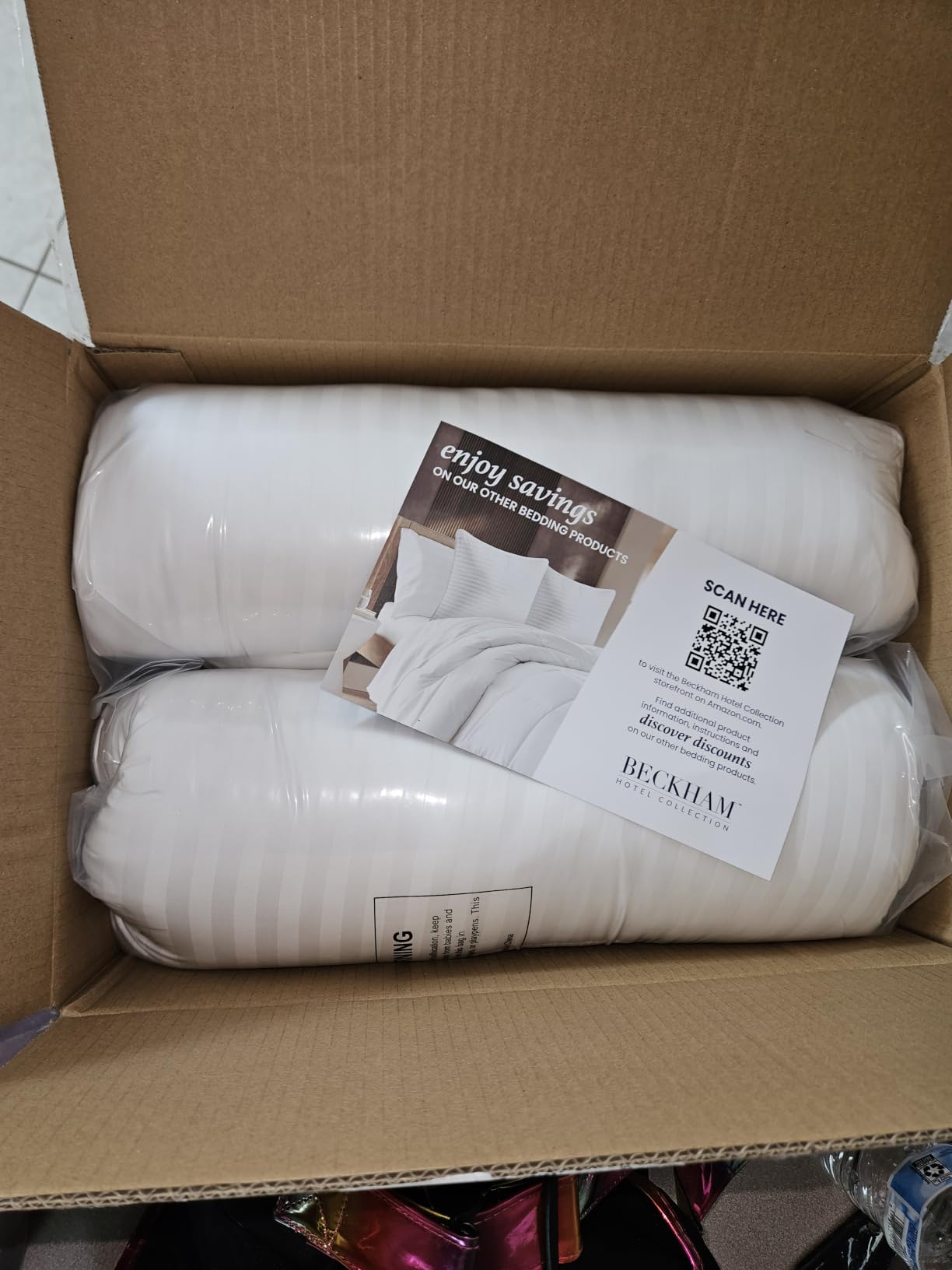
This is the pillow we recommend first, and the reason is not the fill. It is the combination of a certified shell fabric, a machine-washable core, and more than 264,000 reviews describing the same behavior over time, which is the closest thing to a guarantee available in this category.
Construction is straightforward and well executed: a 100 percent cotton cover at 400 thread count, 1,050 grams of hollow fiber down alternative fill, and an 8 inch plush loft rated medium-firm. The two-pillow set arrives at 28 by 20 inch each and weighs 1.8 kg per pillow. The cotton shell breathes, which matters more to allergy sufferers than most people expect, because a pillow that runs warm makes you sweat, and sweat wicks allergens from the sheet back toward your face.
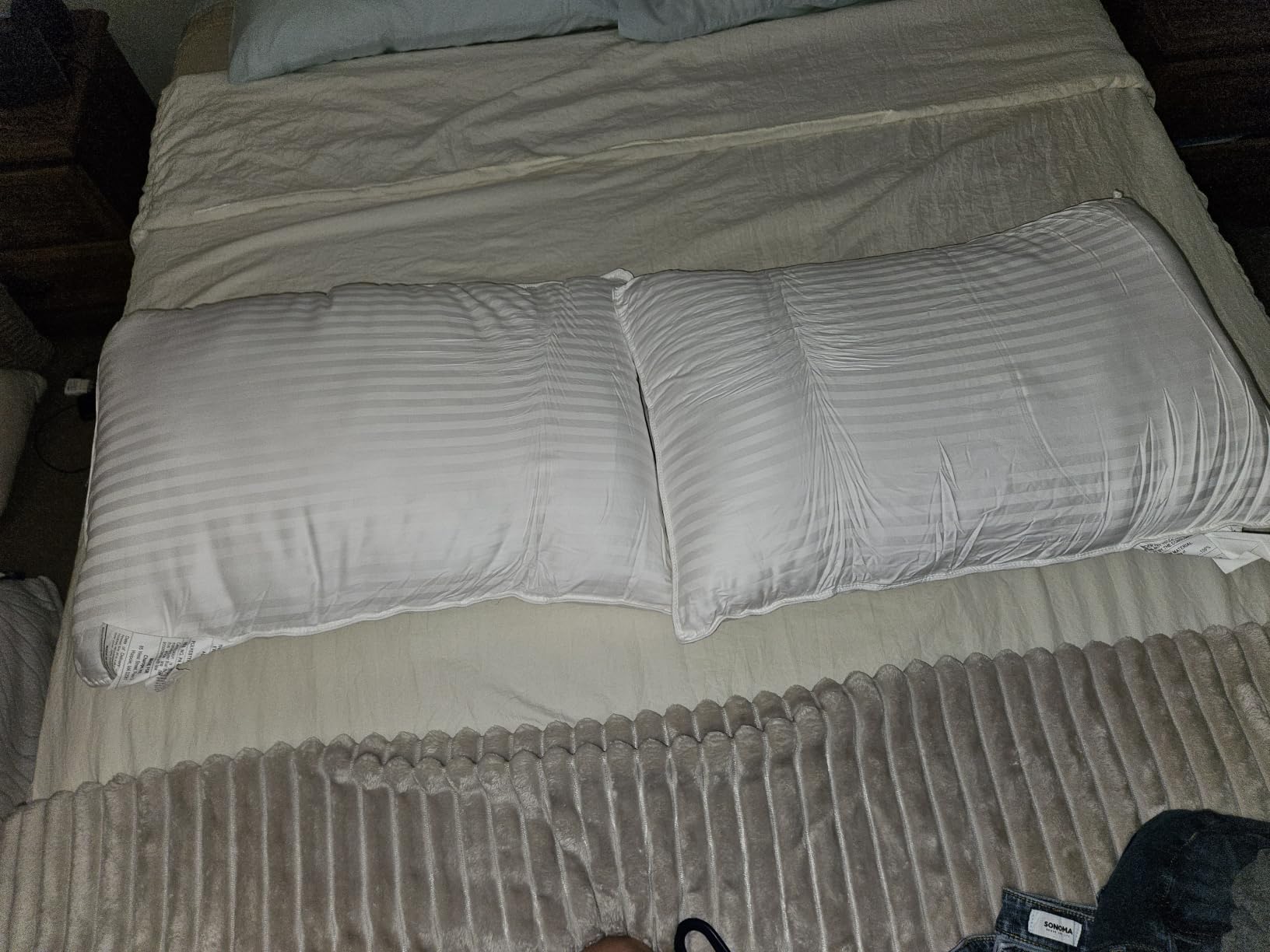
The allergy picture is clean. There is no feather protein to react to, the cover is OEKO-TEX certified and tested against more than 100 harmful substances, and the whole pillow goes in the wash. That means it can go through a 130F cycle on the schedule that actually reduces allergen load, which is the step that separates this from a decorative pillow.
Reviewers report the fill bouncing back night after night without fluffing, and the shape surviving repeated machine washes. The manufacturer also lists it as air dry friendly, which is gentler on the fibers than a high heat tumble dry.
What the certification and washability actually do for you
OEKO-TEX Standard 100 certifies that every component of the textile, shell and fill included, has been tested against a list of more than 100 harmful substances. It does not certify that the pillow is less allergenic than a competitor, which is the limit people often miss. What it does certify is that you are not sleeping next to a shell treated with a substance known to irritate skin.
Machine washability is the part that does allergen work. A pillow you can hot-wash at 130F is a surface you can reset. A pillow you cannot wash is a five-year accumulation of everything your bedroom has produced, feather-free or not.
Who should choose a different pillow
Choose something else if you need a low-profile pillow. At 8 inches of plush loft this is a tall pillow, and side sleepers who need their shoulder and neck pulled into alignment sometimes find it pushes their head too high. Several reviewers make exactly that complaint.
A minority of buyers also report a chemical-like odor straight out of the package that dissipates after a day of airing. If you have chemical sensitivity and react to smells, factor in a day of air-out time before your first night.
2. Digital Decor Luxury Hotel Pillows – Best Soft and Light
Digital Decor 100% Cotton Fabric Luxury Hotel Pillows Standard Size Set of 2, Cooling Down Alternative Bed Pillows for Sleeping, Hypoallergenic & Soft for Side & Back Sleepers, Made in USA, 26″ x 20″
Down alternative fill with 100% cotton shell
230 thread count breathable weave
26 by 20 inch standard size
Made in the USA
Pros
- Very soft and fluffy fill with no reported odor
- Manufacturer states fill resists dust and allergens
- Breathable cotton shell that does not retain heat
- Machine washable and tumble dryable
- Made in the USA
Cons
- Soft feel gives limited support for some sleep positions
- Firmness changes noticeably with the pillowcase used
- Stuffing can be inconsistent between the two pillows
- Needs a dryer cycle to reach full loft
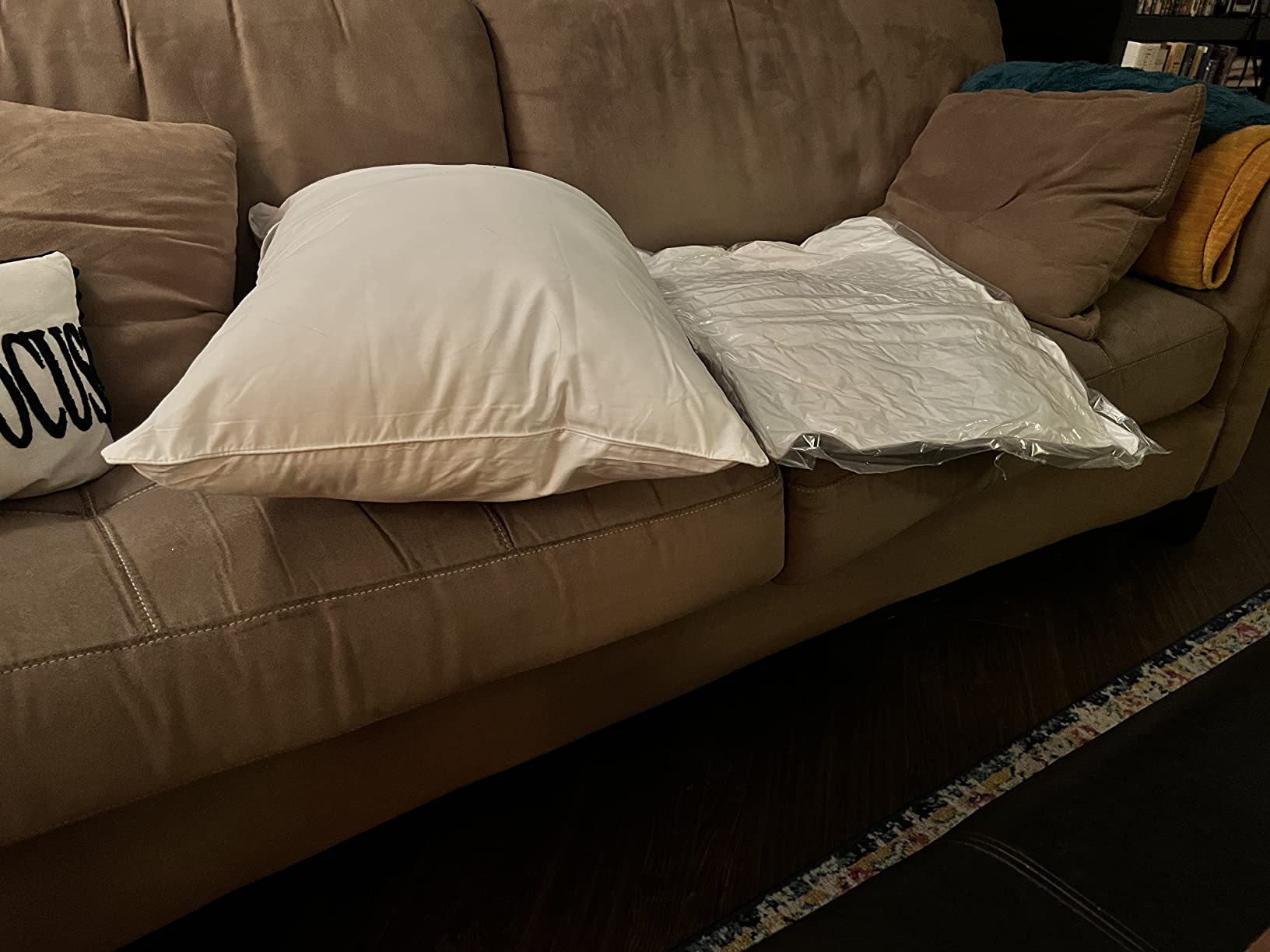
If you have spent months on allergy pillows that felt like a firm rectangle, this is the one that reads as genuinely plush. It is the softest-feeling pick in this roundup, and the review data supports that consistently, with more than 11,700 buyers describing the same soft, fluffy polyester fill.
The build is a 100 percent cotton shell at 230 thread count, filled with down alternative fiber, rated plush, sized 26 by 20 inch, and weighing 1.4 pounds. It is made in the USA, which matters more than it sounds for anyone with chemical sensitivity, because domestic manufacture usually means published material details and a traceable supply chain.
Care is where this one earns allergy points: the instructions list machine wash, tumble dry, and air dry, so you can run a hot cycle and dry it completely. Dry the insert fully rather than just the shell, because residual moisture in polyester batting is exactly what encourages clumping.
The manufacturer describes the fill as hypoallergenic and states it resists dust and allergens. We report that as their claim. The verifiable part is the fill material, which is synthetic and feather-free, and the washability, which is documented.
Reviewers frequently mention that the cooling cotton shell does not retain heat, and several side sleepers report no neck pain on it. That is a real result given how soft the fill is, and it comes down to the loft being lower than the tall picks in this list.
Why softness is the right call for some allergy sleepers
There is a reason softness is a feature rather than a compromise here. Feather-allergic sleepers often also describe themselves as light sleepers, and a tall or rigid pillow forces the neck into an extension position that fragments sleep. A softer, lower pillow at a medium loft lets the head settle rather than perch, and better sleep means less time awake rubbing an irritated face against a pillow.
The 230 thread count is lower than the 400 thread count on our top pick, which means a slightly more open weave and a bit more airflow. For a hot sleeper or someone with eczema-prone skin, that airflow is worth more than the thread count.
Who should choose a different pillow
Skip it if you need firm support. The fill is soft, and several reviewers report the softness gives limited neck support. The two pillows in a set can also arrive with slightly different amounts of stuffing, which reviewers notice more than you would expect when the pillows sit side by side.
Firmness also shifts depending on which pillowcase you use, since the cotton shell is thin. If you are used to a tight weave, test it with your own bedding before you rely on it.
3. Sasttie Firm Down Alternative Pillows – Best Value and Best Washable
Sasttie Firm Pillows Queen Size Set of 2, Bed Pillows for Side, Back, and Stomach Sleepers – Oeko-Tex Certified Down Alternative Plump Filling – Hotel Quality and Machine Washable, 2 Pack
40 percent 3D fiber and 60 percent 7D fiber blend
OEKO-TEX Standard 100 certified
Queen size set of 2 at 30 by 20 inch
Machine washable and dryer friendly
Pros
- Both OEKO-TEX Standard 100 certified and machine washable
- Firm loft holds head and neck alignment through the night
- Works for side back and stomach sleepers
- Plump fibers keep their loft all night
Cons
- Too rigid for sleepers who want a very soft pillow
- Polyester cover is less breathable than cotton or microfiber
- Embossed satin piping is a firm edge for bare pillow sleepers
For dust mite control specifically, this is the pick we would build a routine around. It has the two things that combination requires: whole-pillow machine washability with dryer-friendly care, and a fill firm enough that it does not collapse into a flat, allergen-holding slab on the way to the washer.
The fiber blend is the interesting part. It mixes 40 percent 3D fiber with 60 percent 7D fiber, which is a deliberate softness and support balance rather than a single-fiber fill. Finer 3D fiber gives the down-like loft, coarser 7D fiber gives the spring and the durability. You get both in one pillow instead of choosing between them.
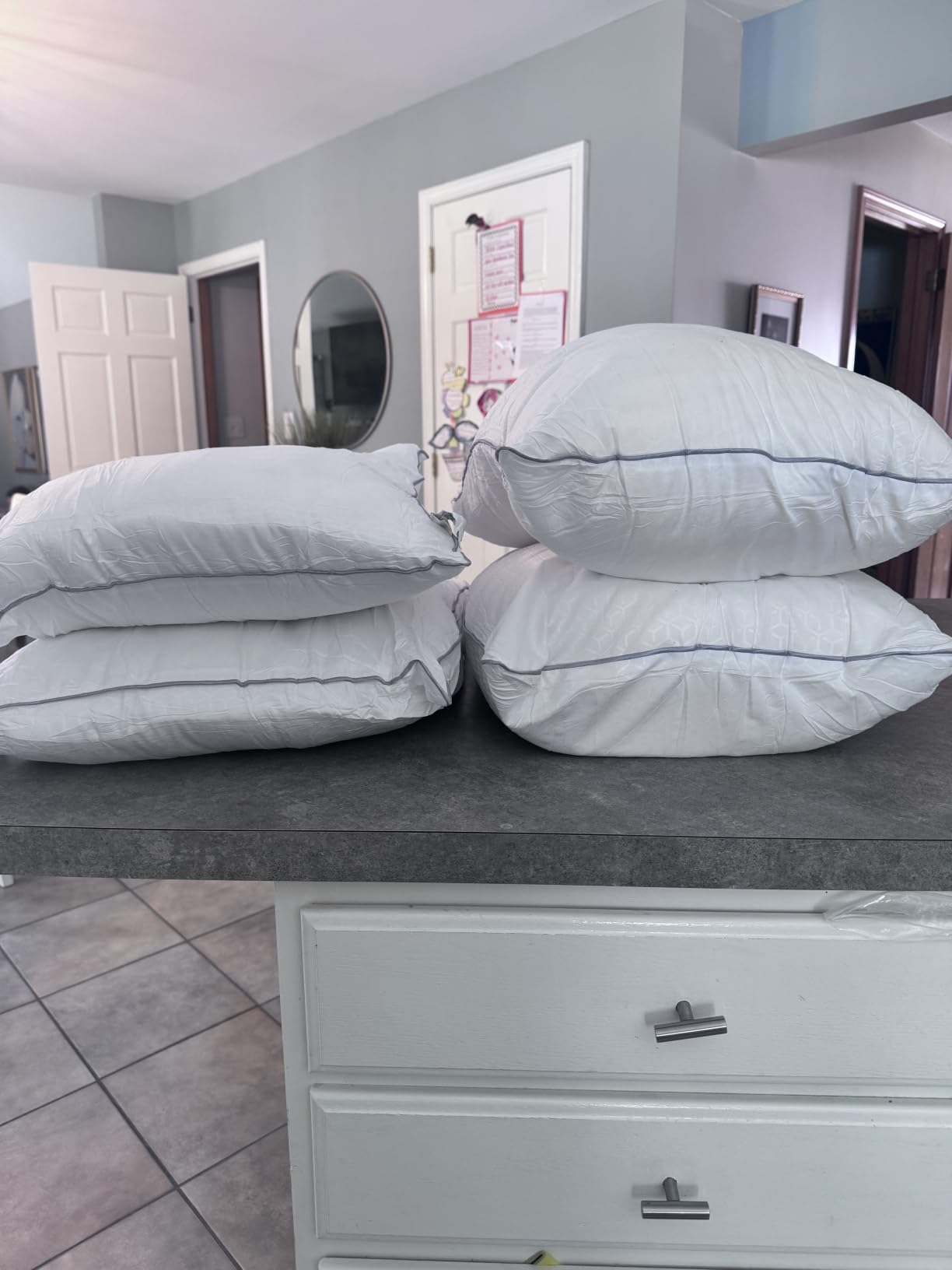
The shell is polyester, and the product is rated firm, queen size at 30 by 20 inch, with 2.12 kg of weight per pillow. The embossed geometric pattern and satin piping are cosmetic, but the piping does keep the edge from rolling, which helps the pillow hold a consistent height through the night.
The allergy-relevant certification here is OEKO-TEX Standard 100, and the care instructions allow machine washing with a low heat tumble dry to restore plumpness after unboxing. That is the exact cycle you need on a four- or six-week schedule to keep allergen load down.
Reviewers praise the balance of softness and plump firmness, and many note the pillows fluff up well and stay supportive for back and side sleeping. The 4.5 rating across more than 4,800 reviews reflects that consensus.
How a 3D and 7D fiber blend protects loft over time
Denier is the whole story in this fill. A 3D fiber is roughly three denier, thin enough to pack densely and feel down-like, but thin fibers compress easily and mat. A 7D fiber is coarser and springier, holds its loft through repeated compression, and gives the pillow back its height after you roll over it.
Blending them means you get the plush look of the fine fiber without the fast flattening of an all-fine fill. For a pillow that gets hot-washed monthly, that is the difference between a routine that stays sustainable and one you abandon in three months.
Who should choose a different pillow
Choose something softer if you dislike firm pillows. Several reviewers find the support level too rigid, and this is the opposite trade-off from our soft pick. The polyester shell is also less breathable than the cotton and microfiber options here, which is a consideration if you run warm.
Side sleepers who sleep bare should know the embossed satin piping is a hard edge against bare skin. Put a case on.
4. HUXMEYSON Down Alternative Pillows – Best for Cooling
HUXMEYSON Pillows Standard Size Set of 4, Down Alternative Fill
Microfiber shell with 50 percent 3D gel fiber blend
OEKO-TEX Standard 100 certified
Standard size set of 4 at 26 by 20 inch
Zipper closure, machine washable
Pros
- Soft microfiber shell that stays cool and resists odor
- Certified to OEKO-TEX Standard 100
- Holds loft over a year of use with regular fluffing
- Survives repeated machine washing
Cons
- Runs smaller than US standard so shams fit loosely
- Lower loft that is not ideal for stomach sleepers
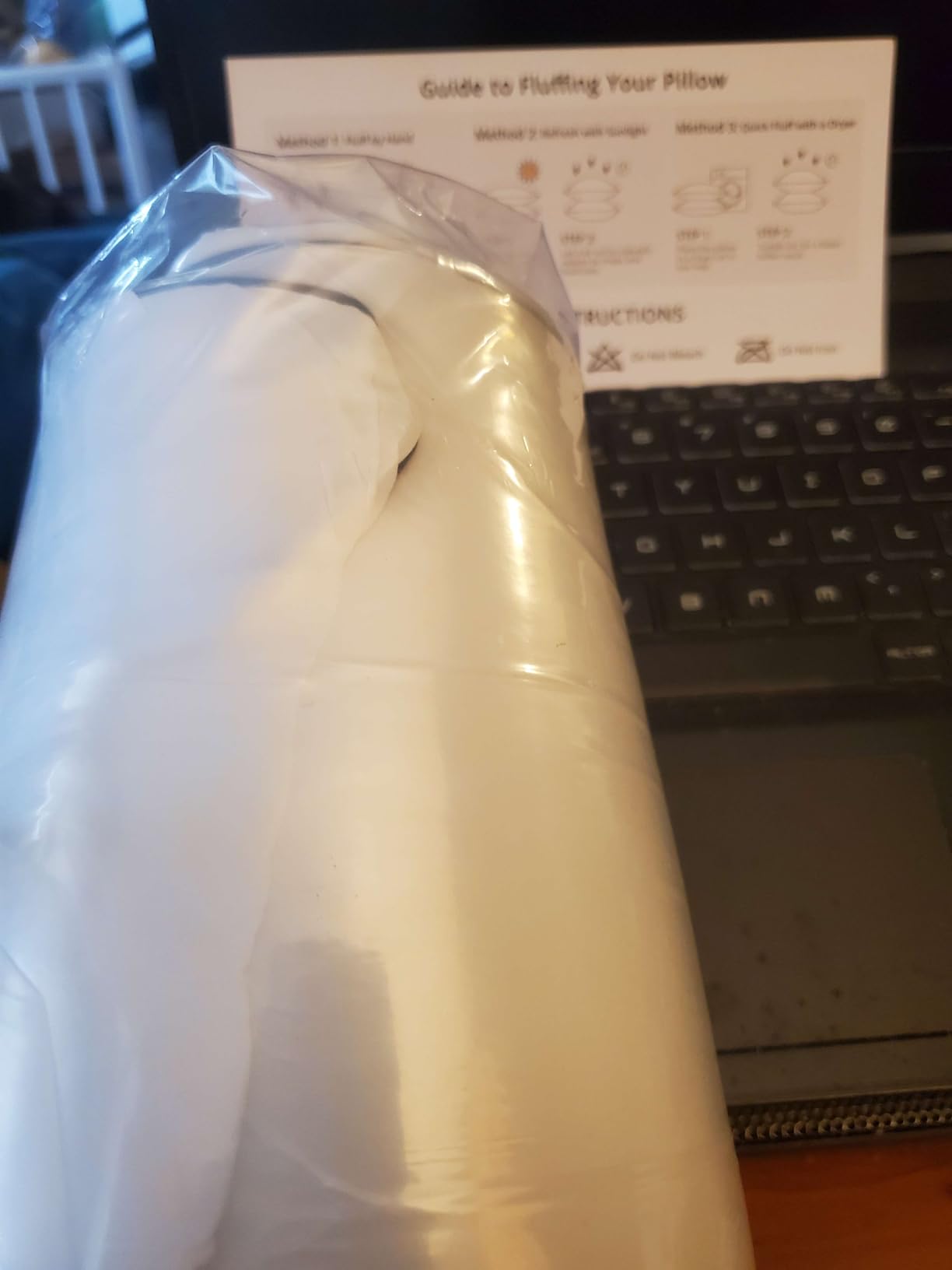
- Arrives vacuum compressed and needs a dryer cycle to expand
- Budget tier build quality
Heat is an under-discussed part of allergy sleep. A warm pillow makes you sweat, sweat wicks particles up off the sheet, and a hot, damp pillow surface is a better habitat than a cool one. If you sleep warm or your symptoms are worse in summer, this is the pick.
The shell is microfiber rather than polyester, and reviewers describe it as breathable and cool, with no trapped heat and no odor build-up. The fill blends 50 percent 3D gel fiber with 50 percent 7D hollow fiber, which reviewers say supports neutral head, neck, and spine alignment.
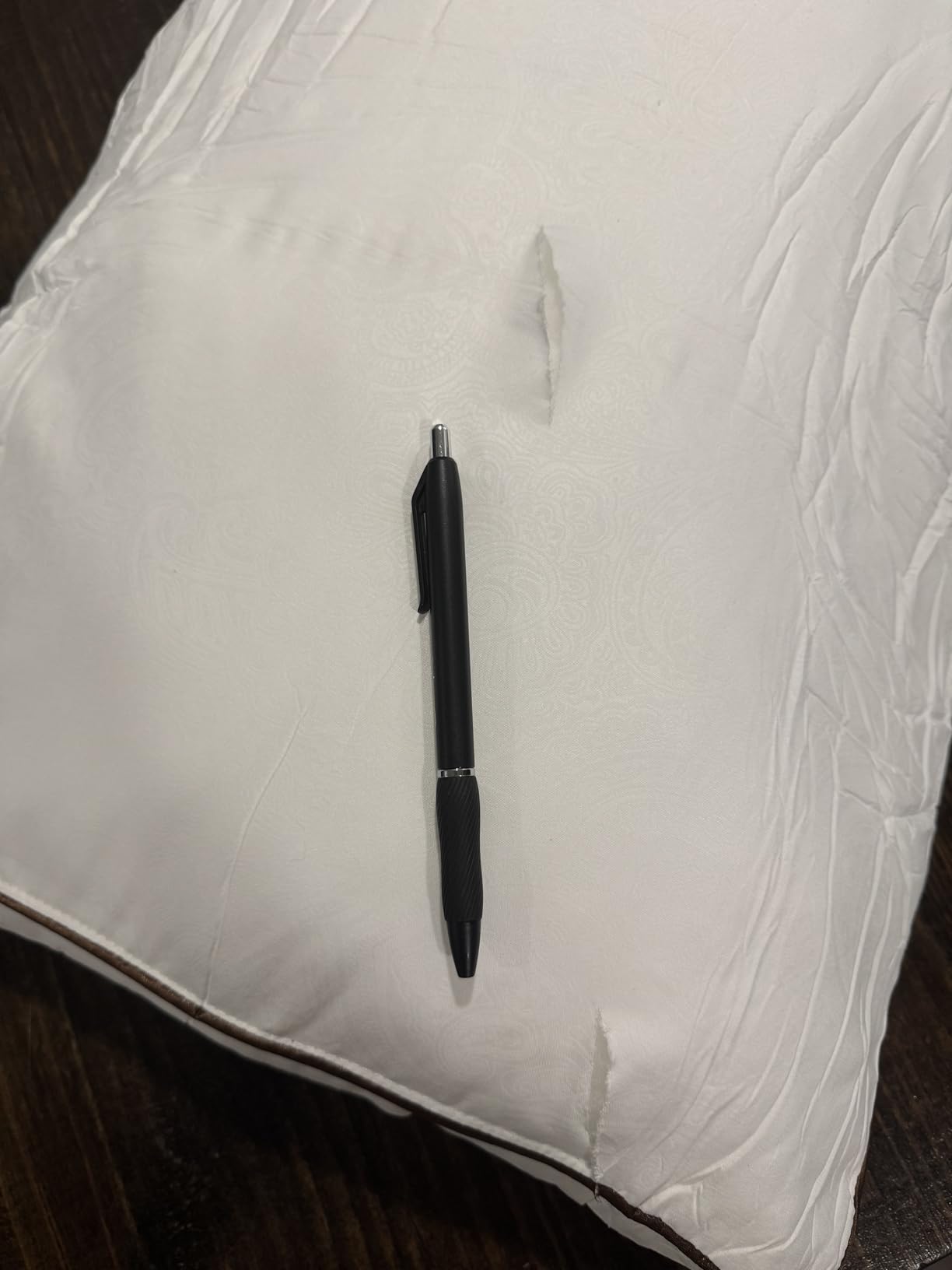
For allergy purposes, two things stand out. The fill is OEKO-TEX Standard 100 certified, and the whole set is machine washable and tumble dryable. The zipper closure is a small detail that matters more than it looks, because a zippered pillow can go inside an allergen-impermeable encasement cleanly.
This is a four-pack of standard size pillows at 26 by 20 inch each, weighing 3.56 kg. That makes it a practical choice for a household where more than one person has allergies, or for anyone keeping a rotation of washable pillows.
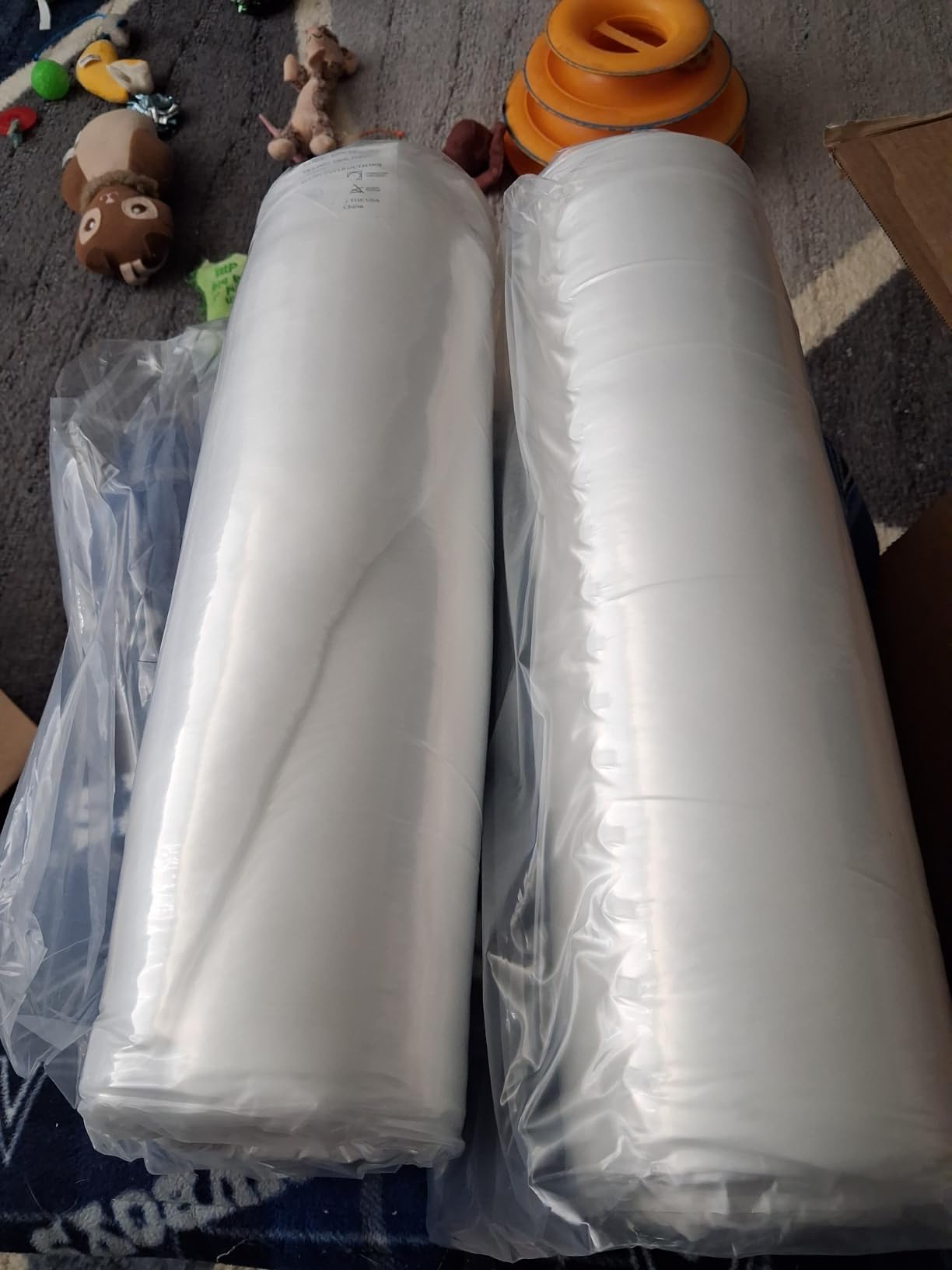
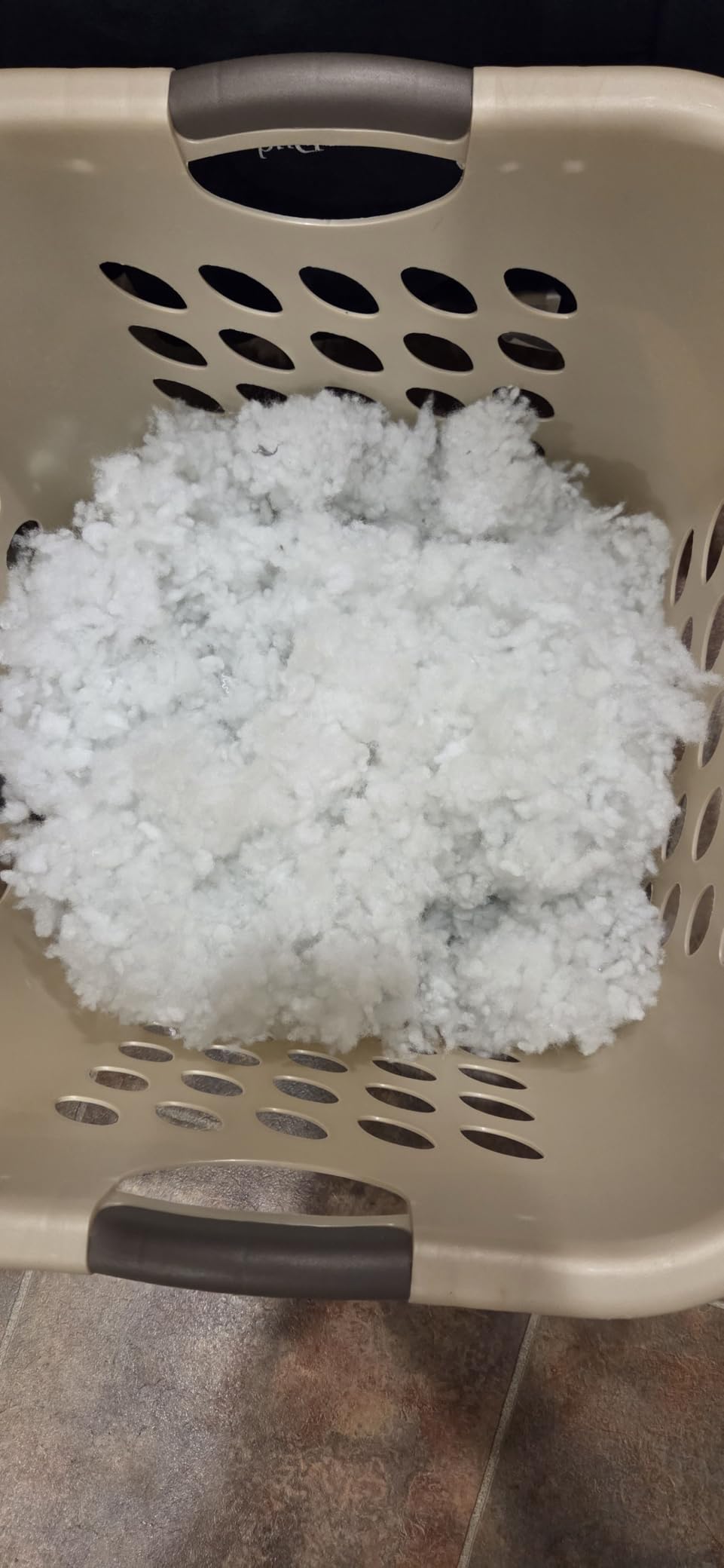
Reviewers consistently say a quick low-heat dryer cycle transforms them from the vacuum-packed arrival into fluffy, supportive pillows, and many buy multiple packs. They also report the loft holds over a year of use with regular fluffing, which is a genuinely good durability signal for a budget-tier fill.
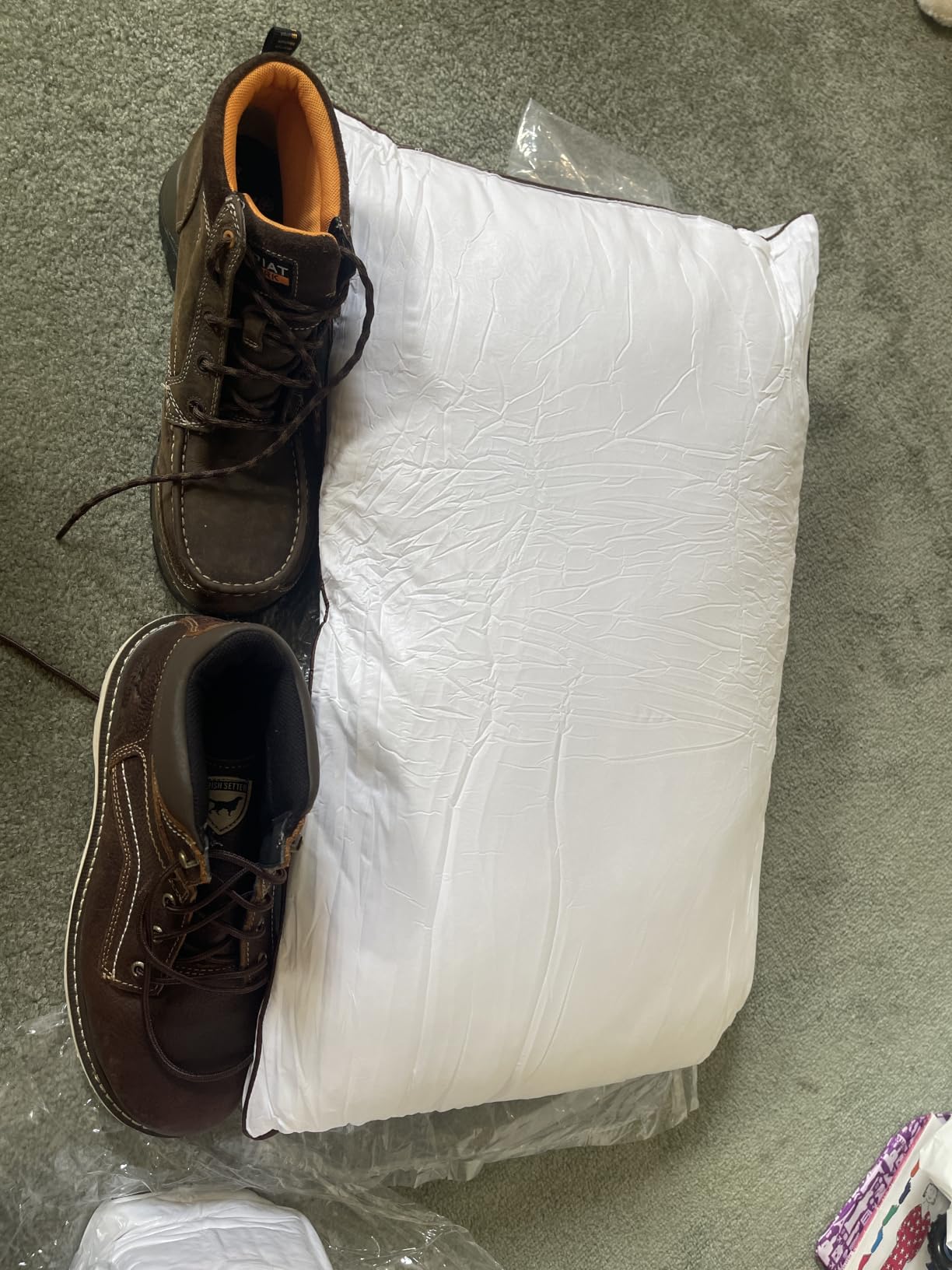
Why the shell fabric matters more than the fill for cooling
Heat moves through a pillow from the outside in, and the shell is the first surface to decide how fast it leaves. Microfiber is a fine, tightly woven synthetic with high thread density and a smooth surface that does not hold onto oil or odor the way an open polyester weave can. Cotton behaves similarly but absorbs moisture, while polyester is the least absorbent of the three.
For an allergy sleeper, less absorption means less accumulated skin residue in the fabric, which means a hot wash removes more each cycle. That is an underrated link between shell choice and allergen load.
Who should choose a different pillow
Skip it if you need a tall pillow. Reviewers note these run smaller than US standard size, so shams can fit loosely, and the loft is on the lower side, which does not suit stomach sleepers who want height.
It also arrives vacuum sealed and needs a full dryer cycle to expand, and reviewers occasionally describe the build quality as budget tier. If you want a crisp, cool sheet-like feel, this is a pillow cover, not a pillowcase.
5. Casper Sleep Essential Pillow – Best for Back and Stomach Sleepers
Casper Sleep Essential Pillow – Standard Down-Alternative Bed Pillow
Three chamber down alternative construction
100 percent cotton percale cover at 280 thread count
Standard size 26 by 18 inch
Removable cover
Pros
- Three chamber design stops fill clumping and shifting
- Cooling cotton percale shell that breathes
- Holds loft through the night without flattening
- Works for side back and stomach sleepers
Cons
- Dry clean only care
- not machine washable
- Medium soft loft is not enough for firm pillow seekers
- Sold as a single pillow
- 2 inch profile feels slim to side sleepers
Loft is the reason to pick this one. Back and stomach sleepers need a low or medium pillow, and this is the flattest option in the roundup, which makes it a better fit than the tall plush picks for anyone whose symptoms are worse when their head is pushed upward.
The construction is a three-chamber design, which is the most interesting engineering here. Dividing the fill into separate chambers keeps the polyester in place instead of letting it migrate to the low corner as the pillow is used. That matters for allergy sufferers more than it sounds, because a clumped, flat, lumpy pillow has more surface area and more crevices for allergen to settle into.
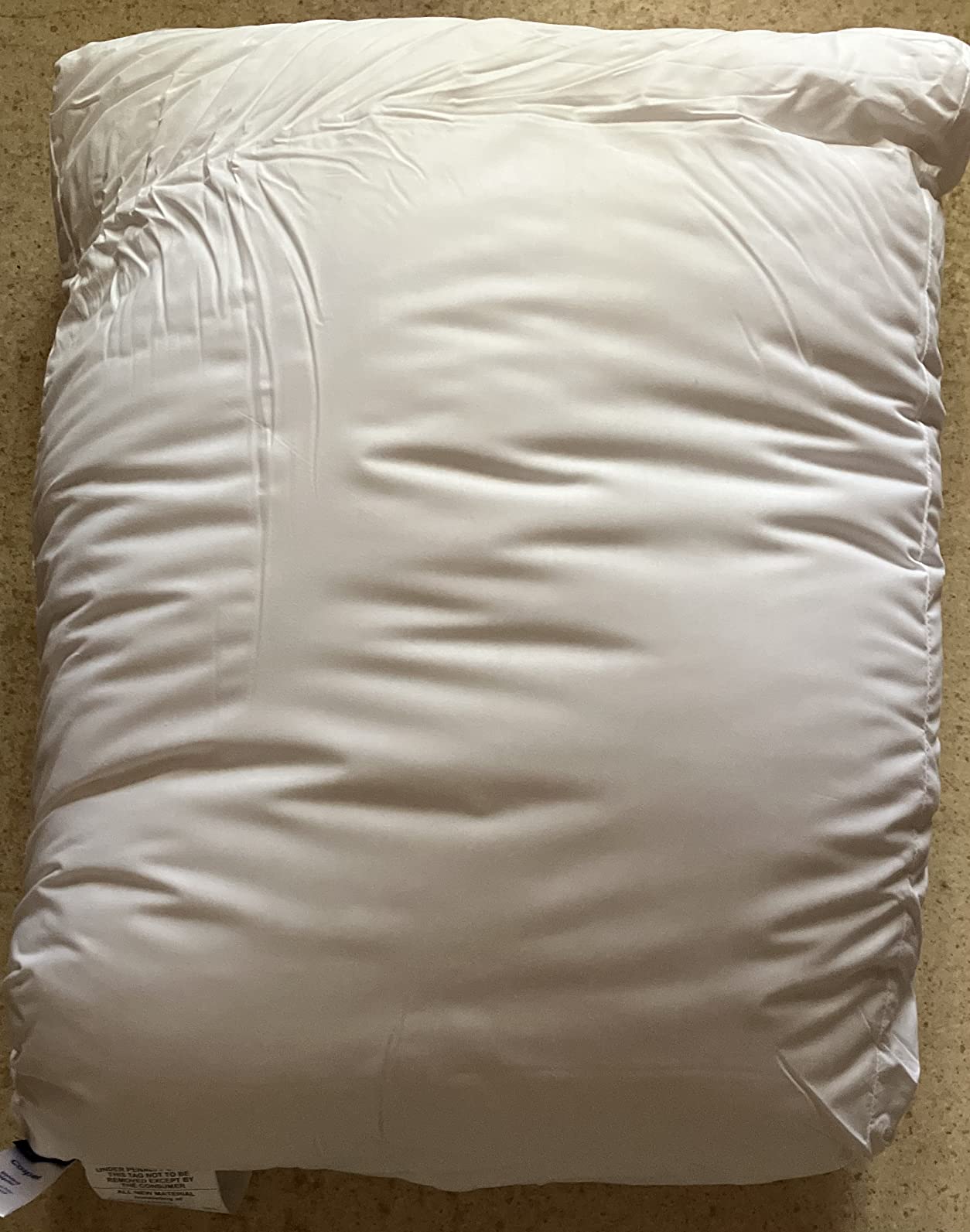
The shell is a 100 percent cotton percale at 280 thread count, described as crisp and naturally cooling. The pillow is 26 by 18 inch with a 2 inch thickness and 1.5 kg of weight, and it is rated medium-soft. The cover is removable.
Here is the honest catch, and it is a real one for this guide. The care instruction is dry clean only. That rules this pillow out of the hot-wash protocol that does the actual allergen work in a dust mite household, and we would not rank it higher for that reason.
For a feather or dander allergy, the limitation is far less serious, because the allergen source has been removed at the factory rather than needing to be washed out. Several reviewers cite the balanced medium-soft comfort and the cooling cotton cover as the reasons they kept it.
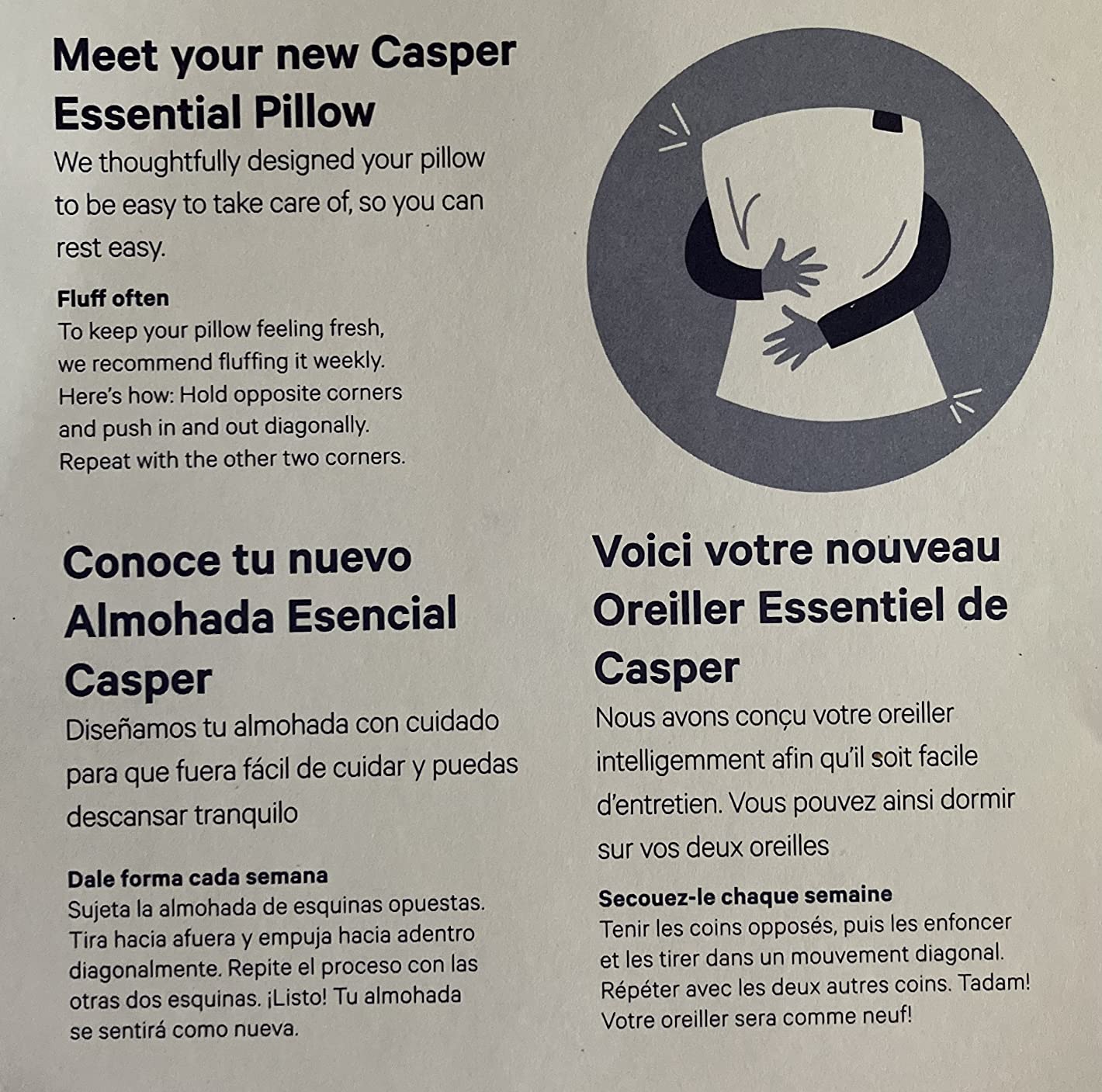
What the three-chamber build changes over months of use
Most single-chamber down alternative pillows develop a low spot in the middle within a few months. The fill shifts, the surface goes uneven, and the pillow no longer supports the neck at a consistent height. You end up flipping it, then folding it, then buying a new one.
Chambered construction resists that migration because the walls compartmentalize the fill. Reviewers report the pillow holds its shape and loft without flattening or clumping, which is the durability complaint that shows up most often in this category.
Who should choose a different pillow
Choose a machine-washable pick if you have a diagnosed dust mite allergy. Dry clean only is the disqualifier, and there is no way to work around it in a monthly allergen protocol.
This is also the only single-pillow item in the roundup, so a full bed needs multiple units. And at a 2 inch profile, side sleepers will find it slim, especially if you also sleep on a side.
6. MUFEW Ultra Thick Down Alternative Pillows – Best for Side Sleepers
MUFEW Pillows Standard Size Set of 4, Ultra Thick Down Alternative Bed Pillows,Cooling Hotel Quality Standard Pillow for Back, Stomach or Side Sleepers, Machine Washable(White,4 Pack)
Ultra thick 6 inch loft
Breathable microfiber shell
Standard size set of 4 at 26 by 19 inch
OEKO-TEX Standard 100 certified
Pros
- Tall 6 inch loft fills the shoulder to neck gap
- OEKO-TEX Standard 100 certified materials
- Breathable microfiber shell stays cool
- Retains shape after months of use
- Machine washable for regular allergen removal
Cons
- Loft is too high for back and stomach sleepers
- Vacuum sealed so needs up to 24 hours to expand
- Polyester shell is less breathable than cotton
- Lower review volume than most picks here
Side sleepers need height because their shoulder is the widest part of their body between ear and mattress. A 6 inch loft fills that gap, and a pillow that leaves that gap open forces the neck into a bend that wrecks alignment. If you sleep on your side and also suffer from allergies, this is the height you want.
The shell is polyester microfiber, breathable and soft against skin, and the fill is down alternative rated medium. These are standard size at 26 by 19 inch, in a four-pack, and the materials are OEKO-TEX Standard 100 certified for safety and environmental standards.
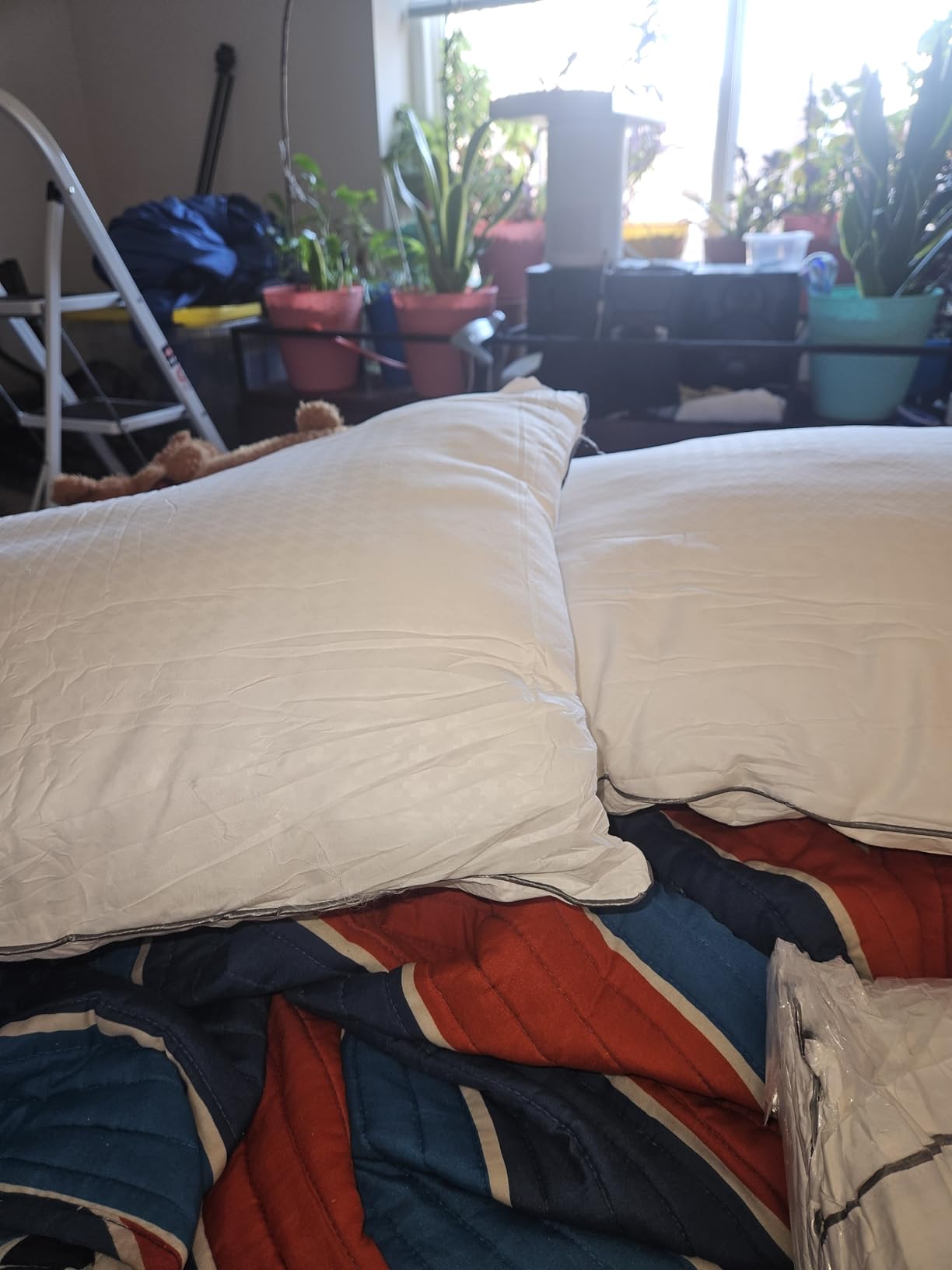
For the allergy side of the decision, machine washability and the certification are the two things to note. Being able to run the insert through a hot cycle is what makes an allergen protocol possible, and OEKO-TEX Standard 100 tells you the shell and fill have both been tested against a long list of substances known to irritate skin.
Owners appreciate the thick, plush, hotel-style feel and report that the pillows keep their shape over time, which is the durability outcome that matters most for a tall loft. A 4.5 rating sits alongside that consistency.
Why side sleepers need more height than the label suggests
The height a side sleeper needs is set by the shoulder-to-ear distance, not by preference. Most adults need three to four inches of compression-adjusted loft once the pillow is under the head, and a pillow that starts thinner than that will not recover enough height once compressed.
That is why the extra-thick picks win with side sleepers and lose badly with everyone else. A 6 inch pillow under a stomach sleeper pushes the head and neck into extension, which produces the neck pain that makes a lot of people abandon a tall pillow and go back to feathers.
Who should choose a different pillow
Skip it if you sleep on your back or stomach. Reviewers consistently note the extra-thick loft is too high for those positions, and this is the most position-specific pick in the roundup.
It also arrives vacuum sealed and can take up to 24 hours to fully expand, which matters if you are testing a new pillow for allergy symptoms, because you want a full-height pillow on night one. The polyester shell is less breathable than cotton, and the review base is smaller than most picks on this list, so the long term picture is less well documented.
7. Amazon Basics Pillows with Protectors – Best Barrier Protection
Amazon Basics Down Alternative Bed Pillows and Pillow Protector Case Set, Medium Density, Standard Size 26″ x 20″, Hypoallergenic, Microfiber, Washable, White, 2-Pack
Set of 2 pillows plus 2 cotton protector cases
Medium density down alternative fill
26 by 20 inch with 3.5 inch thickness
Vinyl free 100 percent cotton protectors
Pros
- Includes cotton allergen barrier protector cases in the box
- Machine wash cold and tumble dry low
- No odor out of the package and puffs up immediately
- Medium density suits back and side sleepers
Cons
- Medium density can feel stiff
- Loses plumpness after a few nights and needs fluffing
- Fill starts to clump after roughly six months
- Protector cases are breathable but not moisture proof
This is the only pick in the roundup that addresses the encasement step directly, and that is why it ranks here. Two vinyl-free 100 percent cotton protector cases with a tight weave are included in the box, which is a low allergen surface between your skin and the pillow fill.
For a dust mite household, the encasement is the control, not the fill. A tightly woven cotton case blocks mite allergen from reaching the fill, and the fill can then be washed separately once a month at 130F. Reviewers consistently highlight that the included cases reduce dust exposure and are easy to wash.
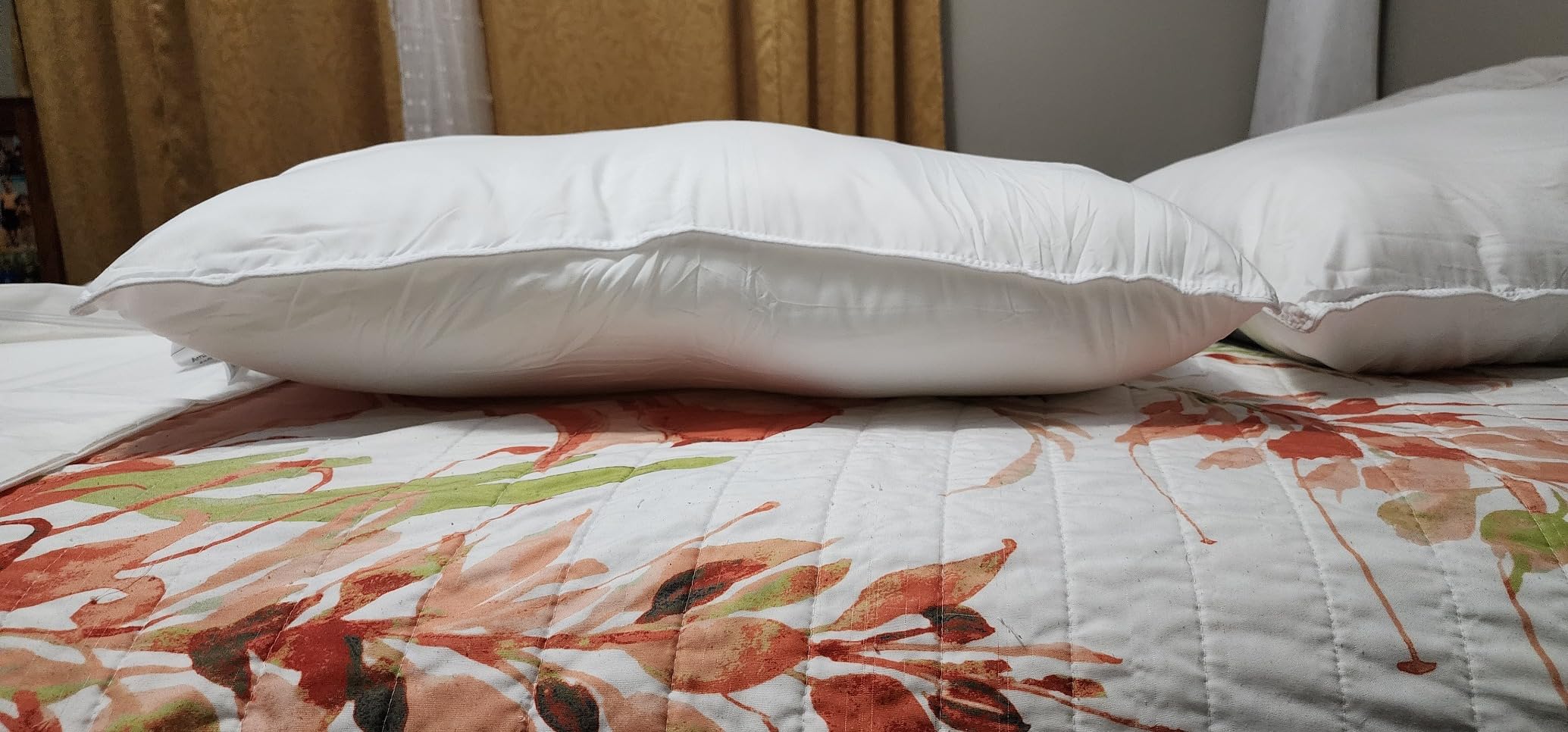
The pillows themselves are 26 by 20 inch with a 3.5 inch thickness, medium density down alternative in 100 percent polyester, with a polyester microfiber shell. The set is 2.22 kg in total, and the protectors use a zipper closure. Care is machine wash cold on a very mild cycle and tumble dry low, with 24 hours allowed to decompress.
One practical note on that care instruction. A cold mild cycle is gentler than a 130F hot cycle, so for a mite allergy you would want to push the washer temperature up rather than follow the label literally. The mild cycle is what protects the fill from damage over repeated cycles; the hot cycle is what kills mites. For most households, running hot every few months and cold in between is the right balance.
Buyers like that the pillows wash well and have no odor out of the package, and that they puff up immediately rather than needing a break-in period.
Why an encasement is the single most important part of a mite routine
Mite allergen is a particle, and particles smaller than about six microns pass through ordinary pillowcases and sheets. A standard cotton pillowcase will not stop it. An allergen-impermeable encasement uses a much tighter weave specifically designed to block it.
Once the pillow is sealed, the fill cannot collect fresh allergen, and the accumulated load can be removed by washing the encasement on the hot cycle. The pillow itself is a one-time purchase in that model, which also removes the pressure to replace it every couple of years.
Who should choose a different pillow
Choose a different pick if you want a soft pillow. The medium density reads as stiff to sleepers who prefer soft or flat, and it is not the plush feel most people chasing a down alternative are actually after.
Durability is the other reservation. Reviewers report the fill loses plumpness after a few nights, needs regular fluffing, and starts to clump and compact after roughly six months. The protector cases are breathable but not moisture proof, so they manage dust without sealing out humidity.
8. Fabornus Down Alternative Pillows – Best for Overnight Guests
Fabornus Luxury Hypoallergenic Sleeping Bed Pillows – Soft and Supportive – Premium Down Alternative Fill – Ideal for Side, Back, and Stomach Sleepers Queen Size Set of 4
Polyester down alternative fill in a four pack
Queen size at 18 by 28 inch
hypoallergenic materials per manufacturer
Reinforced stitching, machine washable
Pros
- Premium down alternative fill balancing softness and support
- Manufacturer states materials suit allergy sufferers
- Breathable fabric designed to prevent overheating
- Machine washable and dryer friendly with reinforced stitching
- Four pack covers a whole guest room
Cons
- Loft is too low or soft for side sleepers needing neck support
- Polyester shell can feel warm next to cotton
- Smaller review base and weaker sales rank than most picks
- Needs frequent fluffing according to some buyers
A guest room changes the allergy math. You cannot control who sleeps in that bed or what they bring in, and the pillow is the item you are most likely to replace between guests because it is the least personal and the easiest to sanitize. That makes a cheap, fully washable four-pack a genuinely useful role rather than a filler slot.
The fill is polyester down alternative rated plush, in a queen size four-pack at 18 by 28 inch, weighing 3.67 kg in total. The shell is polyester, and the construction uses reinforced stitching with machine washable and dryer friendly care.
The manufacturer describes the materials as hypoallergenic and suitable for allergy sufferers. As always, we report that as their claim. The verifiable specifics are that the fill is synthetic and feather-free, the whole pillow is washable, and the reinforced stitching is designed to survive repeated cycles, which is what you need in a rental or guest context.
Owners generally find these soft, breathable, and easy to wash, with the four pack being good value for a whole household. The balance of softness and support is what most reviewers mention first.
Unlike the tall picks here, these also do not need a long expansion period. They arrive usable, which matters when a guest is on the way in an hour.
What a washable spare pillow changes in a shared room
Where a guest room is concerned, the useful metric is washability per pound of fuss. A pillow that goes through a full hot cycle and comes out intact can be reset between guests in under two hours including drying. A pillow that cannot be washed, or that needs a dry cleaner, becomes a guest room liability rather than an asset.
Reinforced stitching is the detail to look for in that scenario. Seams fail long before fill fails, and a pillow that splits at the edge after ten cycles is worse than a plain pillow with sound seams.
Who should choose a different pillow
Skip it if you are a side sleeper. The most common criticism is support level, with some side sleepers finding the pillows too flat or too low to keep the neck aligned. The polyester shell is also the warmest shell option in this roundup, which is a poor match for a guest who runs hot.
Some buyers report needing frequent fluffing, and the review base is smaller and the sales rank weaker than most picks on this list, so the long term durability picture is less well documented than the certified options.
9. Lull Original Down Alternative Pillow – Best for Hot Sleepers
Lull Original Down Alternative Pillow, Hypoallergenic, Standard Size
Three layer microfiber construction
Standard size at 34 by 18 inch
Open cell microfiber airflow channels
3.6 pound single pillow, machine washable
Pros
- Open cell microfiber structure dissipates heat and reduces night sweats
- Three layer build keeps neck and spine aligned
- Manufacturer states fill contains no feathers dust mites or irritants
- Fibers spring back after compression instead of going flat
- Machine washable
Cons
- Newer versions arrive thicker and need a break in period
- Fill runs thinner or firmer than earlier production batches
- Sits high off the bed which can cramp the neck
- Costs more per pillow than any other pick here
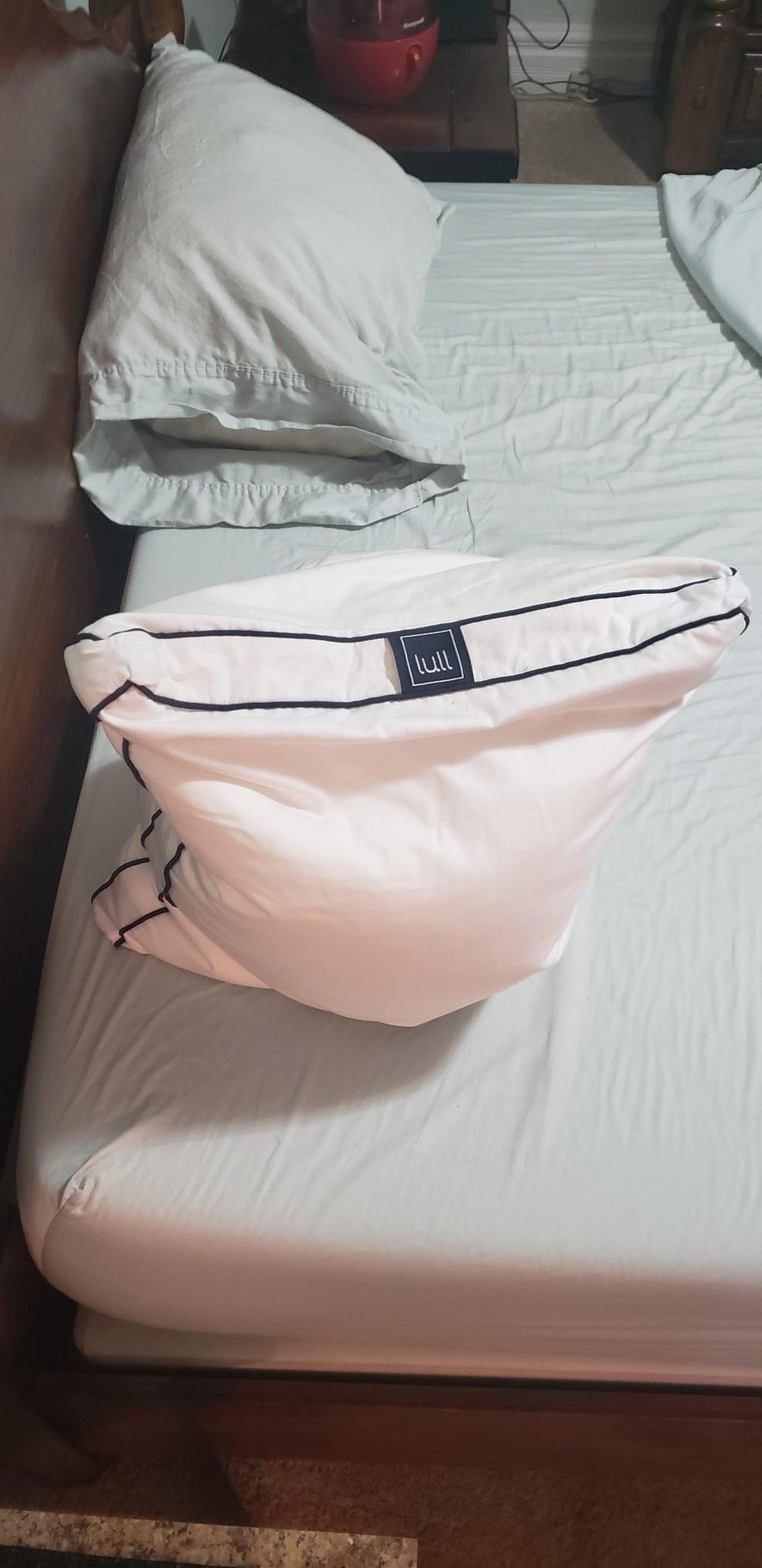
If heat is the main thing making your symptoms worse, the reason to pick this one is the open-cell microfiber structure. Unlike a solid fiber, an open cell creates airflow channels through the fill, and the manufacturer reports that this dissipates body heat and reduces night sweats.
The construction is three layers: a plush down alternative microfiber top and bottom with a dense supportive microfiber core. That core is the differentiator against the single-fill pillows in this roundup, and it is why owners describe the pillow as supportive without feeling hard.
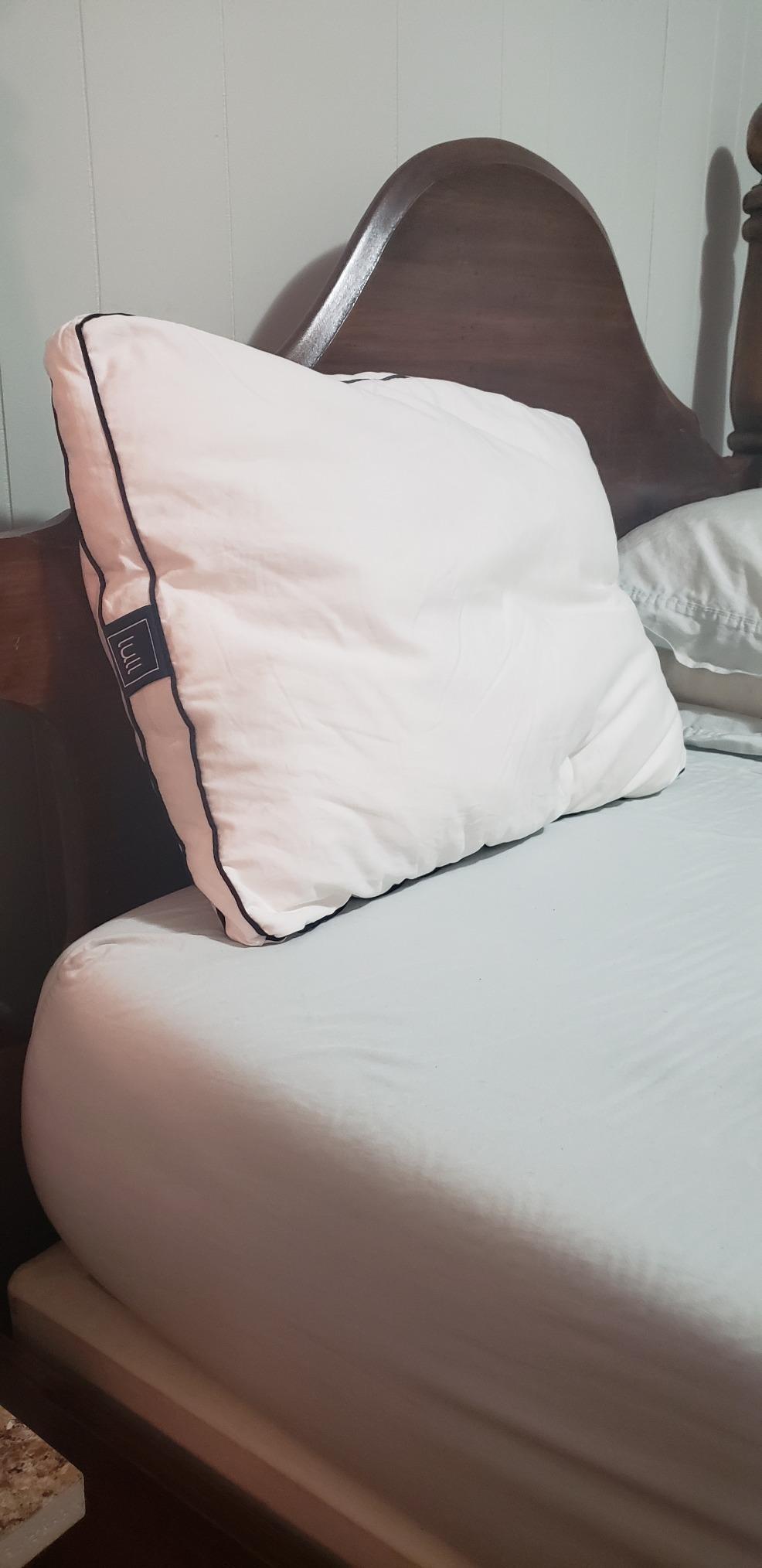
The listing states the fill contains no feathers, dust mites, or other allergens, and describes the material as breathable, hypoallergenic, cooling, and odor resistant. We report the hypoallergenic wording as a manufacturer claim. The verifiable claims are the microfiber fill, the three-layer construction, and the machine washable care.
Many owners call it the best pillow they have slept on, praising the balance of plushness and support and the fact that it does not go flat or trap heat. The negative reviews largely reflect batch inconsistency rather than a design problem.
For allergy purposes, the one real advantage here is that the fill is described as responsive microfibers that shift and conform as you change position, so the surface stays evenly distributed instead of developing a settled hollow where allergen can collect.
How a supportive core and an open cell solve different problems
Most polyester down alternative pillows are a single fill, which means support and softness compete for the same material. Raising the loft makes it softer and less supportive. This one separates them into layers, so the outer microfiber handles comfort and the dense core handles alignment.
The open cell matters for allergies specifically because it keeps air moving through the fill. Airflow raises the drying rate after a hot wash, and a fill that dries completely has no damp layer for mites or bacteria to establish in. That is a quieter allergen benefit than a certification mark.
Who should choose a different pillow
There is honest caution here. Some buyers report that newer versions arrive thicker and need a break-in period, and others say the current fill runs thinner or firmer than earlier production batches. If you are sensitive to inconsistency, buy from a seller with a straightforward return process.
It also sits high off the bed, which cranked one side sleeper’s neck initially, and it costs more per pillow than anything else in this roundup. For a single-pillow purchase where you are not sure it will work for you, that makes the return policy the deciding factor rather than the price.
10. Sealy Sterling Collection Down Alternative Pillows – Best for Shapeable Fill
sealy Sterling Collection Down Alternative Pillows 400 Thread Queen – 2 Pack
Shapeable hypoallergenic down alternative fill
400 thread count cotton polyester cover
Moisture wicking, machine washable
Queen size 2 pack
Pros
- Fill can be molded and shaped for any sleep position
- Moisture wicking fabric keeps sleepers cool and dry
- 400 thread count cover feels crisp and hotel like
- Machine washable for a simple allergen routine
- Two pack suits a couples bed
Cons
- Medium loft suits average sleepers more than heavy side sleepers
- Cotton polyester blend is less breathable than all cotton
- Sold as a queen 2 pack only
- Smaller review base than most picks
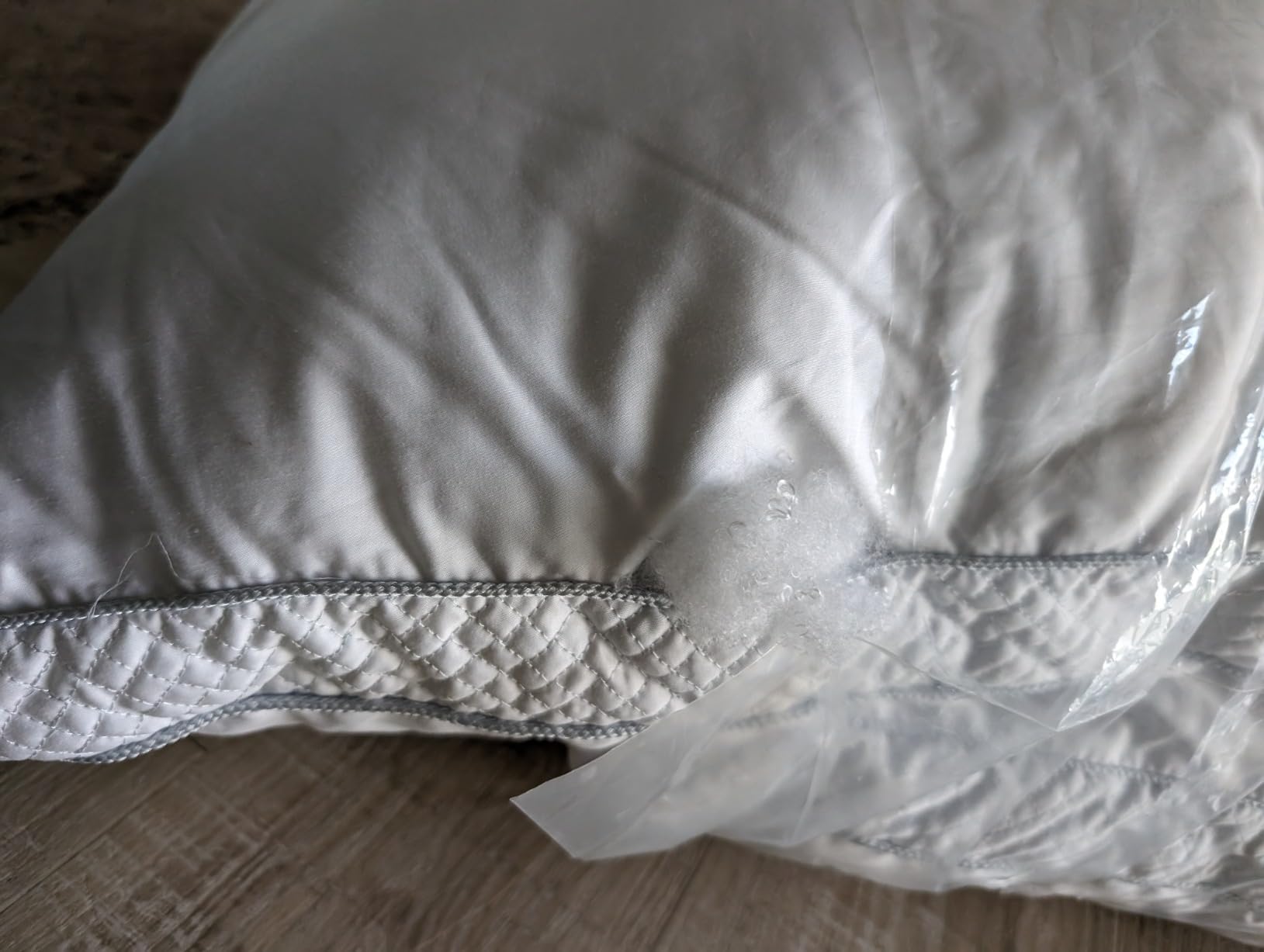
Moldable fill is the feature most worth understanding here. The polyester is described as shapeable, meaning you can press and fold it into the height and contour your position needs before it springs back. For combination sleepers who move between back and side, that removes the compromise most fixed-height pillows force.
From an allergy angle, a moldable fill is a modest but real advantage. Because you can reshape it, you are less likely to leave a permanent hollow in the middle where allergen settles, and you can lift the fill away from a stained or damp area instead of the whole pillow.
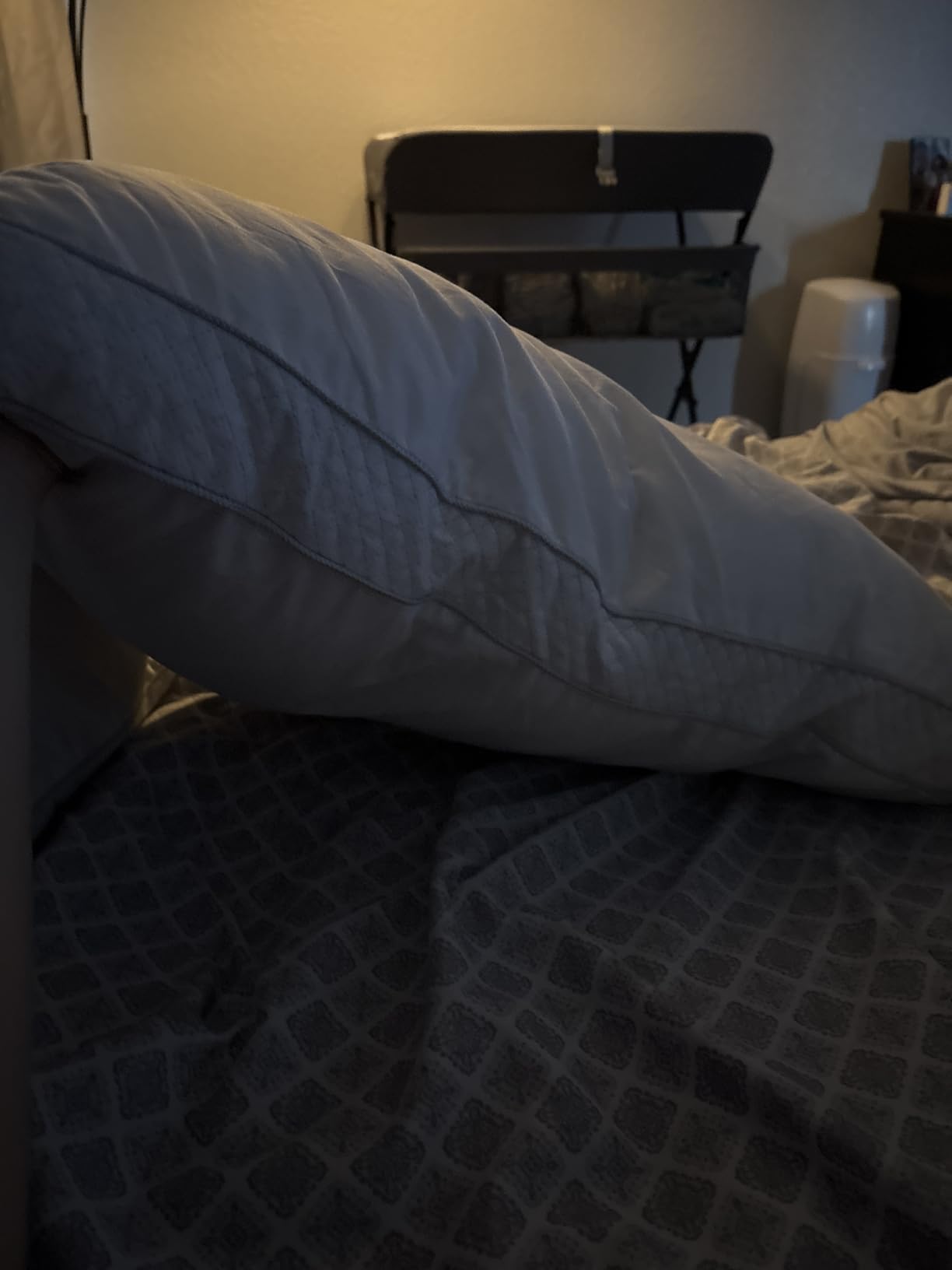
The cover is a 400 thread count cotton and polyester blend with moisture wicking properties, and the whole pillow is machine washable. Owners rate these well for comfort and coolness, and specifically call out the moldable fill and the crisp 400 thread count cover.
This is a recognized bedding brand with a 400 thread count cotton-polyester cover, which is a better construction spec than most picks in this roundup. The polyester portion adds durability and wicking to the cotton, though it also reduces the pure breathability you would get from an all-cotton shell.
Why moldable fill suits combination sleepers
A fixed-loft pillow forces one compromise on a combination sleeper. Too tall and the back-sleeping phase pushes the neck upward. Too short and the side-sleeping phase leaves the shoulder unsupported. Most people solve this by folding the pillow, which creates a lumpy edge against the neck.
Shapeable fill solves it directly. You press the fill down for back sleeping and let it loft up for side sleeping, and the material returns to shape rather than staying creased. That also means the pillow has no permanent deformation, which is the condition under which a fill accumulates the most settled debris.
Who should choose a different pillow
Choose a taller pick if you are a heavy side sleeper. The medium loft suits average sleepers more than those who need substantial height, and this is the most common reservation in the reviews.
It is also a queen two-pack only, which is inconvenient if you want a single pillow, and the cotton-polyester blend is less breathable than an all-cotton cover. The review base is smaller than most picks here, so the long term feedback is thinner.
How to Choose a Down Alternative Pillow for Allergies
Work through these in order. The first three are allergy decisions, and the rest are comfort decisions that would apply to any pillow.
1. Confirm the fill is synthetic and contains no feather or down
This is the easy part and the one every pick in this roundup passes. Look for a fill listed as down alternative, polyester, hollow fiber, microfiber, or memory foam, and treat any pillow that blends real down in as a no for a confirmed feather allergy. Blended down and down pillows both contain the allergen protein.
If you also avoid animal products beyond feather, check whether the shell is down, wool, or silk. Polyester and cotton shells are the vegan option, and a wool or silk shell is not.
2. Check whether the whole pillow washes, not just the cover
This is the highest-impact decision on the list and the one most listings obscure. A washable cover over a sealed insert means the insert, which is where the allergen accumulates, never gets cleaned. Look for an explicit machine wash instruction on the insert itself.
Our washable picks are the Beckham set, the Digital Decor set, the Sasttie set, the HUXMEYSON set, the MUFEW set, the Amazon Basics set, the Fabornus set, the Lull pillow, and the Sealy set. The Casper pillow is dry clean only, and we have flagged that as its main limitation for dust mite households.
3. Match the pillow to an allergen-impermeable encasement
For a dust mite allergy, the encasement is the actual control. Measure the pillow before you buy, because encasements are sized tightly and a standard encasement will not zip over a tall 8 inch plush pillow. A zippered closure on the pillow also helps, since you can slide it inside without fighting the fabric.
The Amazon Basics set is the only pick that includes cotton protector cases, which is convenient if you want to test the barrier approach before investing in a dedicated encasement.
4. Read the certifications, and know what they do not certify
Four marks appear in this category and they are not interchangeable.
OEKO-TEX Standard 100 certifies that every component of the textile, including fill, has been tested against a list of more than 100 harmful substances. It is a chemical safety standard. It does not certify that a pillow reduces allergen exposure or that it is less allergenic than a competitor. Four picks here carry it.
GOTS, the Global Organic Textile Standard certifies the organic fiber content and the processing chain, from farm to finished textile. It is the mark to look for if your concern is pesticide residue, dyes, or a supply chain you can trace. None of the ten picks here is GOTS certified, which is worth stating plainly rather than implying otherwise.
Greenguard Gold certifies low chemical emissions and low total VOC output from a product tested in an environmental chamber. It is aimed at indoor air quality, which makes it genuinely relevant to a person reacting to fumes rather than particles. It also does not certify allergen reduction.
CertiPUR-US is the foam certification used on memory foam and flexible polyurethane foam. It addresses safety, emissions, and physical performance for foam. It does not apply to a polyester fiberfill pillow, and it does not certify hypoallergenic performance.
The takeaway is that none of these certify hypoallergenic. They certify chemical safety, fiber sourcing, emissions, or foam performance. That is still worth having, but it is a different claim.
5. Choose loft by sleep position, not by softness
Back sleepers need a low to medium loft so the head stays in line rather than tipped upward. Stomach sleepers need the lowest loft of all. Side sleepers need the tallest, usually three to four inches of compressed height to fill the gap between shoulder and ear.
Read the settled height rather than the launch loft. A pillow that arrives at 8 inches and settles to 5 inches behaves like a medium pillow, and that is the number to match to your position. Sellers rarely publish settled height, which is a reason to prefer the picks on this list that hold their loft and to discount launch claims in general.
For soft sleepers specifically, the forum consensus on this topic is that down alternative trends soft to medium, so genuinely soft options do exist within the category. Our second pick is the softest here for that reason.
6. Check the shell fabric against heat and skin
Cotton is the most comfortable against skin and the most absorbent. Microfiber is cool, smooth, and resistant to odor. Polyester is the most durable and the least breathable of the three.
For an allergy sleeper, heat is the deciding factor rather than comfort. A pillow that runs warm makes you sweat, sweat carries particles from the sheet up toward your face, and a damp fill is a better habitat than a dry one. If you sleep warm, weight the shell over the feel.
7. Confirm the return policy before you commit
Allergy symptoms are delayed, which makes returns awkward. A reaction can show up on night three, by which point a used pillow is hard to return under many policies. Look for a generous return window, and note that some sellers treat a pillow that has been washed as non-returnable.
One pick here includes a 30 day money back guarantee, which is the kind of window that actually works for a delayed reaction. For a more expensive single-pillow purchase, the return policy is the reason to buy from a seller with a clear policy rather than a marketplace with mixed rules.
How to Keep Your Pillow Allergy-Free
None of the ten pillows above keeps itself clean. This is the routine that turns a pillow purchase into allergen control, and the steps are sequential.
Step 1: Put the pillow inside an allergen-impermeable encasement
Fit the encasement before the first night, not after symptoms appear. The encasement blocks fresh mite allergen and dander from reaching the fill, so everything inside is working with a clean surface. Standard pillowcases do not do this.
Step 2: Wash the pillow and the encasement at 130F
130F, or 54C, is the number that matters. It is hot enough to kill dust mites and their waste rather than just rinsing them away, and it is the single piece of numeric advice most bedding pages leave out. Many care labels say cold or mild, so you will often be overriding the label deliberately.
Run the cycle at least every four to six weeks if you have a diagnosed mite allergy, and monthly for prevention. Check that your washer reaches 130F on its hottest setting before you rely on it.
Step 3: Dry the pillow completely on high
Drying matters as much as washing. Heat and airflow kill what the wash cycle disturbed, and a fully dry fill does not give mites or bacteria a damp layer to return to. Give it an extra cycle if you are not sure, and check the middle of the pillow by hand rather than the shell.
Step 4: Hold bedroom humidity between 30 and 50 percent
Dust mites need humidity to survive and thrive. A hygrometer in the bedroom, keeping humidity in the 30 to 50 percent range, suppresses them without affecting your sleep, and this step costs nothing and works independently of any pillow you own. Below 30 percent can irritate the airways, so aim for the band rather than the floor.
Step 5: Extend the routine to the rest of the bed and room
A clean pillow in a dusty bedroom is a small gain. Wash sheets, duvet covers, and pillowcases on the same hot cycle as your pillow, since they sit against your face too, and use a [mattress protector for allergies](/best-mattress-protectors-for-allergies/) so the mattress, which cannot be washed, is sealed.
For the floor and carpet, a bagged canister vacuum keeps fine particulate bagged rather than recirculated, which our [bagged canister vacuum roundup for allergy households](/best-bagged-canister-vacuums-for-allergies/) covers in detail. For airborne particles, an air purifier only handles what is suspended in the air, and seasonal triggers specifically are covered in our [seasonal allergy air purifier guide](/best-air-purifiers-for-seasonal-allergies/).
Frequently Asked Questions
What is the best pillow for allergy sufferers?
The best pillow for allergy sufferers depends on which allergy you have. For feather and down allergy, any synthetic down alternative pillow solves it because there are no feather proteins in the fill. For dust mite allergy, no fill solves it and what matters is an allergen-impermeable encasement, a 130F wash, and humidity near 30 to 50 percent. For chemical sensitivity, prioritise OEKO-TEX Standard 100 certification and a cotton or microfiber shell.
What are the best pillows for people with allergies?
The strongest all-round options on our list are the Beckham Hotel Collection set, which combines OEKO-TEX certification with a machine-washable cotton-covered fill, the Sasttie firm set for hot-wash mite control, and the HUXMEYSON set for breathability. Match the pick to your trigger rather than ranking by a single overall score, because feather allergy and dust mite allergy need different solutions.
What pillows should I get if I am allergic to dust mites?
Choose a pillow you can machine wash the whole insert of, and pair it with an allergen-impermeable encasement. Wash the pillow and encasement at 130F, or 54C, every four to six weeks and dry it fully on high. Keep bedroom humidity between 30 and 50 percent. The fill type matters far less here than the encasement and the wash routine.
Do anti-allergy pillows actually work?
Partially. They work very well against feather and down allergy by removing the allergen completely, and they help with pet dander by letting you wash away what has accumulated. They do very little for dust mites, which live in bedding of any fill. Hypoallergenic is also not a regulated term under the FTC Green Guides, so treat it as a manufacturer claim rather than a verified certification.
What fill is best for a down alternative pillow for allergies?
Polyester hollow fiber is the standard and the safest starting point, because it is feather-free, machine washable at high temperature, and holds up to repeated cycles. Microfiber adds a cooler, silkier surface. If you are latex-allergic, avoid shredded latex cores even when the product name includes the word hypoallergenic, because natural rubber latex is a documented allergen.
Can I wash a down alternative pillow?
Most can, and washability is the single most useful feature for an allergy sufferer. Check that the machine wash instruction applies to the insert and not only the cover, then wash at 130F and dry fully on high to kill dust mites. A few picks in this roundup list a mild or cold cycle, and one is dry clean only, which rules it out of a hot-wash allergen protocol.
Conclusion: Our Top Down Alternative Pillows for Allergies
The best down alternative pillows for allergies are not a single winner, because the fill solves one allergy and ignores another. For a feather or down allergy, start with the Beckham Hotel Collection set, which pairs an OEKO-TEX certified cotton shell with a machine-washable 8 inch plush loft and the largest review base in the category.
For a dust mite household, build the routine rather than the pillow: pick a washable set such as the Sasttie or HUXMEYSON pillows, add an allergen-impermeable encasement, wash at 130F every four to six weeks, and hold bedroom humidity near 30 to 50 percent. For a pet dander or chemical sensitivity, the HUXMEYSON and Sealy sets cover the breathable certified options.
Whatever you choose, buy the fill you can wash, verify the certification rather than the word hypoallergenic, and match the loft to how you actually sleep. And if your symptoms continue after several weeks with a new pillow in place, talk to an allergist. A pillow can reduce the load in your bedroom, but it is not a treatment.