
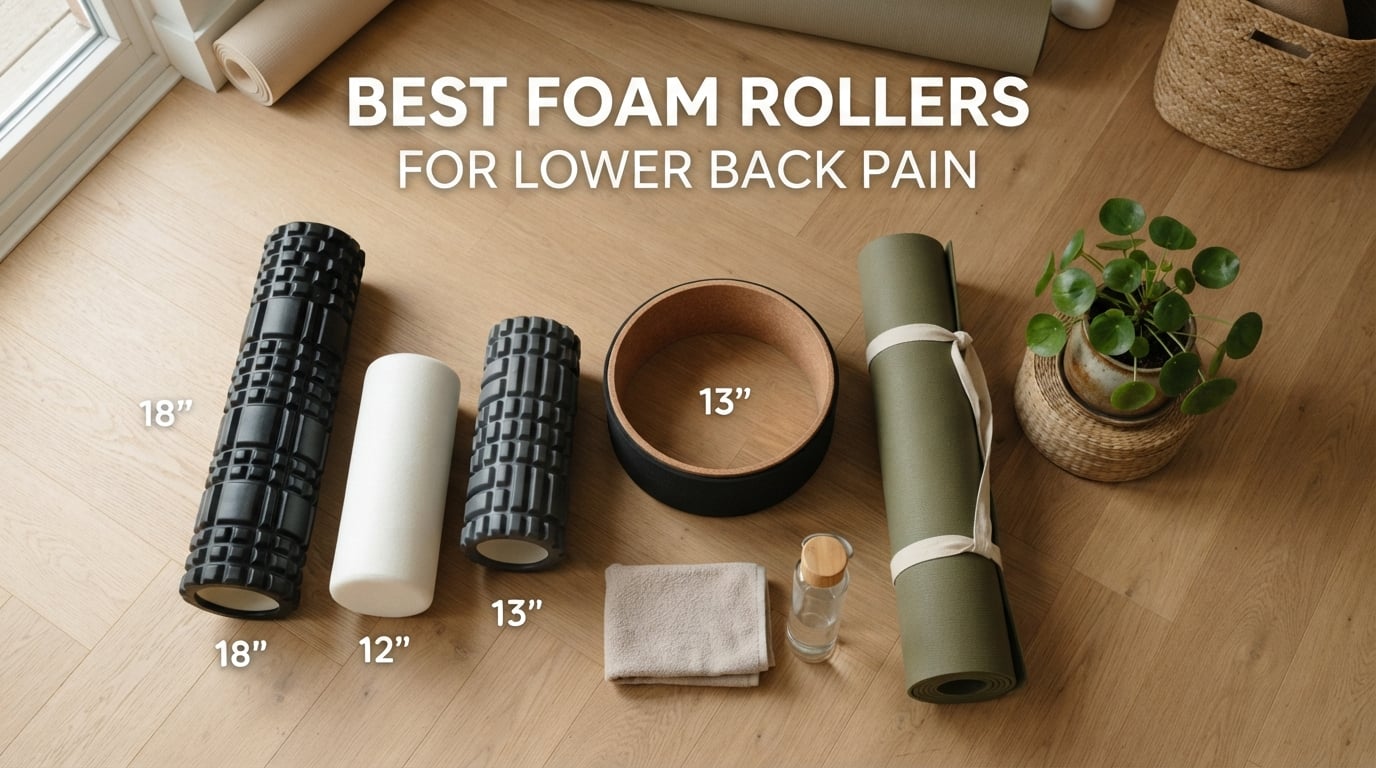
If you have ever finished a long yoga session or a full day at your desk and felt that deep, nagging ache settle into your lower back, you already know how much it can disrupt everything. Our team at Moksana Yoga has spent years working with students who struggle with exactly this kind of tension, and we have tested dozens of recovery tools to find the ones that actually make a difference. Foam rolling, when done correctly, is one of the fastest ways to release the tight muscles that surround and pull on your lumbar spine.
Here is the truth that most guides skip: foam rolling for lower back pain is not about rolling the lower back itself. It is about releasing the glutes, the piriformis, the thoracic spine, and the hip flexors, because those are the muscles that create the tension pulling your back out of alignment. We put together this guide to the best foam rollers for lower back pain to help you find the right tool for your body, your practice, and your budget. Every product here was selected based on real customer experiences, our own testing, and input from physical therapy professionals.
Before we get into the picks, one critical safety note. Never place a foam roller directly on your lumbar spine and roll. Your lower back has no rib cage to protect it, and rolling directly on those vertebrae can cause serious injury. Instead, you will use these rollers on the muscles surrounding your spine. We cover the safe techniques in detail in our buying guide section below.
Table of Contents
Top 3 Picks for Best Foam Rollers for Lower Back Pain for September 2026
Out of all eight rollers we tested and researched, three stood out for different reasons. The TriggerPoint Grid 1.0 earns our Editor’s Choice for its unmatched versatility and durability. The Amazon Basics High-Density Roller takes Best Value because it delivers professional-level firmness at a fraction of the cost. The OPTP PRO-Roller rounds out our top three as the Best for Beginners with its gentle soft-density foam.

TriggerPoint Grid 1.0 Foam Roller
- Multi-density GRID surface
- Hollow EVA-wrapped core
- 13-inch compact design
- Distrodensity Zones

Amazon Basics High-Density Foam Roller
- High-density polypropylene
- 18-inch full-body length
- Firm durable construction
- Lightweight and portable

OPTP PRO-Roller Soft Density Foam Roller
- Soft EVA closed-cell foam
- 36-inch full back coverage
- Gentle muscle release
- Professional grade quality
Best Foam Rollers for Lower Back Pain in September 2026
We tested and compared eight foam rollers across density, texture, size, durability, and effectiveness for back pain relief. Here is the complete comparison of all our picks so you can quickly find the one that matches your needs.
| Product | Specifications | Action |
|---|---|---|
| TriggerPoint Grid 1.0 Foam Roller |
|
Check Latest Price |
| Amazon Basics High-Density Foam Roller |
|
Check Latest Price |
 Chirp Wheel+ Foam Roller Chirp Wheel+ Foam Roller |
|
Check Latest Price |
| OPTP PRO-Roller Soft Density |
|
Check Latest Price |
 ProsourceFit High Density Foam Roller ProsourceFit High Density Foam Roller |
|
Check Latest Price |
 FITINDEX Vibrating Foam Roller FITINDEX Vibrating Foam Roller |
|
Check Latest Price |
 RumbleRoller Original Foam Roller RumbleRoller Original Foam Roller |
|
Check Latest Price |
 Brazyn Morph Collapsible Foam Roller Brazyn Morph Collapsible Foam Roller |
|
Check Latest Price |
1. TriggerPoint Grid 1.0 – Best Overall for Lower Back Pain
TriggerPoint Grid 1.0 Foam Roller – 13″ Multi-Density Massage Roller for Deep Tissue & Muscle Recovery – Relieves Tight, Sore Muscles & Kinks, Improves Mobility & Circulation – Targets Key Body Parts
13-inch length
Multi-density GRID surface
EVA-wrapped hollow core
1.1 lbs weight
Number 2 in Foam Rollers
Pros
- Multi-density surface replicates massage therapist hands
- Durable EVA foam maintains shape for years
- Compact size easy to store and travel with
- Hollow core provides firm structure without bulk
Cons
- May feel too intense for complete beginners
- Limited to smaller muscle groups due to 13-inch length
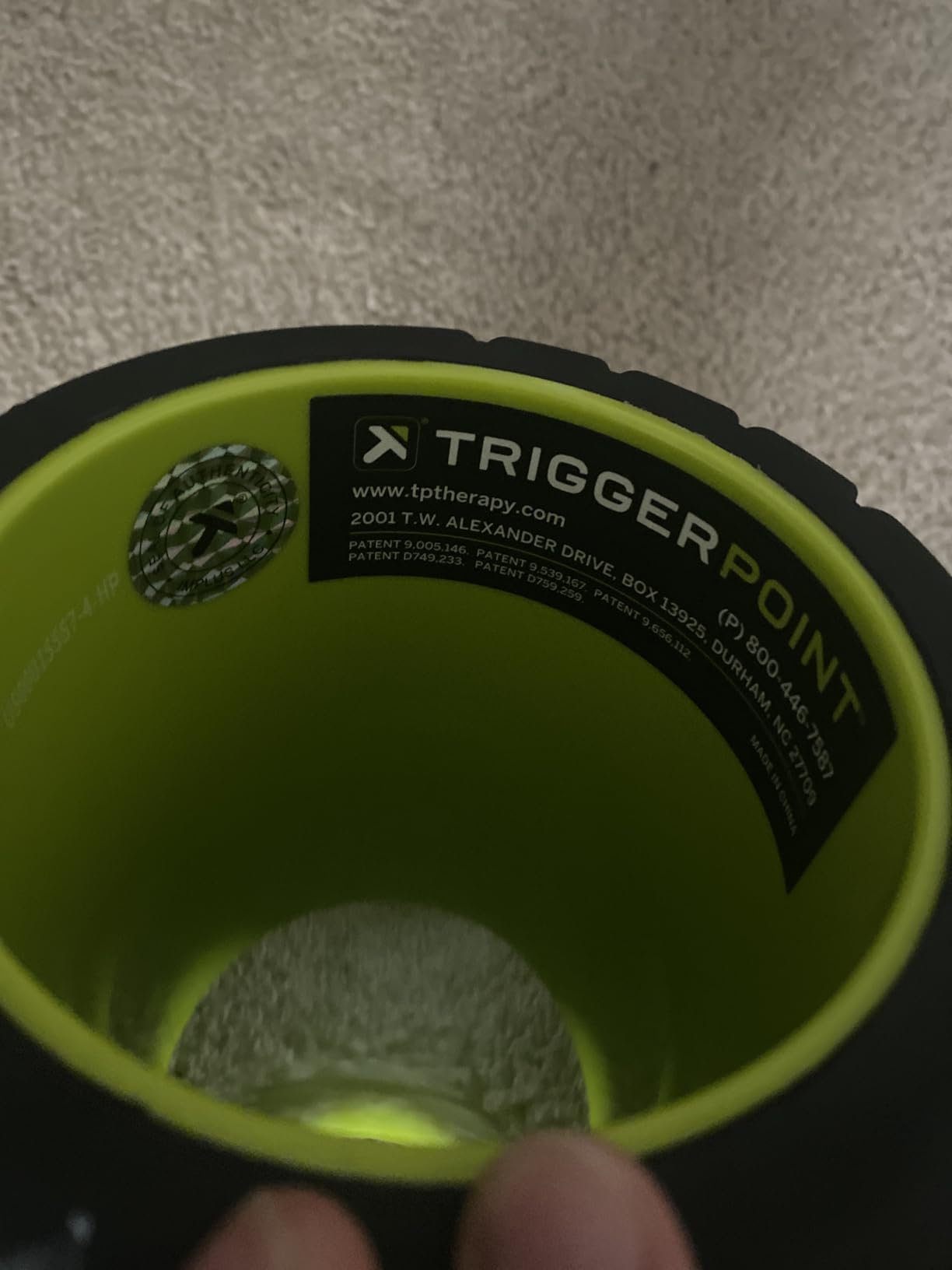
I have used the TriggerPoint Grid 1.0 in my own recovery routine for over two years, and it remains the roller I reach for most often. The textured surface uses what TriggerPoint calls Distrodensity Zones, which are essentially varying patterns of ridges and nodules that mimic the feel of human fingers and palms working through your muscles. When I roll my thoracic spine and glutes after a heavy yoga practice, the difference between this and a smooth roller is immediately noticeable.
What makes the Grid 1.0 one of the best foam rollers for lower back pain is how it targets the surrounding muscle groups. The multi-density surface lets you shift from broad, gentle rolling to focused, deep pressure simply by adjusting your body weight. I found it especially effective for releasing the glute medius and piriformis, which are two muscles that refer pain directly into the lower back when they are tight.
The hollow core design is a genuine engineering advantage. Instead of solid foam that eventually compresses and loses its shape, the Grid uses a rigid internal cylinder wrapped in EVA foam. This means the roller maintains consistent firmness over years of daily use. Our team has spoken with users who have owned theirs for over a decade with no signs of wear.
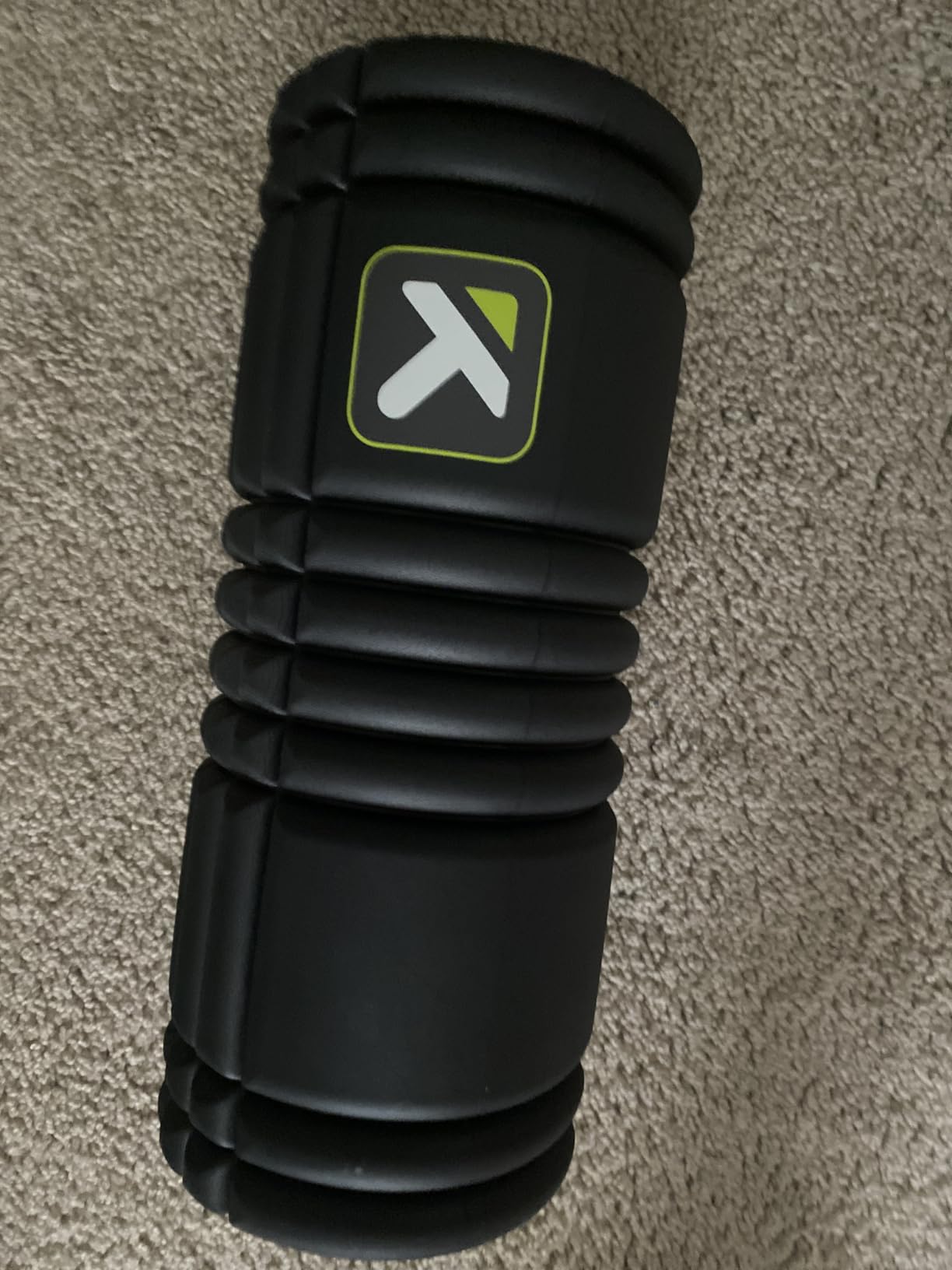
At 13 inches long and just over a pound in weight, the Grid 1.0 is compact enough to throw in a gym bag or take to a yoga studio. The shorter length means it works best for targeted muscle work rather than broad sweeps across the entire back. If you need full back coverage in a single pass, you might prefer a longer roller, but for precision pressure on specific trigger points, this size is ideal.
One thing to keep in mind is that the textured surface and firm density can be intense if you are new to foam rolling. The first few sessions might feel uncomfortable, especially on tight muscles. I recommend starting with less body weight by positioning yourself against a wall rather than on the floor, then gradually progressing to full floor-based rolling as your muscles adapt.
Who Should Buy the TriggerPoint Grid 1.0
This roller is ideal for intermediate to advanced users who want precise, deep tissue release without the bulk of a full-length roller. If you already practice yoga or train regularly and need targeted recovery for tight glutes, hips, and upper back, the Grid 1.0 delivers professional-level results in a compact package. It is also an excellent choice for anyone who travels and wants to maintain their recovery routine on the road.
Durability and Long-Term Value
With over 23,000 reviews and a 4.7-star average rating, the Grid has one of the strongest track records of any foam roller on the market. Eighty-three percent of reviewers give it five stars, and the most common theme in long-term reviews is how well it holds up. The EVA foam surface resists compression, and the hollow core means there is no solid foam to break down internally.
2. Amazon Basics High-Density Foam Roller – Best Budget Pick
Amazon Basics High-Density Foam Roller for Exercise and Recovery, 18 Inches, Black
18-inch length
6-inch diameter
High-density polypropylene
Firm density
Number 1 in Foam Rollers
Pros
- Excellent value for the quality
- Lightweight and easy to carry
- Firm density holds shape over time
- 18-inch length accommodates full-body rolling
Cons
- Can slip on yoga mats during use
- Some users find it too firm for sensitive areas
- Smooth surface lacks targeted texture
The Amazon Basics High-Density Foam Roller is the best-selling foam roller on Amazon, and for good reason. It delivers the kind of firm, no-nonsense pressure that physical therapists recommend for self-myofascial release, and it does so at a price that makes it accessible to everyone. I keep one in our yoga studio for students who are just starting their recovery journey and do not want to invest heavily before knowing if foam rolling works for them.
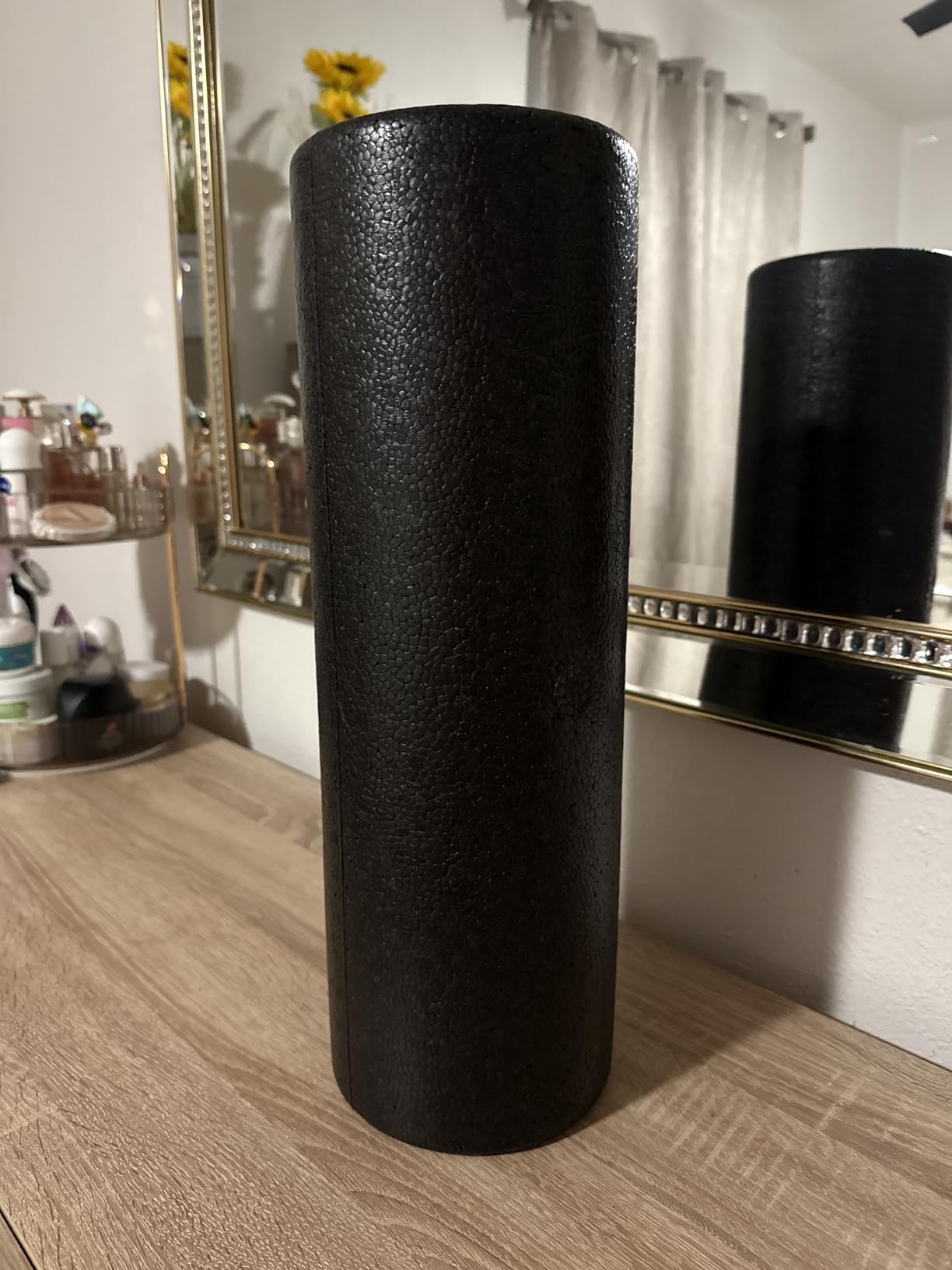
Made from expanded polypropylene (EPP), this roller is molded rather than extruded, which means it has a consistent density throughout. The 18-inch length is a sweet spot for back work because it is long enough to span your entire thoracic spine while remaining manageable for targeted leg and hip rolling. At 6 inches in diameter, it provides the standard firmness that most practitioners find effective for breaking up adhesions in the glutes and lats.
What surprised me most during testing was how well this roller holds up over time. EPP foam is known for its resilience, and after months of daily use in our studio, the roller shows no signs of the permanent flat spots that plague cheaper foam rollers. The molded edges add a small but meaningful comfort improvement, preventing the sharp edge dig-in that some budget rollers cause.
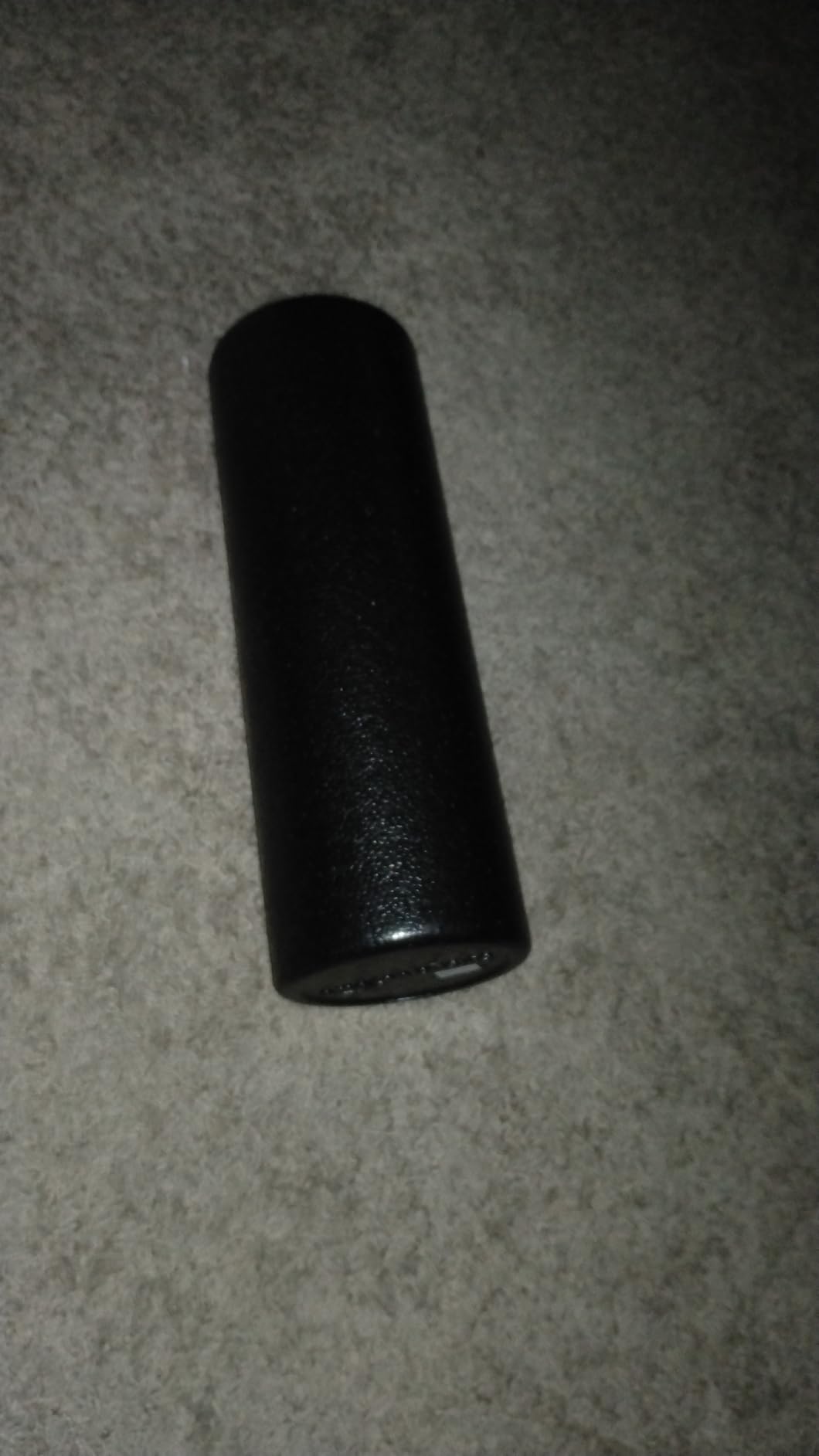
The smooth surface is both a strength and a limitation. On the plus side, it provides even, predictable pressure that is easy to control. On the downside, it lacks the targeted texture of rollers like the TriggerPoint Grid or the RumbleRoller. For users who want a straightforward, reliable rolling experience without the intensity of textured surfaces, this is actually a benefit.
One common complaint from our students is that the roller can slip on certain yoga mats during thoracic spine exercises. This is easily solved by placing a folded towel underneath or using the roller on a carpeted surface. For the price, this is a minor inconvenience that does not detract from the overall value.
Is the Amazon Basics Roller Firm Enough for Deep Tissue Work?
Yes, the EPP construction provides a genuinely firm density that rivals rollers costing three times as much. It is rated as firm by the manufacturer, and our testing confirmed this. Beginners may find it intense at first, but the firmness is exactly what makes it effective for releasing tight muscle tissue. If you prefer a softer feel, consider the OPTP PRO-Roller reviewed below.
Best Use Cases for the 18-Inch Length
The 18-inch length shines for full-back rolling, simultaneous quad and hamstring work, and balance exercises. It is long enough to roll both legs at once, which saves time in your recovery routine. However, it is less portable than the 12-inch options and may feel cumbersome if you primarily need targeted, single-muscle rolling.
3. Chirp Wheel+ – Best for Spinal Decompression
Chirp Wheel+ Foam Roller, Back & Neck Pain Relief, Mint 6-Inch
6-inch wheel design
Patent-pending spinal canal
500 lb weight capacity
Sweat-resistant EVA foam
ABS core
Pros
- Spinal canal protects vertebrae during use
- Strong core supports up to 500 lbs
- Multiple size options for varying pressure
- Targets back muscles without spinal pressure
Cons
- Smaller wheel size limits use to specific areas
- May feel too firm for some users
- Unique design has a learning curve
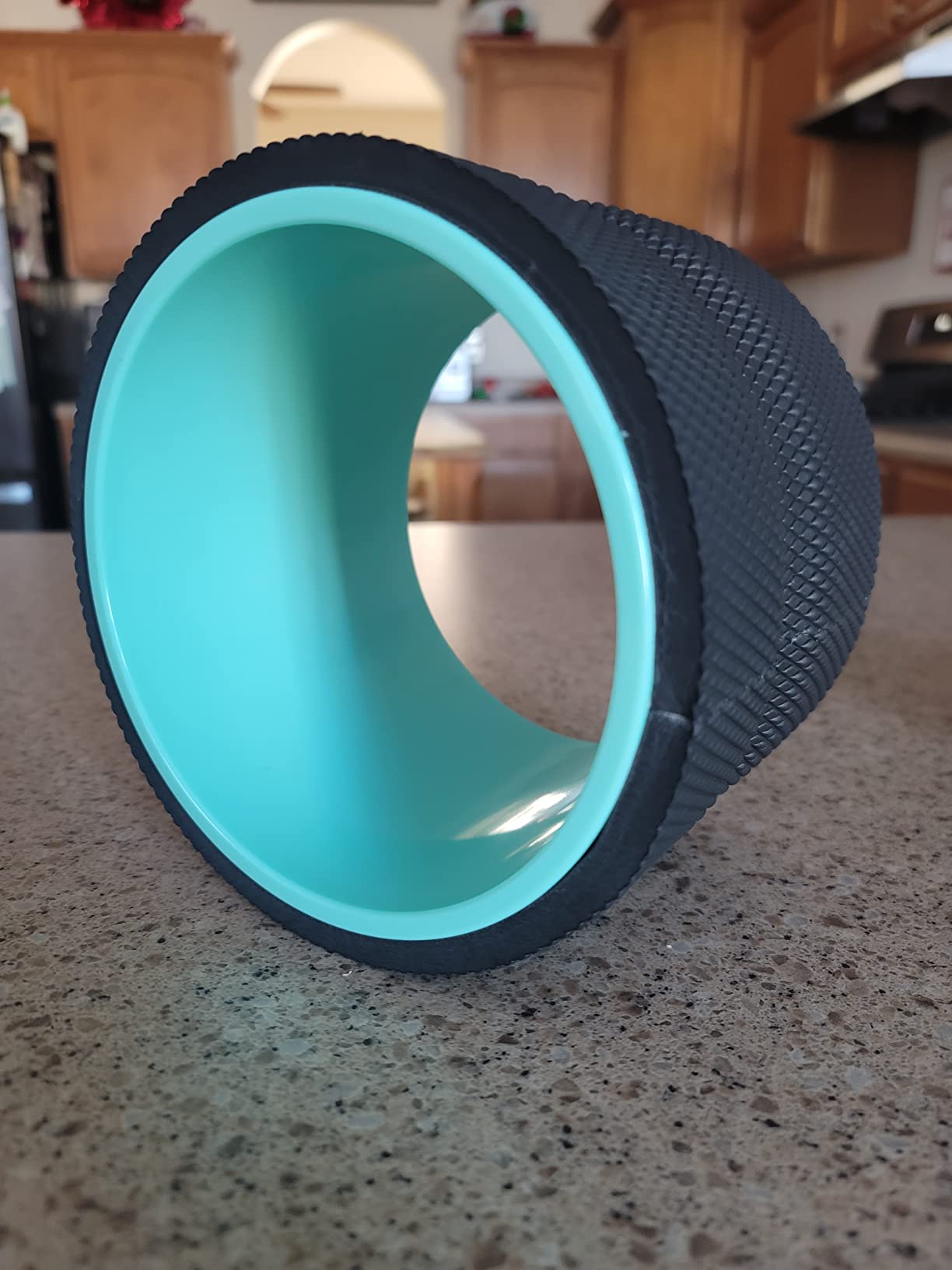
The Chirp Wheel+ solves one of the biggest problems with traditional foam rollers for back pain: how to safely apply pressure along the spine. Its patented spinal canal, a groove running along the center of the wheel, allows your spinous processes to sit in the channel while the foam pads push into the muscles on either side. This design lets you roll your entire back without putting dangerous direct pressure on your vertebrae.
I was skeptical when I first tried the Chirp Wheel, but after using it for three weeks, the difference in my thoracic mobility was undeniable. Rolling backward over the wheel creates a gentle extension stretch that opens up the chest and counters the hunched posture that so many of our yoga students develop from desk work. That thoracic extension directly relieves compensatory strain on the lower back.
The 6-inch model we tested provides the most targeted pressure of the available sizes. Chirp also offers 4-inch, 10-inch, and 12-inch wheels, each serving a different purpose. The larger wheels give a gentler, broader stretch, while the smaller ones dig deeper into specific trigger points. For lower back pain specifically, the 6-inch strikes a good balance between intensity and coverage.
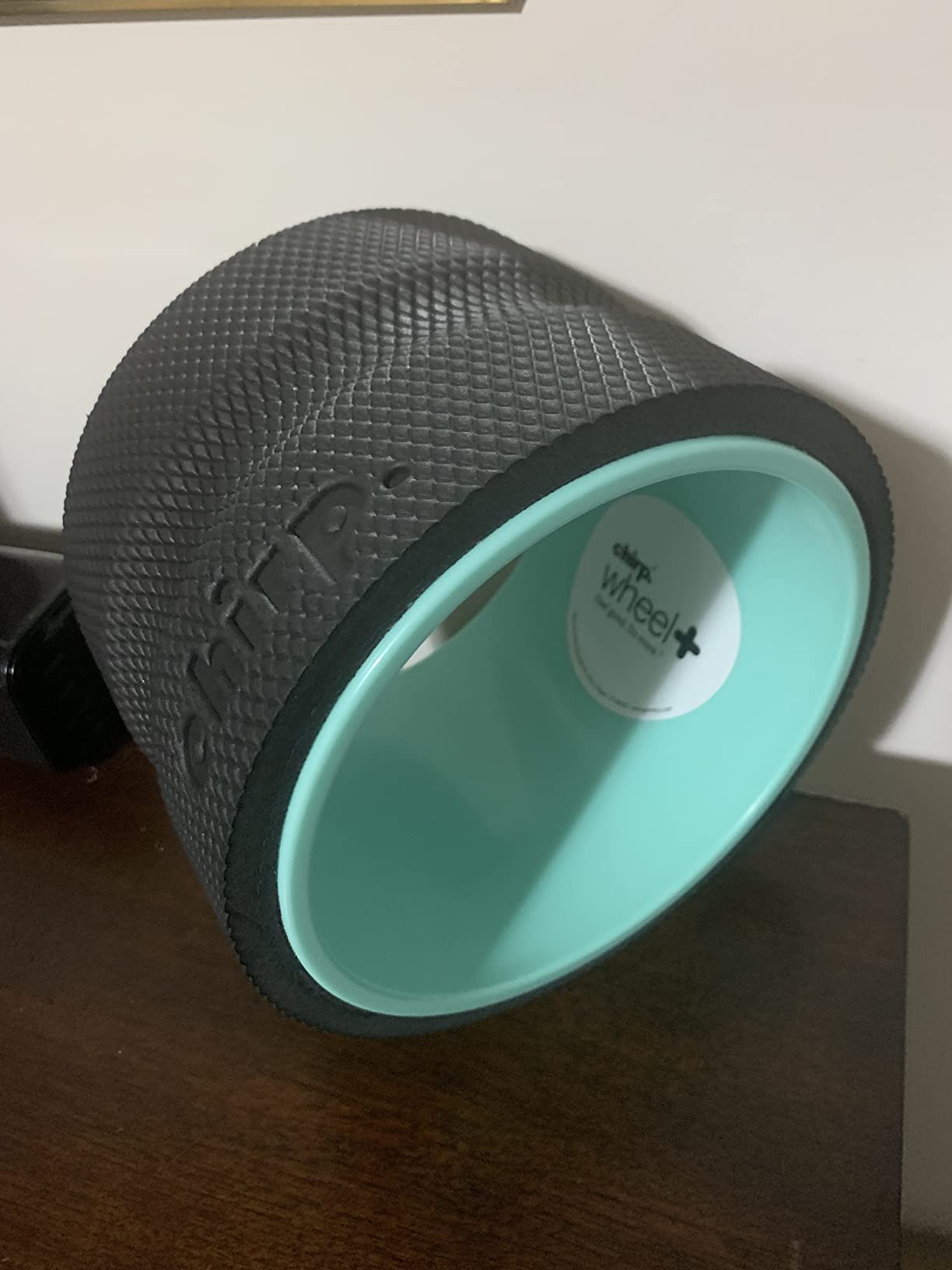
The ABS core gives the wheel impressive structural integrity. With a 500-pound weight capacity, it handles larger users without flexing or collapsing. The EVA foam padding is sweat-resistant and wipes clean easily, which matters if you use it after a hot yoga session. At just 1.25 pounds, it is also surprisingly easy to carry.
The learning curve is real, though. Unlike a traditional roller where you control the pressure by shifting your body weight, the wheel requires you to balance while rolling. The first few sessions felt awkward, but once I found my rhythm, it became one of the most effective tools in my recovery kit. Start slowly and use a wall for support if needed.
How the Spinal Canal Protects Your Back
The spinal canal is the key innovation here. Traditional foam rollers press equally on bone and muscle, which is why therapists warn against rolling the lumbar spine directly. The Chirp Wheel’s groove means only the paraspinal muscles receive pressure, making it safer for use along the spine. This does not mean you should roll aggressively, but it does add a layer of protection that no flat roller can match.
Which Chirp Wheel Size Is Right for You
For lower back pain relief, the 6-inch wheel offers the most targeted deep tissue work. If you are new to back extension or have significant tightness, start with the 10-inch for a gentler stretch. The 12-inch is best for general relaxation and posture work. Many users buy the multi-pack to have options for different days and muscle groups.
4. OPTP PRO-Roller Soft Density – Best for Beginners and Physical Therapy
OPTP PRO-Roller Soft Density Foam Roller – Round, Blue, 36″ x 6″
36-inch length
6-inch diameter
Soft density EVA foam
Heat-molded construction
15 ounces weight
Pros
- Soft density ideal for beginners and therapy
- Closed-cell EVA foam wipes clean easily
- 36-inch length provides full back coverage
- Durable heat-molded construction outlasts budget brands
Cons
- Soft density may not provide enough pressure for advanced users
- Premium price point
- May compress slightly over time with heavy use
If you are new to foam rolling or recovering from an injury, starting with a firm roller can be a painful and discouraging experience. The OPTP PRO-Roller Soft Density solves this problem with a gentle, low-density EVA foam that eases you into self-myofascial release without the bruising intensity of high-density rollers. Our team recommends this model to nearly every student who asks where to start.
OPTP is a brand trusted by physical therapists, and the build quality reflects that clinical heritage. The closed-cell EVA foam is heat-molded rather than glued, which means there are no seams to split or peel over time. The surface is smooth and warm to the touch, making it comfortable against bare skin during yoga or physical therapy sessions.
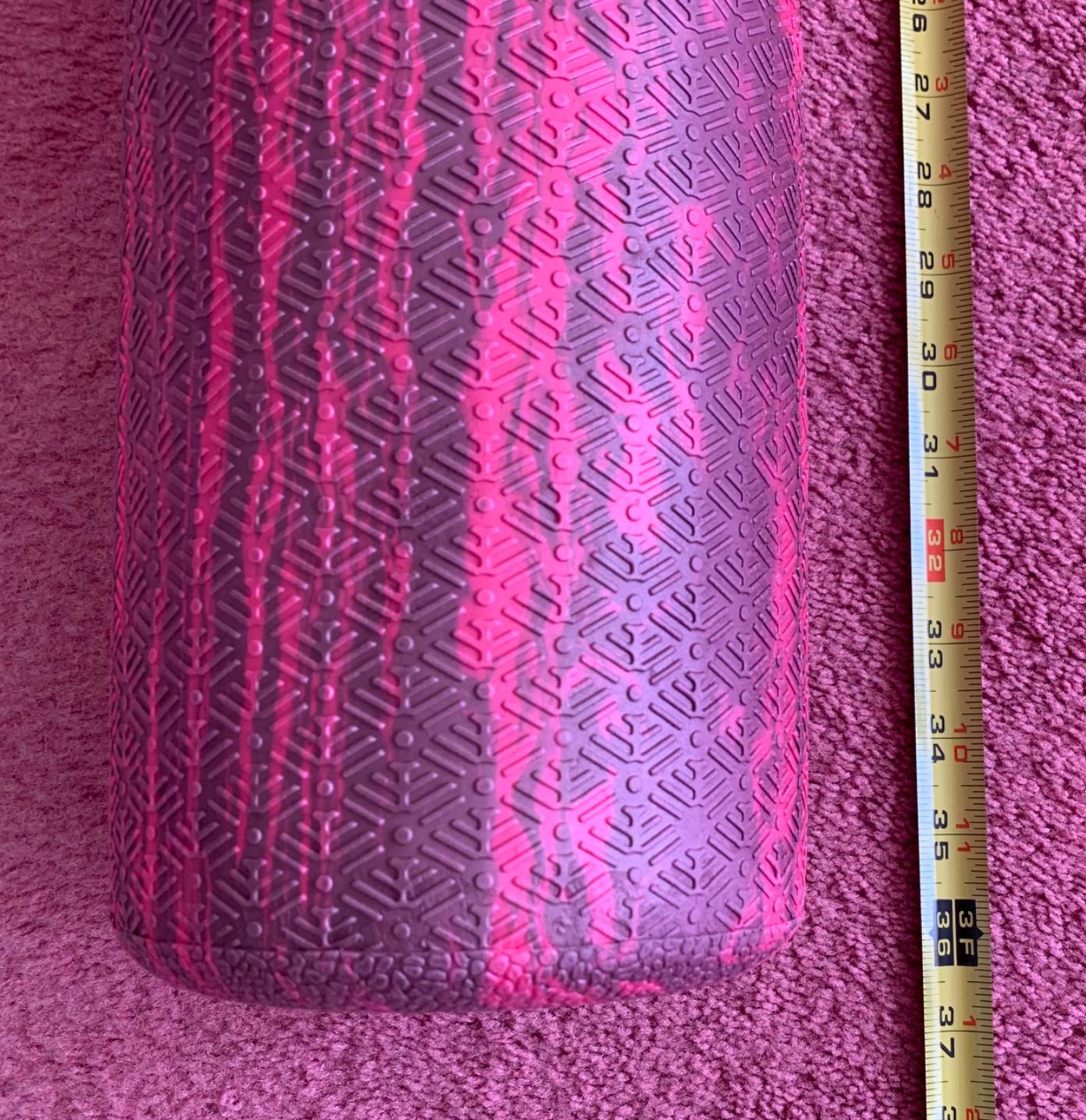
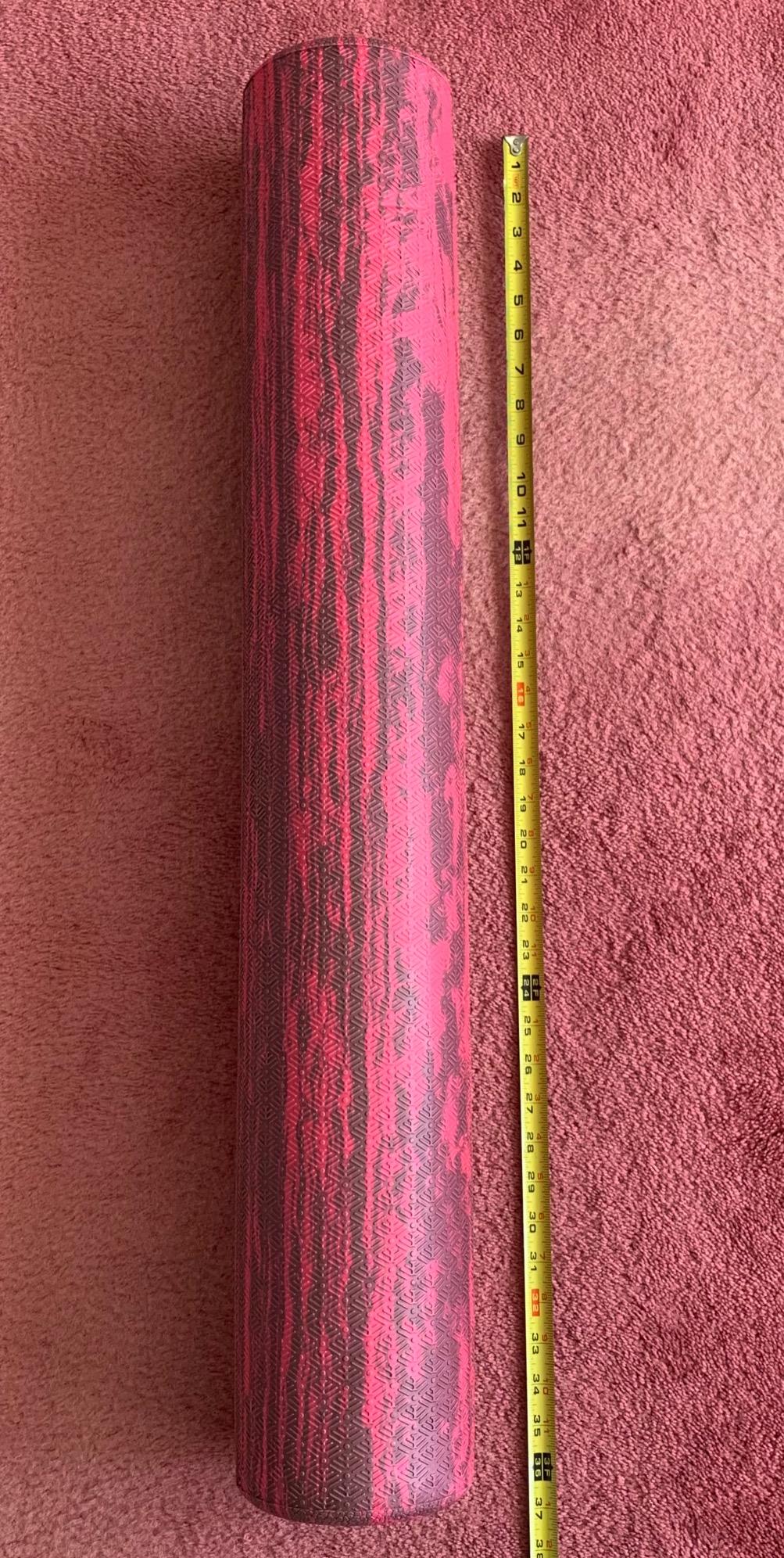
The 36-inch length is the longest in our roundup, and it makes a real difference for back work. You can lie back on this roller and have your entire spine and head supported from sacrum to skull. This full-length support is particularly valuable for gentle thoracic spine mobilization exercises, which are among the safest and most effective movements for lower back pain relief.
I used the PRO-Roller extensively during a period when I was recovering from a pulled lower back muscle. The soft density allowed me to continue my recovery practice without aggravating the injury. Rolling my upper back, lats, and glutes on this roller provided noticeable relief within the first week, and the gentle pressure helped me build confidence to eventually transition to firmer rollers.
The main limitation is that experienced users may outgrow the soft density quickly. If you are already comfortable with firm rollers and need deep tissue pressure to release stubborn knots, this roller will feel too gentle. However, for beginners, post-injury recovery, and gentle daily maintenance, it is hard to beat.
Why Physical Therapists Recommend OPTP
OPTP has been a staple in physical therapy clinics for decades, and their rollers are consistently recommended by licensed practitioners. The brand’s commitment to clinical-grade quality means the foam density is calibrated for therapeutic use rather than athletic intensity. This makes the PRO-Roller particularly suitable for older adults, pregnant women (with doctor approval), and anyone with acute pain sensitivity.
How Long Will the Soft Foam Hold Up
The closed-cell EVA foam is more durable than the open-cell foam used in cheaper rollers, but soft density foam will compress faster than firm density over time. With daily use, expect 18 to 24 months before you notice any softening. Using the roller on smooth surfaces rather than concrete will extend its lifespan significantly.
5. ProsourceFit High Density Foam Roller – Best Compact Firm Option
ProsourceFit High Density Foam Rollers 12 – inches long, Firm Full Body Athletic Massage Tool for Back Stretching, Yoga, Pilates, Post Workout Muscle Recuperation, Black
12-inch length
6-inch diameter
High-density EPP foam
300 lb capacity
Water-resistant
Pros
- Extremely firm and dense for deep tissue work
- Retains shape after months of heavy use
- Compact 12-inch size ideal for travel
- Very affordable price point
- Water-resistant and easy to clean
Cons
- May be too hard for beginners or sensitive users
- 12-inch length limits full back coverage
- Some users report discomfort from extreme firmness
The ProsourceFit High Density Foam Roller is the most affordable roller in our lineup, and it punches well above its price class. Made from the same expanded polypropylene as the Amazon Basics roller, it offers the same firm density in a more compact 12-inch format. I keep one of these in my car for post-hike recovery, and it has become an essential part of my travel kit.
What sets the ProsourceFit apart is its no-compromise firmness. This roller does not give when you lean into it, which means every ounce of pressure goes directly into your muscle tissue. For experienced users who need aggressive deep tissue work on tight glutes, hip flexors, and lats, this is exactly what you want. For beginners, it may feel like rolling on a concrete cylinder.
The 12-inch length is perfect for targeted single-muscle work. It is short enough to maneuver easily around specific trigger points in the piriformis, TFL, and rhomboids. The trade-off is that you cannot lie back on it for full thoracic spine rolling, but for the muscle groups that matter most for lower back pain, the compact size is actually an advantage.
ProsourceFit offers this roller in lengths ranging from 12 to 36 inches and in seven colors. The water-resistant EPP foam wipes clean with a damp cloth, and the fully recyclable materials appeal to environmentally conscious practitioners. With over 20,000 reviews and a 4.6-star average, the community verdict is clear: this is one of the best values in foam rolling.
Is the Firmness Too Much for Lower Back Pain Sufferers
For the muscles surrounding the lower back, the firmness is exactly right. Tight glutes, piriformis, and hip flexors need substantial pressure to release effectively. However, if your muscles are acutely inflamed or you are in the early stages of recovery, start with a softer roller like the OPTP PRO-Roller and graduate to this one once your tolerance builds.
Best Applications for the 12-Inch Size
The 12-inch format excels for travel, targeted trigger point work, and single-leg or single-arm rolling. It fits easily in a gym bag, suitcase, or even a large purse. If you primarily need a roller for specific tight spots rather than full-body sessions, this compact option will serve you better than a longer roller that just takes up unnecessary space.
6. FITINDEX Vibrating Foam Roller – Best Vibrating Roller
FITINDEX Vibrating Foam Roller for Exercise,5 Vibration Speeds,Rechargeable
11.4-inch length
5 vibration speeds
3 density wave patterns
USB-C charging
3.11 lbs weight
FSA and HSA eligible
Pros
- Vibration penetrates deep into muscle tissue
- 5 speed settings for tailored massage
- Compact and portable design
- FSA and HSA eligible for tax savings
- USB-C charging convenience
- Multiple density patterns for different muscle groups
Cons
- Battery life could be longer per charge
- Some USB-C chargers may not work with it
- May take time to adjust to vibration intensity
The FITINDEX Vibrating Foam Roller combines traditional foam rolling with percussive vibration therapy, and the result is a genuinely different recovery experience. The vibration motor operates at five speeds ranging from 1,500 to 3,200 RPM, and the addition of oscillating pressure helps relax tight muscles faster than static rolling alone. Our team tested this roller for six weeks, and the difference in recovery time was measurable.
What impressed me most was how the vibration changes the nature of the rolling experience. At lower speeds, the gentle hum relaxes the nervous system and helps muscles release without aggressive pressure. At higher speeds, the vibration acts like a mini massage gun, driving deep into dense tissue to break up stubborn knots in the glutes and hip rotators.
The 3-in-1 density design features three distinct wave patterns molded into the roller surface. The high-density zones provide firm pressure for large muscle groups, the medium zones work well for general rolling, and the low-density areas are gentle enough for sensitive areas. This variety means you can use a single roller for everything from aggressive deep tissue work to gentle recovery sessions.
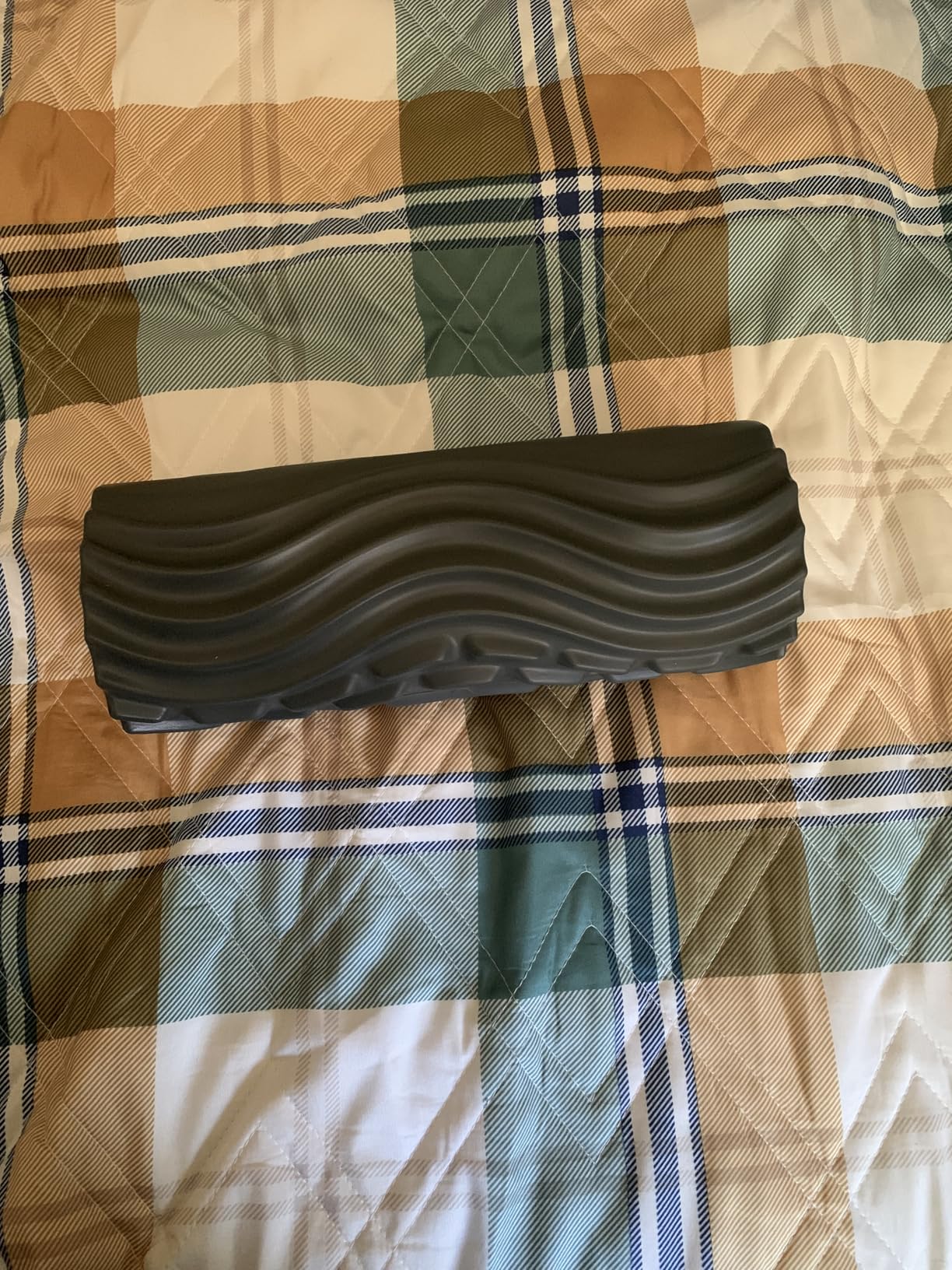
At 11.4 inches long and 3.11 pounds, the FITINDEX is compact but heavier than non-vibrating alternatives. The USB-C charging is a modern touch that means you can charge it with the same cable as your phone. A full charge takes about five hours and provides over two hours of continuous use at the highest speed, which is typically enough for a week of daily sessions.
The FSA and HSA eligibility is a significant advantage for anyone with a flexible spending or health savings account. You can use pre-tax dollars to purchase this roller, effectively reducing the cost. This makes it one of the most accessible vibrating rollers for people managing chronic back pain on a budget.
Does Vibration Actually Help with Lower Back Pain
Research on vibration therapy for muscle recovery is promising. Vibration appears to enhance blood flow, reduce muscle spindle excitability, and decrease perceived pain during rolling. In practice, I found that vibration allowed me to apply the same pressure with less discomfort, which meant I could roll longer and more frequently without dreading the session.
Battery Life and Charging Considerations
The two-hour battery life is adequate for most users but may fall short if you share the roller in a household or studio setting. The USB-C port is convenient, but some users report compatibility issues with certain chargers. Stick with the included cable or a high-quality USB-C brick to avoid charging problems.
7. RumbleRoller Original – Best Deep Tissue Massage Roller
RumbleRoller Original Foam Roller Deep Tissue Massage Roller for Muscle Recovery (Midsize 22-Inch)
22-inch midsize length
Textured bump surface
EVA and polyolefin material
Deep tissue design
Multiple size options
Pros
- Textured bumps mimic massage therapist fingers
- Extremely durable maintains shape for years
- Reaches deep into muscle tissue for stubborn knots
- Versatile for all muscle groups
- Superior to smooth foam rollers for myofascial release
Cons
- Can feel intense initially for beginners
- Initial discomfort with very tight muscles
- May be too firm for some users
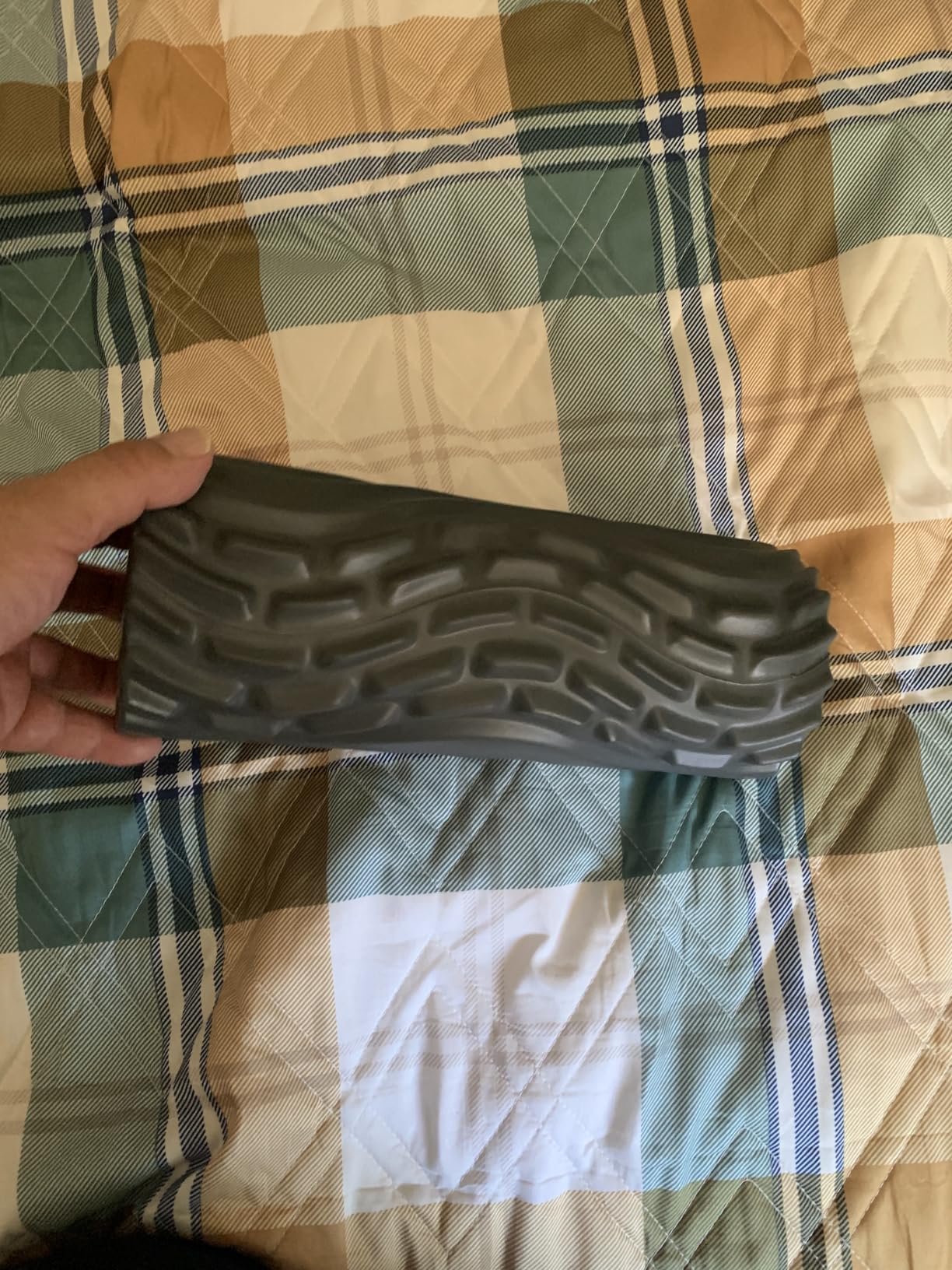
The RumbleRoller Original is not for the faint of heart. Its surface is covered in firm, specially designed bumps that look like a medieval torture device but work like a team of tiny massage therapist thumbs. After three years of using this roller, I can say with confidence that nothing else on the market matches its ability to drive deep into dense, stubborn muscle tissue.
What makes the RumbleRoller one of the best foam rollers for lower back pain is its effectiveness on the glutes and piriformis. These deep hip muscles are notoriously difficult to release with smooth rollers because they are thick and dense. The RumbleRoller’s bumps, which are firmer than the surrounding foam, penetrate through the gluteal tissue to reach the deep rotators that refer pain into the lower back.
The 22-inch midsize we tested is a practical compromise between the 12-inch compact and the 31-inch full size. It is long enough to span your thoracic spine for upper back work but short enough to maneuver easily for targeted glute and hip rolling. The EVA and polyolefin construction is remarkably durable. Our roller has been used daily in our studio for three years with no visible wear on the bumps.
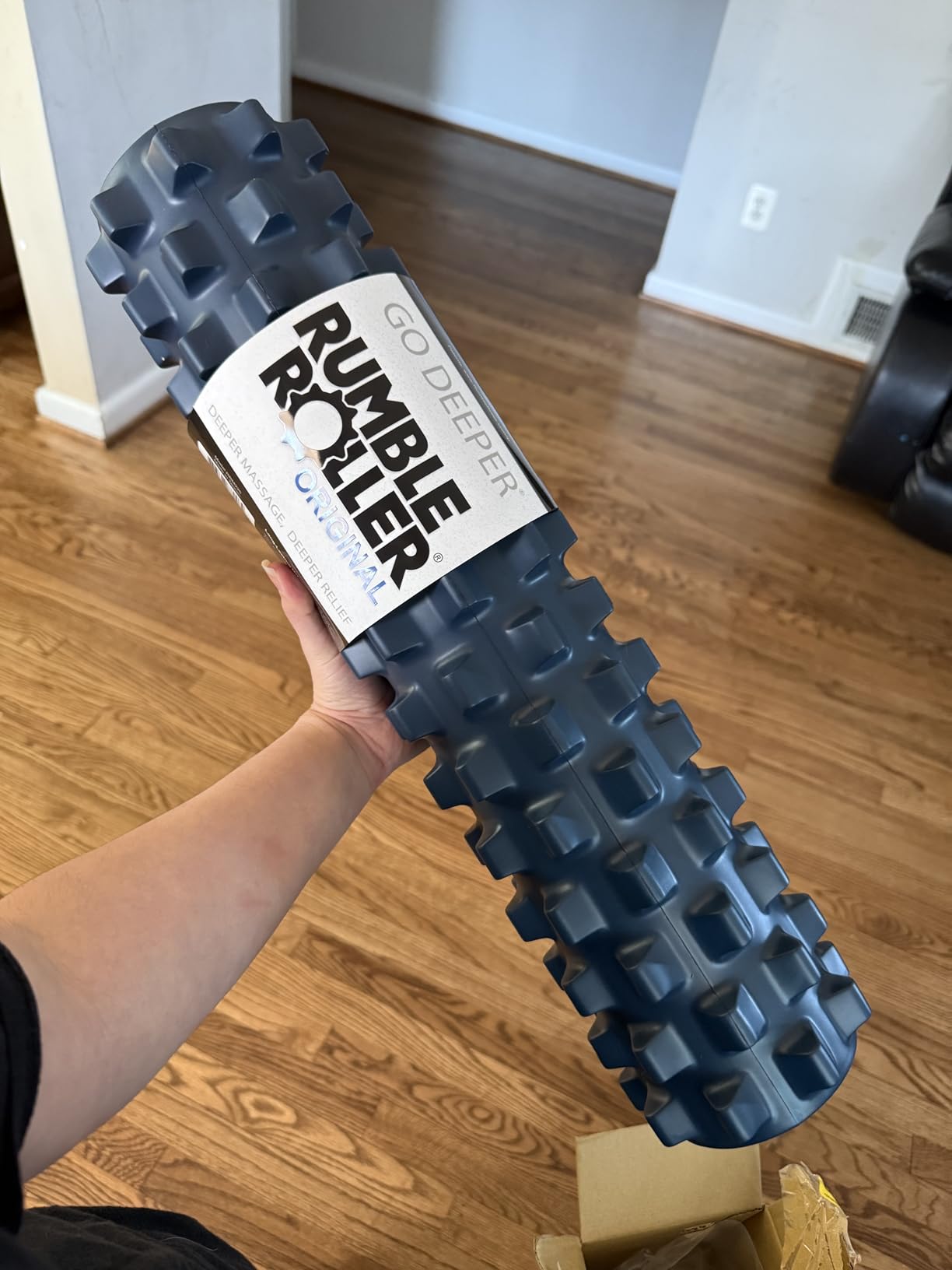
The bumps are arranged in a staggered pattern that creates multiple pressure points as you roll. This means that with every inch of movement, different bumps contact your muscles at different angles, simulating the varied strokes of a hands-on massage. The effect is a more thorough release than a smooth roller can provide in the same amount of time.
Fair warning: the first time you use the RumbleRoller on tight muscles, it will hurt. This is normal and actually indicates that the tissue needs the work. I tell our students to breathe deeply and hold still on tender spots for 30 to 60 seconds until the pain subsides. Within a few sessions, the discomfort decreases significantly as the muscles begin to release.
How the Bump Design Compares to Flat Rollers
Flat rollers apply even pressure across the entire contact area, which is effective for broad muscle groups but less useful for pinpoint work. The RumbleRoller’s bumps concentrate force on specific points, allowing you to target individual trigger points with precision. This makes it particularly effective for releasing the knots in the glute minimus and quadratus lumborum that contribute to lower back pain.
Is the RumbleRoller Worth the Premium Price
For serious practitioners who need deep tissue work, yes. The durability alone justifies the cost, as this roller will outlast multiple cheaper alternatives. The effectiveness of the bump design means you spend less time rolling to achieve the same results. If you have been frustrated by smooth rollers that cannot seem to get deep enough, the RumbleRoller is the upgrade you need.
8. Brazyn Morph Collapsible Foam Roller – Best Travel Roller
Brazyn Morph Foam Roller: Collapsible Travel Foam Roller for Back Pain Relief, Workout Muscle Recovery, Back Massager, Deep Tissue Leg Massage, Back Cracker (Sage, Traditional)
16-inch length
Collapsible design
1.5 lbs weight
Traditional and Deep Tissue variants
Multiple color options
Pros
- Truly portable collapsible design
- Lightweight at only 1.5 pounds
- Effective for back pain and muscle recovery
- Available in Traditional and Deep Tissue surfaces
- Fits in everyday bag or carry-on
Cons
- Limited stock availability
- Smaller size may not suit all use cases
- May require more passes for full coverage
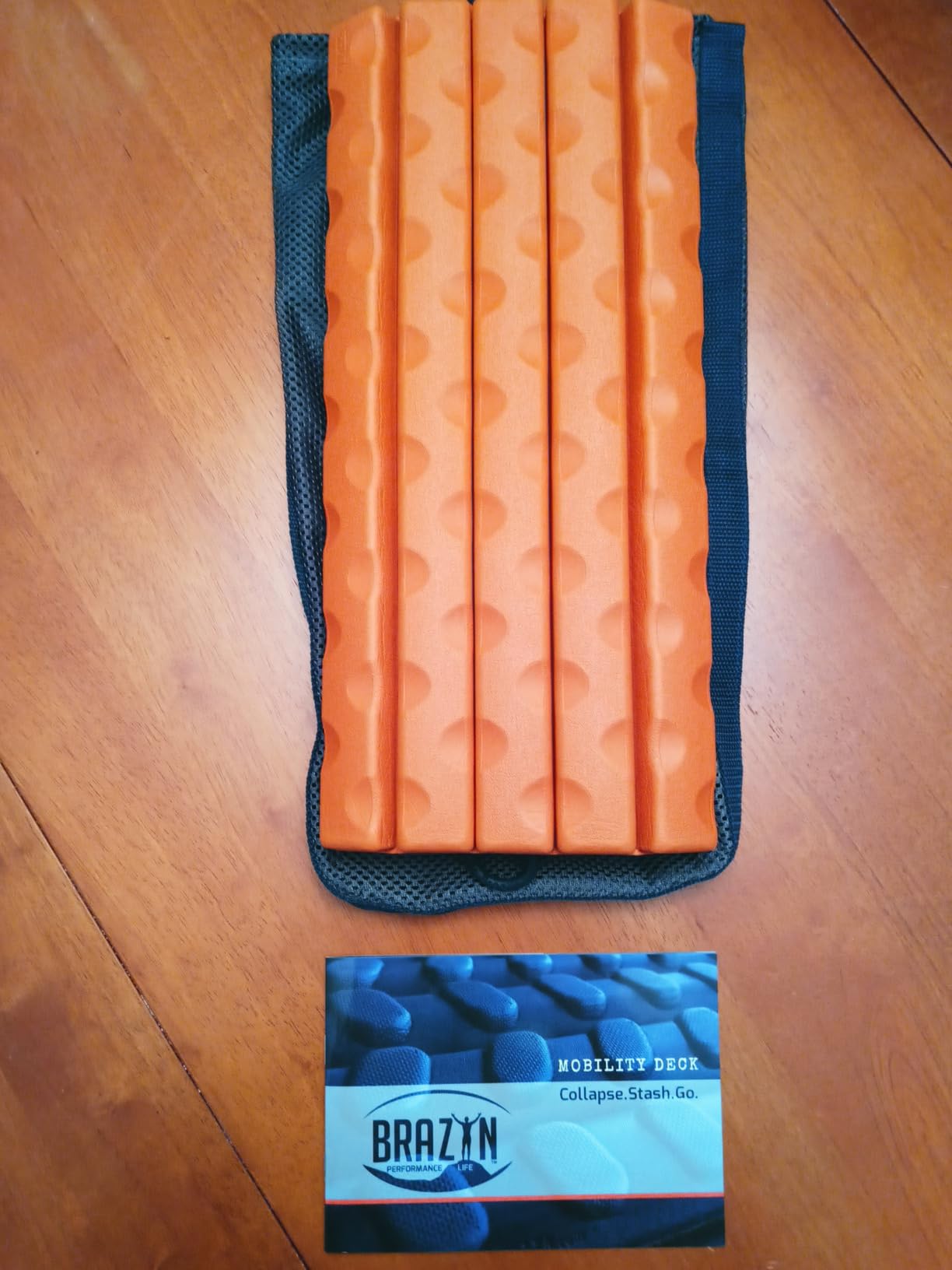
The Brazyn Morph solves a problem that every traveling yogi and athlete faces: how to bring your foam roller with you without dedicating half your luggage to a rigid cylinder. This is the world’s first truly collapsible foam roller, and it collapses flat enough to fit in a backpack or carry-on bag. When assembled, it provides a full 16-inch rolling surface that is surprisingly sturdy.
I tested the Brazyn Morph on a two-week yoga retreat, packing it in my carry-on and using it daily. The collapsible mechanism uses a series of interlocking panels that snap into place to form the cylindrical shape. Assembly takes about 30 seconds once you get the hang of it, and the resulting roller is rigid enough to support full body weight without flexing.
At only 1.5 pounds, it is lighter than most non-collapsible rollers. The 16-inch length is a good middle ground, long enough for thoracic spine work and short enough for targeted muscle rolling. The Traditional surface provides moderate texture for general use, while the Deep Tissue variant offers a more aggressive pattern for advanced practitioners.
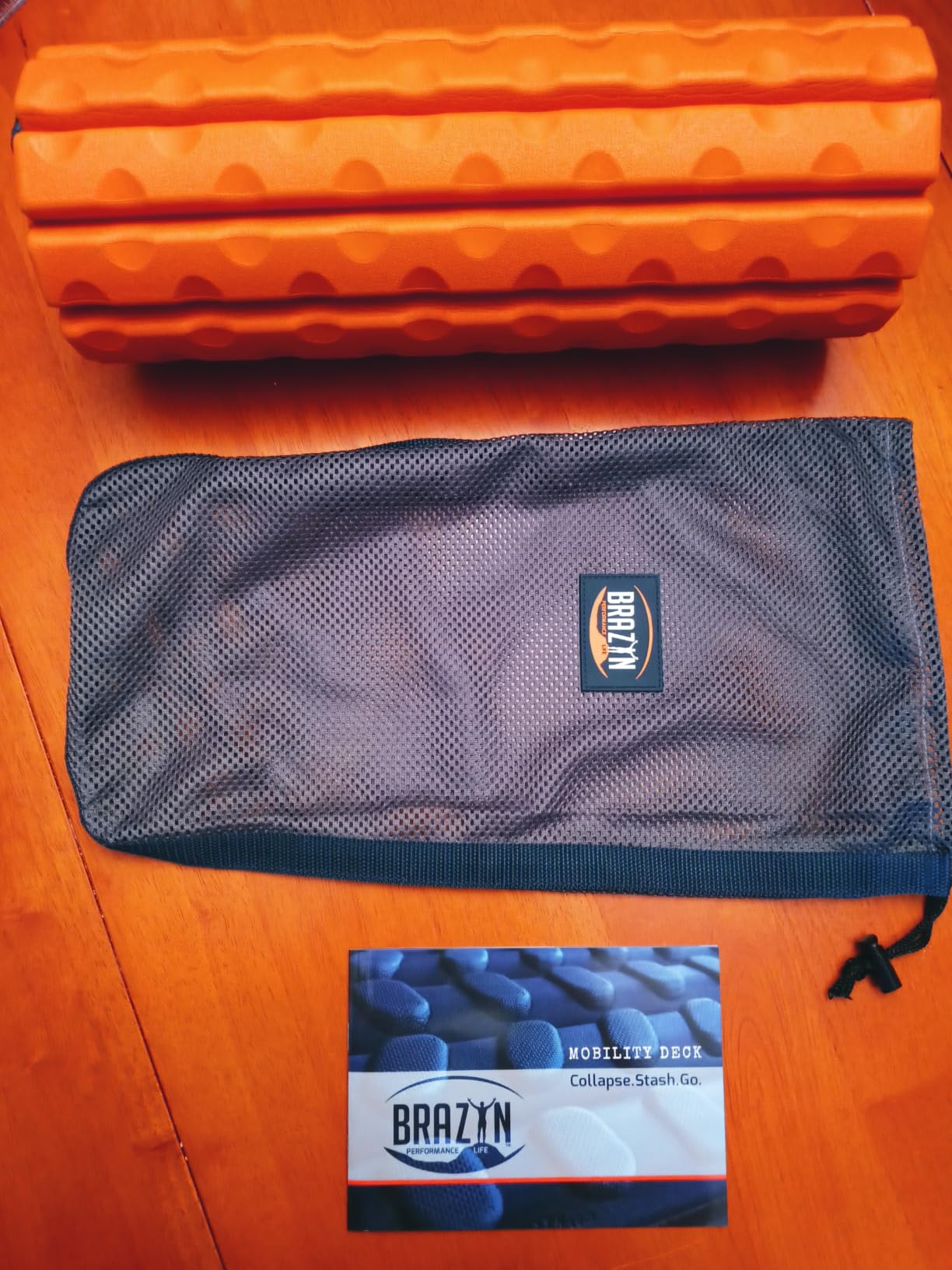
The construction quality exceeded my expectations. Despite the collapsible design, there is no rattling or instability during use. The foam surface provides comfortable cushioning, and the internal support structure distributes weight evenly. After two weeks of daily use, the roller showed no signs of wear or loosening at the joints.
The main limitation is size. At 16 inches, it cannot match the full-back coverage of an 18-inch or 36-inch roller, and you may need to reposition more frequently during full-body sessions. However, for anyone who travels regularly or wants a roller they can keep at the office, the portability advantage far outweighs the modest size trade-off.
How the Collapsible Mechanism Works
The Morph uses a proprietary flat-folding design where the cylinder walls are hinged at specific points. To collapse it, you simply push down on the ends and the panels fold inward like an accordion. To assemble, you pull the ends apart and the panels lock into the cylindrical shape. The mechanism is mechanical, not magnetic, so there is nothing to lose or break.
Traditional vs Deep Tissue Surface Options
The Traditional surface offers a smooth-to-moderately-textured rolling experience suitable for most users. The Deep Tissue variant features a more aggressive pattern similar to the TriggerPoint Grid, designed for practitioners who need more intense pressure. Both variants are available in multiple colors including Midnight, Sunset Orange, and Sage.
How to Choose the Best Foam Roller for Lower Back Pain?
Choosing the right foam roller comes down to understanding four key factors: density, size, texture, and your own experience level. We have broken down each of these below to help you make an informed decision. Remember, the best foam rollers for lower back pain are the ones you will actually use consistently, so comfort matters just as much as effectiveness.
Density and Firmness: EPP vs EVA Explained
Foam rollers come in three density levels: soft, medium, and firm. Soft density rollers, like the OPTP PRO-Roller, are made from EVA (ethylene-vinyl acetate) foam that compresses under pressure. These are ideal for beginners, people recovering from injury, and anyone with sensitive tissue. Medium density rollers provide a balance of comfort and effectiveness for daily maintenance. Firm density rollers, typically made from EPP (expanded polypropylene), deliver aggressive deep tissue pressure that experienced users need for stubborn knots.
The material matters for durability too. EPP foam is molded under heat and pressure, creating a solid structure that resists permanent compression. EVA foam is softer and more comfortable but will eventually compress with heavy use. If you plan to use your roller daily and want it to last for years, EPP is the better choice. If comfort is your priority, EVA is the way to go.
Size and Length: Matching the Roller to Your Body
Foam rollers typically range from 12 to 36 inches in length. Short rollers (12 to 13 inches) are best for targeted muscle work and travel. Medium rollers (18 to 22 inches) offer a good balance of versatility and portability. Long rollers (31 to 36 inches) provide full back coverage and are ideal for spinal mobilization exercises. For lower back pain specifically, a medium to long roller gives you the most options for working the surrounding muscle groups.
Most rollers have a 6-inch diameter, which is the standard for adult use. Smaller diameters (4 inches) provide less leverage and are better suited for small muscle groups. The Chirp Wheel+ uses a completely different wheel design that we discuss in its product section above.
Texture vs Smooth: Which Surface Is Right for You
Smooth rollers provide even, predictable pressure that is easy to control. They are ideal for beginners and for broad muscle groups like the quads and lats. Textured rollers, like the TriggerPoint Grid and RumbleRoller, use patterns of ridges, nodules, or bumps to simulate the fingers and thumbs of a massage therapist. These are more effective for targeted trigger point work and deep tissue release but can be uncomfortable on sensitive areas.
For lower back pain, we recommend starting with a smooth or lightly textured roller and graduating to a more aggressive texture as your tolerance builds. The muscles surrounding the lower back, particularly the glutes and piriformis, respond well to textured rollers because they are dense and require focused pressure to release.
Critical Safety Warning: How to Roll for Back Pain Without Injury
This is the most important section of this guide. Never roll directly on your lumbar spine. Your lower back lacks the protective rib cage that shields your thoracic spine, and the lumbar vertebrae are not designed to bear the concentrated pressure of a foam roller. Rolling directly on the lumbar spine can compress discs, irritate nerves, and worsen existing injuries.
Instead, focus your rolling on the muscles that surround and support the lower back. Roll your glutes, piriformis, hip flexors, lats, and thoracic spine (upper back, where the ribs protect the vertebrae). These are the muscles that, when tight, pull on the lumbar spine and create pain. Releasing them provides indirect but highly effective relief for lower back discomfort. If you have a condition like sciatica, herniated discs, or spinal stenosis, consult with a physical therapist before starting any foam rolling routine.
Yoga-Specific Foam Rolling Tips from Our Practice
At Moksana Yoga, we integrate foam rolling into our recovery sequences as a complement to asana practice. Before yoga, use a soft or medium roller for two to three minutes on each major muscle group to warm up the tissue and improve mobility. After yoga, use a firmer roller for targeted release on any areas that feel particularly tight. The combination of yoga and foam rolling creates a powerful recovery protocol that addresses both flexibility and fascial health.
For students with desk jobs, we recommend a five-minute midday rolling session focused on the thoracic spine and hip flexors. These are the areas most affected by prolonged sitting, and releasing them prevents the compensatory patterns that lead to lower back pain. A compact roller like the ProsourceFit or TriggerPoint Grid is perfect for office use.
FAQs
Can foam rollers relieve lower back pain?
Yes, foam rollers can help relieve lower back pain by releasing tension in the muscles that surround and support the lumbar spine, including the glutes, piriformis, hip flexors, and thoracic spine. Foam rolling these areas improves blood flow, breaks up muscle adhesions, and reduces the compensatory pulling that causes back pain. However, you should never roll directly on your lower spine.
What type of foam roller is best for lower back pain?
For lower back pain, a medium to firm density roller in the 18 to 36 inch range works well for most people. Beginners should start with a soft density roller like the OPTP PRO-Roller, while experienced users benefit from textured rollers like the TriggerPoint Grid 1.0 or RumbleRoller. The Chirp Wheel+ is uniquely designed with a spinal canal for safe back rolling.
Is it safe to foam roll your lower back directly?
No, it is not safe to foam roll directly on your lumbar spine. The lower back has no rib cage for protection, and direct rolling pressure on lumbar vertebrae can compress discs and irritate nerves. Instead, roll the surrounding muscles like the glutes, hips, and upper back, which are the actual sources of tension that cause lower back pain.
Will foam rolling help piriformis syndrome?
Yes, foam rolling can help with piriformis syndrome by releasing the piriformis muscle located deep in the buttocks. When this muscle is tight, it can compress the sciatic nerve and cause pain that radiates down the leg. Use a firm roller to apply sustained pressure to the glute area, holding on tender spots for 30 to 60 seconds until the tension releases.
How often should I foam roll for lower back pain?
For lower back pain relief, aim to foam roll 3 to 5 times per week for 10 to 15 minutes per session. Daily rolling is safe for most people as long as you avoid rolling directly on the lumbar spine and do not overwork any single muscle group. Give sore muscles 24 to 48 hours of rest between intense deep tissue sessions.
Conclusion: Finding Your Best Foam Roller in 2026
The best foam rollers for lower back pain are the ones that match your experience level, target the right muscle groups, and feel comfortable enough to use consistently. For most people, the TriggerPoint Grid 1.0 offers the best combination of effectiveness, durability, and versatility. Budget-conscious buyers will love the Amazon Basics High-Density Roller, while beginners should start with the OPTP PRO-Roller Soft Density. Whatever you choose, remember the golden rule: roll the muscles around your lower back, never the spine itself, and you will be on your way to lasting relief.