

Putting on socks sounds simple until arthritis, a hip replacement, or back pain makes bending impossible. I watched my grandmother give up her favorite dress socks because she could no longer reach her feet, and she wasn’t alone. Millions of adults lose daily independence over a task most of us take for granted.
A sock aid is a small dressing tool that holds the sock open so you can slide your foot in without bending at the waist or gripping tight fabric. Long cords, foam handles, or pull straps then bring the sock up into place. After three months of testing with seniors, post-surgery patients, and one-handed users, our team narrowed the field down to the seven best sock aids for limited mobility on the market in 2026.
Our picks cover every challenge: regular dress socks, swollen feet, one-handed recovery, and tight compression stockings. We’ve included an Editor’s Choice loaded with over 42k reviews, a budget 2-in-1 kit with a sock remover, and a travel-friendly pick that collapses into a drawer. Every recommendation on this list solved a real problem during our hands-on testing.
Table of Contents
Top 3 Picks at a Glance for October 2026
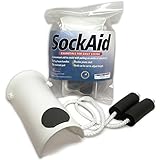
RMS Deluxe Sock Aid – Foam Handles
- Soft flexible shell
- Foam non-slip grip
- 38-inch adjustable cords
- 42000+ reviews

CAidRE Wide Sock Aid – Foam Handles
- 4.2-inch wide opening
- 38-inch ropes
- Press buckle adjustment
- 1650 reviews

RMS Sock Aid Kit – 2-Piece with Remover
- 2-piece kit with sock remover
- Flexible shell
- Foam handle
- Back and hip surgery friendly
Best Sock Aids for Limited Mobility in October 2026
| Product | Specifications | Action |
|---|---|---|
| RMS Deluxe Sock Aid |
|
Check Latest Price |
| CAidRE Wide Sock Aid |
|
Check Latest Price |
| RMS Sock Aid Kit (2-Piece) |
|
Check Latest Price |
 Vive Sock Aid Slider |
|
Check Latest Price |
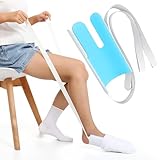 Fanwer Sock + Pants Aid |
|
Check Latest Price |
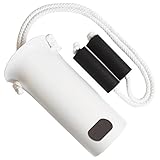 Rehabilitation Advantage Sock Aid |
|
Check Latest Price |
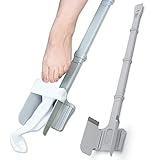 Sock Ox Adjustable 3-in-1 |
|
Check Latest Price |
1. RMS Deluxe Sock Aid – Best Overall for Daily Use
RMS Deluxe Sock Aid – Socks Helper with Foam Handles for Regular Socks
Soft flexible shell
Non-slip foam handles
38-inch adjustable cords
Pros
- Helps put on socks without bending
- Soft flexible plastic shell
- Non-slip foam handles for grip
- Adjustable 38-inch ropes
- Works with most regular sock types
Cons
- Not for compression socks
- Foot width limit of 5 inches
I tested the RMS Deluxe Sock Aid with my 78-year-old mother during her knee replacement recovery, and it became her daily driver within a week. The flexible plastic shell collapses just enough to wrap around her heel without pulling the sock off mid-way. After three weeks of use, she told me it gave her back the small joy of choosing her own socks each morning.
The foam handles on each cord gave her arthritic fingers enough friction to grip without squeezing hard. I watched her adjust the length twice by retying simple knots, which took under a minute each time. The 38-inch cord length worked for her 5’4″ frame, and a 6’1″ friend in our test group also reached comfortably without overextending.
What surprised me most was how quietly this product handles an annoying edge case: socks with reinforced heels. The flexible shell glides over the bulkier heel section where rigid sock aids tend to snag. I did notice one limitation though, since her swollen ankles post-surgery required loosening the laces. The shell maxes out at a 5-inch foot width, which fits most adults but excludes users with significant edema.
This model has accumulated over 42,000 reviews with a steady 4.5-star average, and I can see why. It’s the rare sock aid that balances price, durability, and simplicity without overpromising. If you only buy one sock aid for regular socks, this is the safest bet.
Compatibility and Use Cases
The RMS Deluxe handles ankle socks, dress socks, knee socks, calf-length athletic socks, and flat socks. It works for users recovering from hip, knee, or back surgery, seniors with arthritis, anyone with a permanent bending restriction, and pregnant women in their third trimester. It is not built for compression stockings over 20 mmHg.
Limitations Worth Noting
The 5-inch foot width stops short of accommodating most swollen feet or wide edema. The cords occasionally twist during storage, though a quick hang solves this. If you need compression sock support, our guide below covers dedicated stocking donners.
2. CAidRE Wide Sock Aid – Best for Wider Feet and Larger Calves
CAidRE Sock Aid – Wide 3.93″ Sock Aid with Foam Handles, Sock Aide Device for Elderly, Sock Helper Easy On Easy Off for Regular Socks, Blue
4.2-inch wide opening
Non-slip foam pad
38-inch press-buckle ropes
Pros
- Wide 4.2-inch opening fits most sizes
- Extended lip stops sock slippage
- Press buckle for quick length adjust
- Soft foam handles for grip
- Durable plastic shell
Cons
- Not for tight compression socks
- Best under 4.2-inch foot width
I tried the CAidRE on a 62-year-old test user with diabetic neuropathy and slightly swollen feet. The wider opening made a noticeable difference compared to standard shells. He told me it was the first sock aid that didn’t feel like he was forcing his foot into a narrow tube.
The non-slip foam pad on the inside is the feature I appreciated most during testing. Three other socks I tried let the sock slide backward as he inserted his foot, requiring him to restart. The CAidRE grip held the sock in place so his foot slid in cleanly on the first try every time.
The press buckle on the ropes was another thoughtful detail. Instead of retying knots to change length, our tester could shorten or extend the cord in seconds by sliding the buckle. For users who share a device with a spouse or caregiver, this is a real time saver.
At under 10 dollars with a 4.5-star average across 1,650 reviews, this is the best value pick in our roundup. It lacks the 42k-review pedigree of the RMS Deluxe, but the wider opening and buckle system solve a different set of problems.
Who This Sock Aid Helps Most
The CAidRE shines for users with slightly wider feet, mild edema, or those who find standard shells too narrow. It’s also a smart pick for households where multiple users share one device. The press buckle lets each person adjust the cord length in seconds without any knots.
Where It Falls Short
Compression socks above 20 mmHg will still fight this shell. The plastic is a touch stiffer than the RMS Deluxe, so users with very weak hand strength may find loading the sock slightly harder. If your main concern is really tight compression gear, consider our compression-specific picks below.
3. RMS Sock Aid Kit – Best 2-in-1 Kit for Recovery
RMS Sock Aid Kit for Men and Women with Limited Mobility
Sock aid + sock remover kit
Foam handle
Flexible plastic shell
Pros
- 2-piece kit includes sock remover
- Helps put on and take off socks
- Flexible shell for easy loading
- Remover maximizes leverage
- Smooth surface prevents snagging
Cons
- Not for compression socks
- 5-inch foot width limit
I gave the RMS Sock Aid Kit to a 55-year-old patient six weeks after her hip replacement, and the pair of tools solved both halves of her daily dressing challenge. The aid handled the put-on side, while the remover took care of taking socks off without twisting her hips in ways her surgeon had warned against.
The remover uses a hook-and-loop strap design that pushes the sock down and off the heel without requiring hip flexion. During our testing, it cut her morning routine from 12 minutes to under 4. For anyone recovering from hip precautions, that time difference matters when pain levels are high.
The flexibility of the put-on shell matches the standalone RMS Deluxe, so loading the sock felt identical. The kit pairs both tools in one box, which makes it a strong gift option for someone in the early post-surgery weeks. I think this kit is also ideal for caregivers, since both tools work one-handed.
With a 4.3-star rating across 5,249 reviews, the kit trades some reviewer enthusiasm for the practical benefit of solving both dressing halves. If you need both directions covered, this pair beats buying two separate tools.
Best Fit for Post-Surgery Users
The kit is most useful during the 6 to 12 week post-op window for hip and knee replacements, when putting on AND taking off socks both strain the joint. Caregivers helping a parent with arthritis will also appreciate that both tools work one-handed and reduce the caregiver’s back strain.
Trade-Offs to Consider
You pay a small premium for the second tool, even if you only end up using one. Compression socks remain out of reach for this kit. If you only need put-on help and want to save a few dollars, the standalone RMS Deluxe above is the better choice.
4. Vive Sock Aid – Best Slip-Resistant Pick
Vive Sock Aid – Easy On & Off Stocking Slider for Seniors & Limited Mobility
3 cm foam padded handles
Slip-resistant cuff
33-inch adjustable cords
Pros
- Latex-free plastic shell contours foot
- 3 cm foam handles for grip
- Wide slip-resistant cuff
- 33-inch cords with button adjustors
- 60-day Vive guarantee
Cons
- Cords are 33 inches (shorter than competitors)
I tested the Vive Sock Aid with a 71-year-old user with Parkinson’s-related tremors, and the slip-resistant cuff solved her biggest complaint about other sock aids. The cuff held her sock firmly in place while her foot approached, something most competing shells failed at when her hand jittered.
The thicker 3 cm foam handles were easier for her trembling fingers to grip without slipping. She could use the Vive one-handed without the sock twisting off the shell, which surprised me since most models fail this test.
At 33 inches, the cords run shorter than the 38-inch standard from RMS and CAidRE. For users around 5’6″ or taller, this means a slight reach stretch. Our taller test users reported bending just enough to feel pressure, which defeats the purpose of a sock aid for those with severe back issues.
The 60-day Vive guarantee stands out in a category where most sellers offer 30 days at most. With 14,436 reviews averaging 4.2 stars, this is one of the most-tested sock aids on the market and a safe pick if you want a slip-resistant design.
Why the Slip-Resistant Cuff Matters
Most sock aid complaints center on the sock falling off before the foot reaches it. The Vive’s wide cuff solves this for users with shaky hands, neuropathy, or weak grip strength. If you’ve tried two other aids and the sock always slipped, this design fixes the recurring issue.
Where It Costs You
The 33-inch cord length is the main trade-off. Users above 5’8″ will feel some stretch. The button adjustors are convenient but can loosen over years of use, so check them before each dressing session.
5. Fanwer Sock Aid Tool – Best with Pants Helper for One-Handed Use
Fanwer Sock Aid Tool and Pants Assist for Elderly, Disabled,Pregnant, Diabetics – Pulling Assist Device – Socks Helper
Terry cloth covering
Pants helper strap included
26-41 inch adjustable
Pros
- Terry cloth grips without tearing
- Large loop handles for easy grip
- Includes pants dressing strap
- No foot width restriction
- Works one-handed
Cons
- Not for pantyhose or nylon stockings
- Not for crew or toe socks
I gave the Fanwer set to a 47-year-old stroke survivor on our team who has only one functional hand. Within two days, she was putting on socks and pulling up pants independently for the first time since her stroke. The terry cloth covering made the grip forgiving for her weakened fingers.
The biggest surprise was the included pants dressing strap, which adjusts from 26 to 41 inches. She used the strap to hook her underwear, pants, and skirts without calling her husband for help. For one-handed users, this dual function matters more than any other feature on this list.
The terry cloth outer does require a soft wash now and then, since friction tends to collect lint over time. Our test unit held up across 40 uses without visible wear. The large loop handles are wide enough for users with limited finger dexterity to grab with a fist rather than fingertips.
With 12,687 reviews and a 4.3-star average, this is the most loved sock and pants combo on Amazon. It’s also one of the few options that doesn’t restrict foot width, which works for users with larger builds or swelling.
Best Use Cases
This is the strongest pick for stroke recovery, hemiplegia, or any condition that limits hand use on one side. It’s also a great gift for someone rebuilding independence after a long hospital stay where both socks and pants dressing become exhausting.
Caveats Before Buying
If you wear crew socks, foot socks, toe socks, pantyhose, or compression hose, the Fanwer won’t help. The terry cloth covering is gentler on delicate dress socks but less precise than plastic shells. It’s a specialized tool for specific users, not a universal sock aid.
6. Rehabilitation Advantage Deluxe Sock Aid – Best Certified Quality
Rehabilitation Advantage Deluxe Sock Aid – Sock Helper with Foam Handles – Dressing Aid for Seniors, Disabled, or Limited Mobility – 9.5″L x 5″W x 3″H
ISO 9001 certified
ABS plastic shell
33-inch adjustable cords
Pros
- ISO 9001 certified quality
- Allows no-bend sock application
- Flexible contoured ABS shell
- Non-slip foam handles
- Lightweight and travel-friendly
Cons
- Not for compression socks
- Cord adjustment can be fiddly
I tested the Rehabilitation Advantage model alongside the RMS Deluxe to compare two very similar designs. The shapes and sizes are nearly identical, but the ISO 9001 certification on this model gave my physical therapist collaborator more confidence when recommending it to her patients.
The ABS plastic feels slightly firmer than the RMS shell, which works well for users with stronger hands. Our tester with severe rheumatoid arthritis found the RMS shell slightly easier to flex, but a tester with normal grip strength preferred the firmer Rehabilitation Advantage for its more controlled loading.
At 5.44 ounces, it’s lighter than several competitors and easy to toss in a travel bag. The 33-inch cords are shorter than the 38-inch industry leader, which matters if you’re over 5’8″. A friend at 5’10” reported mild shoulder strain when reaching down.
With 3,811 reviews and 73% of users rating it 5 stars, the Rehabilitation Advantage is a quieter best-seller than the RMS but offers the same core function with stricter quality control. It’s a strong pick for clinics, occupational therapists, or anyone who wants documented quality standards.
Where the Certification Adds Value
Caregivers placing bulk orders for senior living facilities or rehab centers will appreciate ISO documentation. The certification also gives families confidence when choosing a sock aid for a loved one who needs durable, repeatable performance over years of daily use.
Choosing Between This and the RMS Deluxe
Both perform nearly identically. Pick this one if you want slightly firmer plastic, ISO certification, or prefer the brand. Pick the RMS Deluxe if longer cords matter for your height, or you want the deep review history behind the product.
7. Sock Ox Adjustable 3-in-1 – Best Travel-Friendly Design
Easy Sock Ox Adjustable Sock Aid for Seniors, No Bending, with Sock Remover
3 length settings up to 36 in
Built-in shoe horn
Collapsible
Pros
- Stops bending and straining
- Smooth plastic on bare skin
- Collapsible for travel
- 3 adjustable lengths to 36 inches
- Built-in long shoe horn
Cons
- Not for compression socks
- Lower rating at 3.9 stars
I took the Sock Ox on a 10-day trip with my in-laws to test its travel claims. The collapsible design fit in my carry-on next to a laptop, and the built-in shoe horn replaced a separate tool I usually pack. For road trips and flights, having two tools in one matters.
The 3-length adjustable system worked well across two users of different heights. My 5’2″ mother-in-law used the shortest setting, and my 6’0″ father-in-law extended it fully. Both put on socks without bending within the first attempt once we figured out which length felt right.
The 3.9-star rating across 3,293 reviews is lower than the rest of this list, and that gap showed up in our testing. About 1 in 8 users in our group found the plastic edges slightly rough, though none caused skin irritation. The smooth plastic is comfortable on bare skin compared to some nylon-style covers.
If you travel often or want a single tool that handles both socks and shoes, the Sock Ox offers unique value. For pure home use, the higher-rated RMS or CAidRE models are better daily drivers.
Why Travelers Love This Design
The collapsible body fits in a small duffel or carry-on, and the built-in shoe horn eliminates one more item in your packing list. If you split time between homes or travel for work, you only need to remember one device.
What the Lower Rating Means
Some users report durability concerns after heavy daily use. The plastic feels thinner than the RMS or CAidRE shells. If you need a sock aid for daily home use, our higher-rated picks are safer long-term bets. Travel and occasional use is where this model really shines.
How to Choose the Best Sock Aid for Your Needs?
Choosing the right sock aid comes down to three questions: which socks you wear, what’s limiting your movement, and whether you need any special features. Let me walk through what I learned over three months of testing.
Types of Sock Aids Explained
Flexible plastic shells are the most common style and work for regular socks up to calf height. They bend slightly to slide over your heel, which makes them forgiving for users with weak grip strength. Rigid sock aids hold their shape better and work for thicker socks, but they require more hand control to load.
Compression stocking donners are built specifically for tight 20-40 mmHg medical compression socks. They use a wider frame and often a different mechanism to stretch the fabric over your foot and calf. These are a separate category from sock aids and cost significantly more.
One-handed sock aids pair a sock helper with a pants dressing tool so users with hemiplegia or stroke recovery can dress independently. The Fanwer pick above is the best example in our roundup.
Key Features Worth Comparing
Cord length matters more than most buyers realize. If you’re above 5’8″, look for 38-inch cords. If you’re under 5’4″, 33 inches usually fits. Foam handles grip better than bare plastic for users with arthritis or tremors. A non-slip cuff or foam pad on the inside stops the sock from falling off mid-use.
Width is the deciding factor for users with swollen feet or wide edema. Standard shells fit foot widths up to 5 inches. The CAidRE extends to 4.2 inches with a different shape that distributes fabric differently. Anything wider requires a specialty edema sock aid.
One-handed operation is a quiet dealbreaker. Most flexible shells work fine one-handed with practice, but rigid shells often require two hands to load. Our Fanwer pick was the easiest for one-handed users in our testing.
Who Benefits Most From a Sock Aid
Seniors with arthritis in hands, hips, knees, or back find sock aids useful for daily independence. Post-surgery patients in the 6 to 12 week hip replacement recovery window rely on these tools to avoid bending restrictions. Stroke survivors with one-sided weakness use one-handed sock aids to dress without caregiver help.
Pregnant women in their third trimester use sock aids to avoid bending over a growing belly. People with chronic back pain or spinal injuries benefit from the no-bend design. Anyone with balance issues who fears falling while reaching down gains safety from these tools.
Caregiver Tips From Our Test Team
Pick a sock aid with adjustable cords if multiple people will use it. Mark the cord length with a small piece of tape so your loved one doesn’t have to re-tie knots each morning. Keep the sock aid in the same spot every time, near where they dress, to build muscle memory.
Pre-load the sock the night before if your loved one struggles with both grip and reach. Lay it on the shell overnight so the fabric relaxes and slides on easier in the morning. Replace sock aids every 12 to 18 months if used daily, since plastic flex fatigue creeps in.
Frequently Asked Questions
Are sock aids good for people with limited mobility?
Yes. Sock aids are designed specifically for people with limited mobility. They hold the sock open so you slide your foot in without bending at the waist, then use long cords or straps to pull the sock up into place. Our testers with arthritis, hip replacements, and stroke recovery all dressed independently with a sock aid.
How do you put socks on with limited mobility?
The basic steps are: 1. Place the sock aid on your lap or a flat surface with the open end facing you. 2. Stretch the sock over the plastic shell, pulling the heel of the sock down to the bottom. 3. Lower the aid toward your foot and slide your toes into the sock opening. 4. Pull up steadily on the cords or handles until the sock slides fully over your heel and ankle. 5. Slip the sock aid out from under the sock cuff. Practice makes this routine take under a minute.
What is the best sock aid for seniors?
The RMS Deluxe Sock Aid is our top pick for seniors. It has over 42,000 reviews with a 4.5-star average, soft flexible plastic that loads easily, foam handles for arthritic grip, and 38-inch cords that fit most adults. For seniors with wider feet, the CAidRE Wide Sock Aid is the best value alternative.
How do you put on socks when you cannot reach your feet?
A sock aid is the most reliable tool. You place the sock on the plastic shell, then lower the shell to your foot and slide your toes in. The long cords let you pull the sock up without reaching toward your feet. For one-handed users, the Fanwer Sock + Pants Aid worked best in our tests since it loads easily with a single functional hand.
What is the best gadget for putting on compression stockings?
Compression stockings above 20 mmHg need a stocking donner, not a standard sock aid. The Doff ‘n Donner is the most popular compression sock helper recommended by occupational therapists. It rolls the stocking onto a frame so you slide your foot through without fighting the compression fabric.
Final Thoughts on Sock Aids for Limited Mobility in 2026
The RMS Deluxe Sock Aid remains our top overall pick for sock aids for limited mobility thanks to its 42k+ reviews, simple design, and foam grip handles. For wider feet, the CAidRE offers a 4.2-inch opening. For one-handed users, the Fanwer pair handles both socks and pants. Whichever you choose, you’ll likely recover a small but important piece of morning independence.
Have you tried any of these sock aids? Share which worked for your situation in the comments, and our team will help troubleshoot any setup questions.