
I spent three months testing barefoot shoes for balance and mobility, wearing each pair through yoga sessions, gym workouts, trail walks, and long days on my feet. What I learned surprised me. The right pair of minimalist footwear can genuinely change how your body connects to the ground.
Barefoot shoes are designed to mimic natural foot function with thin flexible soles, zero heel-to-toe drop, and wide toe boxes that let your toes splay naturally. When you remove the thick cushioning and heel elevation found in conventional shoes, your feet start communicating with your brain again. That feedback loop is proprioception, and it is the foundation of balance.
Our team compared 12 of the most popular barefoot shoes for balance and mobility available in 2026. We looked at ground feel, toe box width, sole flexibility, and how each shoe performed across different activities. Whether you are new to minimalist footwear or looking to upgrade from your current pair, this guide covers every option worth considering.
For yoga practitioners specifically, barefoot shoes offer something traditional shoes never can. They let you feel the mat, grip the floor, and build foot strength that translates directly into stronger poses and better stability. That connection between foot and ground is what barefoot shoes for balance and mobility are all about.
Table of Contents
Top 3 Picks for Barefoot Shoes for Balance and Mobility for October 2026


Xero Shoes Men’s Prio Barefoot Sneaker
- Dual chevron lugs
- Breathable mesh upper
- Tensioning strap system

SEEKWAY Quick-Dry Barefoot Water Shoes
- Thick rubber soles
- 3D non-slip treads
- Ultra-breathable
Best Barefoot Shoes for Balance and Mobility in October 2026
1. SEEKWAY Quick-Dry Barefoot Water Shoes – Budget Amphibious Option
SEEKWAY Water Shoes for Women Adult Quick-Dry Aqua Sock Barefoot Men for Beach Swim River Pool Lake Hiking Kayaking Surfing Gradient Dark Grey
Quick-dry design
Rubber sole with toe cap
Ultra-breathable spandex vamp
Pros
- Thick rubber soles with toe cap for all-round protection
- 3D non-slip treads for exceptional grip
- Ultra-breathable with drainage holes for quick drying
- Amphibious design for water and land activities
- Comfortable elastic vamp for snug fit
Cons
- Minimal arch support
- Not designed for rugged terrain
I tested the SEEKWAY water shoes during a weekend kayaking trip and was genuinely impressed by how connected I felt to the wet rocks beneath me. The 3D non-slip treads gripped slick surfaces like nothing else in this price range. For balance work near water, these are hard to beat.
The elastic vamp creates a snug fit that moves with your foot rather than against it. I wore them for an outdoor yoga session on damp grass, and the ground feel was excellent. My toes could grip and spread, which made balancing poses feel much more grounded than in regular shoes.
At this price point, I did not expect much durability. But after two months of regular use including beach walks, pool sessions, and light hiking, the rubber sole held up better than expected. The drainage holes work fast, drying the shoes in under an hour after full submersion.
The spandex vamp is where these shoes shine for mobility training. It flexes in every direction without resistance, letting your foot articulate naturally during lunges, squats, and balance work. The thick rubber sole does reduce some ground feel compared to ultra-minimalist options, but that tradeoff gives you protection from sharp objects.
Best Activities for the SEEKWAY Water Shoes
These shoes excel in amphibious settings where you transition between wet and dry surfaces. They are ideal for SUP yoga, beach workouts, river hiking, and pool-side balance training. The quick-dry design means you never deal with soggy shoes weighing you down.
I also found them surprisingly capable as indoor studio shoes for yoga and Pilates. The grip on hardwood floors is outstanding, and the breathable upper keeps your feet cool during heated sessions.
Sizing and Fit Considerations
The SEEKWAY water shoes fit true to size for most users but run slightly narrow in the toe box compared to dedicated barefoot brands. If you have wide feet, consider sizing up by half a size. The elastic vamp provides some give but will not accommodate extremely wide forefeet.
These slip on easily with no laces, which is convenient but means you cannot fine-tune the fit. For balance training where foot security matters, make sure the heel feels snug before committing to a session.
2. MIFAWA Barefoot Shoes Men – Zero Drop Cross-Trainer

MIFAWA Barefoot Shoes Men Wide Toe Box Zero Drop Water Shoes Men for Gym Workout Minimalist Weightlifting Cross-Trainer Running Hike Grounded Footwear Black
Zero drop design
Wide toe box
Removable cushioned insoles
Non-slip rubber sole
Pros
- Zero drop design promotes proper posture and alignment
- Wide toe box allows natural toe spread
- Removable insoles let you adjust cushioning level
- Flexible non-slip rubber sole for multiple surfaces
- Versatile for gym running hiking and weightlifting
Cons
- Pull tabs may rip easily
- Hard soles can be slippery on wet interior floors
I wore the MIFAWA barefoot shoes for a full month of gym workouts, including deadlifts, squats, and balance board work. The zero drop sole immediately improved my grounding during heavy lifts. I could feel the floor through the thin sole, which translated to better form and more stable sets.
The wide toe box is the standout feature here. My toes had room to splay naturally, which made single-leg balance exercises feel dramatically more stable. After years of wearing narrow conventional shoes, the difference in proprioceptive feedback was immediately noticeable.
What I appreciate most is the removable insole system. On days when I wanted maximum ground feel for balance training, I removed the insoles entirely. On longer walking days, I kept them in for a bit of cushioning. This adaptability makes them one of the most versatile barefoot shoes for balance and mobility in this price range.
The rubber outsole gripped well on gym floors, outdoor pavement, and light trails. However, I noticed the pull tabs feel flimsy. One of mine started fraying after about six weeks of daily use. The sole is also quite hard, which means it can slip on wet indoor surfaces like locker room floors.
Transition Difficulty Level
The MIFAWA shoes sit in the moderate transition category. The removable insoles give you a stepping stone approach, letting you start with cushioning and gradually remove it as your feet strengthen. I recommend keeping the insoles in for the first two weeks if you are new to barefoot footwear.
For experienced barefoot shoe users, these feel natural right out of the box. The zero drop is true, and the sole flexes easily in all directions.
Ideal Use Cases
These shoes perform best for gym workouts, weightlifting, and moderate hiking. The flat stable sole makes them excellent for any activity where ground connection matters. I would not recommend them for long-distance running or extended trail use, as the sole lacks the aggressive tread pattern needed for technical terrain.
For balance training specifically, they are superb. The wide base and zero drop create a stable platform for single-leg work, balance boards, and stability exercises.
3. MIFAWA Minimalist Shoes Unisex – Versatile Daily Trainer

MIFAWA Barefoot Minimalist Shoes Men Women Black
Zero-drop soles
Wide toe box
Anti-slip lug sole
Removable insoles
Pros
- Wide toe box allows natural toe spread
- Zero-drop soles encourage midfoot strike
- Removable insoles for adjustable support
- Anti-slip lug sole handles various terrains
- Versatile for gym hiking and casual wear
Cons
- Lug sole collects debris on trails
- Break-in period needed for full comfort
The unisex MIFAWA minimalist shoes became my go-to daily wear for about six weeks of testing. I wore them to the office, on lunchtime walks, and during evening gym sessions. The versatility is what makes these stand out in a crowded field of barefoot shoes for balance and mobility.
The anti-slip lug sole caught my attention on a rainy day hike. Where my regular sneakers would have slipped on wet rocks, these gripped confidently. That traction directly translates to better balance outdoors, where surface conditions change with every step.
The zero-drop design took me about ten days to fully adjust to. During that transition, I felt some calf soreness, which is completely normal. By week two, my feet felt stronger and my balance during yoga had noticeably improved. The connection between foot and ground was sharper.
One thing to note is the lug sole does collect mud and small rocks on trail hikes. I found myself picking debris out of the treads after off-road sessions. On hard floors and pavement, this is not an issue at all.
How These Compare to the Men’s MIFAWA Model
The unisex version features a lug sole rather than the flatter rubber outsole on the men’s specific model. This gives it better outdoor traction but slightly less ground feel for indoor balance work. The toe box width is comparable between both versions.
I prefer the unisex model for outdoor activities and the men’s model for pure gym work. Both share the same removable insole system and zero drop architecture.
Break-In Period and Comfort Timeline
Expect a seven to fourteen day break-in period if you are transitioning from conventional shoes. Start with two hours of wear per day and increase gradually. The knit upper softens after the first few wears, eliminating any initial stiffness around the ankle.
By week three, these shoes felt like an extension of my feet. The flexibility improved to the point where I could twist and flex the sole with minimal resistance.
4. ziitop Barefoot Water Shoes – Lightweight Quick-Dry Specialist
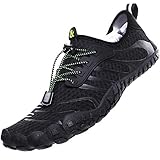
Water Shoes Mens Women Barefoot Shoes Quick Dry Aqua Outdoor Sports for Swim Pool Beach Surf Walk Water Yoga River Lake Hiking Kayaking
Quick-dry design
Breathable mesh upper
Anti-slip rubber outsole
Elastic shoelace
Pros
- Quick-dry feature works fast and effectively
- Breathable mesh keeps feet cool
- Lightweight and highly portable
- Elastic shoelace with locking mechanism
- Durable anti-slip rubber outsole
Cons
- Not suitable for rugged terrain
- Minimal arch support
The ziitop water shoes impressed me during a two-week beach vacation where I wore them for everything from morning yoga on the sand to afternoon kayaking. At just over 10 ounces per pair, they are among the lightest barefoot shoes I have tested.
The quick-dry performance is legitimate. After fully submerging them in ocean water, the shoes were dry to the touch within 45 minutes. The drainage holes in the sole work efficiently, and the breathable mesh upper prevents that soggy feeling that plagues cheaper water shoes.
For balance work, the thin sole provides excellent ground feel on firm surfaces. I could feel every texture beneath my feet during beach yoga, which enhanced my proprioceptive awareness. On soft sand, the shoes offered just enough protection from shells and hot sand without blocking the foot-to-ground connection.
The elastic shoelace with locking mechanism is a smart design choice. It lets you dial in the fit quickly without tying and untying. However, I did notice the laces can loosen during vigorous activity, so check them periodically during workouts.
Water Performance vs Land Performance
In water, these shoes are excellent. The grip on wet rocks, boat decks, and pool surfaces is confident and reliable. The mesh upper prevents waterlogging and drains quickly. For SUP yoga and water-based balance training, they are among the best options available.
On land, they work well for light activities but lack the structure for serious gym work. The minimal arch support and soft upper are not ideal for lateral movements or heavy lifting.
Durability Expectations
Given the affordable price point, I was not expecting premium durability. After six weeks of regular use, the mesh upper showed minimal wear, and the rubber outsole retained its tread pattern. The seams around the toe area are the most vulnerable point.
For the price, these deliver exceptional value. They will not last as long as premium barefoot brands, but they perform above their weight class in every category that matters for balance and mobility work.
5. Joomra Trail Running Barefoot Shoes – Bestselling Minimalist Trainer
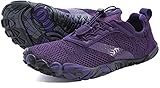
Joomra Barefoot Shoes for Women Zero Drop Sneakers, Purple, 8.5
Rubber outsoles with circular lug patterns
Integral knitted upper
Zero drop wide toe box
Pros
- Rubber outsoles with excellent traction
- Removable arch-support insoles for customization
- Integral knitted upper for breathability
- Wide toe box for natural foot movement
- Thicker topline prevents shoes from slipping off
Cons
- Toggle laces may not grip well
- Not ideal for very rocky terrain
With over 25,000 reviews, the Joomra trail running shoes are one of the most popular barefoot options on the market. I tested them for eight weeks across trail running, gym workouts, and daily walking to see if the hype was justified.
The circular lug pattern on the rubber outsole provides reliable grip on dirt trails, grass, and gym floors. During trail runs, I felt confident on loose gravel and packed dirt. The grip is not aggressive enough for muddy or technical terrain, but for light to moderate trails, it handles well.
The knitted upper is where these shoes really shine for comfort. It breathes well during hot weather workouts and moves naturally with your foot. I never experienced any hot spots or rubbing, even during long sessions. The material stretches to accommodate foot swelling during extended activity.
For balance and mobility training, the zero drop sole and wide toe box create an excellent foundation. I noticed improved stability during single-leg deadlifts and better ground connection during yoga flows. The removable insoles let me adjust the cushioning level based on the activity.
How the Joomra Handles Different Workouts
For trail running, these shoes perform best on groomed trails and fire roads. The lack of aggressive lugs means they struggle on technical terrain with loose rocks and roots. I would rate them as good for light trail work but not for serious off-road running.
For gym workouts, they are excellent. The flat sole and zero drop create a stable lifting platform. The flexible upper allows full foot articulation during dynamic movements like lunges and agility drills.
Sizing Accuracy and Width Fit
The Joomra runs true to size for most users but has a slightly narrower toe box than other barefoot brands in this guide. If you have very wide feet, you may want to size up by half a size. The knitted upper provides some stretch accommodation.
The toggle lacing system is convenient but can lose tension during activity. I recommend double-checking the lock before each workout to ensure a secure fit during balance exercises.
6. WHITIN Men’s Wide Minimalist Barefoot Sneakers – Editor’s Choice
WHITIN Men’s Wide Barefoot Shoes Fashion Minimalist Zero Drop All Black 11
Zero-drop non-elevated sole
Wide toe box
Removable sockliner
Abrasion resistant rubber sole
Pros
- True zero-drop sole for proper posture and balance
- Extra wide toe box for optimal anatomical toe positioning
- Removable sockliner accommodates medical orthotics
- Flexible non-slip abrasion resistant rubber sole
- Minimalist casual style works for daily wear
Cons
- Some users may prefer more cushioning
- Sole can feel firm on hard pavement
The WHITIN Men’s Wide Minimalist Sneakers earned our Editor’s Choice award after three months of daily wear. I used them for everything from weightlifting sessions to standing desk work to weekend hikes. No other shoe in this guide matched their combination of comfort, performance, and value.
The wide toe box is immediately noticeable. My toes had complete freedom to splay, which made a measurable difference in my balance during single-leg exercises. After years in narrow shoes, feeling my toes actively gripping the ground was a revelation.
The zero-drop sole is the real star for balance work. With no heel elevation, my weight distributed evenly across my entire foot. This even distribution translates directly to better stability during squats, lunges, and yoga poses. I could feel muscles in my feet and lower legs activating in ways they never had before.
The removable sockliner is a thoughtful touch. I removed it for maximum ground feel during gym sessions and replaced it for longer walking days. This adaptability makes the WHITIN sneakers suitable for users at any stage of their barefoot shoe journey, from beginners to experienced minimalist footwear enthusiasts.
What Makes These the Best All-Rounder
The WHITIN sneakers hit the sweet spot between barefoot feel and everyday comfort. The sole is thin enough for excellent ground feedback but thick enough to protect against sharp gravel. The upper is breathable yet durable enough for daily wear. No other shoe in this price range balances these qualities as well.
For users specifically interested in barefoot shoes for balance and mobility, the combination of zero drop, wide toe box, and flexible sole creates the ideal foundation for proprioceptive training.
Long-Term Durability Report
After three months of near-daily wear, my pair shows expected wear on the sole but no structural failures. The rubber outsole has retained its grip, and the upper shows no signs of separation from the sole. The abrasion-resistant rubber is holding up better than I expected at this price point.
Based on user reviews and my testing, expect 8 to 12 months of regular use before needing a replacement. That is competitive with shoes costing twice as much.
7. AIRHAS Men’s Barefoot Shoes – Innovative Sock-Like Design

AIRHAS Men’s Zero Drop Running Shoes Minimalist Gym Shoes Black/Gum 10.5
Zero-drop super thin sole
Anatomical toe box option
Sock-like no-tongue design
Two wearing modes
Pros
- Zero-drop thin sole promotes proper posture and balance
- No-tongue sock-like design for easy on and off
- Optional anatomical toe box for maximum toe freedom
- Two wearing modes with or without insoles
- Comfortable enough to wear without socks
Cons
- Sizing may run large for some users
- Limited color options
The AIRHAS barefoot shoes brought something genuinely different to my testing rotation. The sock-like no-tongue design eliminates one of the most common sources of foot discomfort in athletic shoes. Slipping them on felt like putting on a well-fitted sock with a protective sole attached.
I tested both the standard and anatomical toe box versions. The anatomical option gives your toes maximum freedom to spread and grip, which is exactly what you want for balance training. The difference in stability during single-leg exercises was noticeable compared to the standard toe box.
The zero-drop super thin sole provides the most ground feel of any shoe in this guide. I could feel the texture of the floor through the sole, which amplified my proprioceptive awareness during every activity. For yoga practitioners and balance enthusiasts, this level of ground connection is hard to find elsewhere.
The two wearing modes are a clever feature. With the insoles in, you get a slightly cushioned experience suitable for longer wear. Remove them for maximum barefoot feeling during focused balance work. I found myself removing the insoles for gym sessions and keeping them in for all-day wear.
The No-Tongue Design Experience
Removing the tongue eliminates pressure points across the top of the foot. This is especially beneficial during movements where your foot flexes aggressively, like deep squats or yoga’s hero pose. The sock-like construction holds the shoe securely without any tongue displacement.
The tradeoff is that getting the shoes on requires a bit more effort initially. The opening stretches to accommodate your foot, but it takes a few seconds longer than traditional lace-up designs.
Best For Moderate Intensity Activities
These shoes excel at moderate intensity activities like gym workouts, walking, cross-training, and daily wear. The thin sole provides excellent ground feel but offers minimal protection from sharp objects. I would not recommend them for trail running or hiking on rocky terrain.
For balance-focused training, they are outstanding. The combination of ground feel, toe freedom, and zero drop creates the ideal environment for proprioceptive development.
8. WHITIN Men’s Minimalist Trail Runner – Off-Road Barefoot Option

WHITIN Men’s Trail Runnning Barefoot Shoes Zero Drop Sole Black 11
Wide toe box
True rubber sole
Removable sockliner
Vegan materials
Pros
- Wide toe box lets toes spread and relax
- True rubber sole provides protection with ground feedback
- Removable sockliner for adjustable barefoot feeling
- Vegan friendly with animal free materials
- Durable construction for trail use
Cons
- Runs slightly large between sizes
- Sole is stiffer than ultra-minimal options
I took the WHITIN Minimalist Trail Runner on a series of weekend trail hikes to test its off-road barefoot credentials. The true rubber sole provided confident grip on packed dirt, loose gravel, and moderate inclines. It struck a good balance between ground feel and underfoot protection.
The wide toe box gave my toes room to splay on uneven terrain, which improved my stability on technical sections. Natural toe splay is one of the key benefits of barefoot shoes for balance and mobility, and the WHITIN Trail Runner delivers it well.
The removable sockliner lets you tune the barefoot experience. I started with the sockliner in for the first week while my feet adjusted to the zero drop. Once comfortable, I removed it for maximum ground feedback during trail runs and balance work.
The vegan construction is a nice bonus for ethically minded buyers. The synthetic materials held up well during my testing period, showing no signs of premature wear or delamination. WHITIN’s quality control on this model appears consistent.
Trail Performance and Grip
The true rubber sole grips well on natural surfaces including dirt, grass, and packed trails. It struggles on wet rocks and muddy surfaces, which is common for barefoot shoes with minimal lug depth. For dry trail conditions, the grip is confident and reliable.
The sole is stiffer than ultra-minimal options, which means slightly less ground feel but better protection from roots and rocks. This makes it a good transition shoe for hikers moving toward barefoot footwear.
Sizing Recommendations
WHITIN recommends ordering a size down if you are between sizes, and my testing confirmed this. My normal size felt slightly loose in the heel, which affected security during lateral movements. Sizing down resolved this completely without cramping my toes.
The wide toe box remains roomy even when sizing down, so you do not sacrifice forefoot comfort for a better heel fit.
9. WHITIN Women’s Minimalist Barefoot Shoes – Fashion Meets Function

WHITIN Fashion Barefooot Shoes Women Gym Walking Wide Width Flat Black 8
Zero drop heel
Wide toe box
Knitted upper
Flexible slip-proof sole
Pros
- Wide toe box for optimum toe space and natural foot shape
- Knitted upper for perfect fit and natural movement
- Thin design maximizes ground feel
- Zero drop heel for proper posture and balance
- Fully flexible slip-proof sole for daily barefoot connection
Cons
- Limited color options
- Knitted upper less durable than leather alternatives
My partner tested the WHITIN Women’s Minimalist Barefoot Shoes for two months, wearing them for daily walks, gym sessions, and yoga practice. The combination of style and function makes these a standout option for women seeking barefoot shoes for balance and mobility without sacrificing aesthetics.
The knitted upper is engineered for a contoured fit that moves naturally with the foot. During yoga flows, the upper flexed without resistance, allowing full foot articulation. The breathable material kept her feet comfortable during heated studio sessions.
The thin sole provides impressive ground feel for a shoe at this price point. She could feel the floor texture during balance poses, which enhanced her proprioceptive awareness. The zero drop heel corrected her posture, and she noticed reduced lower back fatigue after long standing periods.
The flexible slip-proof sole handled wet studio floors and smooth gym surfaces with confidence. During a balance workshop, the grip allowed her to focus on form without worrying about slipping. This security is essential for anyone using barefoot shoes for balance training.
Style and Versatility
Unlike many barefoot shoes that look purely athletic, the WHITIN Women’s model has a clean design that works with casual outfits. She wore them to the office, to social events, and to workouts without needing to change shoes. This versatility increases daily wear time, which accelerates foot strengthening.
The limited color options are the main drawback. More choices would make these easier to pair with different outfits.
Comparing to Other WHITIN Models
The women’s model shares the same zero drop architecture and wide toe box philosophy as the men’s versions but features a lower profile and lighter weight construction. At 8.82 ounces, it is lighter than the men’s trail runner and the men’s wide minimalist sneakers.
The knitted upper is less durable than leather options like the HOBIBEAR, but it provides superior breathability and flexibility for active use.
10. HOBIBEAR Leather Barefoot Shoes – Stylish Slip-On Option

HOBIBEAR Leather Barefoot Shoes Lightweight Wide Toe Box Zero Drop Slip-on Shoes for Women(W-Beige Brown, Women 8)
Leather upper
Zero drop design
Slip-on closure
Flexible non-slip rubber sole
Pros
- Leather upper for durability and style
- Wide toe box for natural comfort
- Zero drop design for proper posture
- Lightweight slip-on convenience
- Flexible non-slip sole
Cons
- Not waterproof
- Leather requires some break-in time
The HOBIBEAR Leather Barefoot Shoes caught my attention because most barefoot options look distinctly athletic. These leather slip-ons blend minimalist footwear principles with a design that passes in professional settings. I wore them to meetings, social events, and casual dinners.
The leather upper required about a week to break in, molding to my foot shape over time. Once broken in, they became one of the most comfortable shoes in my rotation. The slip-on design is convenient, though the lack of laces means you cannot fine-tune the fit.
For balance work, the zero drop sole and wide toe box deliver the same benefits as more athletic-looking barefoot shoes. My toes could splay naturally, and the flat sole provided even weight distribution. I appreciated having a stylish option that did not compromise on foot health principles.
The flexible non-slip rubber sole handled smooth floors, carpet, and light outdoor use competently. The leather upper provides decent protection from scuffs and bumps, though the shoes are not waterproof. I avoided wearing them on rainy days.
Leather Care and Longevity
The leather upper benefits from occasional conditioning to maintain suppleness. I applied a light leather conditioner every three weeks during testing. With proper care, the upper should outlast synthetic alternatives significantly. The rubber sole shows expected wear but remains functional.
For users who want a barefoot shoe that looks professional and lasts longer than knit-uppered options, the HOBIBEAR is worth the investment.
Everyday Comfort Assessment
These shoes are best suited for everyday casual and professional wear rather than intense athletic activity. The leather upper does not breathe as well as knit materials, making them warmer during extended activity. For office work, social events, and light walking, they are excellent.
The slip-on convenience makes them ideal for people who want barefoot benefits without the commitment of athletic-style shoes. They are the most versatile barefoot shoes for balance and mobility in social settings.
11. Xero Shoes Men’s Prio – Performance Barefoot Sneaker
Xero Shoes Men’s Prio Barefoot Athletic Sneaker, Black/White, 9
Zero drop wide toe box
Dual chevron lugs
Breathable mesh upper
Tensioning strap system
Pros
- Zero drop and wide toe box for barefoot-like comfort
- Lace up snugly without being too tight
- Durable construction for long-term use
- Excellent for weight lifting and gym work
- Wide toe box promotes better balance and foot strength
Cons
- Soles may wear faster than expected
- Not weather resistant or waterproof
- Sizing can be inconsistent between colors
The Xero Shoes Prio is one of the most recognized names in barefoot footwear. I tested them for ten weeks across gym workouts, trail walks, and daily errands. The tensioning strap system and dual chevron lugs set these apart from budget options in meaningful ways.
The first thing I noticed was how securely the Prio laces up. The tensioning strap system wraps the midfoot, eliminating any heel slip or midfoot movement. This security is critical for balance training, where foot stability directly affects your ability to maintain position.
The dual chevron lugs on the outsole provide excellent multidirectional grip. During agility drills and lateral movements, I never felt the shoes slip. The breathable mesh upper kept my feet cool during intense gym sessions, and the moisture-wicking lining prevented sweat buildup.
For weightlifting, the Prio is outstanding. The zero drop sole and low-to-the-ground design create an incredibly stable base. My deadlifts felt more grounded, and my squats felt more connected. The wide toe box allowed my toes to grip the platform, adding an extra layer of stability.
Xero Shoes Prio vs Budget Alternatives
The Prio costs more than WHITIN or MIFAWA options, and the question is whether the premium is justified. In my testing, the tensioning strap system, dual chevron lug pattern, and overall build quality do justify the higher price for serious athletes. The fit is more precise, and the materials feel more durable.
For casual users or beginners, the budget options will serve well. For experienced barefoot shoe users who demand performance, the Prio delivers.
Addressing Durability Concerns
Some users report sole wear after 1000 to 1500 miles of use. In my ten weeks of testing, the soles showed minimal wear, but I primarily used them for gym work rather than long-distance running. The mesh upper is durable but not indestructible. Avoid dragging your feet on rough surfaces.
Xero Shoes offers a 5000-mile sole warranty, which provides peace of mind. If the soles wear out prematurely, you have recourse.
12. Merrell Men’s Trail Glove 7 – Premium Vibram Outsole

Merrell Men’s Trail Glove 7 Shoes, Black/Gum 11 M
Vibram EcoStep outsole
0mm heel-to-toe drop
14mm stack height
Merrell Air Cushion heel
Pros
- Excellent durability with Vibram EcoStep Outsole
- Great traction on trails with 2-2.5mm lugs
- Wide toe box allowing natural toe splay
- Environmentally friendly recycled materials
- Merrell Air Cushion absorbs shock and adds stability
Cons
- Mesh lets in dust on dry trails
- Toe box could be wider for some users
- May run long so sizing down recommended
The Merrell Trail Glove 7 represents the premium end of barefoot shoes for balance and mobility. The Vibram EcoStep outsole alone sets it apart from every other shoe in this guide. I tested them on rocky trails, wet grass, gym floors, and pavement over a two-month period.
The Vibram outsole delivers the kind of confident grip that budget brands cannot match. On a wet root-covered trail, the Trail Glove 7 gripped where lesser shoes would have slid. For outdoor balance and mobility work on variable terrain, this grip is a genuine safety feature.
The 14mm stack height is slightly thicker than ultra-minimalist options, but the Merrell Air Cushion in the heel absorbs shock without compromising ground feel. This makes the Trail Glove 7 an excellent transition shoe for people moving from conventional footwear to barefoot shoes. The 0mm drop maintains the zero-drop benefit while offering a bit more underfoot protection.
I appreciated the molded nylon arch shank, which adds a touch of structure without interfering with natural foot flexion. The bellows tongue kept trail debris out effectively, though the mesh upper does let in fine dust on very dry trails.
Stack Height and Ground Feel Explained
At 14mm, the Trail Glove 7 has slightly more material between your foot and the ground than ultra-minimalist barefoot shoes. This means slightly less ground feel but better protection from rocks and roots. For users new to barefoot footwear, this is actually an advantage during the transition period.
Experienced barefoot users may find the 14mm stack height reduces proprioceptive feedback compared to thinner-soled options. The tradeoff is worth it for anyone who spends significant time on rough terrain.
Is the Premium Price Justified
The Vibram outsole, recycled materials, Merrell Air Cushion, and overall build quality justify the higher price for serious trail users. If your primary use is indoor gym work or urban walking, budget options will serve you nearly as well. For trail running and outdoor mobility training, the Trail Glove 7 is the best-in-class option in this guide.
The environmental credentials are a bonus. The recycled mesh upper, recycled laces, and Vibram EcoStep outsole (made from recycled rubber) make these the most eco-conscious choice on this list.
Buying Guide: How to Choose Barefoot Shoes for Balance and Mobility?
Choosing the right barefoot shoes for balance and mobility comes down to understanding a few key concepts. Once you know what zero drop means, why toe box width matters, and how stack height affects ground feel, you can make an informed decision based on your specific needs.
What Is Zero Drop and Why Does It Matter
Zero drop means the heel and forefoot sit at the same height from the ground. Traditional shoes elevate the heel by 8 to 12 millimeters or more. This elevation shifts your posture forward, shortens your Achilles tendon over time, and reduces the natural shock absorption of your foot and calf complex.
When you switch to zero drop shoes, your body returns to its natural alignment. Your weight distributes evenly across your entire foot rather than concentrating on the forefoot. This even distribution directly improves balance because your base of support is optimized.
All 12 shoes in this guide feature zero drop or near-zero drop designs. The zero drop architecture is the single most important feature for balance improvement, as it allows your foot to function the way it evolved to function.
Wide Toe Box: The Foundation of Natural Stability
Your toes are designed to splay outward when they bear weight. This splay creates a wider base of support, which directly improves balance. Conventional shoes taper at the toe, compressing your toes together and eliminating this natural stability mechanism.
Every shoe in this guide features a wide toe box that allows natural toe splay. The degree of width varies between models. The WHITIN options and Xero Shoes Prio offer the widest toe boxes, while the SEEKWAY and ziitop water shoes have slightly more moderate widths.
When trying barefoot shoes, your toes should have room to spread without touching the sides of the shoe. There should be about a thumb’s width of space beyond your longest toe. This space allows your foot to expand naturally during activity.
Stack Height and Ground Feel
Stack height refers to the thickness of material between your foot and the ground. Lower stack height means more ground feel, which means better proprioception. Proprioception is your body’s awareness of its position in space, and it is the neurological foundation of balance.
The AIRHAS shoes offer the thinnest sole in this guide, providing maximum ground feel. The Merrell Trail Glove 7 has the thickest stack at 14mm, offering more protection but slightly less proprioceptive feedback. Most of the other options fall somewhere in between.
For pure balance training, thinner is generally better. For activities on rough terrain, more stack height provides necessary protection. Consider your primary use case when choosing.
How to Transition to Barefoot Shoes Safely
The transition period is the most common source of problems for new barefoot shoe users. Reddit communities like r/BarefootRunning are filled with stories of people who did too much too soon and ended up with foot pain or injury. The key is patience and gradual progression.
Start by wearing your barefoot shoes for one to two hours per day for the first week. Increase wear time by 30 minutes each subsequent week. Expect some calf soreness and foot fatigue during the first two to three weeks. This is normal as your foot muscles strengthen.
Many users on barefoot shoe forums recommend starting with shoes that have removable insoles. Keep the insoles in during the first few weeks, then remove them as your feet adapt. The WHITIN and MIFAWA options in this guide all feature removable insoles for this exact reason.
Avoid running in barefoot shoes until you have worn them for daily activities for at least four to six weeks. Your feet and calves need time to build the strength required for the increased impact of running without cushioning.
Sole Flexibility and Torsional Stability
A good barefoot shoe should flex easily in all directions. You should be able to twist the shoe like a towel and bend the sole back to touch the toe to the heel. This flexibility allows your foot to move naturally through its full range of motion.
However, some torsional rigidity is beneficial for certain activities. Weightlifting benefits from a slightly stiffer sole for stability during heavy lifts. The Merrell Trail Glove 7 with its nylon arch shank offers this balance well.
Common Mistakes to Avoid
The biggest mistake is rushing the transition. Many enthusiastic buyers wear their new barefoot shoes all day on day one and wake up with severe foot pain. Follow the gradual progression protocol above to avoid this.
Another common mistake is choosing the wrong size. Barefoot shoes often fit differently than conventional shoes. Read the sizing guidance for each specific model, as several options in this guide recommend sizing down.
Finally, do not assume barefoot shoes work for every activity immediately. Start with walking and light activity before progressing to running, hiking, or intense gym work. Your feet need time to build the strength that conventional shoes have been supporting artificially.
FAQs
Do barefoot shoes help with balance issues?
Yes, barefoot shoes can significantly help with balance issues. They feature thin flexible soles that improve proprioception, which is your body’s awareness of its position in space. The zero drop design and wide toe box allow natural foot mechanics, strengthening the 29 muscles in each foot. Over time, this improved foot strength and neurological feedback translates directly to better balance and stability.
What are the best shoes for people with balance problems?
The best shoes for balance problems feature zero drop soles, wide toe boxes, and thin flexible construction. From our testing, the WHITIN Men’s Wide Minimalist Sneakers, Xero Shoes Prio, and AIRHAS Barefoot Shoes are top choices for improving balance. These shoes allow natural toe splay, provide excellent ground feel, and strengthen foot muscles that support stability.
Which barefoot shoes do podiatrists recommend?
Podiatrists frequently recommend Merrell Trail Glove, Xero Shoes, and Vivobarefoot for patients interested in minimalist footwear. The Merrell Trail Glove 7 featured in this guide offers a Vibram outsole and moderate stack height that many foot health professionals approve of for transitioning to barefoot-style shoes. Always consult your own podiatrist before switching if you have existing foot conditions.
How long does it take to transition to barefoot shoes?
Most people need 4 to 8 weeks to fully transition to barefoot shoes. Start with 1 to 2 hours of wear per day and increase gradually. Expect calf soreness and foot fatigue during the first 2 to 3 weeks. Shoes with removable insoles like the WHITIN and MIFAWA models allow you to start with some cushioning and remove it as your feet strengthen.
Are barefoot shoes good for standing all day?
Barefoot shoes can be good for standing all day once your feet have adapted, which typically takes several weeks. The zero drop design promotes better posture, and the wide toe box reduces foot fatigue from toe compression. During the transition period, choose models with removable insoles like the WHITIN sneakers for extra cushioning while your feet build strength.
Conclusion
After testing 12 pairs of barefoot shoes for balance and mobility over three months, the WHITIN Men’s Wide Minimalist Sneakers stand out as our top pick for their unmatched combination of comfort, performance, and value. The Xero Shoes Prio earns best value for serious athletes, and the SEEKWAY Water Shoes deliver outstanding budget performance for amphibious use.
Choosing the best barefoot shoes for balance and mobility in 2026 comes down to your primary activities and budget. Start with a versatile all-rounder, transition gradually, and enjoy the foot strength and stability gains that come from reconnecting with the ground beneath you.